
This Rhode Island Oyster Bar Serves Some Of The Freshest Shellfish In New England
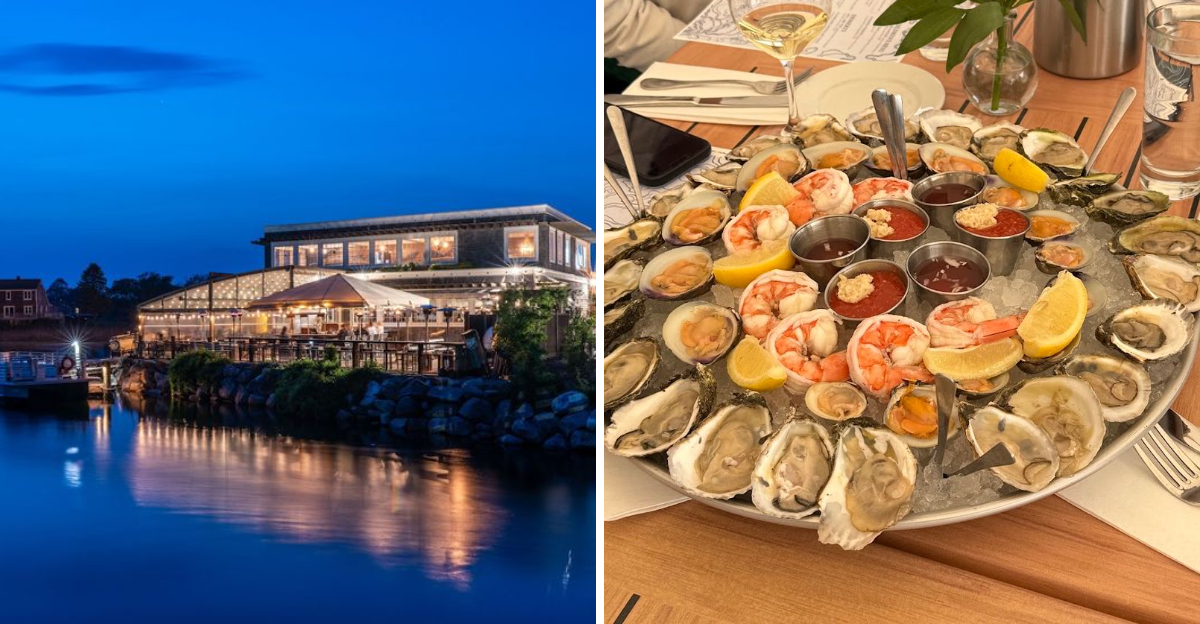
Plenty of oyster bars make impressive promises, but freshness tells the truth before anyone says a word. At this Rhode Island waterfront restaurant, the shellfish spend the morning in nearby coastal waters and can reach the raw bar only hours later.
That kind of timing changes everything. The oysters taste clean, cold, and unmistakably connected to the state that raised them.
Diners can look over the pond, watch boats move across the water, and order seafood with a story happening right outside the window. It may sound a little shellfish, but keeping this place a secret would be almost impossible.
Rhode Island may be the smallest state, but its shellfish traditions carry serious weight throughout New England. This oyster bar brings farming, cooking, and waterfront dining together in one memorable experience.
The menu goes well beyond raw oysters. Still, the freshly harvested shellfish keep guests coming back.
The Farm Was Growing Shellfish Before The Dining Room Ever Opened
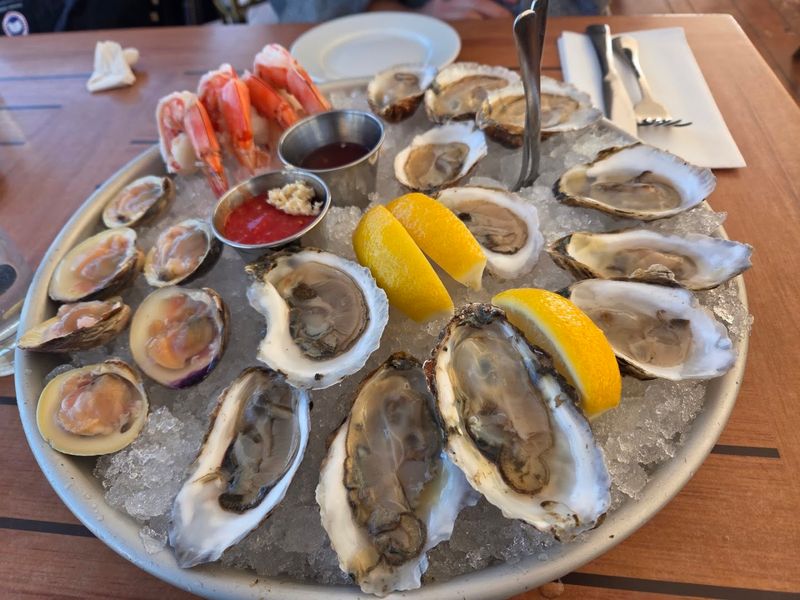
Perry Raso started Matunuck Oyster Farm back in 2002, focusing entirely on growing quality oysters. The restaurant didn’t open its doors until 2009, seven years after the farming operation began.
Raso originally purchased the property to secure reliable dock access for his oyster boats, not with plans to run a dining establishment.
The decision to open a restaurant came later as a way to sell the farm’s harvest directly to diners. This reversed the typical order where restaurants seek out suppliers.
Instead, the supplier created the restaurant as an outlet for premium product.
That farming-first approach still shapes how the restaurant operates today. The focus remains on growing excellent oysters rather than simply serving them.
The dining experience grew organically from the aquaculture work, giving the whole operation an authenticity that diners notice. The restaurant exists to showcase the farm’s work rather than the other way around.
The Oysters Travel Only A Few Steps Before Reaching The Raw Bar
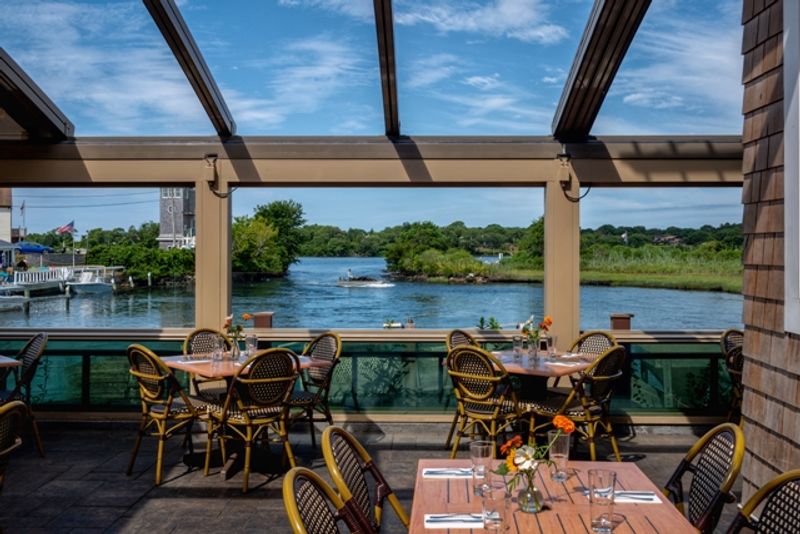
Have you ever wondered how quickly an oyster can travel between the water and your plate? Potter Pond sits just beyond the restaurant’s outdoor seating area, making that journey remarkably short.
Oysters harvested in the morning can appear on the raw bar menu by lunchtime. This proximity creates a level of freshness that most restaurants simply cannot match.
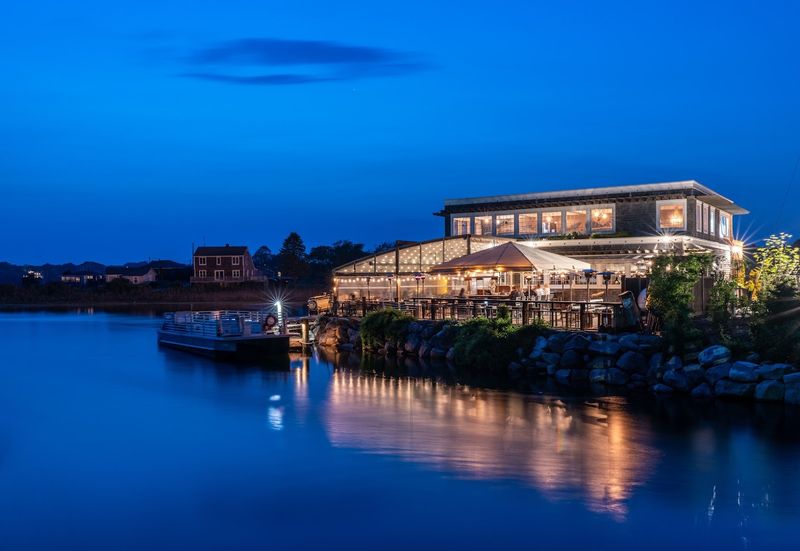
Matunuck Oyster Bar operates at 629 Succotash Road in Wakefield, Rhode Island, where the waterfront location provides direct access to the oyster beds. Diners seated on the patio can look out at the same waters where their meal was growing earlier that day.
The connection between source and table becomes visible rather than theoretical.
This pond-to-plate approach means the oysters experience minimal handling and transportation stress. The flavor profile remains clean and true to the waters where they grew.
For anyone who appreciates truly fresh shellfish, this setup represents an ideal scenario that few other restaurants can replicate.
Seven Working Acres Of Potter Pond Keep The Oyster Bar Supplied
Matunuck Oyster Farm holds a seven-acre commercial aquaculture lease within Potter Pond’s saltwater basin. This sizable operation provides the volume needed to keep the restaurant supplied year-round.
About 6.9 acres actively cultivate various shellfish including oysters and littleneck clams.
Potter Pond itself is a saltwater body located in South Kingstown, connected to Rhode Island’s coastal waters. The pond’s conditions create an ideal environment for shellfish growth.
Water quality, salinity levels, and temperature all contribute to the distinctive flavor profile of oysters raised here.
Managing seven acres of underwater farmland requires careful attention and regular maintenance. The farm uses specific cultivation techniques suited to Potter Pond’s particular conditions.
This extensive operation represents a significant commitment to sustainable aquaculture. The acreage ensures that the restaurant never runs short of its signature product while maintaining responsible farming practices that protect the pond’s ecosystem.
Matunucks And Potter Moons Are The Names Oyster Lovers Remember
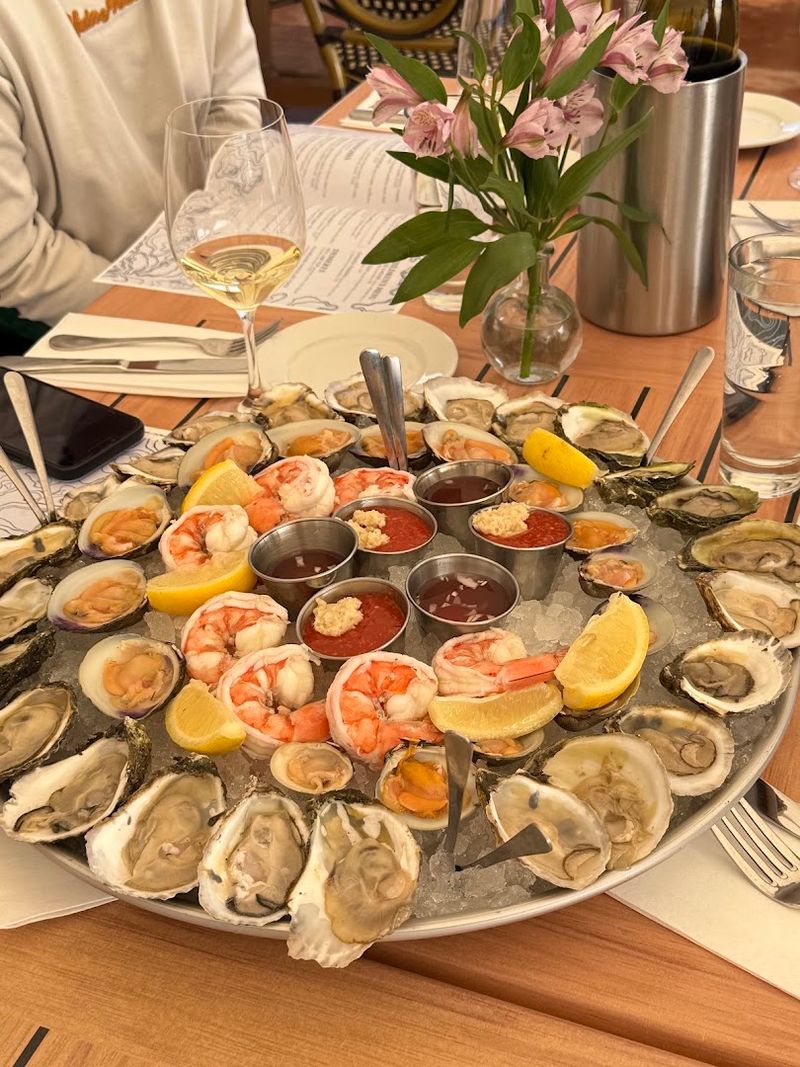
The farm cultivates two distinct oyster varieties that regulars request by name. Matunuck oysters typically offer a briny crispness followed by a subtle sweet finish.
Potter Moon oysters deliver a more pronounced salty taste that appeals to those who prefer a stronger ocean flavor.
Potter Moons represent about ten to fifteen percent of the farm’s total oyster production. These oysters grow directly on the pond floor using a different cultivation method than their Matunuck cousins.
The growing technique and location within the pond contribute to the flavor differences between the two varieties.
Serious oyster enthusiasts can taste the distinction between these two types. The choice between them often comes down to personal preference for either the balanced sweetness of Matunucks or the bold brininess of Potter Moons.
Having both options available lets diners explore the range of flavors that Potter Pond’s waters can produce.
That Peaceful Pond View Is Also Where Dinner Begins
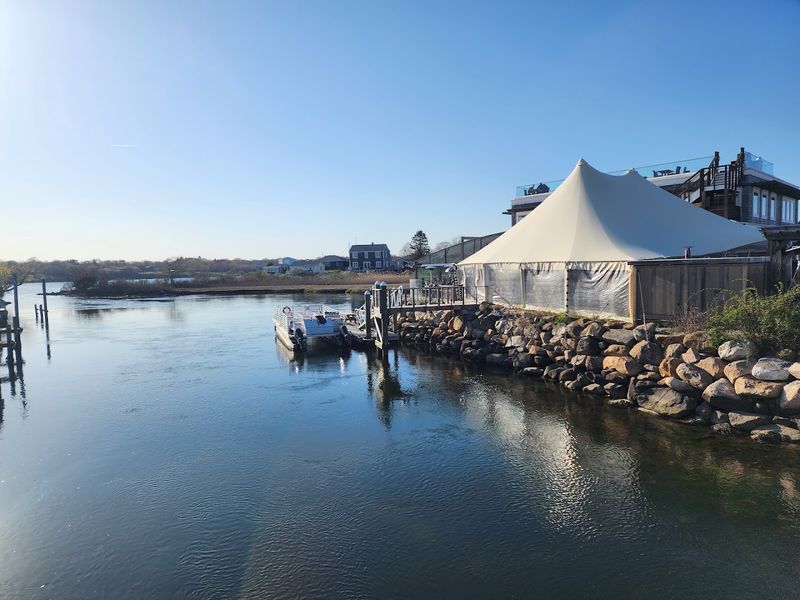
Would you expect a temporary dining space to feel just as memorable as the original restaurant? The location on Potter Pond creates an atmosphere that connects guests directly to their food’s origin.
Both indoor and outdoor seating options provide water views. The outdoor patio offers the closest connection, with the oyster beds visible across the water.
Following a fire in May 2025, the original building suffered significant damage. The restaurant currently operates from a temporary outdoor dining space under a tent at 650 Succotash Road in Wakefield while rebuilding continues.
Despite the temporary setup, the waterfront location and pond views remain central to the dining experience.
Customer reviews consistently mention the tent’s surprisingly elegant atmosphere. Many guests also praise the comfortable seating and thoughtful decorative touches.
The temporary space maintains the connection between diners and the waters that supply their meal. That visual link between pond and plate enhances the experience regardless of the building surrounding it.
Visitors Can See How An Oyster Grows Before Ordering A Dozen
Matunuck Oyster Bar offers public tours that explain the complete aquaculture process. Tours typically begin at the restaurant with an introduction to shellfish farming before heading out to the actual growing areas in Potter Pond.
The experience lasts approximately 60 to 90 minutes depending on group size and questions.
During tours, visitors observe different shellfish species at various development stages. The complete cycle from tiny seed to harvest-ready oyster takes two to three seasons.
Guides explain the cultivation methods, equipment, and daily work involved in maintaining a productive oyster farm.
Seeing the operation firsthand gives diners a deeper appreciation for what arrives at their table. The tours demystify aquaculture and show the care involved in growing quality oysters.
Many guests choose to take a tour before or after their meal, creating a complete farm-to-table experience that extends beyond just eating the final product.
Even The Herbs And Vegetables Have A Potter Pond Connection
Perry Raso established Matunuck Vegetable Farm at Potter Pond’s northern end to supply the restaurant with organic produce. The farm received its organic certification in 2015.
Fresh herbs, vegetables, and other produce travel from this farm directly to restaurant kitchens.
The land where the vegetable farm operates has agricultural history stretching back centuries. Captain John Potter grew vegetables on this same property during the 18th century.
That historical connection adds another layer to the farm-to-table story.
Having both shellfish and vegetable farms under the same ownership ensures ingredient quality and freshness across the entire menu. Seasonal produce appears in dishes alongside the fresh seafood.
The vegetables receive the same attention to quality and sustainability as the oysters. This dual farming operation creates a more complete local food system where the restaurant controls most of its ingredient sources rather than relying on outside suppliers.
Science Plays A Bigger Role In Every Oyster Than Diners Might Expect
Perry Raso’s academic background in aquaculture and fisheries technology from the University of Rhode Island brings scientific rigor to the farming operation. Oyster cultivation involves understanding water chemistry, growth rates, and ecosystem management.
Matunuck Oyster Bar employs specific methods like raising oysters in mesh bags attached to longlines within Potter Pond.
Oysters function as natural filter feeders, actively improving water quality in their environment as they grow. This makes oyster farming one of the more environmentally beneficial forms of aquaculture.
The practice helps maintain sustainable seafood supplies as demand continues increasing.
The operation extends beyond just growing oysters for the restaurant. The farm also sells oyster seeds to other growers, spreading quality genetics and supporting the broader aquaculture industry.
The scientific approach ensures consistent quality while maintaining environmental responsibility. Every oyster that reaches a diner’s plate represents careful application of aquaculture science combined with traditional farming knowledge.
The Menu Gives Non-Oyster Lovers Plenty To Get Excited About
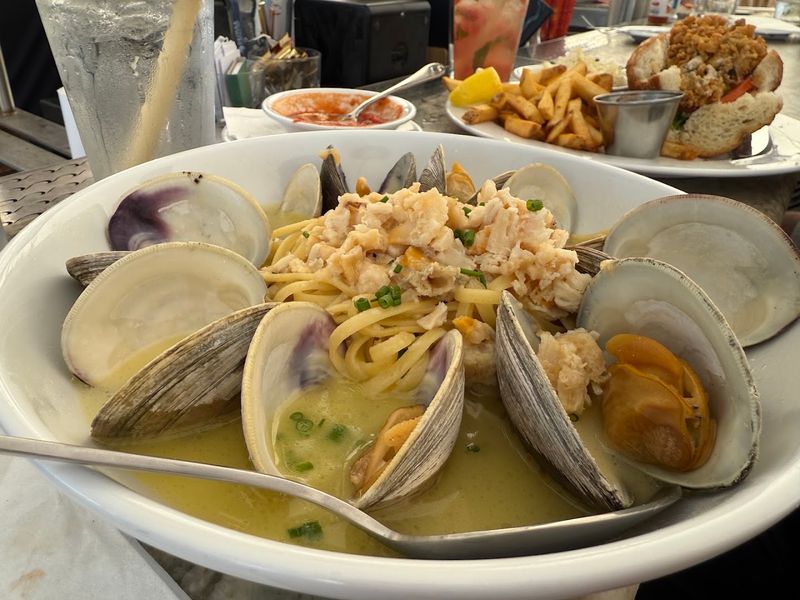
What would you order if oysters were not your first choice? While oysters receive top billing, the menu offers plenty of variety for guests who prefer other seafood or non-seafood dishes.
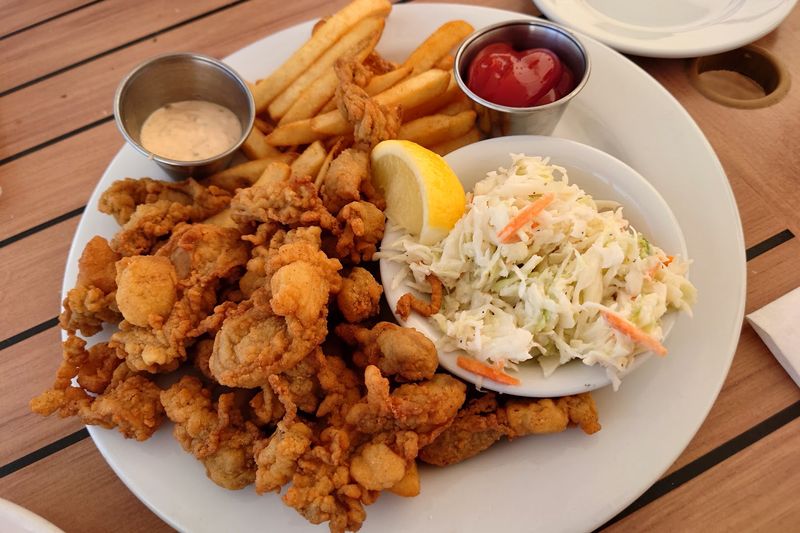
The raw bar includes fresh littleneck clams, cherrystones, and jumbo shrimp. Entree choices often feature Togarashi Scallops, Clams and Linguine, Grilled Atlantic Salmon, Blackened Yellowfin Tuna, and Baked Stuffed Lobster.
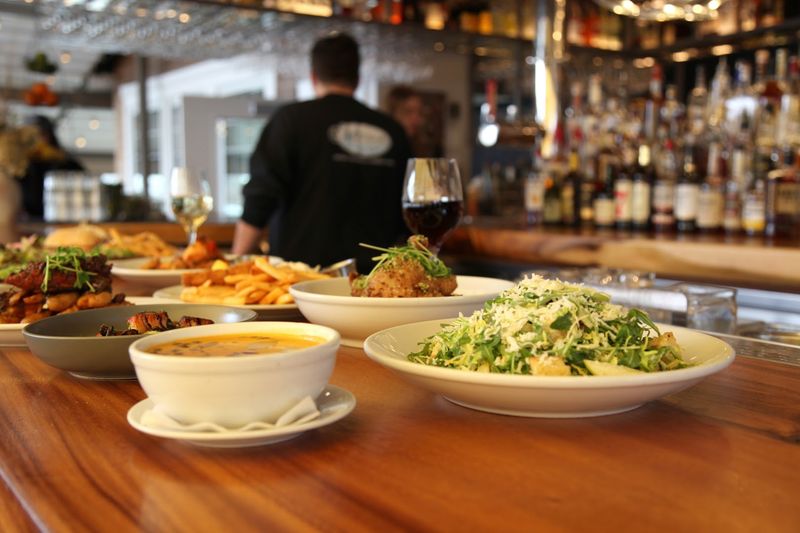
Popular appetizers include Point Judith Calamari, house-made stuffies, and both New England and Rhode Island-style clam chowder. Organic produce from Matunuck Vegetable Farm also appears throughout the menu.
Pairing farm-grown vegetables with fresh seafood creates choices for a wide range of preferences.
Customer reviews frequently mention dishes beyond the oysters. The stuffies receive particular praise for their seasoning and flavor.
A blackened chicken sandwich provides another option for guests who do not eat seafood. This menu variety makes the restaurant a good choice for groups with different tastes.