
This Small Wisconsin Town Is Home To One Of The Best Local Museums
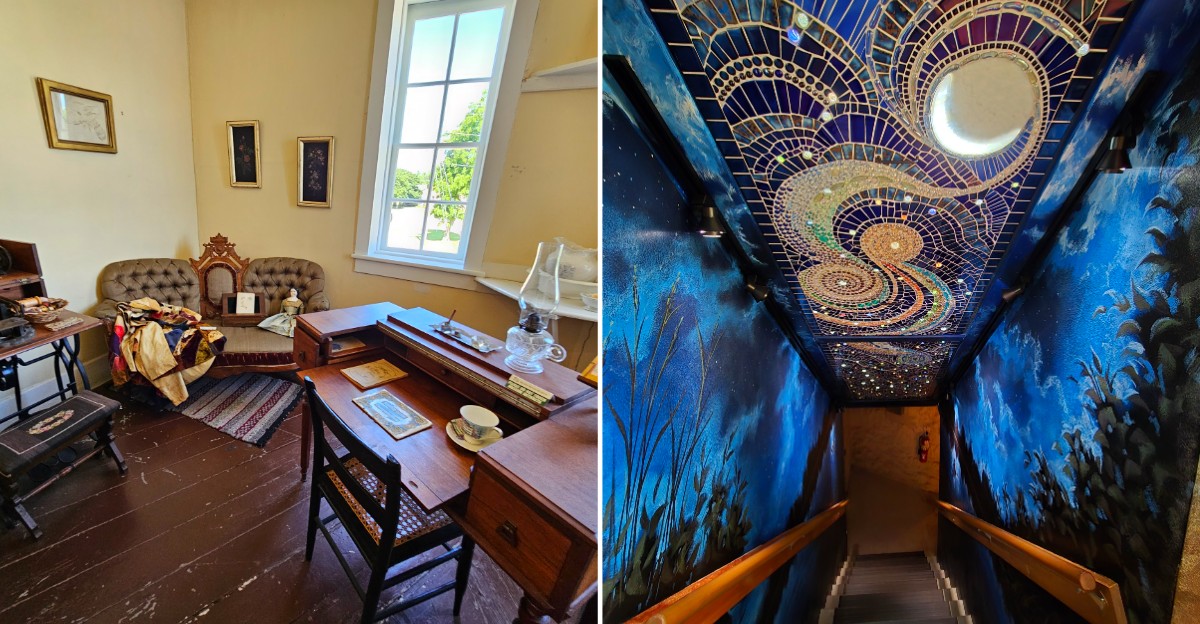
This is the kind of history stop that sneaks up on you. At first, it looks quiet and almost ordinary. Then the story starts unfolding. A stagecoach inn. A rare building method. A hand-dug tunnel with a remarkable past. Suddenly, those old walls feel a lot more significant.
That is what makes this Wisconsin site so memorable. The history is not sealed behind glass or reduced to a few plaques. You move through actual rooms, climb old stairs, and hear how the building became part of a much larger American story.
There are no flashy effects competing for attention. They are not needed.
The guides do much of the heavy lifting, connecting small architectural details with the people and events linked to the property. By the end, what seemed like a simple historic building feels like a place carrying far more history than its quiet appearance suggests.
A Six-Sided Landmark Unlike Anything Nearby
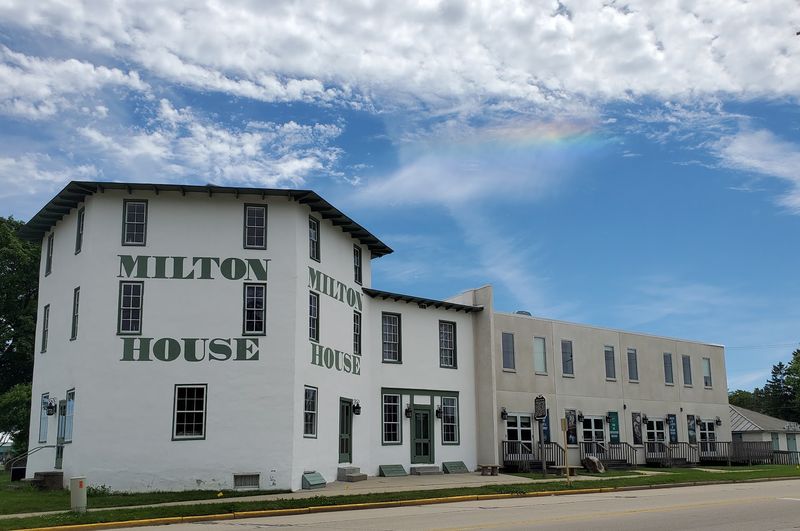
Six flat walls, a hexagonal footprint, and a building material almost nobody used in the 1840s. The main structure at the Milton House Museum catches your eye before you reach the front steps.
Joseph Goodrich put it up in 1844 as a stagecoach inn, mixing lime, gravel, sand, and water and pouring the blend into wooden forms. That technique makes it one of the oldest poured grout buildings still standing in the country.
The shape was not just for show. Rooms fanned out around a central hexagonal space, and every side could pull in daylight, which mattered long before electric lighting.
Travelers heading west along the old territorial roads pulled in here for meals, beds, and fresh horses. Decades later the property earned National Historic Landmark status, a designation reserved for sites with importance to the whole nation.
Walk the outside first and you can spot the horizontal seams where each layer of grout was poured and left to cure. Inside, the worn staircases, wide plank floors, and small guest rooms fill in the rest of the picture.
Guides explain the construction in plain language, so you leave understanding exactly why this place is unusual.
The Tunnel That Carried People Toward Freedom
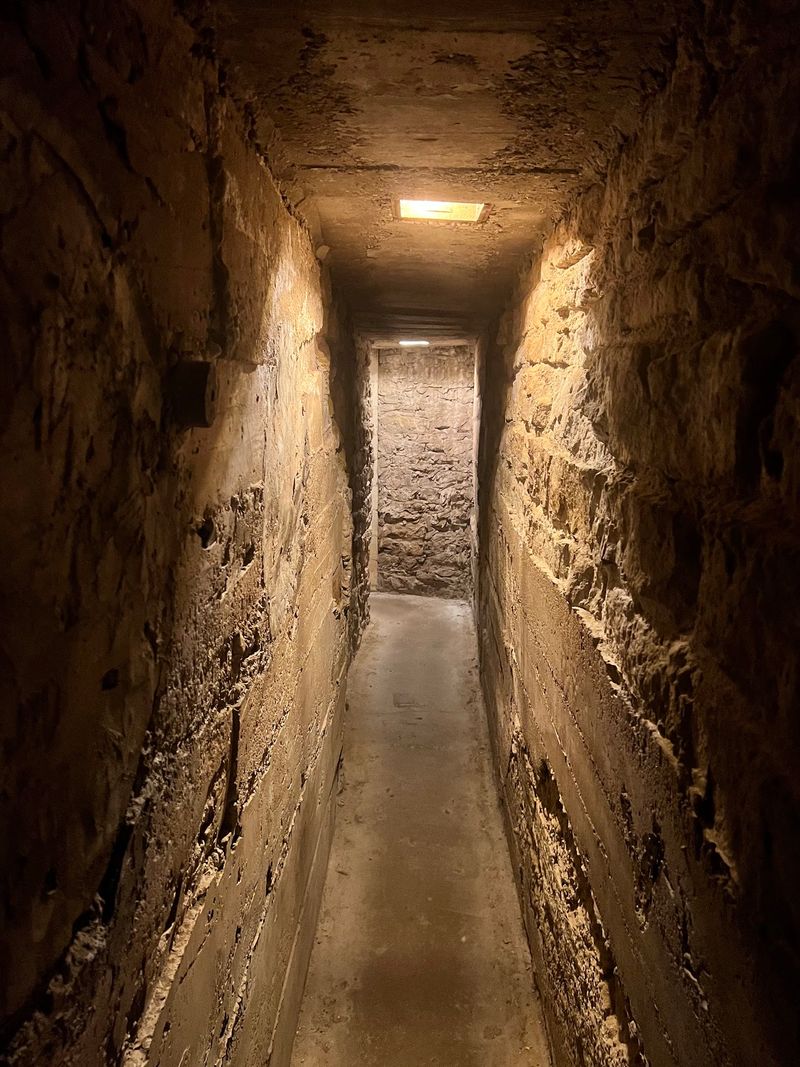
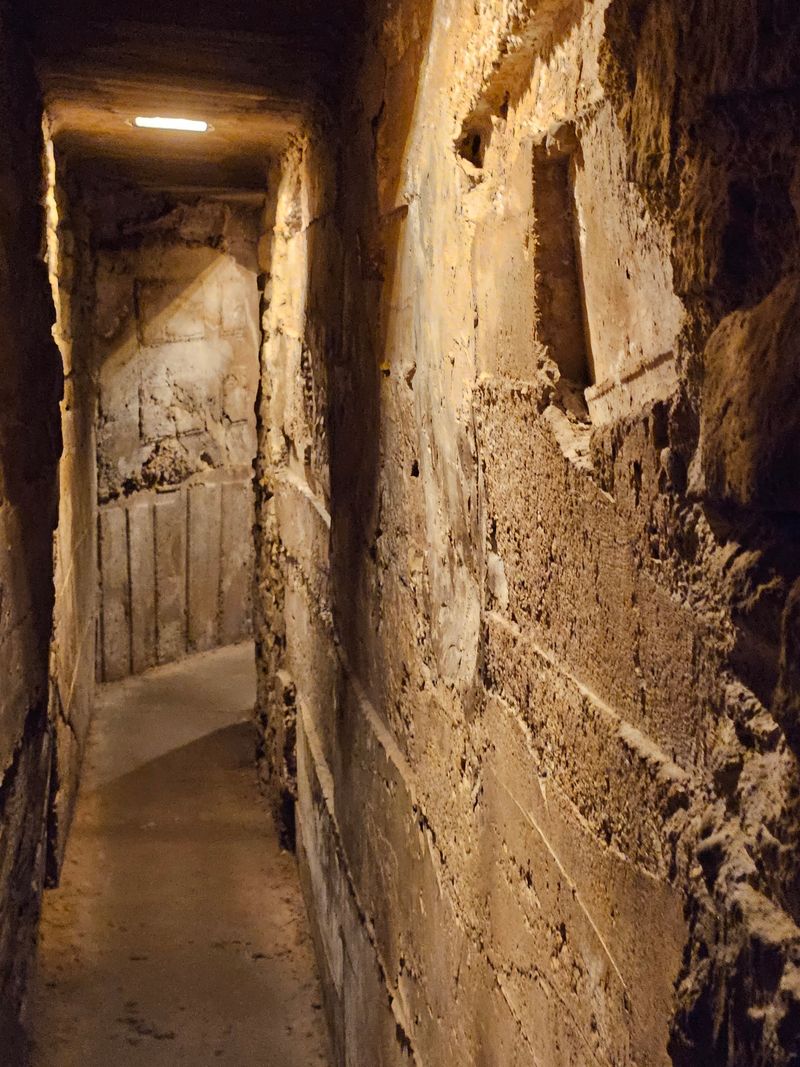
Few museum experiences stick with you the way this one does. Beneath the Milton House Museum runs a narrow passage that connects the old inn basement to a log cabin sitting just outside.
Goodrich was an abolitionist, and the property served as a station on the Underground Railroad. Freedom seekers arriving at the cabin could move through the tunnel into the inn basement without being seen from the road.
You get to walk that same route during the tour. The passage is low, tight, and quiet, and the walls press close enough that you understand the risk involved for everyone who used it.
Guides keep the focus on the people rather than the drama. They talk about who traveled through southern Wisconsin, what dangers they faced, and why ordinary families chose to help despite the law.
Children often remember this part long after the visit ends, and adults tend to grow quiet halfway through. Duck your head, watch your footing, and take your time. Few places let you stand inside a piece of that history rather than simply reading a plaque about it.
An Old Log Cabin With Deep Roots
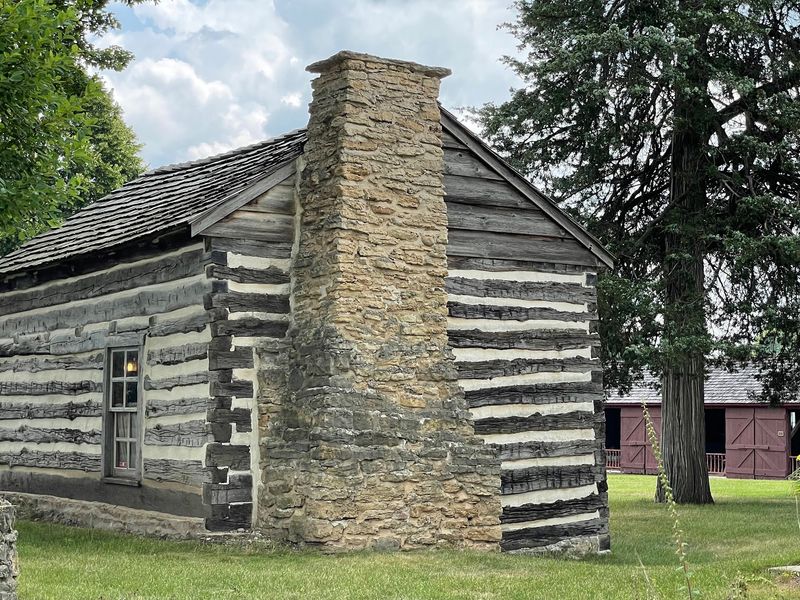
Long before the grout inn existed, a simple log cabin was already part of Goodrich’s property. That cabin still stands on the grounds of the Milton House Museum, and it anchors the far end of the tunnel you walk through.
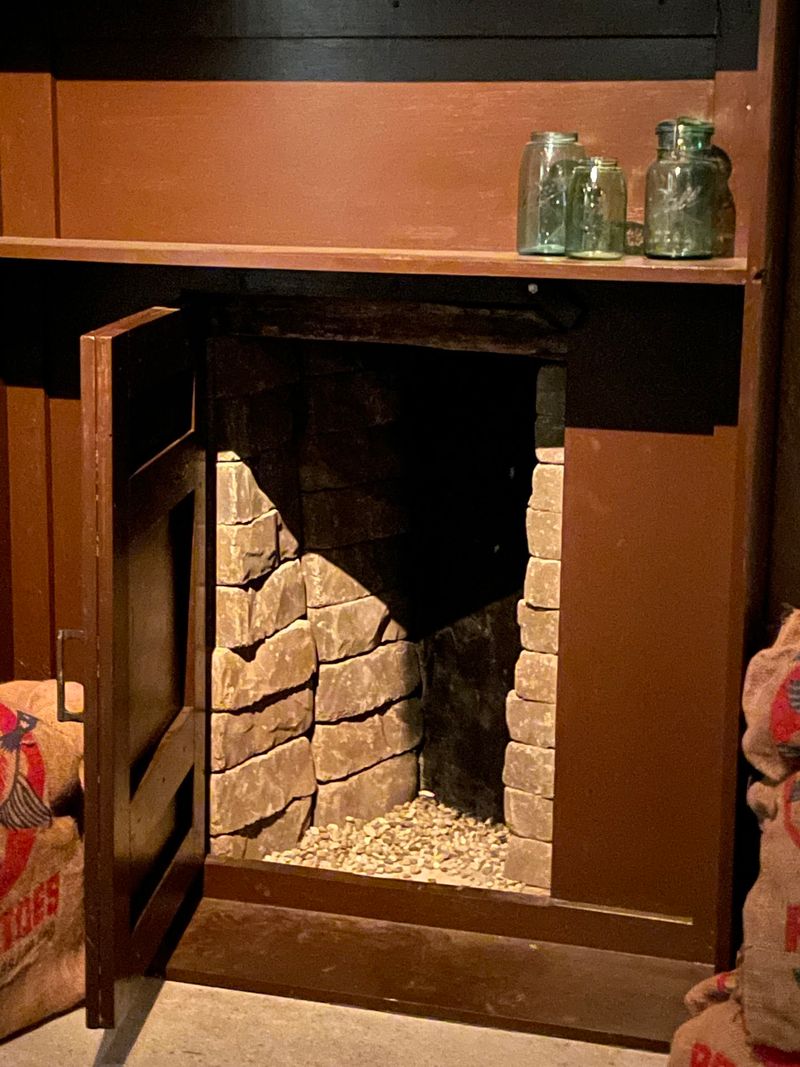
Hand-hewn logs, a stone fireplace, and a sleeping loft show how cramped frontier life really was. Families cooked, worked, slept, and raised children in a space smaller than many living rooms today.
Furnishings inside reflect the 1830s and 1840s, including rope beds, cast iron cookware, and simple wooden tools. Guides point out small details you might otherwise miss, like how the chinking between logs kept out winter wind.
What makes the cabin meaningful is its double role. It was part of the property’s early pioneer story and later became connected to its documented Underground Railroad history.
Kids usually love this stop because everything feels touchable and real, even though the artifacts stay protected.
Spend a few extra minutes here before heading back toward the main house. The contrast between the rough cabin and the tidy inn tells you a lot about how quickly this corner of Wisconsin changed.
Guided Tours Led By People Who Know The Details
Self-guided wandering is not really the point here. Guided tours are the main way to experience the site, though self-guided audio tours may also be available.
Guides at the Milton House Museum walk you through the inn, down into the basement, through the tunnel, and out into the log cabin. Along the way they answer questions, share dates, and explain how researchers pieced the story together.
The guided format means you can hear the details clearly and ask follow-up questions. You will find the address at 18 S Janesville St, Milton, WI 53563, right along the main route through town.
Tours usually last about an hour, though guides adjust the pace for younger visitors. Nothing feels rushed, and no one talks down to you.
Because the site is operated by the Milton Historical Society, the guides have plenty of local history to share. Their enthusiasm shows in the small stories they add between the major facts.
Arrive a few minutes early so you can look around the entry area first. Starting with a little context makes the rest of the tour land even better.
Rooms Filled With Everyday Objects From Another Era
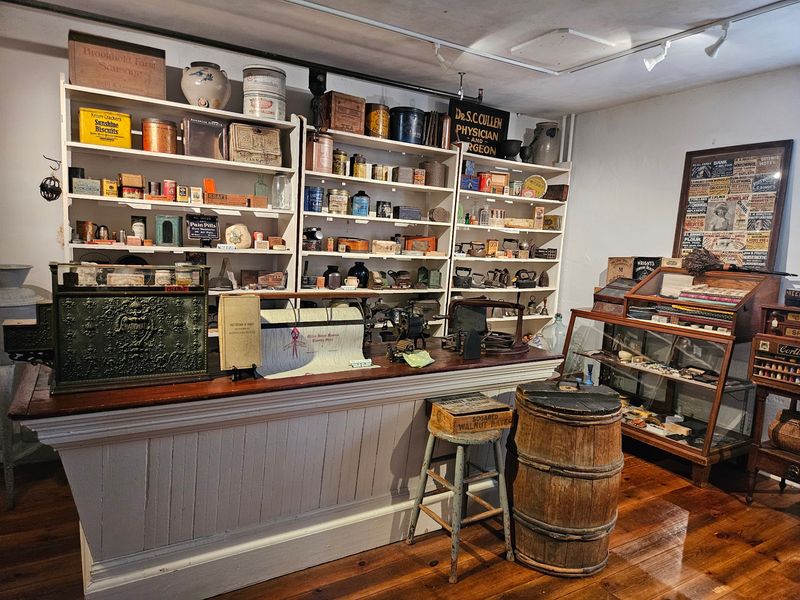
Artifacts here are not flashy treasures. They are the ordinary things people used to get through ordinary days, and that is exactly what makes them interesting.
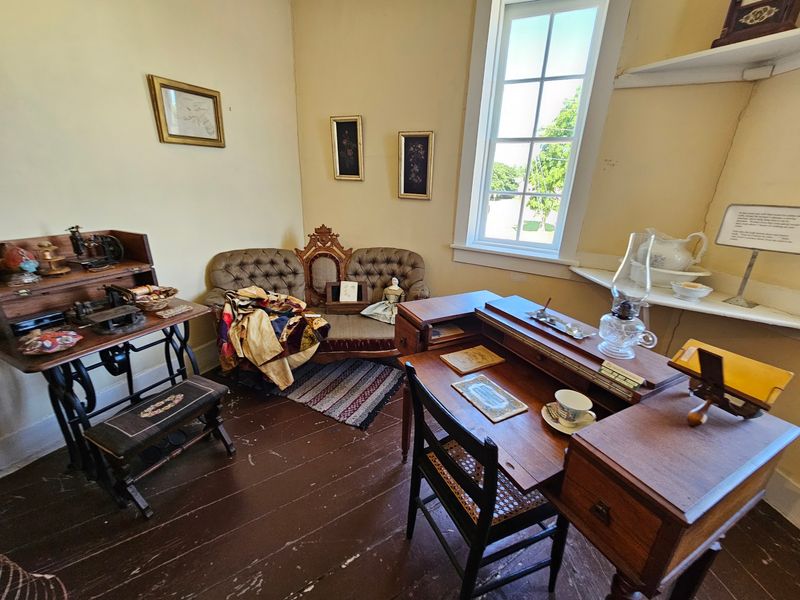
Inside the Milton House Museum you will see stagecoach era furnishings, kitchen equipment, quilts, farm implements, ledgers, and clothing. Displays are arranged room by room so objects stay connected to the spaces where they belonged.
The old dining room and kitchen areas give you a clear sense of how an inn fed travelers without refrigeration or running water. Look closely at the fireplace tools and the heavy iron cookware.
Other exhibits cover local history, including the growth of the town, early schools, and the families who shaped this part of southern Wisconsin. Photographs and documents add faces to the names.
A small gift area near the entrance carries books, local history titles, and souvenirs, and purchases help support the site.
You do not need any background knowledge to enjoy the collection. Labels stay readable, guides fill in gaps, and each room adds another layer to the story you started outside.
A Small Town Worth Exploring After Your Visit
Milton itself rewards a little extra time. The town grew up around the crossroads where the inn once welcomed travelers, and that history still shapes the streets you walk today.
Once your tour at the Milton House Museum wraps up, you can stroll past nearby historic buildings, including reminders of the college the Goodrich family helped establish. Bike trails run through the area and connect toward Janesville, which makes this a nice stop for cyclists.
Local bakeries, coffee shops, and casual restaurants sit within a short drive, so lunch is easy to sort out. Parks and green spaces give kids a place to burn off energy afterward.
What you notice most is the pace. Traffic is light, people say hello, and nothing feels crowded even on a pleasant weekend afternoon.
Rock County has several other small communities nearby, and combining a few of them makes for a satisfying day trip through this part of Wisconsin.
Plan for the museum first, then let the rest of the day unfold however you like. The town works best when you are not watching the clock.
Smart Tips For Planning Your Trip
A little planning goes a long way here. The museum offers tours year-round, but schedules and tour options change with the season, so check the current calendar before driving out.
During the current fall and winter season, guided tours require advance scheduling. Special events and programs can also affect availability, so confirming your visit ahead of time is a smart move.
Wear comfortable shoes with decent grip. You will handle stairs, uneven basement floors, and the tunnel itself, which stays cool and narrow year round.
Visitors who feel uneasy in tight spaces can skip the tunnel and rejoin the group afterward, and guides make that easy without any fuss. Strollers work better parked near the entrance than carried through the lower level.
Groups and school classes should reserve in advance so staff can plan properly. Photography rules are straightforward, and guides will tell you what is allowed.
Budget at least an hour for the tour, plus time to browse afterward. Give yourself a little extra time before or after the tour so you do not have to rush through the site.
Why This Stop Sticks With You Long After
Plenty of museums tell you about the past. Very few let you crouch through a tunnel that people once used to reach safety.
The Milton House Museum manages something unusual by combining rare architecture, a preserved frontier home, and a documented Underground Railroad site on one small property. Each piece supports the others, which is why the visit feels complete rather than scattered.
Volunteers and staff keep the buildings standing, the research current, and the storytelling honest. That effort shows in how carefully they present difficult chapters of American history.
You leave with a clearer sense of what courage looked like in the 1840s, and how much depended on regular families making hard choices.
Bring the kids, bring visiting relatives, or come on your own during a drive across southern Wisconsin. The tour can appeal to a wide range of visitors, and the hour passes quickly.
Small towns often hold bigger stories than their size suggests, and this one proves the point better than most. Put it on your calendar, give yourself an unhurried morning, and let the guides do the rest.