
This Tennessee Goat Dairy Turns Pasture-Raised Milk Into Creamy Artisan Cheese
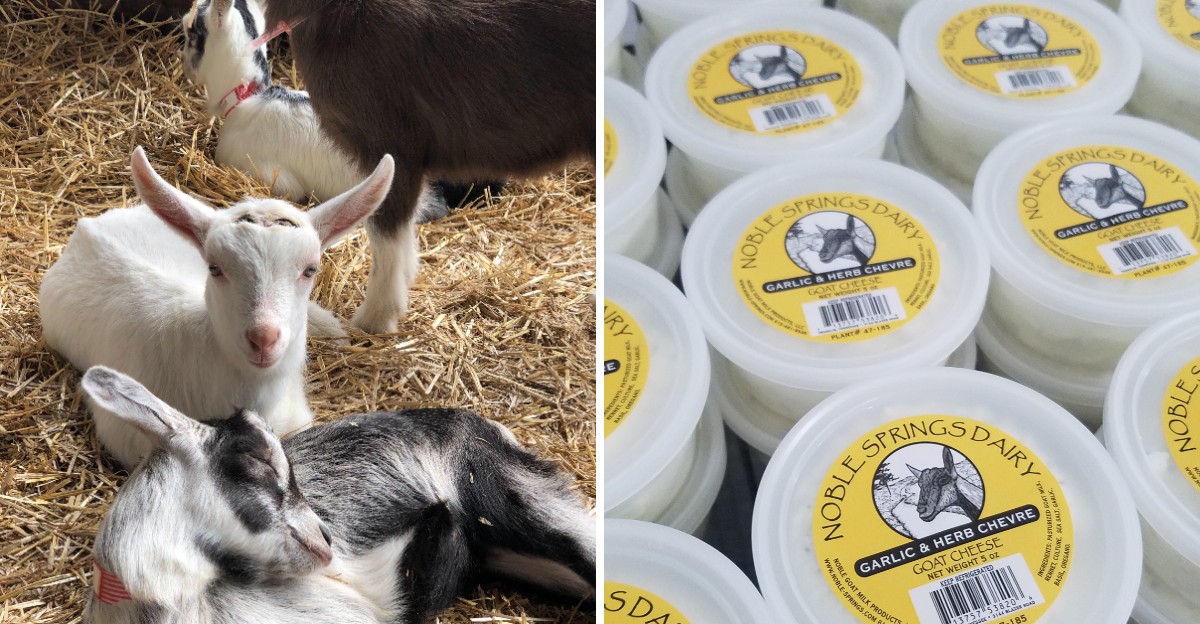
Most cheese starts with milk. Here, the story starts much earlier, out in the pasture with a herd of goats and a dairy that keeps a close eye on every part of the process.
This Tennessee farm turns fresh goat milk into creamy artisan cheese with a texture and flavor that feel far removed from anything sealed in plastic at the grocery store.
The goats spend their days grazing, the milk stays close to home, and the cheese is made with the kind of care you can taste right away.
There is something satisfying about seeing where your food actually comes from. A visit here brings that whole process into focus, especially when you realize how much work goes into a single wheel or tub of cheese.
If you have ever wondered what truly fresh goat cheese tastes like, this is a good place to start.
A Working Farm With Springs, Valleys And A Promise
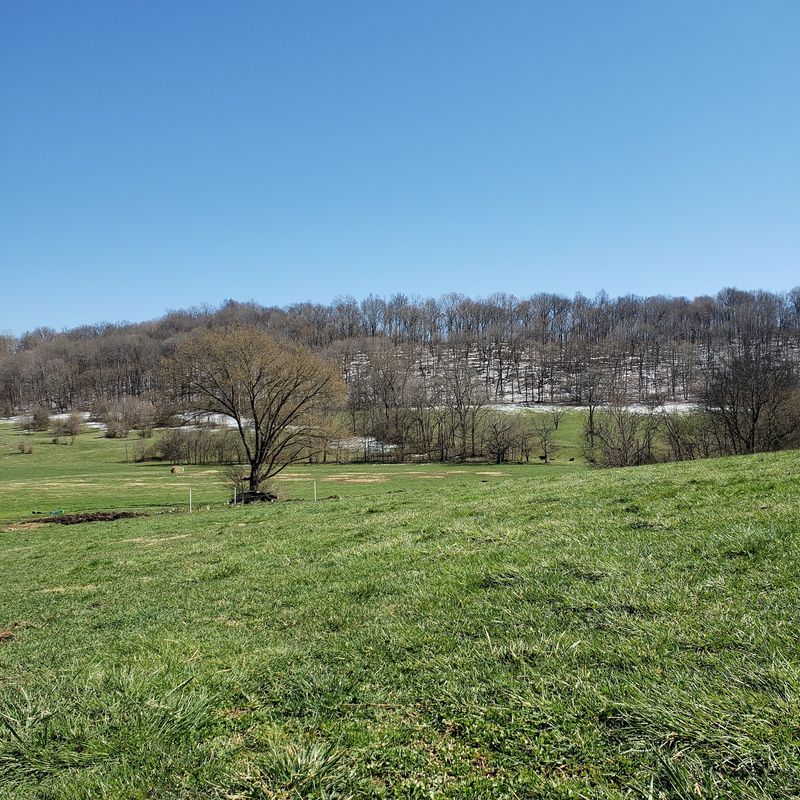
Geography does a lot of quiet work here. The property spreads across several valleys and includes natural springs, giving the farm a landscape that feels surprisingly rural so close to town.
Noble Springs Dairy sits about six miles from downtown Franklin, close enough for an easy morning drive. The address is 3144 Blazer Rd, Franklin, TN 37064, on a stretch of road that feels far removed from traffic.
What makes the land extra special is a promise attached to part of it. A conservation easement held by The Land Trust for Tennessee protects 55 acres within the larger 233-acre tract.
That agreement permanently limits development and subdivision on the protected land.
Williamson County has grown quickly over the past decade and a half. Its population increased substantially between 2010 and 2025, while development pressure has become a growing concern for landowners trying to preserve large rural properties.
Walk the pastures and the logic clicks into place. The goats have room to browse natural forage across the farm, with pasture grazing playing a major role in how the dairy raises its herd.
The farm credits that grazing, along with the care given to its animals, with helping create the distinct flavor of its cheeses. Milk produced on the property goes directly into the dairy products made there.
Open pasture, natural forage, and careful animal management sit at the heart of the operation. The owners have long emphasized that healthy, well-cared-for goats are the foundation for quality milk.
Consider the setting part of the recipe. The connection between pasture, goats, milk, and cheese is especially clear here, which is part of what makes farmstead cheese so interesting.
How A Shared Love Of Dairy Goats Became A Family Farm
A dairy allergy in the family started all of this. Dustin Noble was introduced to goat milk as an infant, and by elementary school he was raising registered dairy goats of his own.
Justyne came to goats through a different route. Growing up in Kansas, she raised dairy goats as a 4-H project and kept pursuing that interest as she got older.
Their paths crossed in 2003 at the American Dairy Goat Association National Show in Des Moines, Iowa. A shared passion for raising and showing dairy goats eventually grew into a life and business together.
By 2009, the hobby had become something much bigger. Noble Springs Dairy was licensed that year as a Grade A goat dairy and artisan goat cheese operation.
Between them, Dustin and Justyne bring decades of experience with dairy goats. Both started working with the animals as children, long before the creamery became a business.
Their philosophy stays refreshingly simple. Care for the animals sits at the center of the operation, and the farm credits that attention along with pasture grazing for the quality and flavor of its milk and cheese.
The farm has raised Alpine, Saanen, Toggenburg, and Nubian goats. Visitors also get to meet other farm animals during tours, adding more than a little personality to the experience.
Tours go well beyond simply seeing the goats. Visitors can learn about the animals, see the milking parlor and cheesemaking facility, and get a closer look at how the dairy operates.
More than 15 years after the dairy was licensed, the family is still raising goats, making cheese, and welcoming visitors to learn how the whole process works.
Goats That Get To Be Goats
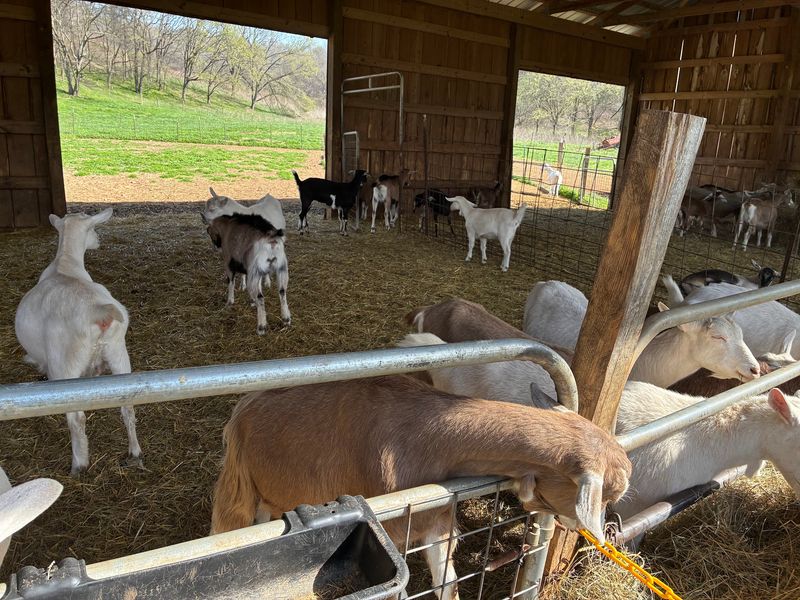
Ask any cheesemaker where flavor starts and the answer points to the animal. At this Franklin farm, goats browse freely across rolling pastures rather than standing in a barn.
Their diet comes entirely from natural forages found on the land. Goats prefer brush, weeds and leafy growth over plain grass, and they get plenty of choice here.
Browsing suits their nature. It keeps them busy, keeps them healthy, and keeps the pastures from growing wild.
Four different breeds share the hillsides, each with its own build and personality. Watching them sort out who gets the best branch is genuinely entertaining.
Milking happens twice a day, early and late, every single day of the season. Dairy goats do not take weekends off, and neither do their people.
The pasture-raised approach shows up in the milk itself. Flavors shift subtly with the seasons because the forage shifts too.
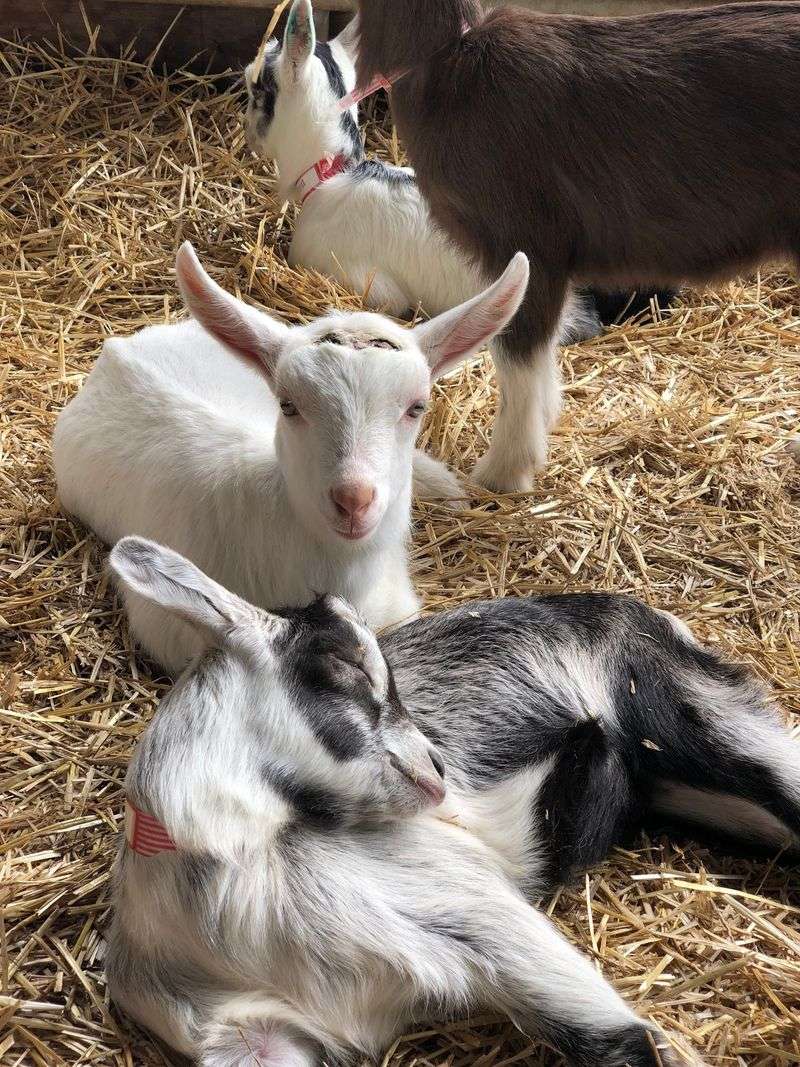
Kids arrive in bunches during kidding season, which explains the farm’s reputation. Baby goats bounce off hay bales like popcorn in a pan.
Fun fact for the curious: goats have rectangular pupils, giving them a wide field of vision. Handy when you spend your day browsing open hillsides.
Content animals, honest milk. The system is old-fashioned and it works.
Slow Pasteurizing, Small Vats, Dutch Lessons
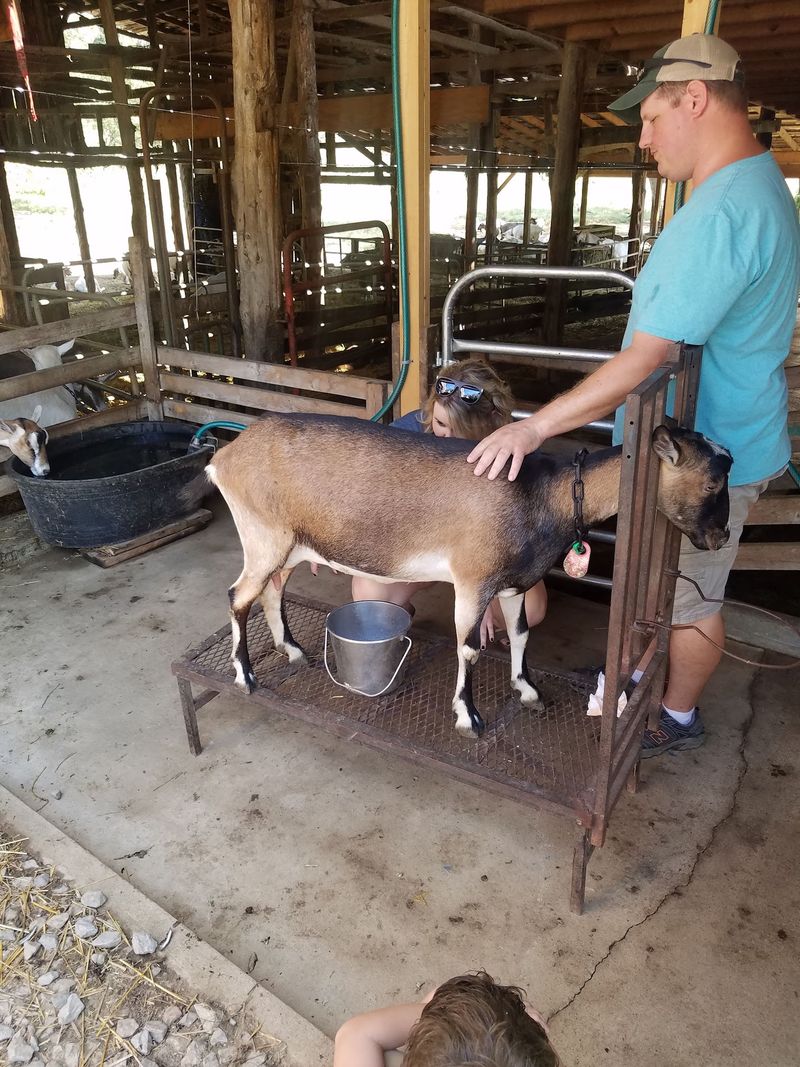
Here is a detail cheese lovers appreciate. The milk at Noble Springs Dairy is slow pasteurized at 145 degrees in small vats, never rushed through high heat.
It also never gets mechanically homogenized. Leaving the milk structure intact helps the finished cheese keep a softer, rounder texture.
Small batches mean more hands-on attention. Temperature, timing and acidity all get watched closely, because a few minutes can change the result.
The technique did not come from a textbook alone. The Nobles learned their cheesemaking from a Dutch cheesemaker, which explains the European precision behind the recipes.
Milk travels a very short distance from udder to vat. That freshness is the advantage every farmstead creamery has over large processors.
Tours include a look at both the milking parlor and the cheese facility. Seeing the two rooms side by side makes the whole chain obvious.
Curd forms, whey drains, and fresh chevre takes shape within a day. Aged cheeses like cheddar and Gouda wait patiently for months.
Practical tip: taste the plain chevre first when you shop. A clean, mild, slightly tangy flavor tells you the milk handling was done right.
Craft at this scale is labor intensive. It also tastes noticeably different, which is exactly why people keep driving out.
Chevre In A Rainbow Of Flavors
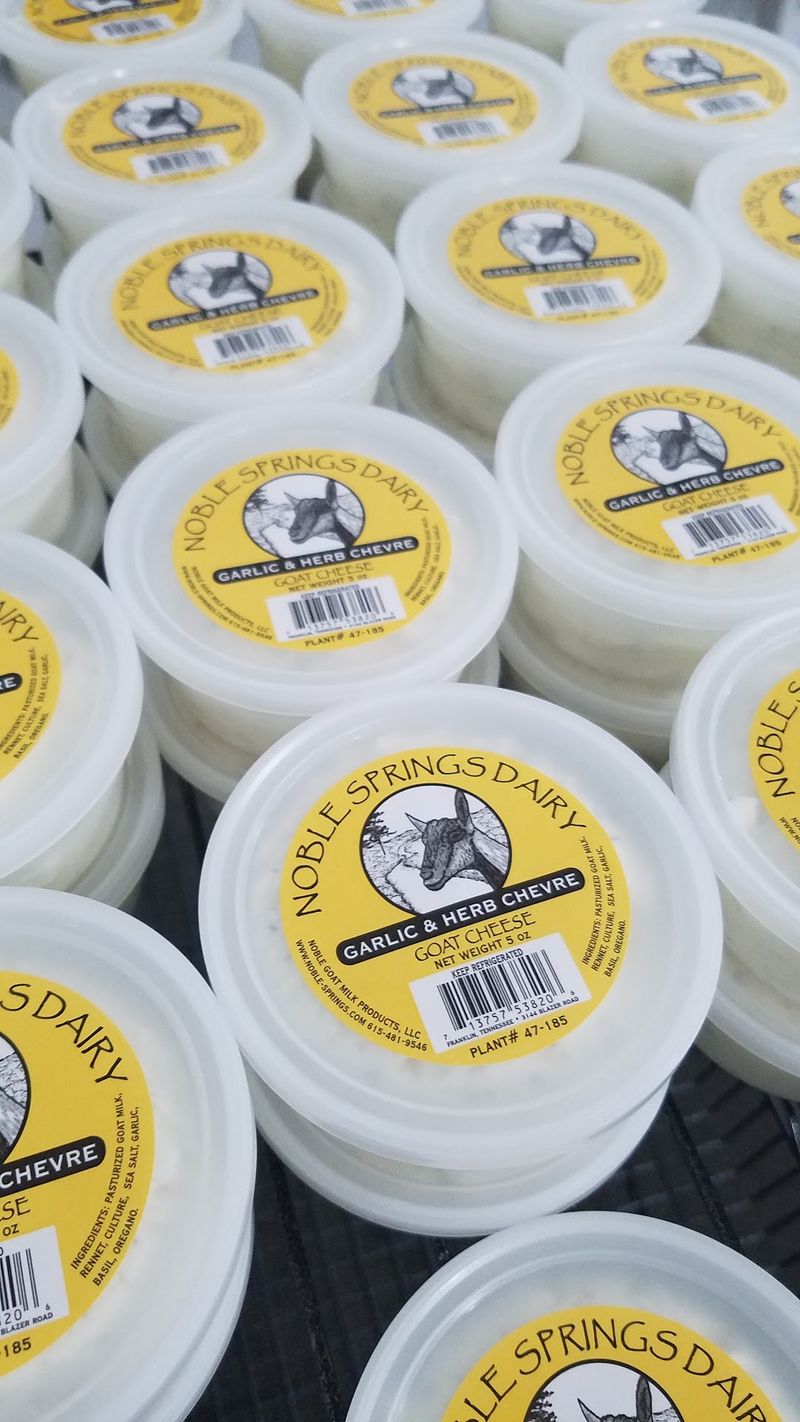
Chevre is the headliner, and it arrives in two personalities. One version spreads easily on a cracker, the other holds together as a firmer log for slicing.
Flavor options run long. Garlic herb, sun-dried tomato and basil, garlic dill, peppercorn, pimento and plain cover the savory side.
Sweet fans have plenty to choose from too. Cherry berry and cranberry honey both lean dessert-friendly without becoming sugary.
There is a Santa Fe blend for anyone who likes warmth, plus a Nashville hot version that nods to the city up the road. Tennessee heat, in cheese form.
Fresh goat cheese is wildly flexible in a kitchen. Crumble it over roasted vegetables, stir it into warm pasta, or spread it on toast with honey.
A good trick is temperature. Let chevre sit out for fifteen minutes before serving and the flavor opens up considerably.
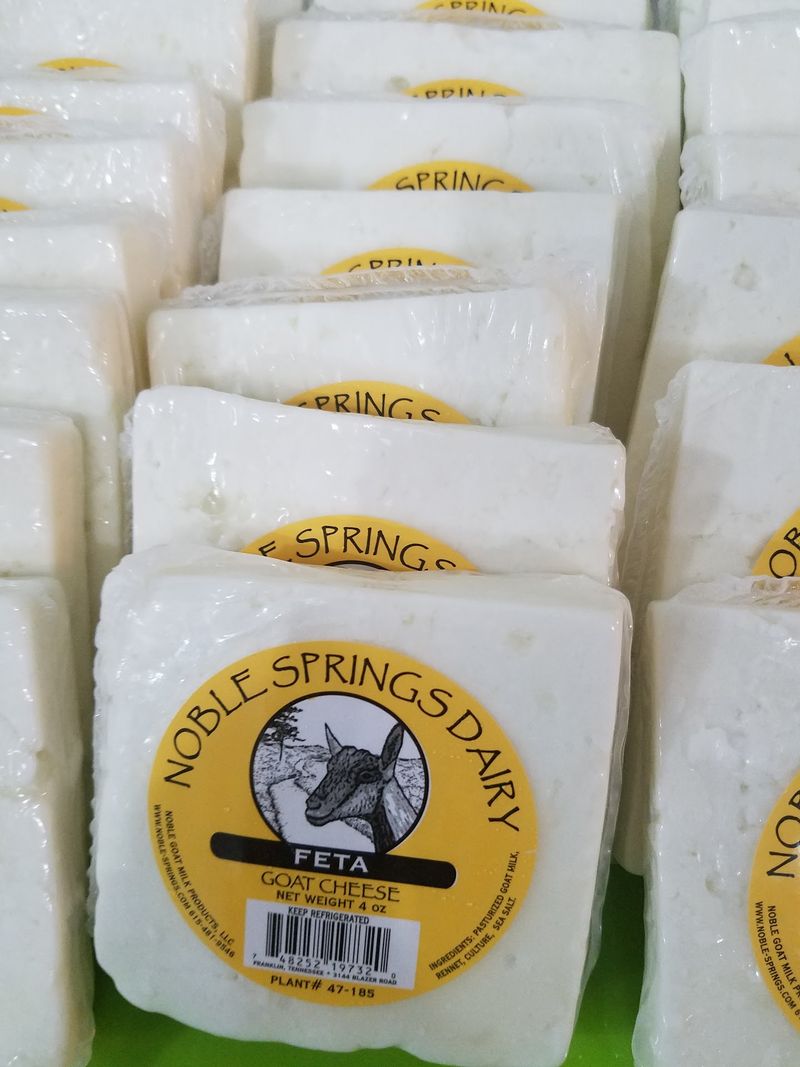
Beyond chevre, the creamery makes a Greek-style feta aged in brine for a salty, tangy bite. Cheddar and Gouda fill out the aged shelf.
Chocolate fudge made with goat milk sells briskly, and goat milk soaps make easy gifts. Nothing goes to waste. Build a board with two or three flavors. Comparing them side by side is half the fun.
Saturday Tours, Baby Goats And Muddy Boots
Mark your calendar for Saturday, because that is the day the gates open. Hours run 10 AM to 1 PM, and the guided tour usually starts at 11 AM.
The short window makes sense. A working dairy has chores, and milking does not reschedule itself.
Tours cost about twelve dollars per person and cover a lot of ground. Expect the milking parlor, the cheese room, farm facts and plenty of animal time.
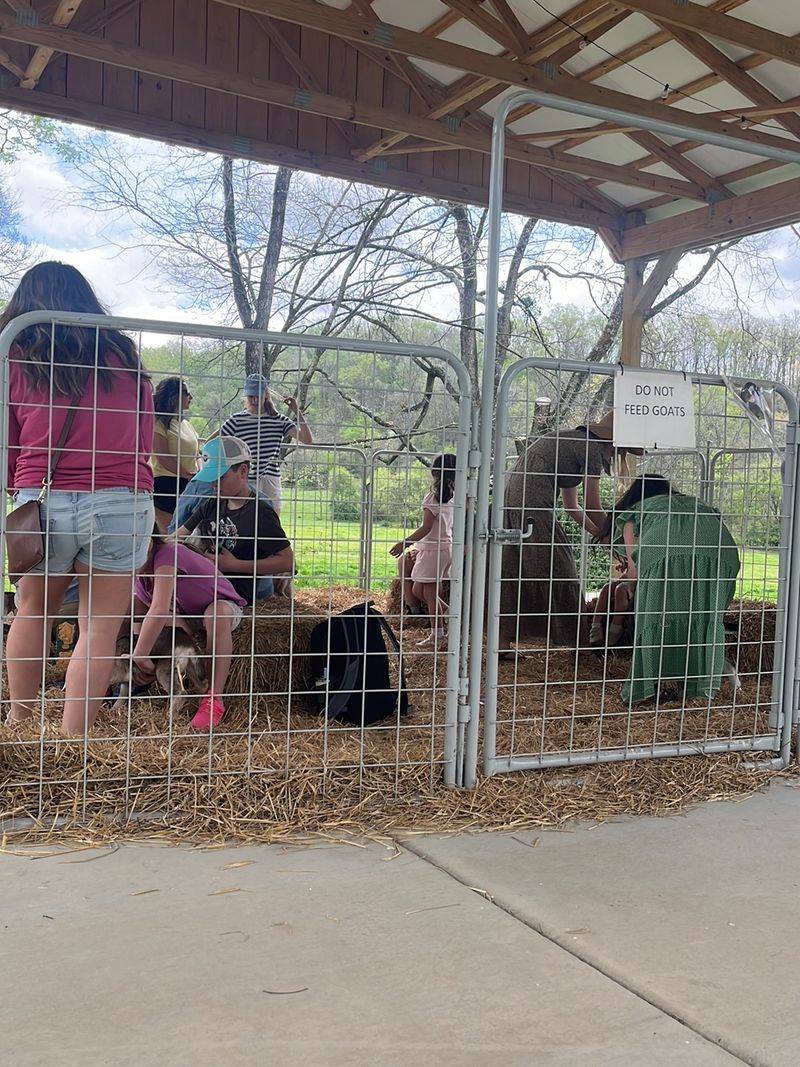
Baby goat cuddling is the moment most people come for. Sitting in the pen while kids climb into your lap is an experience that needs no explanation.
Goats share the spotlight with cows, chickens and pigs. Farm dogs wander through, generally unbothered by the attention.
Practical advice: wear closed shoes you do not mind getting dirty. Parking is on farm ground, so rain can make things soft.
Restrooms and handwashing stations are available on site. Picnic tables exist but are limited, so plan seating accordingly.
Save time at the end for shopping. Cheese, fudge and soap are all right there, and walking out empty-handed rarely happens.
Learning Where Food Actually Comes From
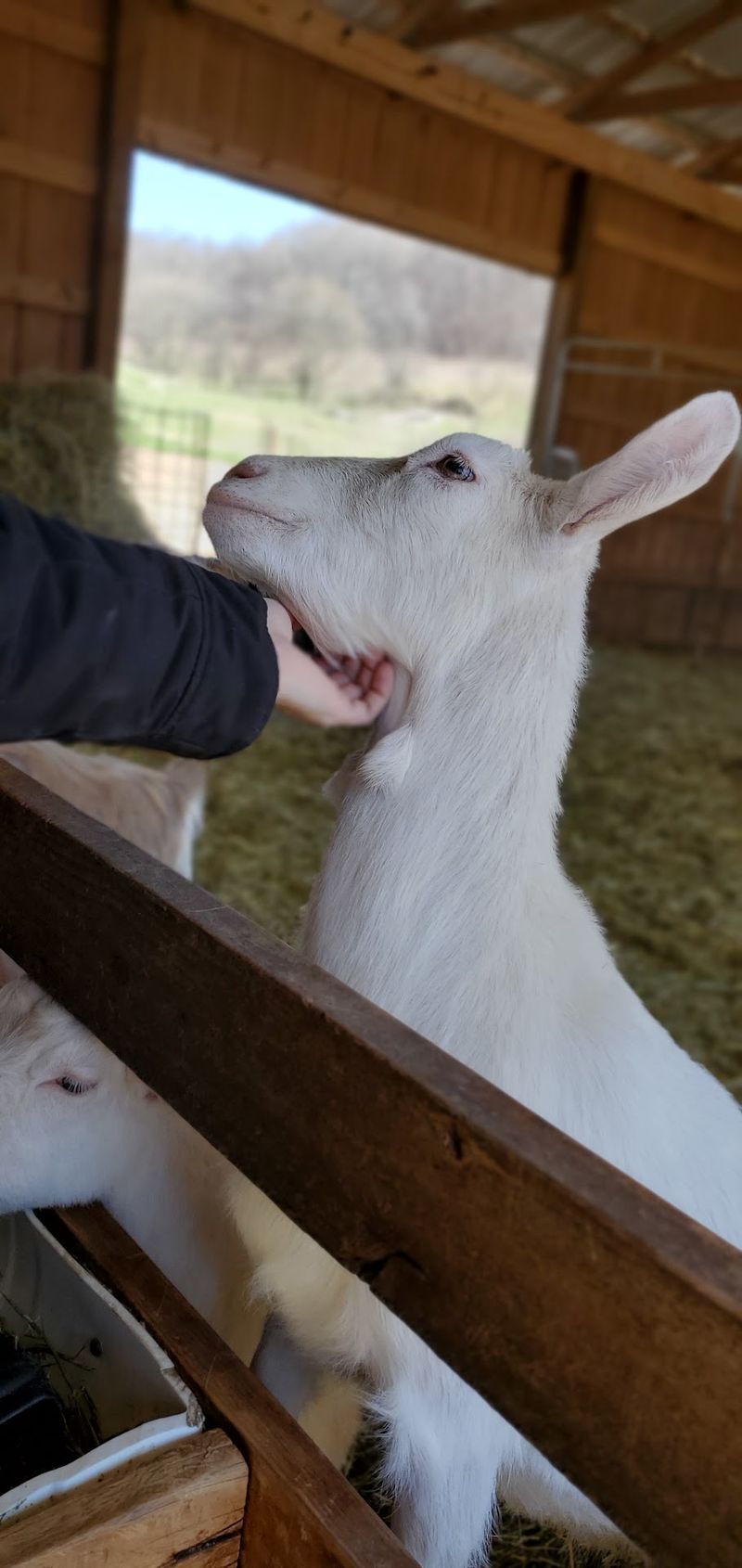
Education sneaks up on you here. What starts as petting baby goats turns into a real lesson about milk, cheese and daily farm work.
Tours suit all ages, and the explanations adjust to the crowd. Kids get hands-on moments while adults get the technical details.
You see the sequence in order. Animals browse, milk gets collected twice daily, the creamery transforms it, and the finished cheese lands on a shelf.
That clarity is rare. Most food reaches us with no visible story attached to it.
The daily labor becomes obvious fast. Twice-daily milking, herd health, pasture management and cheesemaking all happen on the same property.
People who work in food often leave with new respect. Understanding how much effort a single log of chevre requires changes how you eat it.
Noble Springs Dairy also supplies restaurants and shops around Nashville. Spotting the name on a menu later feels like running into a friend.
Bring questions. The owners answer them directly, and there is no script being recited.
For families, the value is hard to beat. A morning outdoors, real animals, and a genuine agricultural lesson wrapped into one stop. Curiosity is the only thing you need to pack. The farm handles the rest.
Planning A Perfect Franklin Day Around It
Timing turns a good outing into a great one. Arrive near opening at 10 AM on Saturday, enjoy the animals, then join the 11 AM tour.
Downtown Franklin sits just six miles away with its historic main street. Pair the farm with a stroll through town and the day fills itself.
Spring is prime season for baby goats, though the farm stays lively year round. Cooler months bring quieter pastures and easier parking.
Bring a cooler if you plan to buy cheese. Fresh chevre and feta travel best kept cold, especially in a Tennessee summer.
Cash is not required, but a shopping plan helps. Popular flavors move quickly during busy weekends.
Photographers should pack a camera rather than relying on a phone. Green hills, spring-fed valleys and curious goats make easy subjects.
Noble Springs Dairy rewards the unhurried. Lingering by the fence watching goats browse is a fine use of a morning.
Small farms like this one keep Tennessee agriculture alive and delicious. Supporting them costs little and tastes wonderful. Head home with fudge, soap and a few cheeses. Then start planning the next Saturday.