
This Wisconsin Farm Lets You Meet Alpacas Up Close And The Experience Is Impossible To Forget
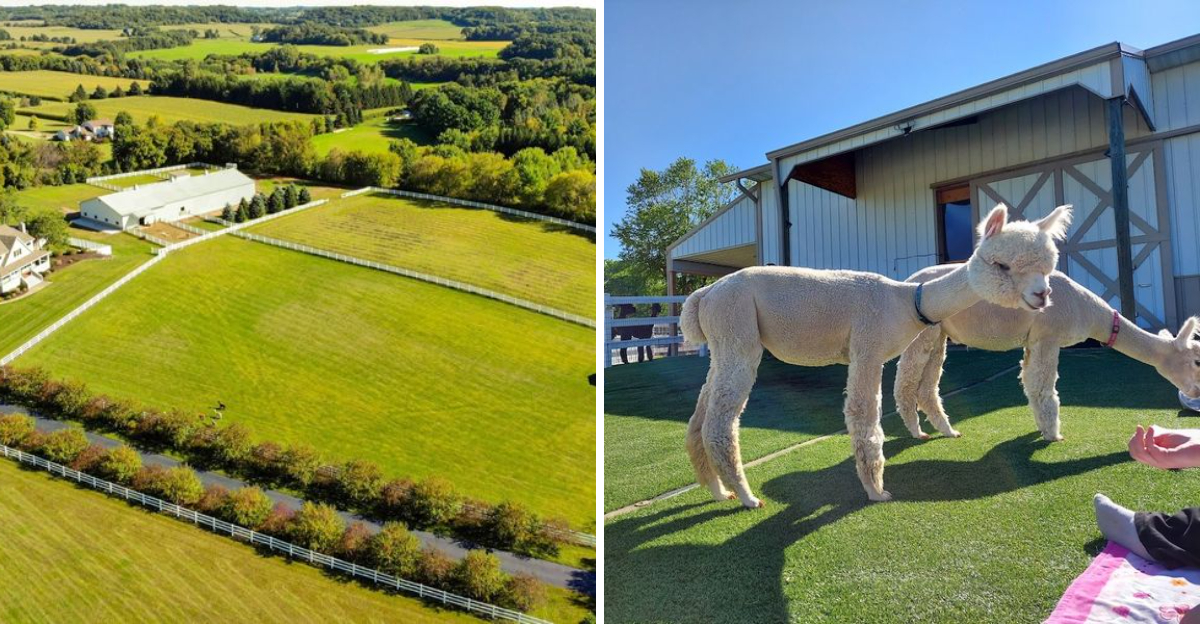
Not every animal encounter needs glass walls, roped-off paths, or a quick wave before moving along. Wisconsin has a farm experience where visitors can slow down, step closer, and actually meet the animals face to face.
Alpacas bring the funny haircuts and gentle curiosity, while goats add plenty of silly energy. Kids get wide-eyed fast, but adults usually melt just as quickly.
A handful of feed can turn into a full conversation with a furry new friend. The best part is how relaxed it feels.
No rushed schedule, no overdone attraction vibe, just real farm charm with animals that make the day feel lighter. Bring comfy shoes and expect a few happy laughs.
The Farm Raises Award-Winning Alpacas In River Falls
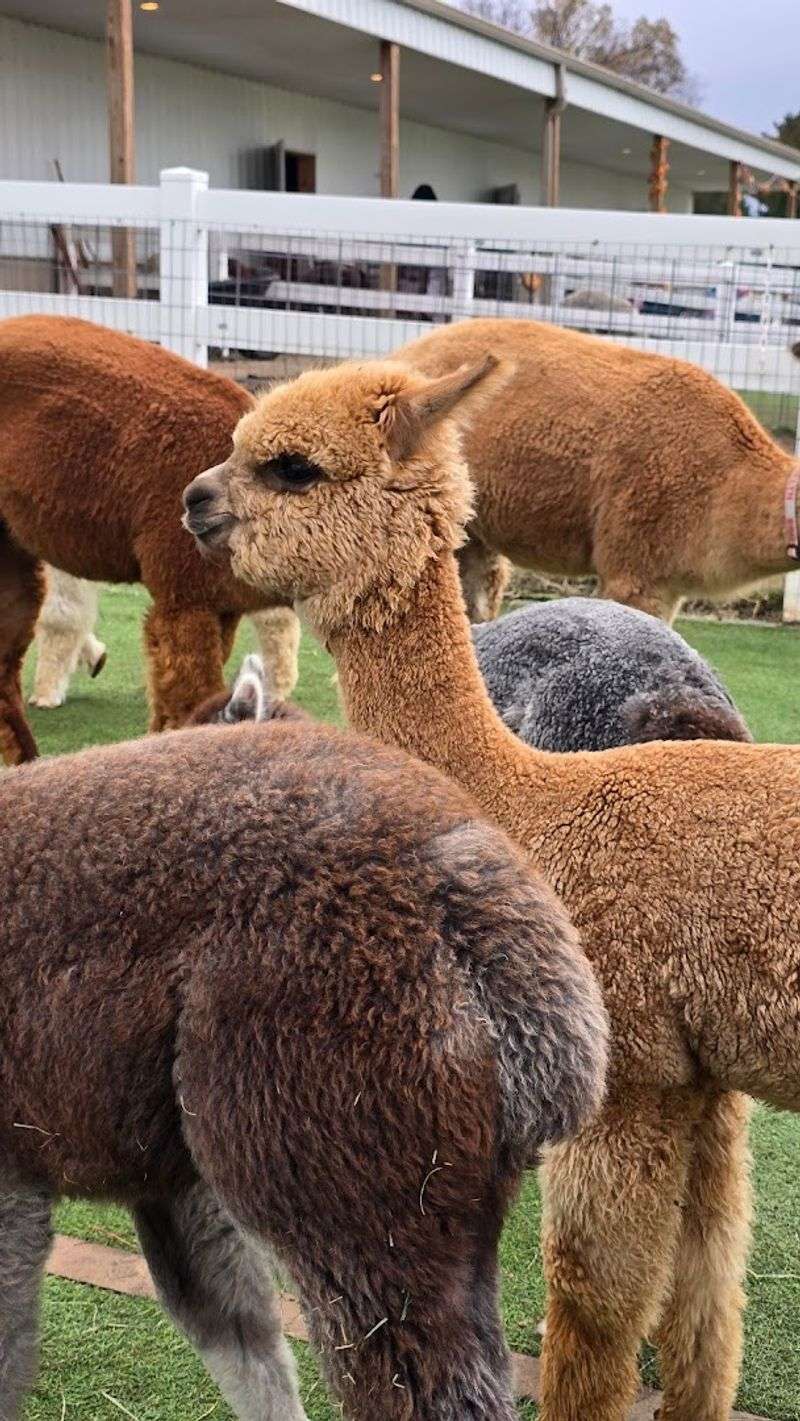
Eagle Eye Farm has become known throughout the region for raising alpacas that meet high breeding standards. The animals here display the qualities that judges look for: strong conformation, healthy fleece, and calm temperaments that make them excellent representatives of the breed.
Alpaca breeding requires patience and knowledge. The farm invests in quality genetics and careful selection, which shows in the animals visitors encounter during their time on the property.
These award-winning alpacas serve as ambassadors for the species. Their presence helps educate the public about what makes a quality alpaca, from fiber characteristics to body structure.
Guests learn that alpacas are more than just adorable faces; they are livestock with specific standards and purposes.
The farm takes pride in maintaining animals that excel in both show quality and visitor interaction. This dual focus creates an environment where education and experience meet, giving guests insight into the world of professional alpaca farming.
Visitors Can Get Close To Multiple Alpaca Pens
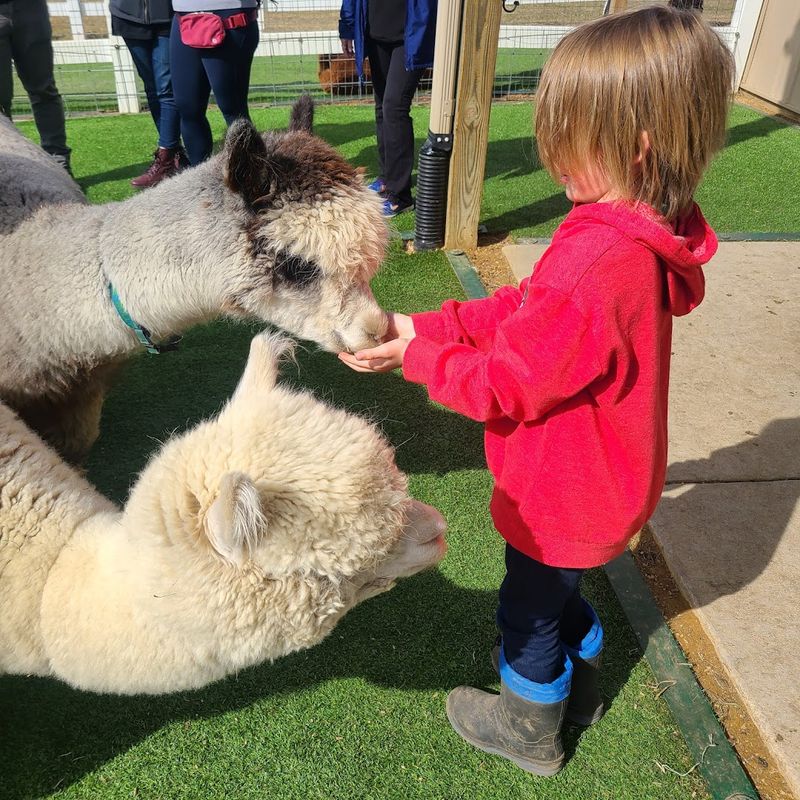
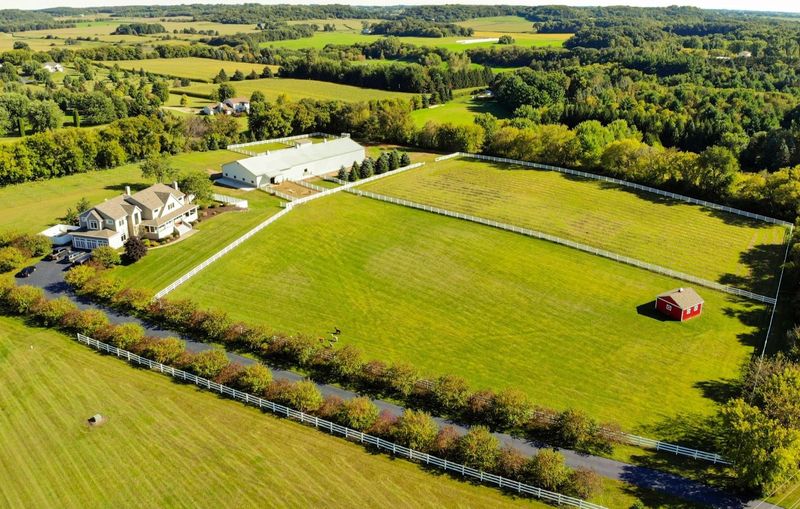
Most farms keep visitors at a distance, but Eagle Eye Farm opens the gates. Guests walk directly into the pens where alpacas live, creating interactions that feel immediate and real rather than staged or distant.
Multiple pens across the property house different groups of alpacas. This setup allows visitors to meet various animals with different ages and personalities.
Some pens hold the more social individuals who eagerly approach newcomers, while others house younger or more reserved alpacas.
The farm layout encourages exploration. Visitors move from one pen to another at their own pace during self-guided tours, spending extra time with animals that capture their interest.
The experience feels less like a zoo visit and more like stepping into the daily rhythm of farm life.
Safety remains a priority throughout. The pens are designed to allow close contact while maintaining appropriate boundaries.
Staff members are available to answer questions and ensure that both visitors and animals remain comfortable during these unique encounters.
The Guided Tour Explains What Makes Alpacas So Special
Knowledge transforms a pleasant visit into something memorable. The guided tours at Eagle Eye Farm provide context that helps visitors understand what they are seeing and experiencing with the alpacas.
Tour guides share information about alpaca biology, behavior, and the role these animals play in agriculture. Guests learn about fiber production, herd dynamics, and the differences between alpacas and their llama cousins.
The guides answer questions that range from basic curiosity to detailed inquiries about breeding and care.
These tours are led by staff members who work with the animals daily. Their familiarity with individual alpacas adds personality to the information they share.
They can point out specific animals and explain their quirks, histories, and places within the farm community.
The guided experience works particularly well for first-time visitors who want structure and expertise. The investment in a guided tour pays off in understanding, making the entire farm visit richer and more meaningful than simply wandering through pens.
Guests Can Feed Alpacas During Their Visit
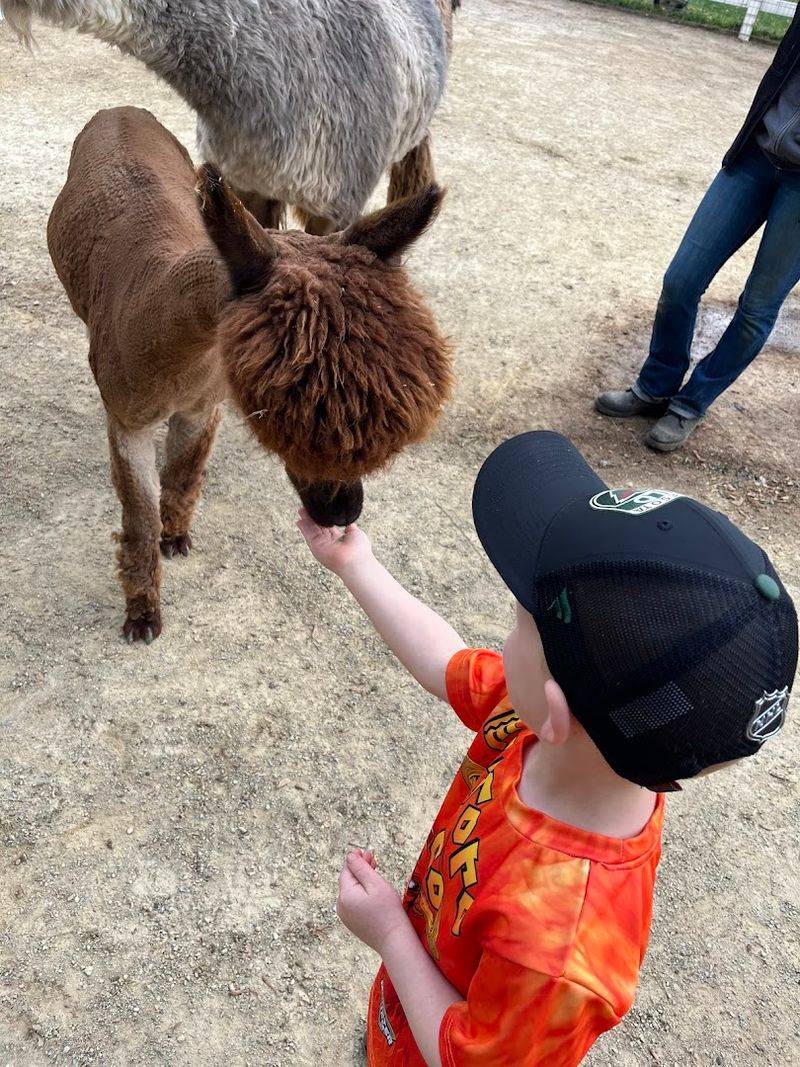
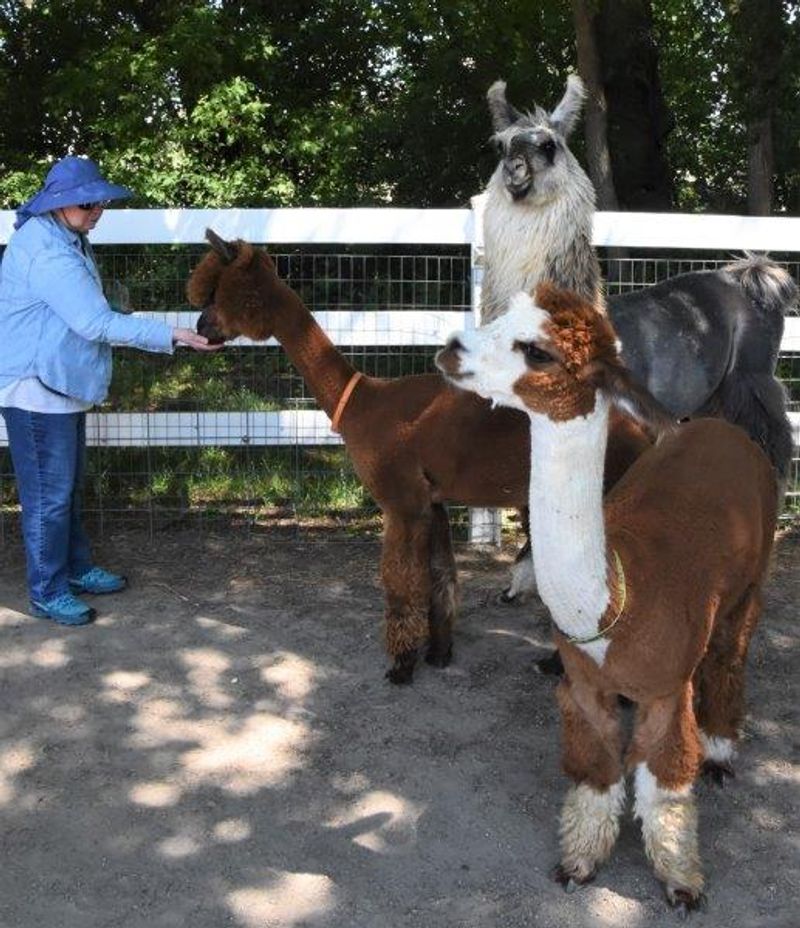
Feeding animals creates connection. Eagle Eye Farm sells cups of feed that allow visitors to interact with alpacas in a way that breaks down the usual human-animal distance.
The feed cups are generous in size, providing enough to share with multiple animals across different pens. Alpacas recognize the cups immediately and gather around visitors holding them, their curiosity and appetite making them bold and engaging.
For children especially, feeding time becomes the highlight of the visit. The gentle way alpacas take food from outstretched hands creates a tactile memory that lasts long after the trip ends.
Even adults find themselves laughing at the eager faces and soft noses that bump against their palms.
The farm has designed this feeding experience to be safe and enjoyable. The animals are accustomed to the routine, and their behavior around food remains predictable.
This allows guests to relax and enjoy the interaction without worry, focusing instead on the simple pleasure of connecting with these intelligent creatures.
Each Alpaca Has Its Own Personality
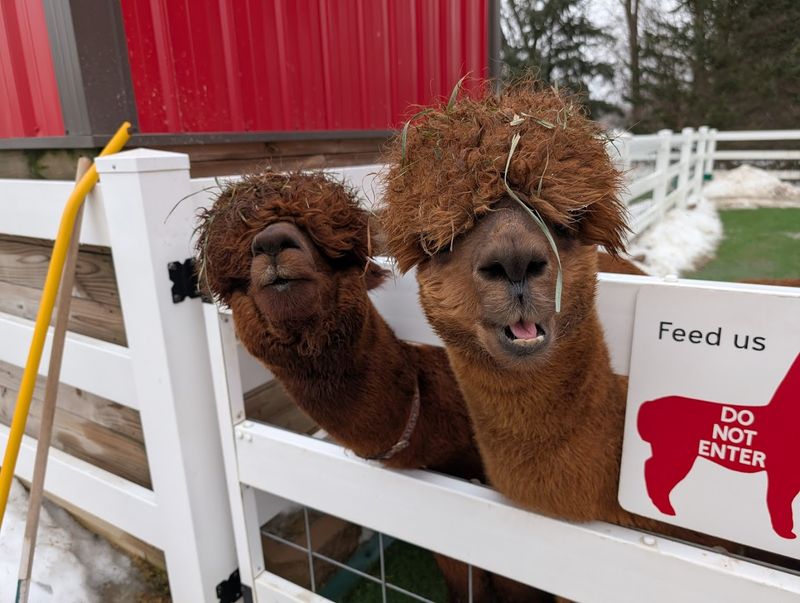
Spending time at Eagle Eye Farm reveals a truth that surprises many visitors: alpacas are individuals. Each animal displays distinct behaviors, preferences, and ways of interacting with humans and other alpacas.
Some alpacas approach visitors immediately, confident and curious about newcomers. Others hang back, observing from a distance before deciding whether to engage.
A few become known for specific behaviors, like the animals that gently investigate pockets or the ones that prefer scratches in particular spots.
The farm staff knows these personalities well. They can introduce visitors to specific alpacas by name and describe what makes each one unique.
This personal knowledge adds depth to the experience, transforming the animals from generic farm creatures into memorable characters.
Recognizing individual personalities changes how visitors perceive alpacas. These are not simply decorative livestock but thinking animals with preferences and moods.
That realization often marks the moment when a casual farm visit becomes something more meaningful and lasting.
The Farm Turns Alpaca Fleece Into Cozy Products
Alpacas are raised for their fleece, and Eagle Eye Farm completes the full cycle from animal to finished product. The farm processes fiber from their own alpacas into items that visitors can purchase and use.
Alpaca fiber has qualities that make it valuable: warmth without excessive weight, softness that feels luxurious, and durability that outlasts many other natural fibers. The farm creates products that showcase these characteristics, from socks and ear warmers to yarn for fiber enthusiasts.
Purchasing these items connects visitors to the animals they met during their tour. The socks they wear or the yarn they knit came from specific alpacas, adding personal meaning to functional objects.
This connection between product and producer has become rare in modern commerce.
The farm store displays these products alongside information about the fiber and its properties. Staff members can explain the process from shearing to finished item, helping visitors appreciate the work and skill involved in transforming fleece into something wearable and beautiful.
The Farm Store Is Worth Browsing Before You Leave
The farm store serves as both entrance and exit point for most visits. Taking time to browse reveals products and items that extend the farm experience beyond the pens and pastures.
Beyond alpaca fiber products, the store carries farm-fresh eggs, stickers, and various items that make suitable gifts or personal mementos. The selection reflects the farm identity, focusing on quality over quantity and choosing products that align with the agricultural mission.
Shopping here supports the farm directly. Every purchase contributes to the care of the animals and the maintenance of the property, making it a practical way for visitors to invest in the experience they enjoyed.
The store atmosphere remains relaxed and welcoming. Staff members are happy to discuss products and answer questions without pressure.
Visitors can take their time examining items, reading labels, and deciding what might work best for their needs or the needs of people back home who would appreciate a piece of farm life.
Alpacas Are Only Part Of The Animal Fun
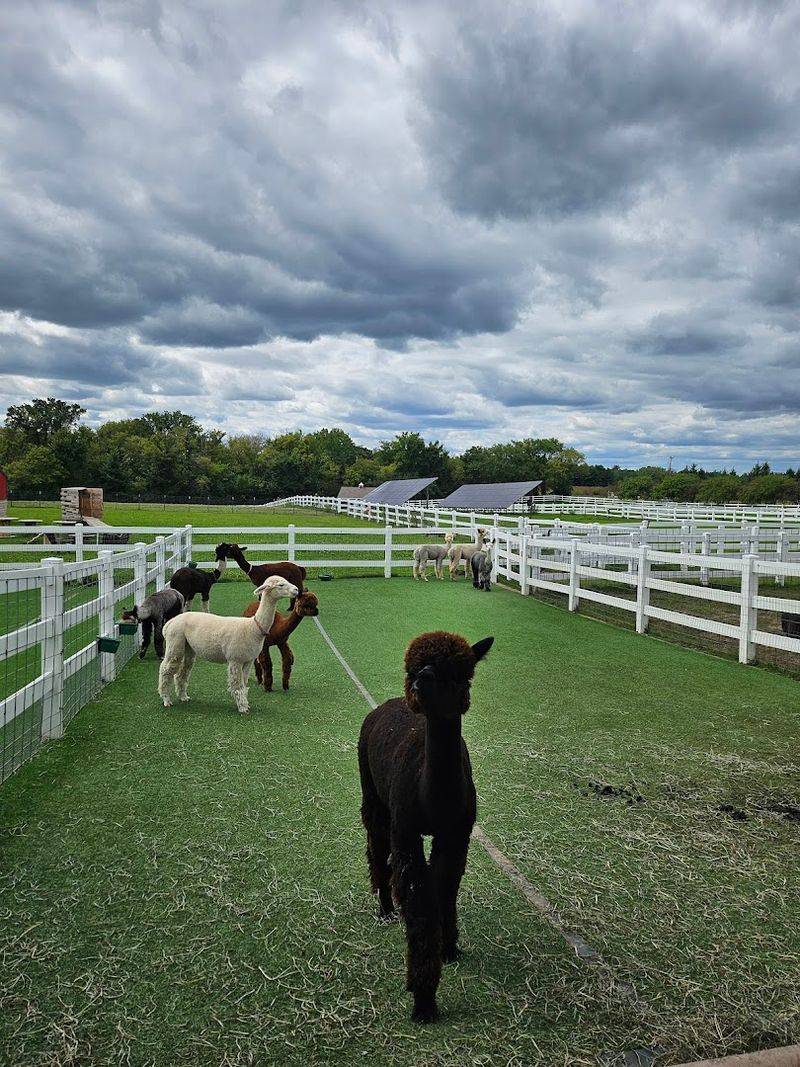
Eagle Eye Farm houses a menagerie that extends well beyond alpacas. Visitors encounter goats, Highland cows, pigs, chickens, sheep, donkeys, and even more unusual residents like porcupines, kangaroos, and an armadillo named Nugget.
This variety keeps the experience fresh and engaging. After spending time with alpacas, guests can move to the pygmy goat area, where playful animals are known to climb on willing participants.
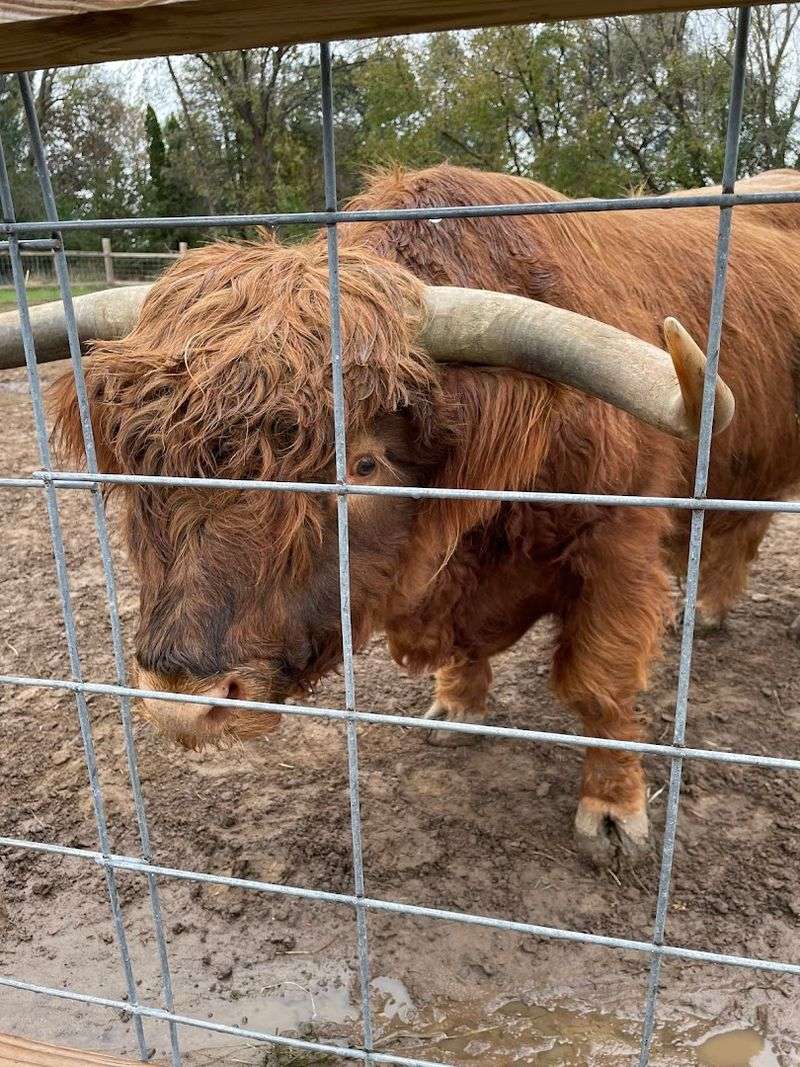
Highland cows offer a different aesthetic entirely, with their long horns and shaggy coats creating dramatic photo opportunities.
The barn houses additional animals that provide indoor viewing options. Visitors can observe porcupines up close during special encounters, meet rabbits, and discover creatures they might not expect to find on a Wisconsin farm.
Each animal adds its own element to the overall experience.
This diversity makes Eagle Eye Farm appealing to a broad audience. Animal lovers find variety that holds their interest, while families appreciate having multiple attractions to keep children engaged throughout the visit.
Alpaca Yoga Adds A Playful Twist To The Visit
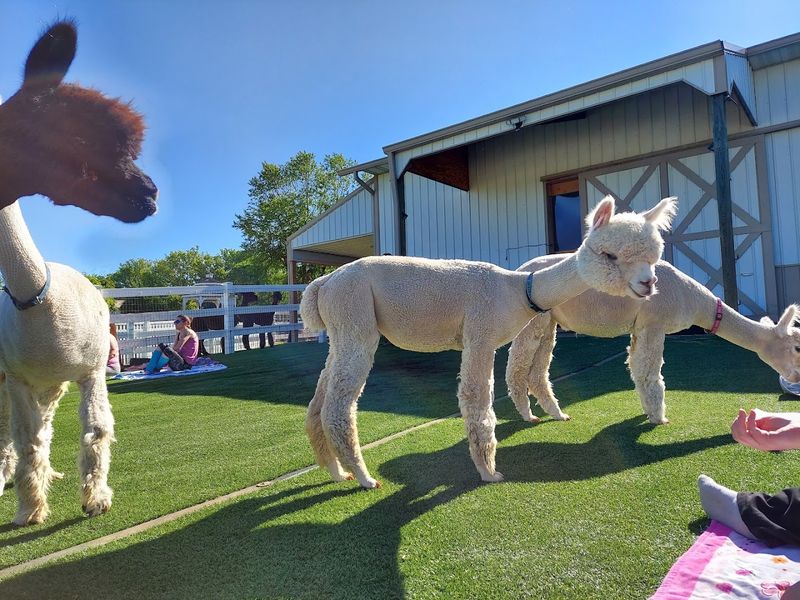
Goat yoga became a phenomenon, and Eagle Eye Farm adapted the concept with their own herd. Alpaca yoga sessions allow participants to practice poses while animals wander freely among the mats, creating an experience that blends exercise with entertainment.
The classes take place in warm weather months when outdoor yoga becomes pleasant. Participants should expect interruptions, curious sniffs, and the occasional alpaca deciding that a person in downward dog makes an interesting obstacle.
The point is not perfect practice but rather joyful movement in unusual circumstances.
These sessions book quickly and represent a different way to experience the farm. Regular visitors who have done the standard tour find that yoga adds a new dimension to their relationship with the animals.
First-timers often discover that laughter makes an excellent addition to any yoga practice.
The farm schedules these events seasonally, so checking ahead ensures availability. The combination of gentle exercise and animal interaction creates memories that stand out from typical fitness classes or farm visits experienced separately.
The Farm Is Open Through Every Season
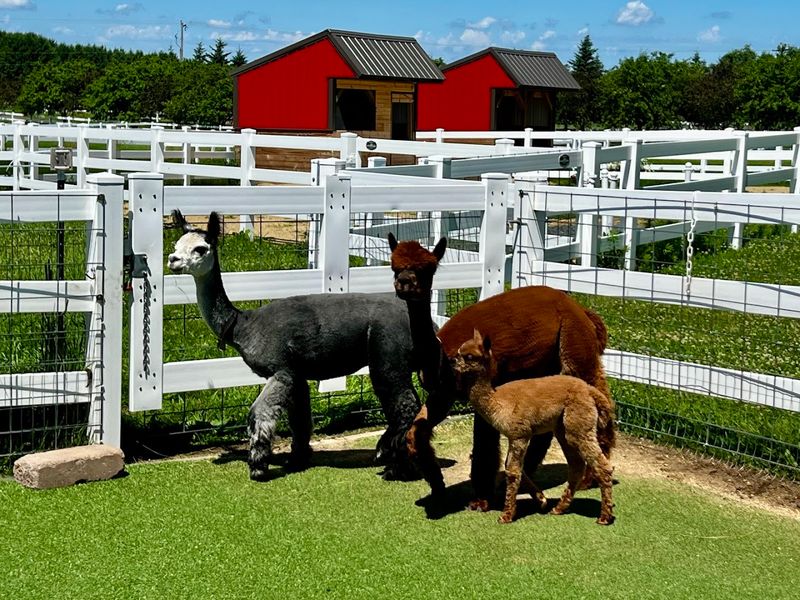
Eagle Eye Farm maintains operations throughout the year, adapting the visitor experience to match Wisconsin seasons. The farm opens daily from 10 AM to 4 PM most days, with Saturday hours starting at 9 AM, providing consistent access regardless of weather.
Each season offers distinct advantages. Spring brings baby animals and green pastures, while summer provides the warmest weather for extended outdoor time.
Fall colors create beautiful backdrops, and winter visits offer peaceful, crowd-free experiences with animals sporting their thickest fleece.
The farm remains functional and welcoming even during cold months. Animals still need care and feeding, and many visitors find that winter farm visits hold a special charm.
The contrast between cold air and warm alpaca fiber becomes visceral when touching the animals themselves.
Seasonal considerations matter for planning purposes. Guests should dress appropriately for outdoor walking regardless of when they visit.
Muddy conditions can occur during spring thaw and after heavy rain, affecting accessibility in certain areas. Calling ahead helps visitors prepare for current conditions and plan accordingly.