
Treasure Hunters Visit This Florida Beach Hoping To Discover Ancient Shark Teeth
The sand on this beach has a pink tint, and people comb it for fossil shark teeth older than anyone can easily imagine. A few lucky beachgoers have even reported spotting ancient stone projectile points, the kind most of us call arrowheads.
Some of those finds may date back thousands of years. Researchers have even suggested that ancient camps could sit underwater just off this Florida shore.
I love that a regular beach day here can turn into a slow, squinting treasure hunt. You show up with a towel and leave staring at every dark speck in the sand.
The history goes deeper than old stone tools. Old palm-log pier pilings sometimes peek out at very low tide.
So what else might be hiding under all that pinkish sand?
Those Arrowhead Stories Are A Reason To Look, Not To Pocket
Ancient stone points have turned up at Mickler’s Landing Beachfront Park, according to reports over the years. Many folks call them arrowheads, though experts usually say projectile points.
Some discussions suggest certain finds could be Paleo-era pieces up to 9,000 years old. That’s a lot of history to spot between seashells.
Researchers have also floated an exciting idea about this coastline. Ancient camp sites may sit underwater offshore, where waves could slowly free old artifacts.
Here’s the important part, though. In Florida, artifacts found on state land, including public beaches, belong to the people of Florida, and taking them home is against the law.
So if you spot something that looks chipped, pointed, or too even to be natural, leave it exactly where it lies. Snap a few photos, note the spot, and report it to the Florida Division of Historical Resources or a local archaeologist.
Your find could help researchers piece together who lived along this coast thousands of years ago. That’s a far better story than a souvenir in a drawer.
Shark teeth are a different story, and they’re fair game. Florida lets anyone collect and keep fossil shark teeth, so that’s where the real treasure hunt begins.
Shark Teeth Are The Real Crowd Favorite Here
Arrowheads get the headlines, but shark teeth do the heavy lifting. Mickler’s Landing is a well-known spot for hunting fossil teeth along the Florida coast.
The teeth you’ll find are usually small, dark, and shiny. Most are black or gray, which helps them stand out once your eyes adjust.
Look for a triangle shape with a smooth, glossy surface. Shell bits are usually dull, chalky, or ridged by comparison.
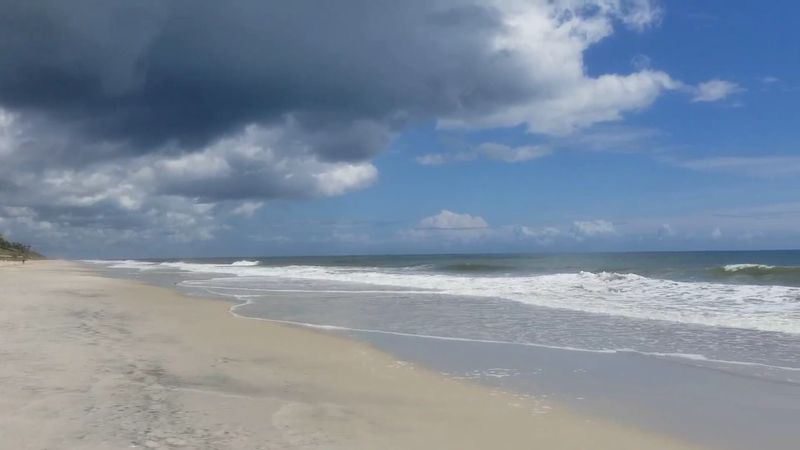
Low tide is a handy time to search. More beach is exposed, and the shell piles along the wrack line become easier to sift.
A lot of hunters crouch near the spot where waves break and pull back. Fresh shells and teeth tumble around there constantly.
Kids tend to be surprisingly good at this game. They’re closer to the ground and have endless patience for tiny shiny things.
Bring a small container so your finds don’t vanish in a beach bag. Trust me, a shark tooth in a towel is gone forever.
Beach conditions can change after storms and sand projects. Some days are loaded with treasures, and other days feel picked clean.
That uncertainty is half the fun, honestly. Every walk is a fresh roll of the dice, and you never know which wave brings the prize.
Pink Sand Makes Every Step Feel A Little Different
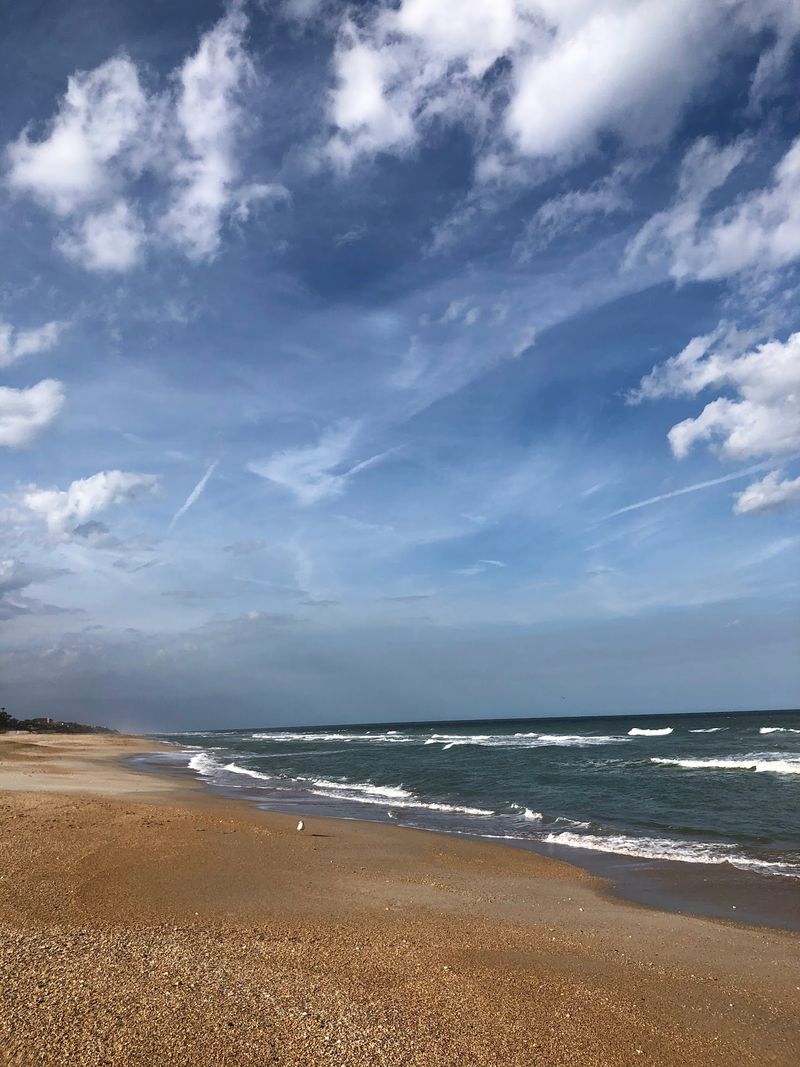
Most Florida beaches are white or tan, so this one gets noticed fast. The sand at Mickler’s Landing has a distinct pinkish color from coquina.
Coquina is made of tiny shells and shell fragments. Over time, those bits mix into the sand and give it that warm, rosy tint.
You’ll also spot plenty of crushed shells along the shore. That’s great for collectors, though it can feel rough on bare feet.
Water shoes or flip-flops are a smart move here. Your soles will thank you after a long hunting walk.
Natural coquina rock formations also show up on this beach. They’re easiest to see during low tide, when more of the shore is exposed.
Those rocks help create small tidal pools. Peeking into them is a fun break from staring at the sand for teeth.
Photographers love the color, especially in soft morning light. The pink sand and blue water make an easy, pretty combination.
Shell collectors have plenty to sort through as well. Small whole shells hide among the broken pieces if you’re willing to look.
It’s a good reminder that this beach was built by tiny things. Millions of shells, piece by piece, made the ground under your towel.
A Lost Pier Still Peeks Out At Very Low Tide
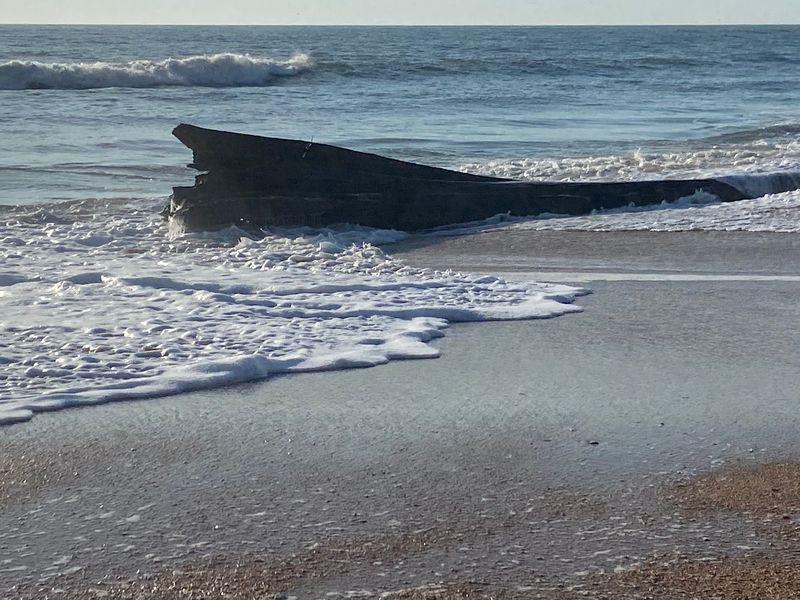
Back in the 1930s, the Mickler family and other residents built a 600-foot pier here. It was made with palm logs and live oak decking.
The pier was used for fishing and recreation. It even had a windmill to help keep live bait.
Then a hurricane took the pier down in the 1940s. That could have been the end of the story, but the ocean kept a souvenir.
Remnants of the palm log foundation can still be seen at very low tide. It’s a neat bonus for anyone who times their visit well.
Check a tide chart before heading out if you want a peek. Very low tides don’t happen every day, so a little planning helps.
The Mickler family has deep roots in St. Johns County. They’ve been part of the area since the 1820s.
In the 1960s, the family sold the land to the county’s parks department. It later became the public beach access people use today.
Even the name tells a story. The word Landing points to its past as a place where boats could reach the water.
So while you’re searching for ancient points, remember the newer history too. Old pilings and old stone tools share the same stretch of sand.
A Wooden Walkway Carries You Over Towering Dunes
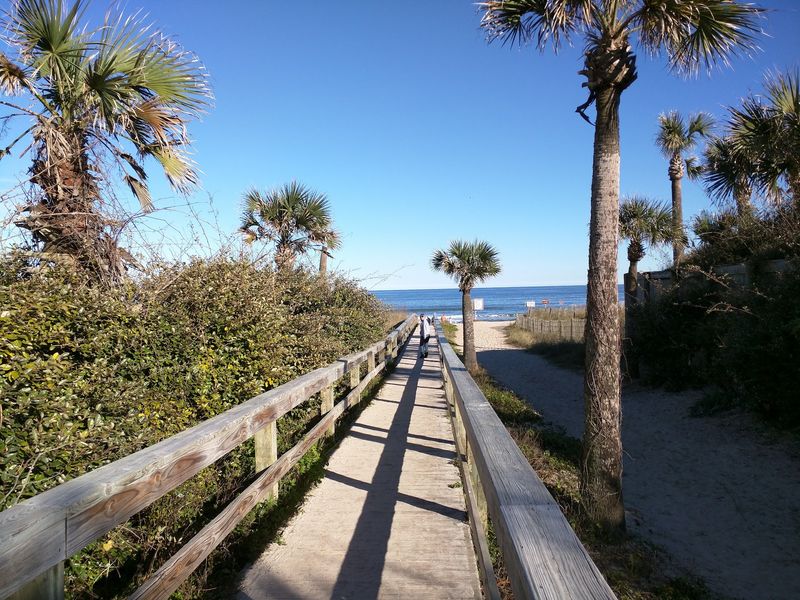
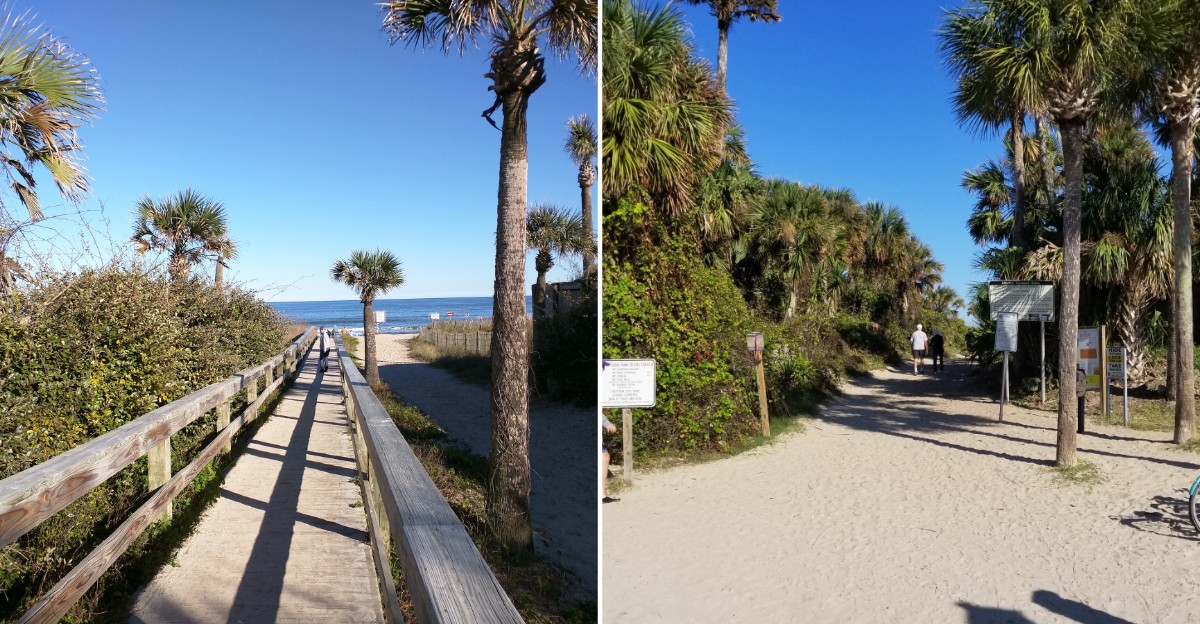
Twenty-foot dunes stand between the parking area and the ocean. Luckily, you don’t have to scramble over them.
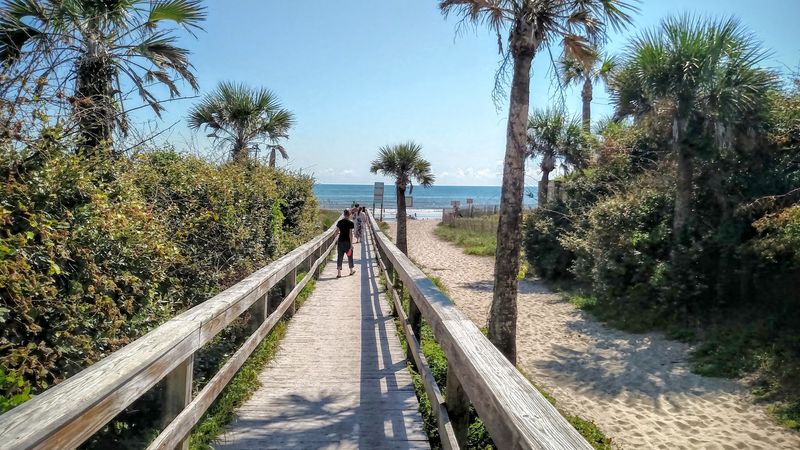
A handicapped-accessible wooden walkway leads through the dunes to the beach. It’s an easy path for strollers, wagons, and tired treasure hunters.
The walk itself is part of the experience. Tall dunes rise on both sides before the Atlantic finally opens up in front of you.
Those dunes matter for more than looks. They help protect the coast, so staying on the walkway is the right call.
The area got a major boost in 2024. A large beach restoration project finished that year to rebuild dunes and widen the beach.
That work was part of an ongoing coastal management effort. Wider beaches and healthier dunes help this spot hold up against storms.
Sand projects can also shift what washes up along the shore. Treasure finds may vary from season to season as the beach changes.
Pack light if you plan to hunt for hours. A small bag, water, sunscreen, and a scoop are plenty for most trips.
The walk back always feels a little longer. Maybe that’s just the weight of all those shells in your pockets.
Rinse Stations And Picnic Tables Make Long Hunts Easier
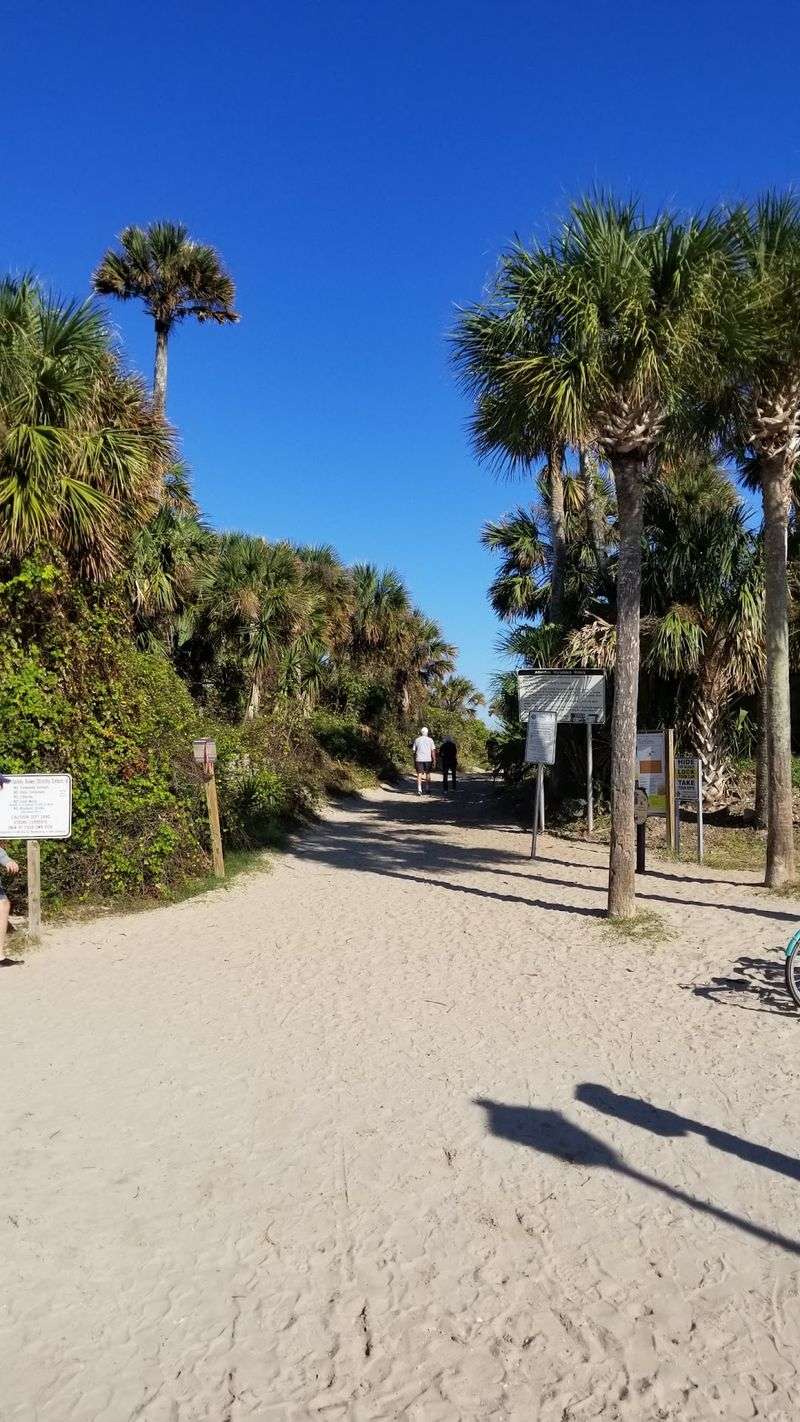
Sandy feet and long searches call for a few comforts. Thankfully, this park has the basics covered.
Mickler’s Landing Beachfront Park offers a pavilion with picnic tables. It’s a nice place to spread out snacks and compare finds.
Restrooms are on site, along with outdoor showers. Rinsing off before the car ride is a big win for everyone involved.
Changing areas sit near the parking lot as well. That makes it easy to switch out of wet clothes after a swim.
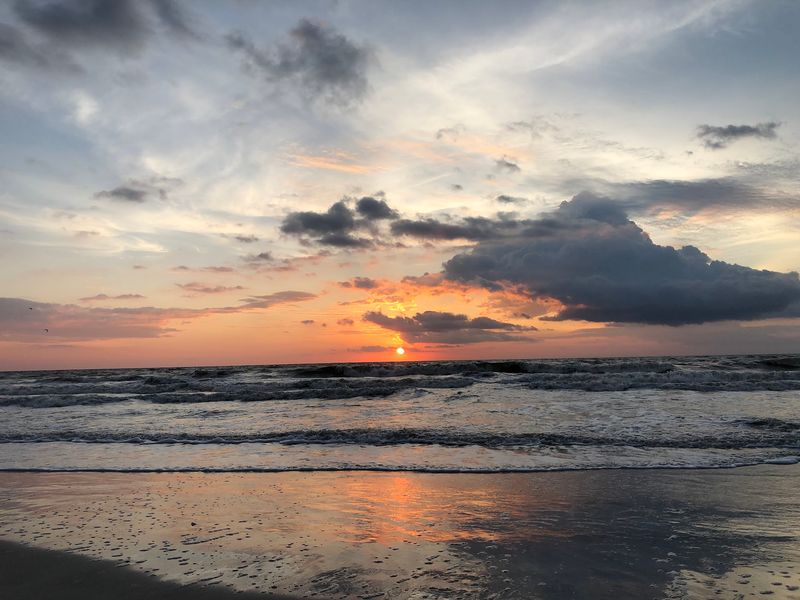
The park is open from dawn to dusk. Early birds can catch sunrise and start hunting before the beach fills in.
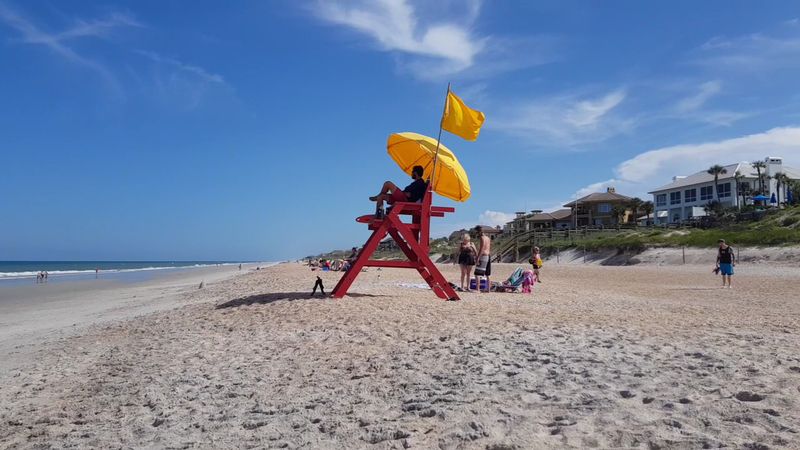
Lifeguards are staffed seasonally. If you’re visiting in a quieter month, plan to swim with extra care.
A few rules keep the beach safe and clean. Alcohol and glass containers are not allowed on the beach.
Vehicles aren’t allowed on the sand either. That keeps the shoreline calm for walkers, swimmers, and people bent over looking for teeth.
Bring a cooler, a sun hat, and a towel you don’t mind getting gritty. Then let the pavilion be your home base between hunting rounds.
Your Four-Legged Sidekick Can Join The Search
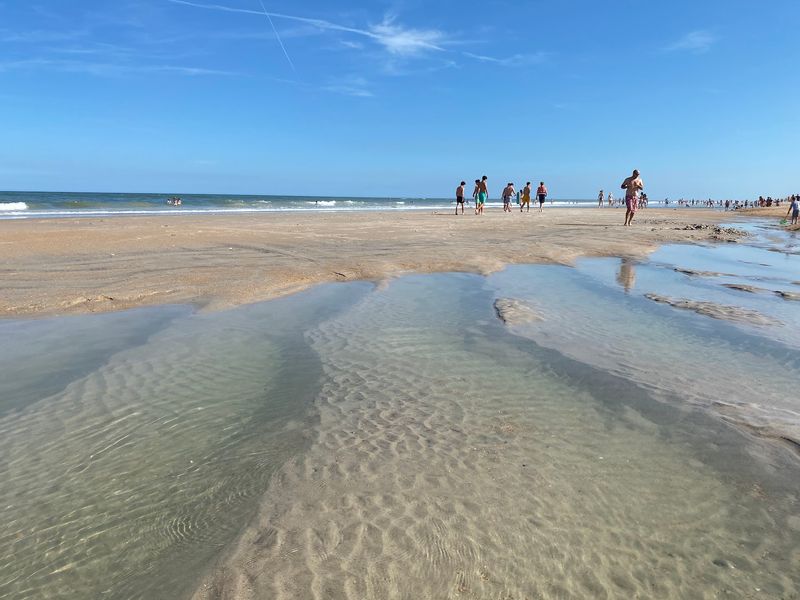
Good news for dog lovers. Leashed pets are welcome at Mickler’s Landing.
That makes this beach a fun pick for a morning walk with your pup. Your dog sniffs the sea breeze while you scan the sand for treasure.
Keep the leash on the whole time. It protects wildlife, other visitors, and your own dog from surprises.
Pack bags and clean up every mess. A tidy beach keeps this privilege around for everyone.
Fresh water is a must for your dog. Hot sand and salty air can tire out pets faster than you’d expect.
Watch paws on the crushed shells too. Some dogs handle them fine, while others may need a slower pace.
Horses are another fun surprise here. Horseback riding is permitted on this beach with a special permit.
So don’t be shocked if you share the shoreline with more than dogs. It adds a charming, old-Florida feel to the scene.
A dog walk, a shark tooth, and maybe a horse sighting? That’s a pretty great morning by most standards.
Parking Fills Fast, So Set That Alarm
Popularity comes with a catch. The parking lot can fill up by mid-morning on weekends and holidays.
Arriving early is the simplest fix. You’ll also get first crack at whatever the overnight tide left behind.
The park sits at 1109 Ponte Vedra Boulevard, Ponte Vedra Beach, FL 32082. Map apps may also list it near County Road 203.
If the lot is packed, there’s another option. Shuttle service is available from Cornerstone Park.
Weekdays are usually an easier bet than Saturdays. Fewer cars often means a calmer beach as well.
Cooler months can be lovely for hunting too. You’ll trade swimming weather for comfortable walks and quieter mornings.
Sea turtle season brings special rules worth knowing. From May 1 to October 31, flashlight use at night is restricted on the beach.
Bright lights can confuse nesting turtles and hatchlings. Since the park closes at dusk anyway, plan to wrap up before dark.
A little planning goes a long way here. Show up early, hunt happily, and leave before the parking puzzle gets tricky.
Nearby Wild Lands Let You Stretch The Adventure
One beach day can easily become a full outdoor weekend. Mickler’s Landing sits just north of the Guana Tolomato Matanzas National Estuarine Research Reserve.
Most people shorten that mouthful to the GTM Reserve. Thank goodness, because try saying it three times fast.
The reserve offers kayaking and canoeing. Calm water paddling is a nice change of pace after hours of beach hunting.
Hiking trails are another draw. You can swap sandy shores for wooded paths and wide marsh views.
Bird watchers will feel right at home there. The mix of beach, marsh, and water gives birds plenty of places to gather.
History lovers have reasons to linger too. This stretch of Florida coast was among the early landing areas for European explorers and settlers.
That ties neatly back to the ancient points people hope to find. Humans have been drawn to this coast for a very long time.
Pair a sunrise hunt with an afternoon paddle for a well-rounded day. Pack bug spray, water, and snacks for the reserve.
By the end, your phone might be full of birds, dunes, and shark teeth. If you’re truly lucky, maybe a little piece of ancient history too.