
11 Unforgettable Massachusetts Day Trips Within 2 Hours Of Boston In 2026
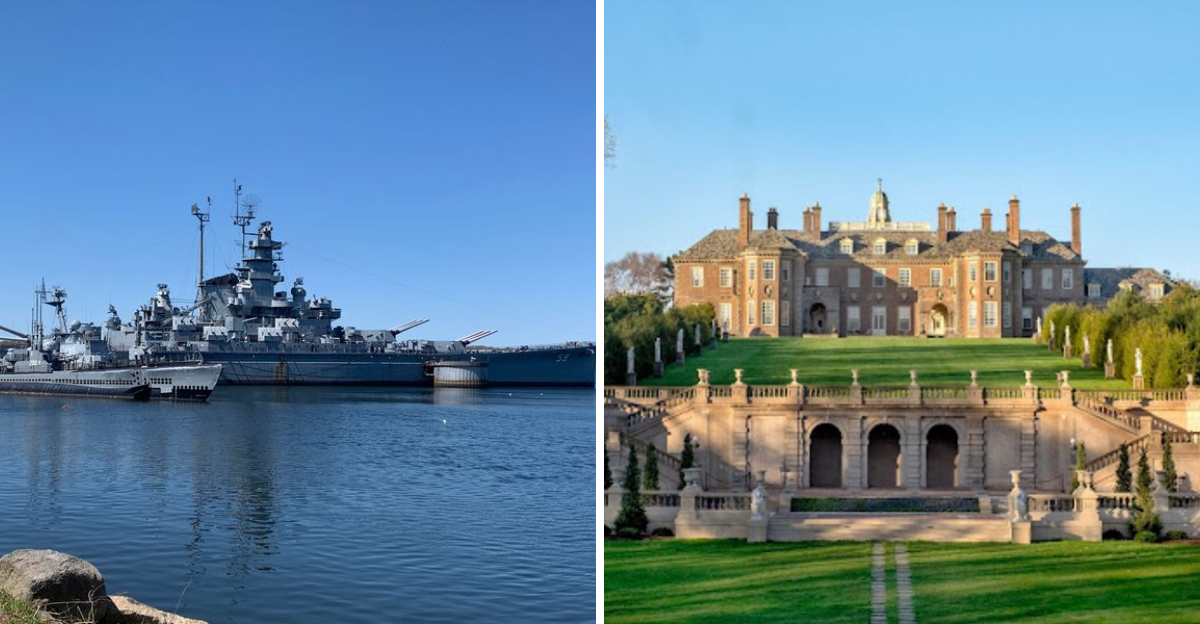
Boston gets plenty of attention, but the towns just outside it deserve a look too. Massachusetts fits a surprising amount of variety into a small stretch of land.
You can reach the coast, the mountains, or a quiet town square, all within a couple of hours. Beaches bring fresh seafood and salty air.
Forest trails offer a slower pace and a break from noise. Historic districts sit close to orchards, lighthouses, and small shops worth browsing.
You don’t need a big trip or a full weekend to feel like you got away. A short drive and a full tank of gas can lead somewhere completely different from your everyday routine. Grab your keys, choose a direction, and let Massachusetts handle the rest.
1. Provincetown
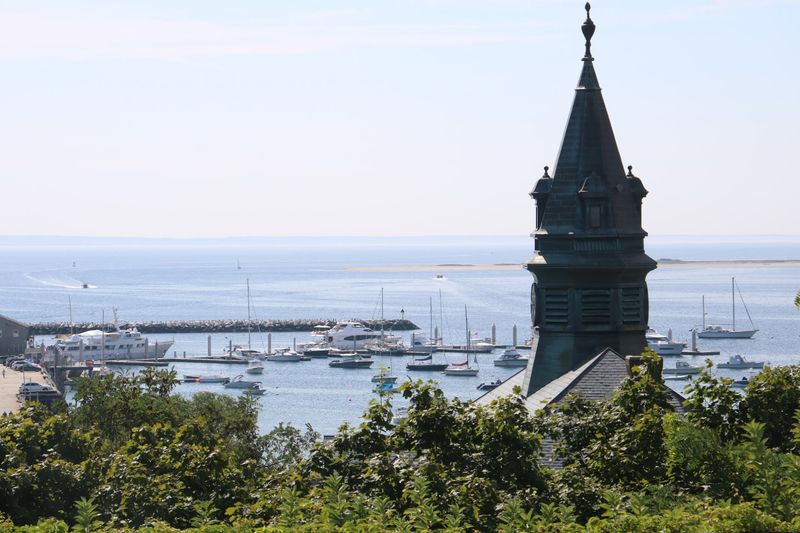
Few arrivals beat gliding across Cape Cod Bay and landing at the very tip of the Cape. The fast ferry from Boston reaches MacMillan Pier, Provincetown, MA 02657 in about 1 hour and 35 minutes.
Energy hums along the pier itself. Fishing boats unload their catch while sightseeing vessels load passengers. Small art shacks line the boards, filled with work by local makers.
Commercial Street waits just steps away. Shops, galleries, and bakeries stretch in both directions, and the crowd is famously welcoming. Portuguese heritage runs deep here, and malasadas, a soft doughnut, are a beloved local treat.
Seafood is the main event. The Canteen builds classic Cape dishes from scratch, including hot and cold lobster rolls.
Mac’s Fish House leans slightly upscale with a raw bar and sushi, plus an outdoor firepit.
Craving something simpler? John’s Footlong grills hot dogs and burgers you can carry straight to the water.
Cafe Maria, a town staple since 1998, makes breakfast sandwiches and salads on a shaded patio.
Climb the 252-foot Pilgrim Monument for a view that stretches over the whole peninsula. Then walk out to Race Point or Herring Cove Beach for sunset.
Whale watching boats leave right from the pier between April and October, which makes one ferry ticket feel like three trips.
2. Georges Island And Fort Warren
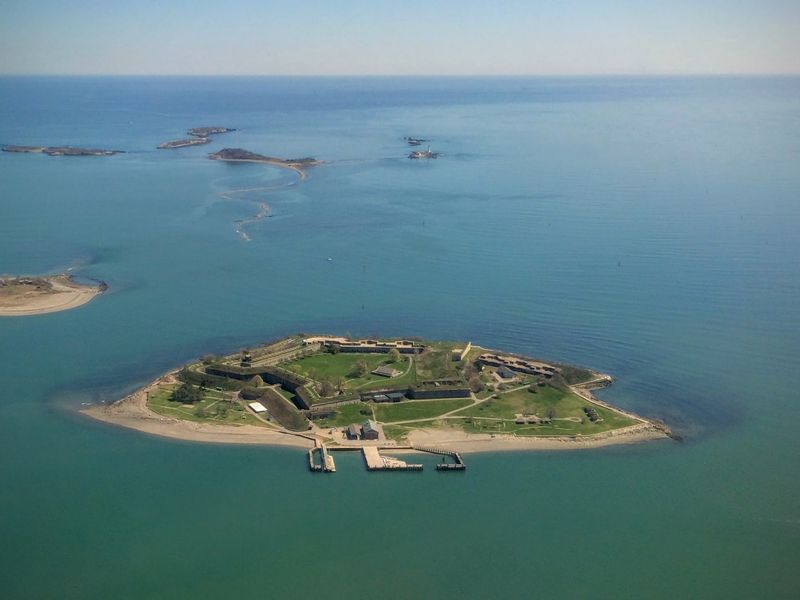
A 45-minute boat ride turns an ordinary afternoon into a history expedition. Ferries head out to Georges Island, Boston Harbor Islands, MA, and the skyline shrinks behind you as the harbor opens up.
Fort Warren fills most of the island. Built in the mid-19th century, the five-pointed granite fortress guarded the entrance to Boston Harbor for generations.
Inside, arched casemates and shadowy corridors connect one section to the next. Bring a flashlight if you want to poke around the darker passageways.
During the Civil War the fort held Confederate prisoners, a detail that surprises most first-time visitors.
Above the walls, grass spreads wide and open. Picnic tables catch the breeze, and interpretive signs explain both the military story and the island ecosystem.
Views from the ramparts reach across the outer harbor toward neighboring islands. Sailboats drift past. Gulls do their usual complaining overhead.
Food choices are limited to a small snack stand, so packing lunch is the smart move. That simplicity is part of the appeal, since almost nothing has been built over.
Restrooms and shaded spots exist, but sunscreen matters on the treeless lawns. Plan around the ferry schedule, because the last boat waits for nobody. Few Massachusetts outings mix fresh salt air and stone-walled history this neatly.
3. Purgatory Chasm State Reservation
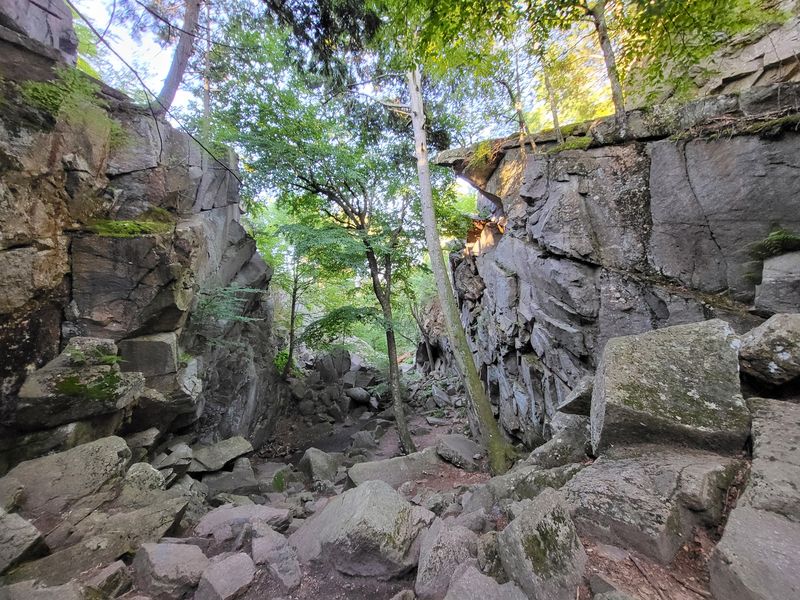
Kids call it a giant playground. Geologists call it a quarter-mile fracture in solid rock. Both descriptions fit 198 Purgatory Rd, Sutton, MA 01590, roughly an hour from Boston.
Granite walls climb as high as 70 feet on either side of the main trail. The route is less a path than a puzzle, with boulders to clamber over and tight crevices to squeeze through. Sturdy shoes are not optional here. Sneakers with grip beat sandals every single time.
Mature trees arch overhead and scatter light across the rock faces. Air inside the chasm stays noticeably cooler than the parking lot, which feels wonderful in July.
Not everyone wants to scramble, and that is fine. Several miles of easier forest trails loop above the gorge and reach overlooks with a bird’s-eye view down into the split.
Small caves and passages carry playful names, and reading the signs makes the walk more fun for younger explorers. Ferns, mosses, and chipmunks fill in the details.
No food service exists on site, but Sutton and nearby towns have casual spots for a post-hike sandwich. Arrive early on weekends, since the lot fills quickly.
Two hours of climbing here beats any gym workout, and the photos are far better.
4. Wachusett Mountain State Reservation
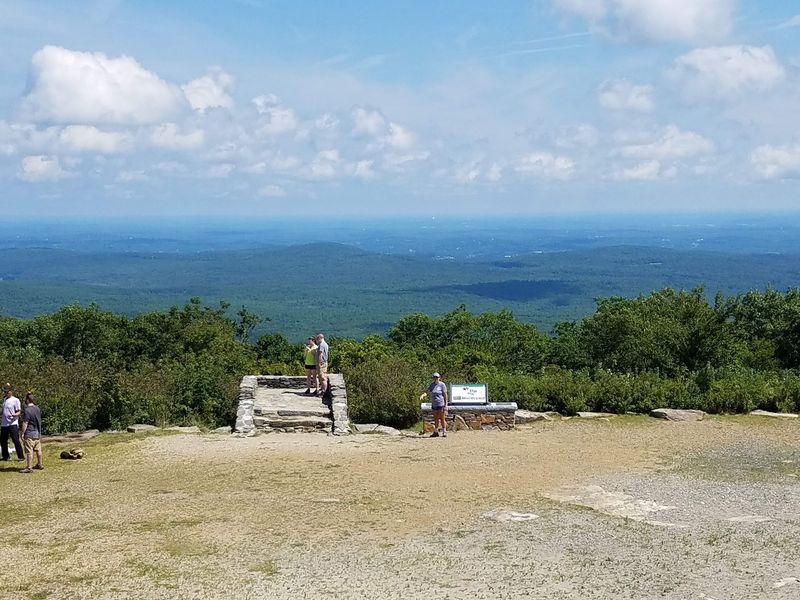
Reaching a real summit without a strenuous climb feels a little like cheating. A paved auto road runs to the top at 345 Mountain Rd, Princeton, MA 01541, about 1 hour and 10 minutes from Boston.
Views from the peak sweep across central Massachusetts. Distant hills roll toward the horizon, and on very clear days the Boston skyline appears as a tiny cluster of towers.
Wind at the top is honest and constant. Bring a layer even in summer.
Prefer to earn the view? Trails of every difficulty thread the wooded slopes, from mellow strolls to steady uphill grinds. Signage is clear and junctions are well marked.
Sections of old-growth forest survive on the mountain, which is rare in this part of the state. The trees are noticeably tall and the understory feels ancient.
Autumn draws the biggest crowds, and for good reason. Maples turn the slopes orange and red, and the hawk migration passes overhead in September and October.
Winter flips the script entirely, when the adjacent ski area fills with skiers and snowboarders. The lodge serves casual food during operating seasons, and Princeton has a few local options nearby.
One mountain, four very different personalities. That flexibility makes it an easy repeat trip.
5. Castle Hill On The Crane Estate
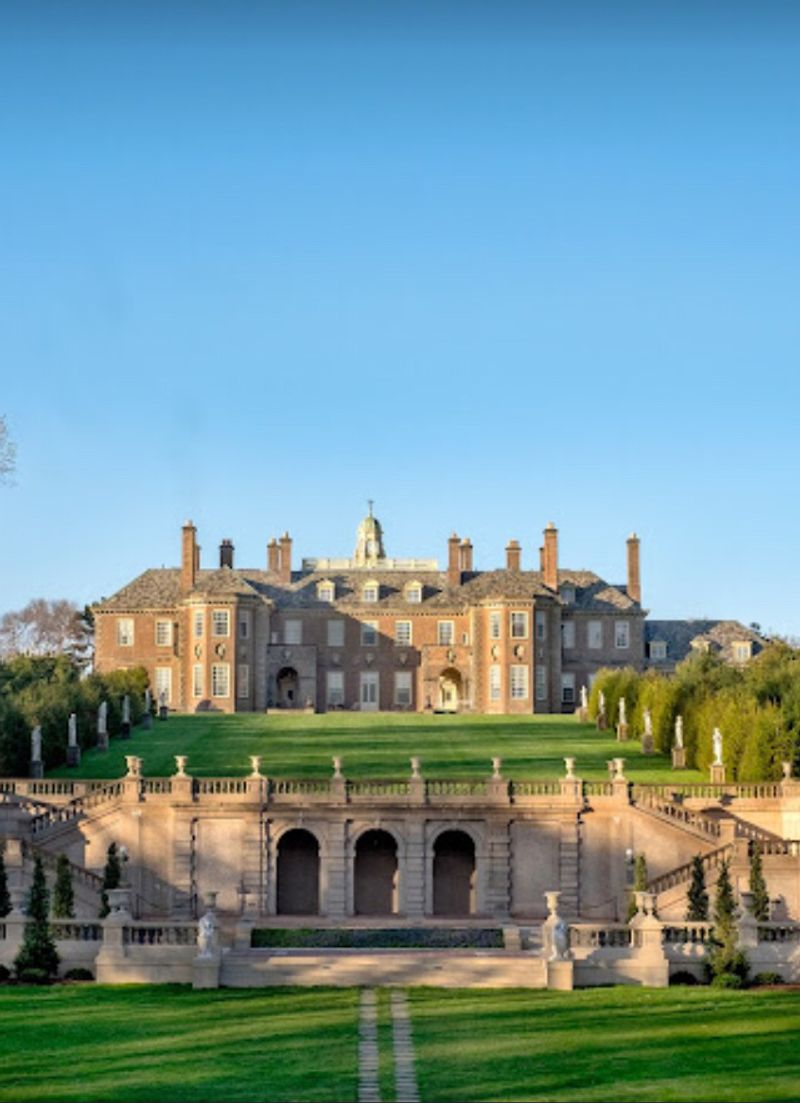
Picture a lawn so long and grand that it looks like a green staircase to the sea. That is the Grand Allee at 290 Argilla Rd, Ipswich, MA 01938, about 50 to 60 minutes north of Boston.
The Great House crowns the hill, a Stuart-style mansion built in the early 20th century. Its brick and stone exterior looks straight out of an English countryside painting.
Below it, the terraced lawn drops half a mile toward Ipswich Bay. Classical statues line the sides like patient guards.
The estate spans more than 2,100 acres, so exploring takes real time. Formal garden rooms give way to woodlands, meadows, and wide salt marshes.
Each garden area has its own mood and planting scheme. The Italian Garden feels enclosed and calm, while the open bluffs deliver serious ocean wind.
Crane Beach sits within the same property, famous for its soft sand and protected nesting areas for shorebirds. A short drive connects the two.
Seasonal refreshments appear during events, though nothing operates year-round on the hill. Downtown Ipswich, minutes away, has friendly local eateries and a well-known clam-shack tradition.
Come for the architecture, stay for that endless view down the lawn. It is the kind of place that makes people whisper.
6. Gloucester Whale Watching
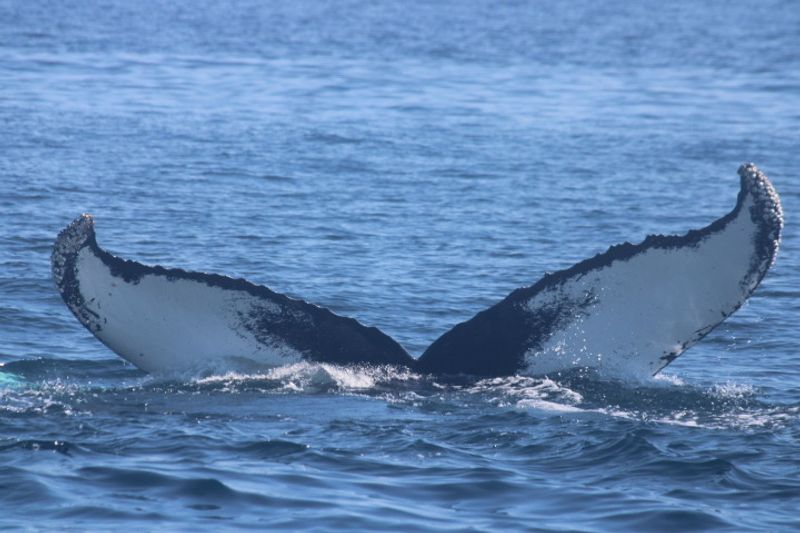
Nothing prepares you for the sound of a whale exhaling twenty feet away. Boats depart from Gloucester Harbor, Gloucester, MA 01930, roughly 50 minutes from Boston.
The harbor is a genuine working port. Trawlers, nets, and ice trucks share the docks with sightseeing vessels, and the smell of salt is everywhere.
Trips head for Stellwagen Bank National Marine Sanctuary, a shallow underwater plateau where food gathers. Humpbacks, finbacks, and minkes feed there through the warmer months.
Naturalists narrate from the deck. They explain feeding behavior, identify individual humpbacks by their tail patterns, and answer the endless stream of questions from passengers.
Dress warmer than seems reasonable. Ocean air runs ten degrees cooler than shore, and spray adds to the chill.
Binoculars help, though most sightings happen close enough that phones do fine. Motion-sensitive travelers should take precautions before boarding.
Back on land, Gloucester rewards hungry passengers. Seafood shacks and harborside restaurants serve fried clams, haddock, and lobster pulled from nearby waters.
The town has been fishing these grounds since the 1600s, one of the oldest such traditions in Massachusetts. Statues along the waterfront honor that long history. Half a day at sea, one very windblown haircut, and memories that stick around for years.
7. Battleship Cove

Standing beside a battleship’s gun turret rearranges your sense of scale. Battleship Cove sits at 5 Water St, Fall River, MA 02721, about an hour south of Boston.
The USS Massachusetts anchors the fleet, nicknamed Big Mamie by the sailors who served aboard her during World War II. She is enormous, and visitors can go almost everywhere.
Ladders lead down into engine rooms, mess halls, and bunk spaces stacked three high. The living quarters explain a lot about life at sea.
A destroyer, a submarine, and two PT boats round out the collection. The submarine interior is remarkably narrow, which makes the tour memorable in an entirely different way.
Each vessel tells its own story about naval technology and the people who operated it. Interpretive panels keep the details clear without overwhelming younger visitors.
The Taunton River provides a calm backdrop. Water laps against gray steel while cars cross the bridge overhead.
Plan on several hours, because the ships take longer to explore than most people expect. Comfortable shoes and a light jacket help, since interiors stay cool.
Fall River offers plenty of nearby dining, including strong Portuguese cooking rooted in the city’s immigrant heritage. Few museums let you climb this thoroughly through history.
8. New Bedford Whaling National Historical Park
Herman Melville sailed from this port before writing Moby-Dick, and the streets still feel like the 1800s. The visitor center sits at 33 William St, New Bedford, MA 02740, about 1 hour and 5 minutes from Boston.
Cobblestones and granite-block buildings fill the historic district. Merchants and sea captains once built their fortunes here when the city lit lamps around the world.
The park covers roughly 34 acres of preserved streets, a working waterfront, and exhibit spaces. Rangers lead walking tours that connect the buildings to real voyages.
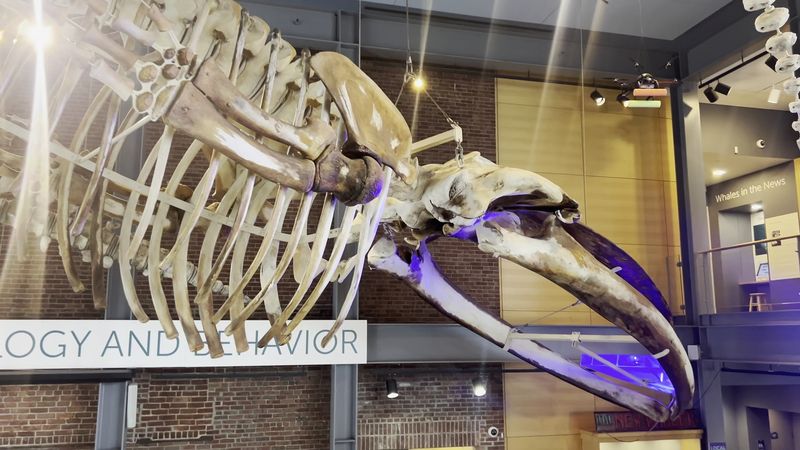
Inside the whaling museum, enormous skeletons hang overhead. Cases hold delicate scrimshaw carvings, logbooks, harpoons, and a half-scale ship model you can board.
Exhibits also cover the diverse crews who sailed from New Bedford, including Azorean, Cape Verdean, and African American whalers. That part of the story is genuinely fascinating.
Outside, the harbor still bustles. Commercial boats unload daily, and the city ranks among the top fishing ports in the country by value of catch.
Scallops are the local pride, prepared dozens of ways in restaurants a short walk from the park. Seafood here goes from boat to plate quickly.
History, architecture, and a very much alive waterfront share the same few blocks. Bring a camera.
9. Parker River National Wildlife Refuge And Plum Island
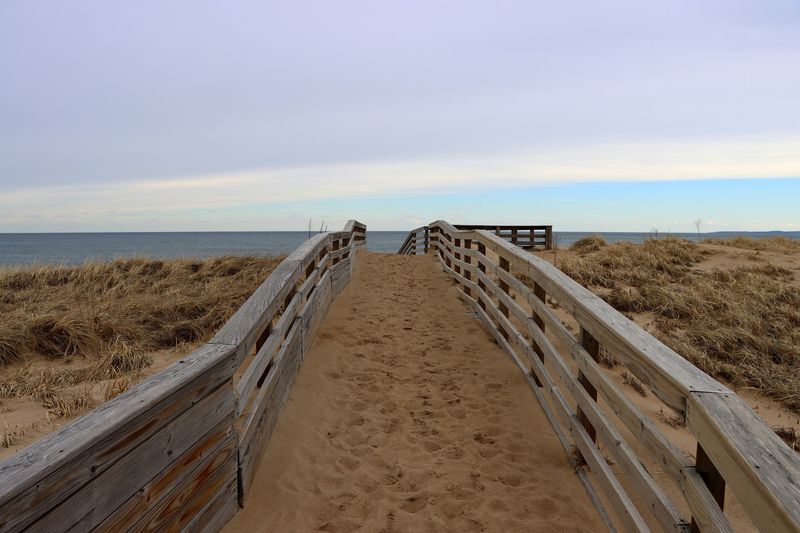
Birders arrive here before sunrise with thermoses and long lenses, and they have good reason. The refuge entrance is at 6 Plum Island Turnpike, Newburyport, MA 01950, about 1 hour and 5 minutes from Boston.
Plum Island is a barrier island, a long ribbon of sand between the ocean and quiet back bays. Miles of beach remain completely undeveloped.
Dunes rise on the ocean side, held together by beach grass. Behind them stretch salt marshes that glow gold in late afternoon.
Hundreds of bird species pass through during migration. Observation platforms and short boardwalk trails let you watch shorebirds, ducks, and hawks without disturbing them.
A single road runs the length of the refuge with numbered parking lots along the way. Each stop opens onto a different habitat, so hopping between them shows off the variety.
Sections of beach close seasonally to protect nesting piping plovers, so check current conditions before packing towels. Rangers post updates at the gate.
Insect repellent belongs in your bag from June onward. Marshes are generous with mosquitoes.
Newburyport, minutes away, has a walkable downtown full of cafes and restaurants leaning on local seafood. A morning of quiet wildlife watching followed by lunch by the Merrimack River makes a nearly perfect day.
10. Minute Man National Historical Park
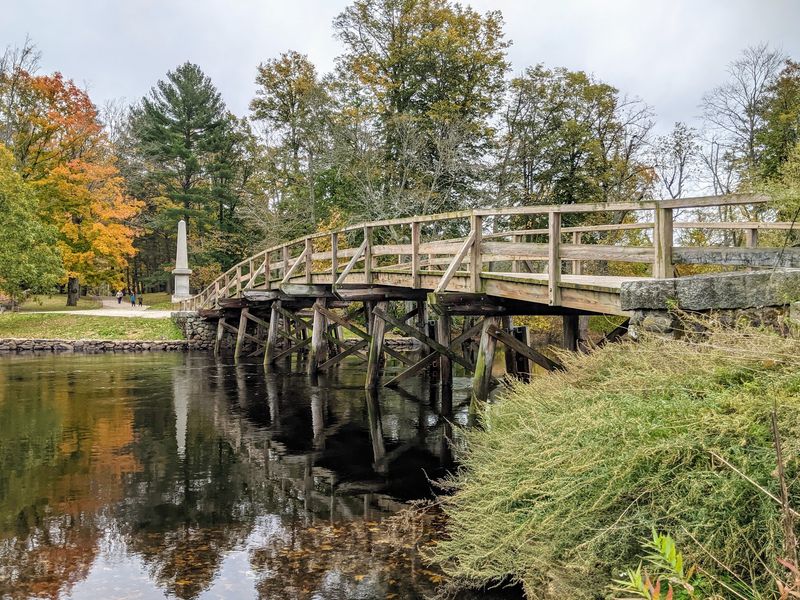
April 19, 1775 started here, and the ground has barely changed. Park headquarters sit at 250 N Great Rd, Lincoln, MA 01773, roughly 30 minutes from Boston.
Battle Road runs through the park, tracing the route where colonial militia and British Regulars met. You can walk it, bike parts of it, or drive between stops.
Restored colonial houses stand along the way. Markers explain what happened at each bend, which turns an ordinary path into something powerful.
The Old North Bridge in Concord draws the biggest crowds. A replica arches over the river beside the famous Minute Man statue, and the phrase about the shot heard round the world comes from a poem written for this spot.
Surrounding land stays pastoral. Stone walls, fields, wetlands, and hardwood stands look much as they did to the people who marched through.
Visitor centers show short films and offer maps. Ranger talks run seasonally and add helpful context for kids studying the Revolution.
Trails are mostly flat and easy, making this friendly for all ages. Allow two to three hours for a satisfying loop.
Lexington and Concord both sit within minutes, each with cafes and bakeries. Massachusetts history rarely feels this walkable or this close to the city.
11. New England Botanic Garden At Tower Hill
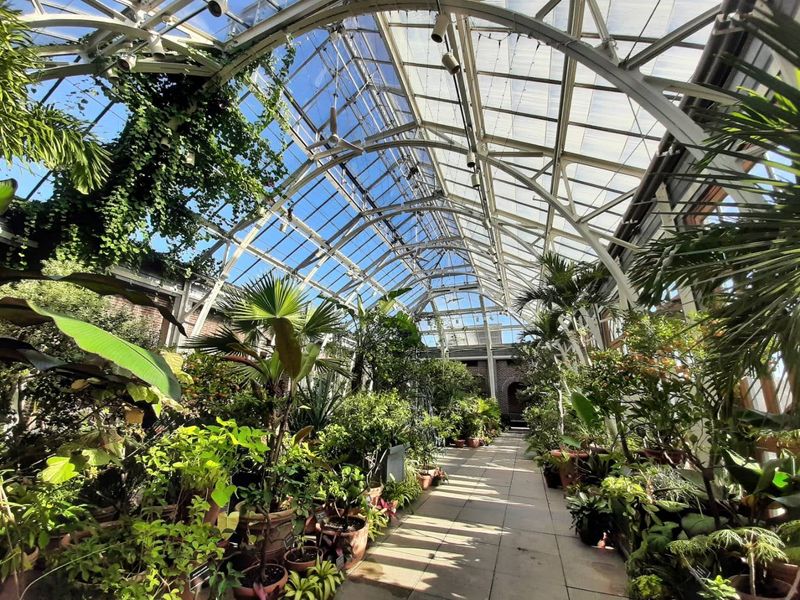
Imagine smelling orange blossoms in the middle of a New England February. That happens inside the Limonaia at 11 French Dr, Boylston, MA 01505, about an hour from Boston.
The garden covers 171 acres of hillside above the Wachusett Reservoir. Views from the upper terraces stretch across water and rolling hills toward Wachusett Mountain.
Themed garden areas keep the walk interesting. Formal beds, a Secret Garden, and a Wildlife Garden designed to attract pollinators and birds each feel distinct.
Winter visitors get a treat most gardens cannot offer. The Winter Garden showcases colorful bark, bright berries, and sculptural branches when everything else sleeps.
The Limonaia, a glass-roofed orangerie, shelters citrus trees and tender plants through the cold months. Warm, humid air inside is a genuine mood lifter.
Rotating art installations appear along the paths, tucking sculptures among hedges and open lawns. Children’s areas add climbing and digging spaces.
Paths are wide and mostly gentle, though the property does slope. Comfortable shoes make the loop easy.
A cafe on site serves light fare, sandwiches, and pastries using seasonal ingredients, so you can pause without leaving the grounds.
Something blooms in every season, which means no two visits look alike. Photographers, gardeners, and anyone needing calm all leave happy.