
Why People Are Traveling To Tennessee Just To Take This Quilting Workshop
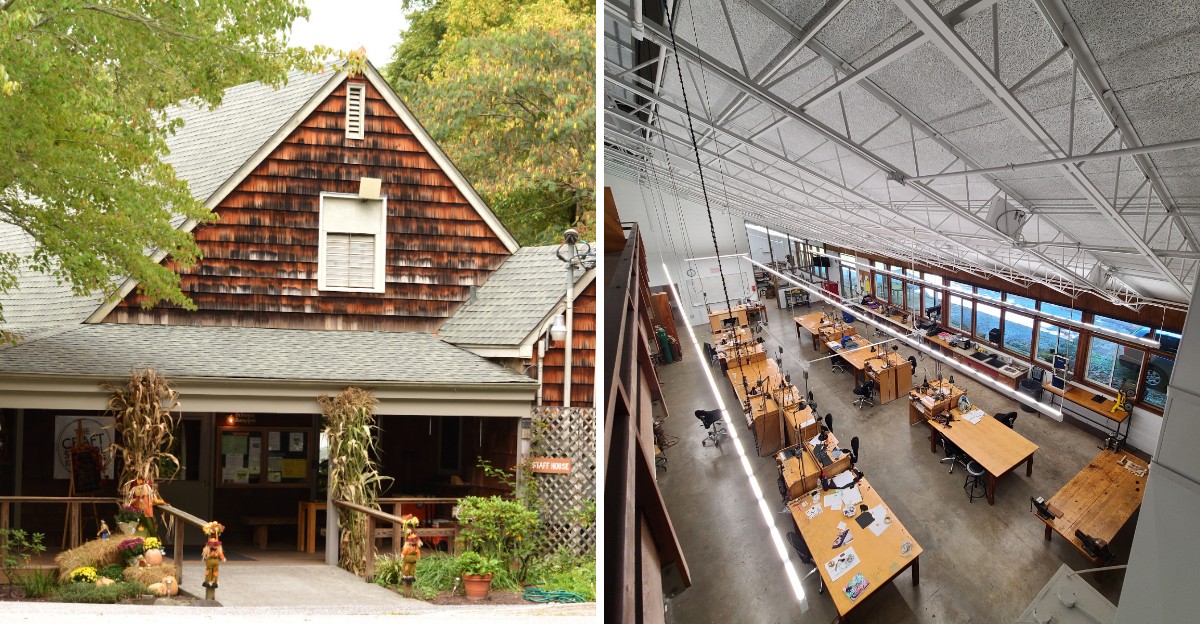
A quilt can start with a few pieces of fabric and end up inspiring an entire trip. At one Tennessee arts school, quilting workshops bring together travelers who want time to create, learn, and spend several days focused on a craft they love.
The classes go far beyond a quick lesson. Participants work with experienced instructors, try new techniques, and spend hours experimenting with fabric, color, pattern, and stitching.
Beginners can build confidence while longtime quilters can push their skills in a new direction.
The mountain setting adds another layer to the experience. Tennessee gives visitors the chance to pair a creative workshop with a relaxing getaway, making the trip feel much bigger than a class on the calendar.
Why are people willing to travel for it? The answer comes down to expert instruction, dedicated studio time, and the rare chance to spend several days fully immersed in quilting.
A Textiles Studio Built For Serious Handwork
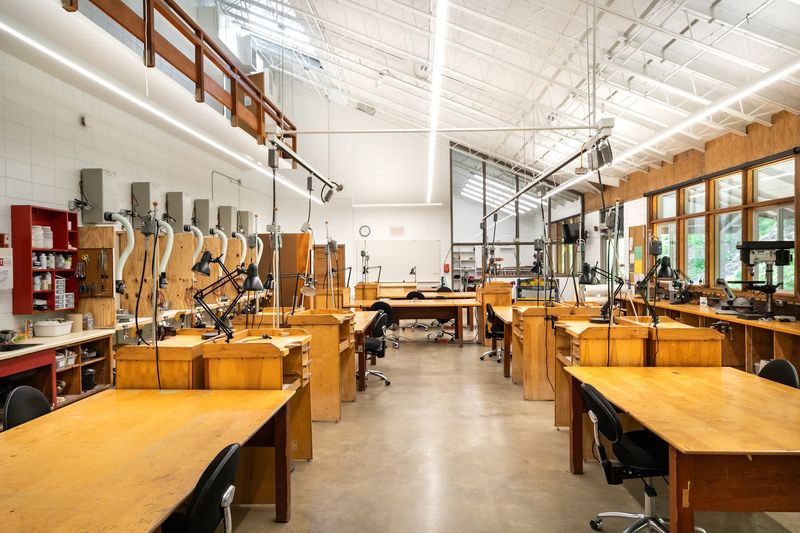
Fabric scraps, embroidery hoops, and dye jars share the same room here, and somehow it all works. The Textiles Studio at Arrowmont School of Arts and Crafts is set up for people who want to actually finish something.
Instruction covers natural dye, batik printing, garment fabrication, and embroidery. For quilters, that mix matters.
You might learn to dye your own cloth before you ever cut a single square.
The space stays busy with handwork from morning through evening. Tables are long enough to lay out a full top without folding it three times.
Storage, pressing space, and good light are all part of the setup.
Nearby sits the Fiber and Paper Studio, a historic room fully equipped for fiber and paper projects. Generations of makers have worked in it. That kind of continuity is rare in craft education.
What surprises many people is how much gets completed in one session. Students often head home with a stack of finished pieces rather than a folder of notes.
Momentum builds fast when the tools are already waiting.
Bring your curiosity and leave the guesswork behind. The studio handles the equipment, so your job is simply to keep stitching until the light fades.
Class Sizes Small Enough To Remember Everyone’s Name
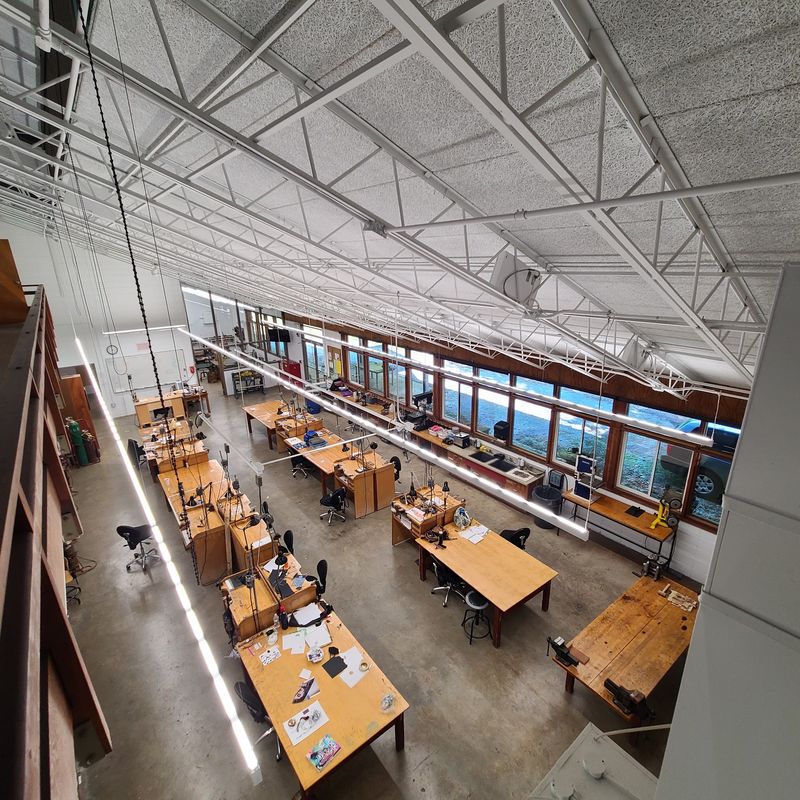
Ten to twelve students. That is the usual cap, and it changes everything about how a workshop feels.
Instructors have time to sit beside you and watch your hands. If your seam allowance keeps drifting, someone notices before you have pieced forty blocks wrong.
Correction happens early, which saves both fabric and patience.
Those teaching here are practicing studio artists, college and university faculty, and lifelong makers. They come from across the country and beyond.
Many have spent decades refining the exact technique you signed up to learn.
Skill level is not a barrier. Beginners sit next to people who have quilted for thirty years, and both groups get something out of it.
The small group size makes that possible without anyone feeling rushed or ignored.
There is also plenty of time built in for solo practice. Demonstrations are followed by real working hours, not a quick five minutes before the next topic. Repetition is where technique actually sticks.
Ask questions freely. In a room this size, a raised hand gets answered in seconds rather than at the end of a long lecture. That responsiveness is a big reason people keep booking return trips.
Workshops That Fit A Weekend Or Stretch Two Weeks
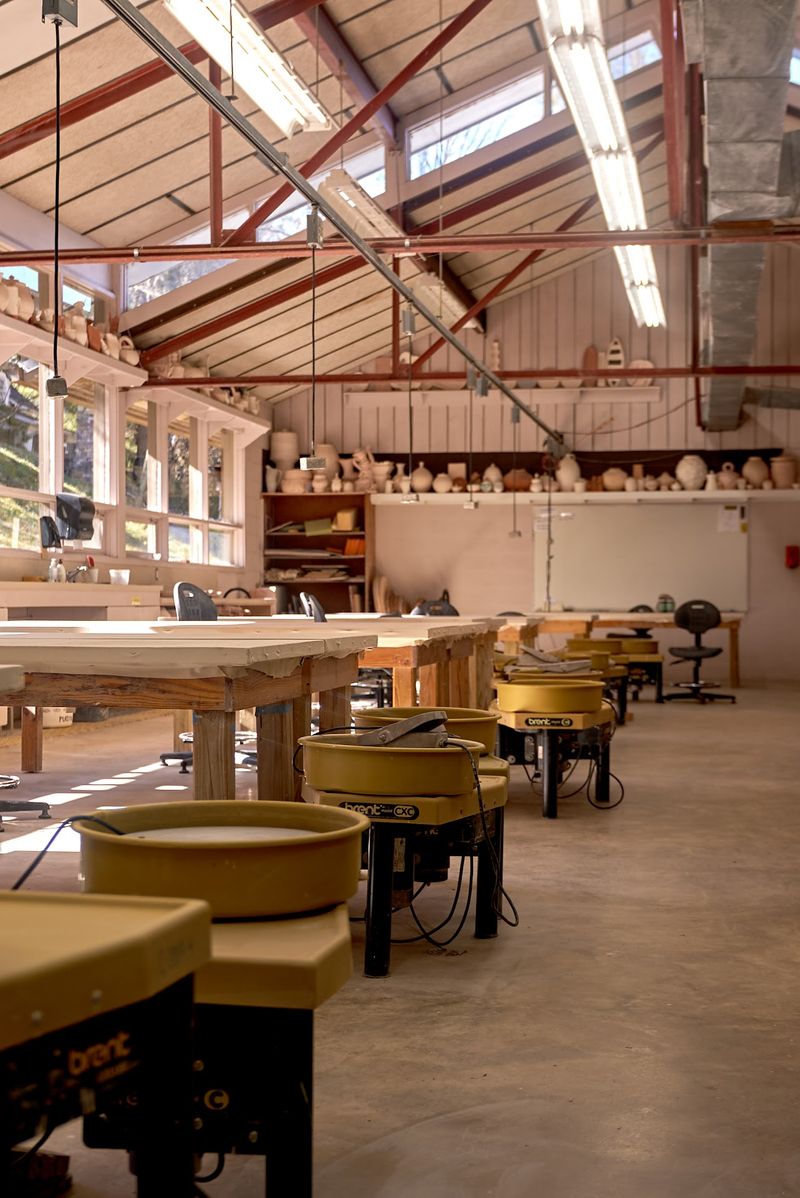
Schedules rarely cooperate with creativity, so the calendar here offers options. Weekend sessions, one-week workshops, and two-week deep dives all appear between March and November.
Short formats suit people who can only slip away for a few days. You arrive Friday, work hard, and drive home Sunday with something finished in the back seat.
It is a low-commitment way to test a new technique.
Longer sessions change the pace entirely. Two weeks gives room for complicated piecing, dyeing, and finishing without cutting corners. Projects that would sit unfinished at home reach completion.
The season runs across spring, summer, and autumn, so weather and scenery shift with your choice. Spring sessions come with green hillsides. Fall brings color to the surrounding Tennessee mountains.
Planning matters because popular workshops fill. Checking the schedule early gives you a better shot at the specific instructor or technique you want.
Office hours run Monday through Friday, 8:30 am to 5 pm. Weekends are reserved for what actually happens in the studios. That practical detail tells you where the priorities sit.
A Campus With Roots Reaching Back To 1912
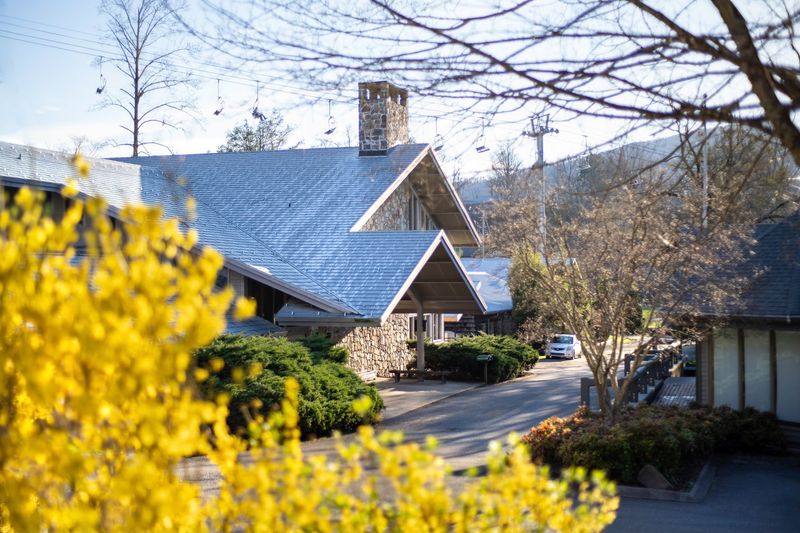
Long before anyone taught quilting here, the place was a school for local children. It opened in 1912 as the Pi Beta Phi Settlement School.
At that time, Gatlinburg sat remote in the mountains, and this was the only public education available to kids in the area. Teachers arrived from outside, then quickly discovered the craft traditions already thriving around them.
That exchange shaped everything that followed.
In 1926 the Arrowcraft Shop opened, creating a market for Appalachian handicrafts. Weavers, basket makers, and woodworkers finally had buyers.
Skills that might have faded instead found new value.
By 1945 the operation had grown into a full-time arts and crafts school. Summer craft workshops gained international attention soon after.
People began arriving from other countries to learn here.
Some of Gatlinburg’s oldest buildings still stand on this hillside. The campus appears on the National Register of Historic Places and includes two separate historic districts.
Walking between studios means walking past more than a century of teaching.
That history is not decoration. It shows up in the emphasis on handwork, in the respect for traditional method, and in the simple fact that people still travel to sit at these tables.
Meals And Lodging That Keep You In The Creative Zone
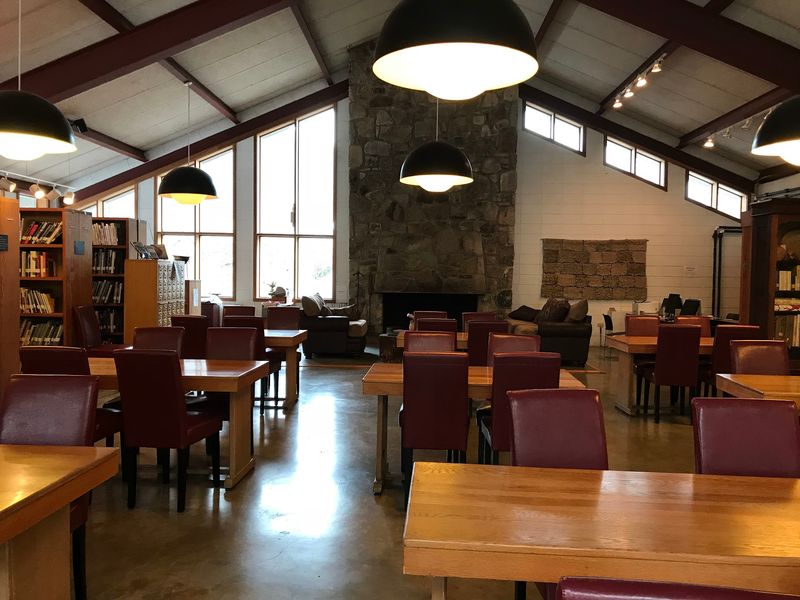
Cooking dinner after eight hours of quilting is nobody’s dream. On-campus housing and a dining hall solve that problem neatly.
Meals happen in a shared dining space where students and instructors eat together. Conversations there often turn into the best part of the day.
Technique tips get passed across the table between bites.
Staying on campus also means your project is a short walk away. If an idea hits at nine in the evening, the studio is not a twenty minute drive through traffic.
That proximity is quietly valuable.
Bill May Hall offers newer dormitory rooms, and screened porches with rocking chairs sit around the grounds. The hillside setting means some uphill walking between buildings, so comfortable shoes earn their place in your suitcase.
Vegetarian options are available, which helps travelers with dietary needs plan without worry. Asking ahead when you register is still the smart move.
The combined effect is simple. Meals, lodging, and studios all sit within the same gated thirteen-acre campus, so your attention stays on the work.
People describe the stay as a creative oasis. Fewer logistics means more stitching, and that trade is exactly why many keep coming back season after season.
Four Galleries Waiting Just Outside Your Classroom Door
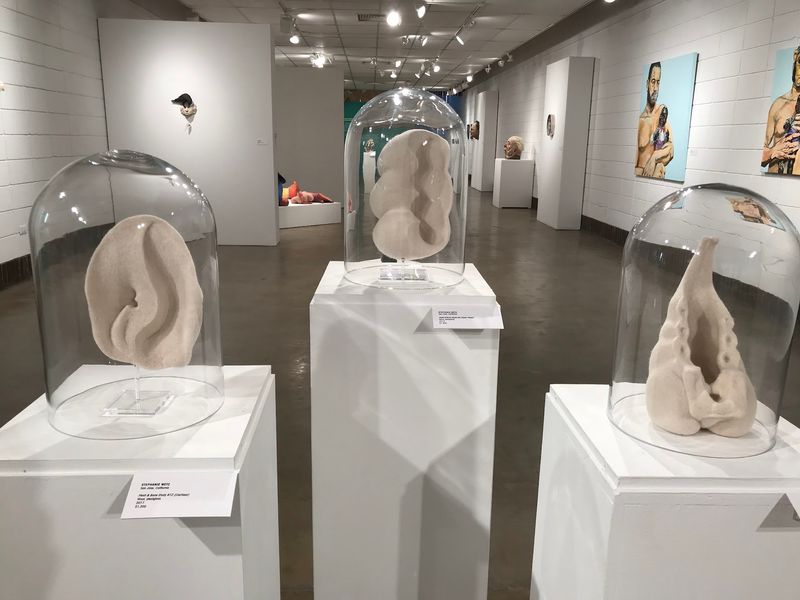
Step out of a studio for fresh air and you might land in an exhibition instead. Four galleries sit on the campus at 150 Baskins Creek Bypass, Gatlinburg, TN 37738.
Exhibitions feature work from instructors, artists-in-residence, and craftspeople from around the country and abroad. Seeing finished professional pieces while your own project is half-done is oddly motivating.
Standards rise without anyone lecturing you.
Murals and art installations appear throughout the grounds too. A short stroll between buildings turns into a small tour. These pauses give the eyes a rest and the mind a reset.
For quilters, studying other fiber work up close pays off. Stitch density, color choices, and edge finishing all become clearer in person than in photographs.
Details that never show on a screen suddenly make sense.
The galleries also serve people who are not enrolled in anything. If you happen to be in Gatlinburg, the exhibition spaces welcome you during weekday hours.
There is an art supply shop on site as well, handy when you run low on thread or need a tool you forgot to pack.
Between studio hours and gallery walls, the whole campus becomes a steady source of inspiration rather than a single classroom.
An Appalachian Craft Legacy Passed Hand To Hand
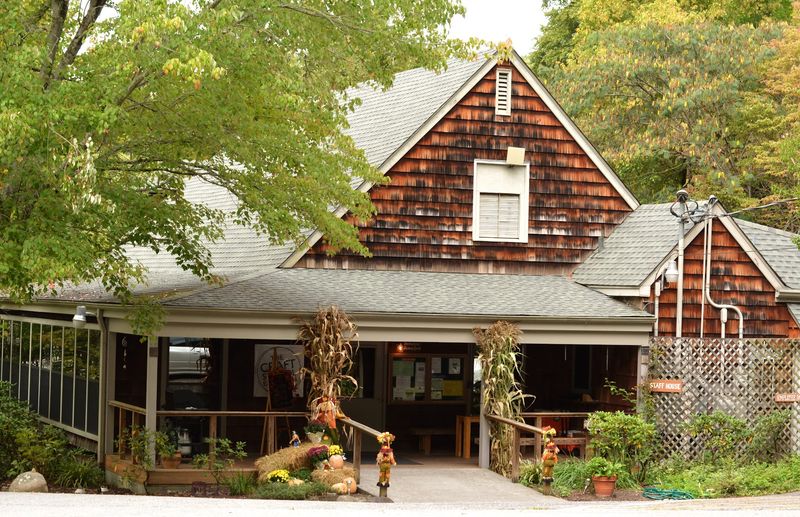
Traditional Appalachian craft did not survive by accident. Places like this one worked to keep it alive, and the effort continues today.
Arrowmont School of Arts and Crafts connects traditional practitioners with students of every age and skill level. Techniques get demonstrated by people who learned them from earlier generations.
That chain of transmission is the whole point.
The ArtReach program carries Appalachian crafts and culture into rural Central Appalachian communities. Schoolchildren who might never sit at a loom or quilting frame get the chance.
Interest often starts young.
Legacy workshops focus on educators, giving teachers a way to learn traditional arts and bring them back to their own classrooms. One teacher can reach hundreds of students over a career.
The multiplier effect is enormous.
For quilters specifically, this heritage framing adds depth. Patterns you stitch have history behind them, shaped by mountain households making practical objects beautiful.
The school also offers community art classes for local children, keeping the original 1912 spirit of neighborhood education alive.
Learning a craft here feels less like a hobby and more like joining something ongoing. You take a skill home, and eventually you pass it to someone else.
That is how these traditions keep moving forward.
Mountain Quiet Minutes From Downtown Gatlinburg
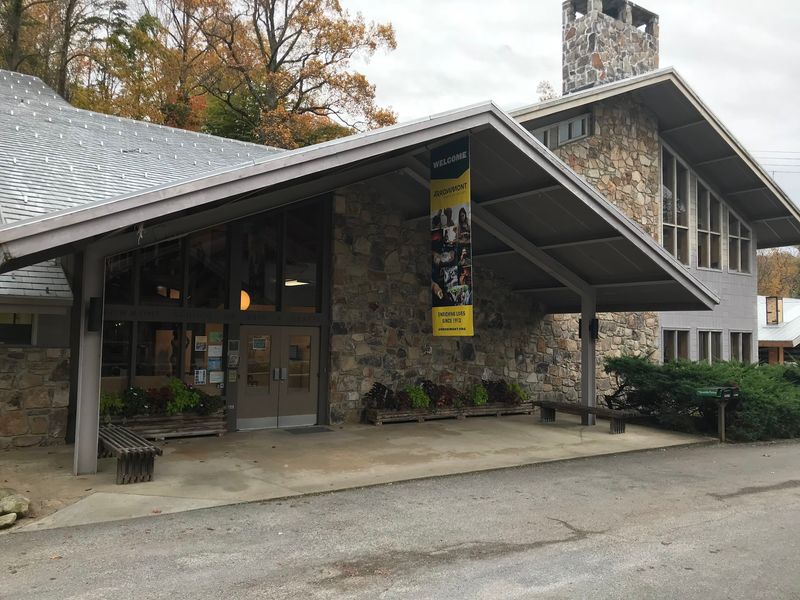
Here is the funny part. Thousands of people walk right past this campus every year without noticing it exists.
The thirteen-acre grounds sit in downtown Gatlinburg, yet a thick barrier of trees blocks the noise. Behind the gate, the atmosphere turns quiet and wooded. It functions as a retreat while shops and sidewalks buzz nearby.
That location is a practical bonus. Restaurants, shops, and the entrance to Great Smoky Mountains National Park are all close by.
A free afternoon can turn into a short hike or a stroll through town.
Wildlife occasionally drops in, since this is the edge of the Smokies. A bear scratching its back on a campus tree is not unheard of. Nature stays genuinely present.
For travelers, the combination is hard to beat. You get focused studio time, mountain scenery, and easy access to one of Tennessee’s most popular destinations.
Families who tag along have plenty to do while you sew.
Plan for the hillside terrain, since paths between buildings climb a bit. Consider it built-in exercise after hours bent over a quilt top.
Few craft schools offer this balance of solitude and convenience, which explains the long drives people happily make to Gatlinburg.