
9 Wildlife Conservation Programs In Tennessee Where You Can Volunteer Or Learn
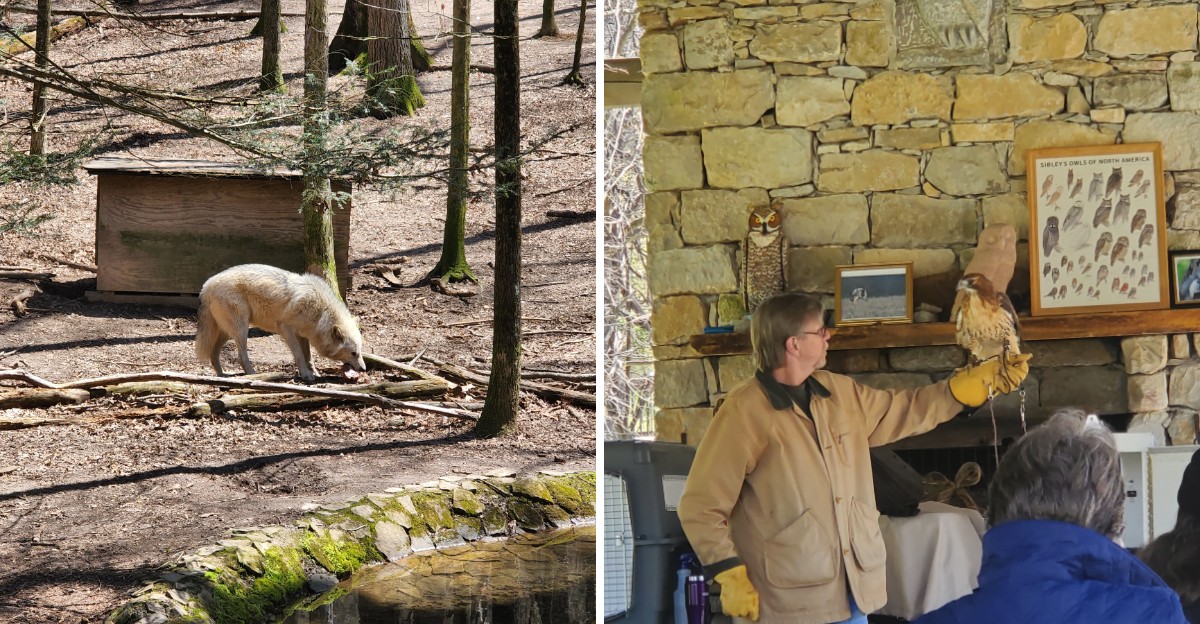
Getting close to wildlife can mean more than snapping a photo and moving on. Tennessee offers programs where people can learn how animals are protected, help with conservation work, and better understand the habitats that keep native species thriving.
These opportunities cover a wide range of interests. You might spend time learning about injured birds, helping with habitat projects, supporting wildlife education, or seeing how conservation teams care for animals that cannot return to the wild.
Many programs also give visitors a closer look at the challenges facing local species and the work happening every day to protect them.
For families, students, animal lovers, and curious travelers, these experiences add a deeper purpose to a day outdoors. They also make it easier to see Tennessee wildlife with a little more knowledge and appreciation than before.
1. Walden’s Puddle Wildlife Center
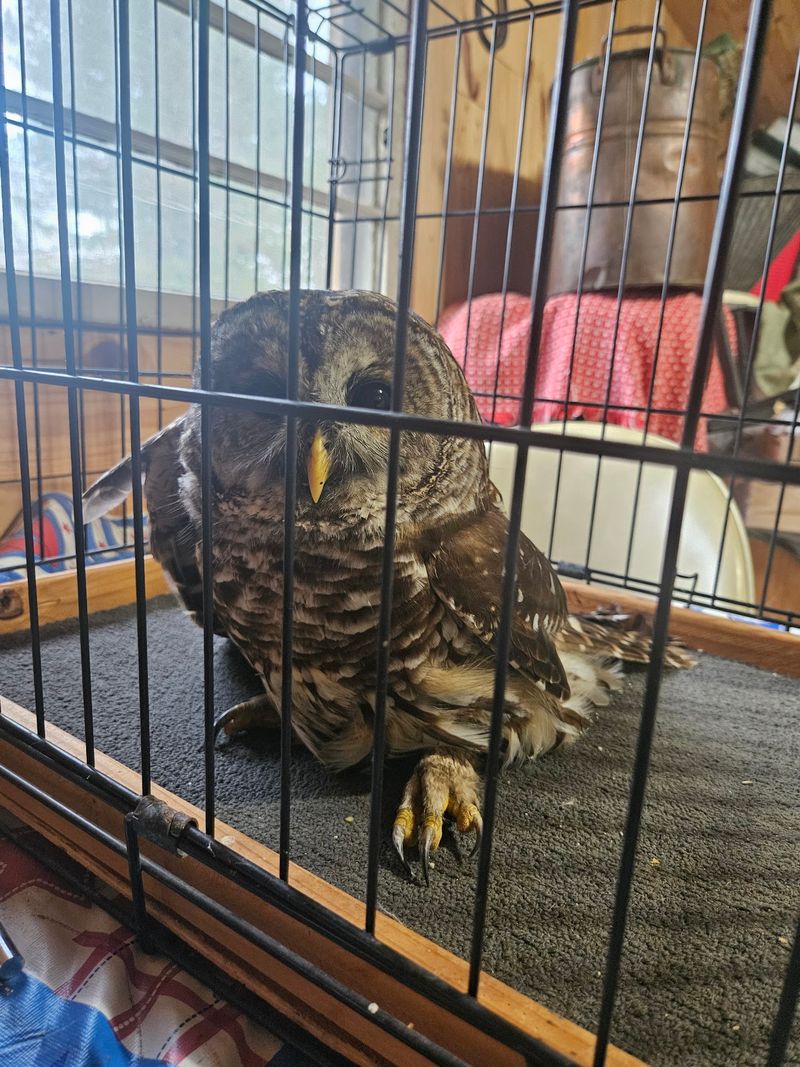
More than 3,500 animals arrive here every year, and each one gets a real shot at going home. Sitting on Jackman Road in Joelton, just north of Nashville, the center is middle Tennessee’s main hub for wildlife rehabilitation.
Patients span over 100 species. Bald eagles, great horned owls, red-tailed hawks, songbirds, cottontails, gray squirrels, opossums, red fox, and bobcats all pass through the doors.
The work is unglamorous and deeply practical. Volunteers become “Wildlife Chefs” who chop and mix animal diets, or they scrub cages, swing hammers on repairs, and drive injured animals in from across the region.
Not everyone is cut out for cage cleaning, and that is fine. Front desk help, newsletter writing, social media, and fundraising all keep the place running.
Landowners can even offer quiet acreage as a release site.
You need to be at least 16 to volunteer, which makes it a solid option for high schoolers with a science streak. Each year 20 to 30 biology, pre-veterinary, and vet tech students get hands-on training here.
The education department also takes Wildlife Ambassadors out into the community for programs. Worth knowing: the center receives no state or federal funding and runs entirely on donations, while holding permits from TWRA, the U.S.
Fish and Wildlife Service, and the USDA. Small operation, enormous reach.
2. Appalachian Bear Rescue
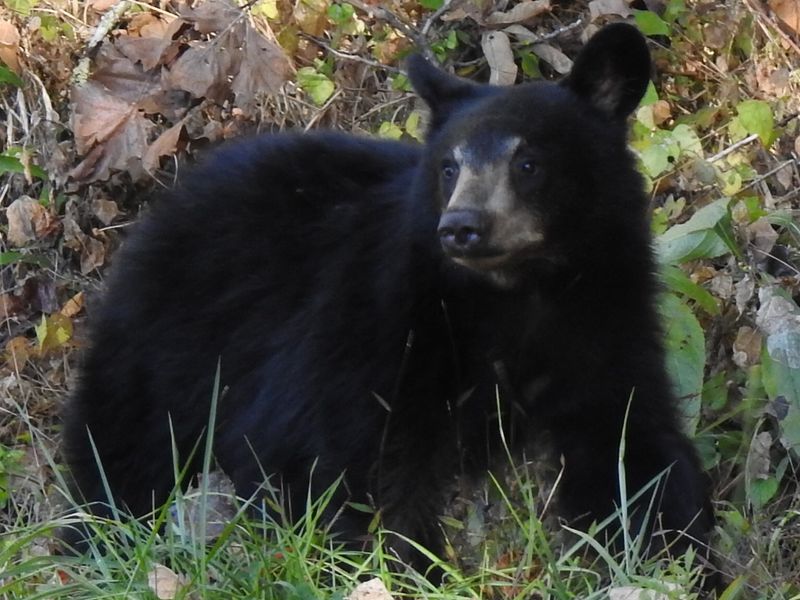
Imagine a nursery where the babies weigh four pounds and have claws. On Painted Trillium Way in Townsend, right at the edge of Great Smoky Mountains National Park, orphaned and injured black bear cubs get exactly that kind of care.
The goal is never permanent residency. Cubs are weaned quickly to limit human contact, then moved into one of four wild enclosures set in real forest.
Recent additions include a Cub House, Acclimation Pens, and a recovery center for injured arrivals. A University of Tennessee study found a 93% success rate for released cubs and yearlings, matching survival rates of bears raised entirely in the wild.
Here is the part visitors sometimes miss: the rehabilitation facility is closed to the public for good reason. The off-site Visitor and Education Center in town is where you go, with videos of former cubs and lessons on coexisting with bears.
School programs suit K-8 students and align with Tennessee Life Science standards. Topics range from bear awareness to a “Junior Bear Curator” session, often wrapped up with a song called “Be Bear Smart, Be Bear Safe.”
Volunteers gather fruits and nuts, staff education tables, clean up litter, build things, and greet guests at the center. Direct bear contact is off limits under TWRA rules, which is precisely why the program works so well.
3. Reflection Riding Arboretum & Nature Center
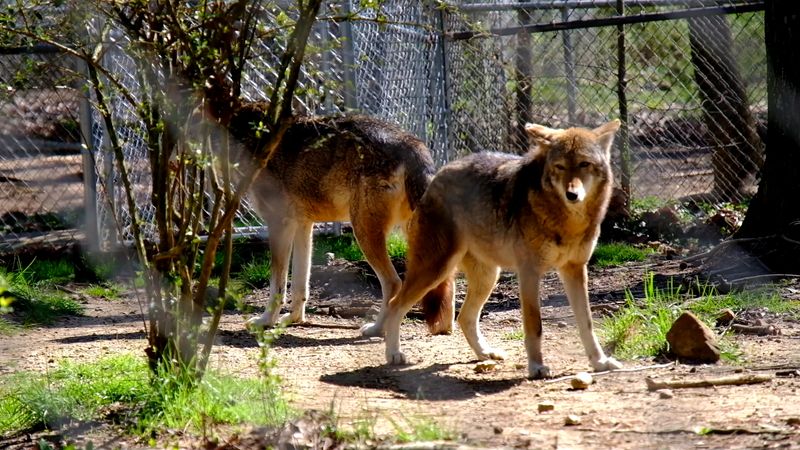
Red wolves are among the rarest animals on the continent, and a few of them live on Garden Road in Chattanooga.
Spread across roughly 300 acres at the base of Lookout Mountain, Reflection Riding Arboretum & Nature Center mixes hardwood forest, wildflower meadows, wetlands, pastures, and a mile of Lookout Creek.
Fifteen miles of trails wander through it all. The Blue Heron Boardwalk is ADA-accessible, and a three-mile gravel loop suits longer legs.
Animal Ambassadors here represent 29 species native to East Tennessee, including bobcats, sandhill cranes, and a bald eagle. The center participates in the Red Wolf Species Survival Plan and a turtle SAFE program that tracks turtles for eventual release.
Plant work runs just as deep. A “Mother Garden” supplies native seed, Gum Spring Creek is being restored, Monarch Waystations dot the property, and American Chestnuts are conserved through hybridization.
Community Weed Wrangles turn invasive plant removal into a group sport. The native plant nursery offers workshops plus a certificate program for people who want real skills.
Volunteer roles stretch from seeding and repotting to carpentry, electrical work, parking duty, and staffing the front desk. High schoolers can apply for the Native Landscape Management Apprenticeship.
The whole property is permanently protected by a conservation easement, so the trails you love today stay put.
4. American Eagle Foundation
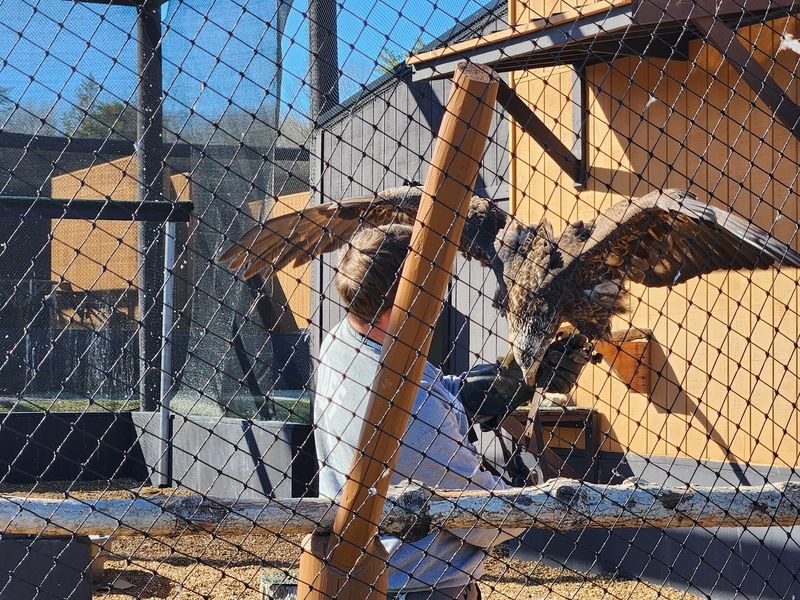
Few nonprofits can say they helped rebuild a national symbol. Based on Kodak Road in Kodak, the American Eagle Foundation has spent decades working on behalf of bald eagles and other birds of prey.
Its historic breeding and “hacking” program placed young eaglets in artificial nests within wild habitat, boosting populations in a measurable way. Roughly 70 non-releasable raptors now live in its care as ambassador birds.
Many people meet the foundation without realizing it. The Birds of Prey presentation at Dollywood’s Wings of America Theater in Pigeon Forge reaches millions of guests each year.
Since 2023 the organization has grown into its Kodak campus, expanding care, conservation, and teaching space. Plans for “Project Eagle” include a Birds of Prey Museum, classrooms, conservation gardens, and aviary exhibits.
Field work continues too. Staff assist with transport, rehabilitation support, and release of sick or injured raptors, and the Bald Eagle Grant Program funds research on habitat and reducing lead shot.
The “Reel Conservation” effort encourages anglers to collect stray fishing line, a small habit with big consequences for birds. Live nest cameras let anyone watch eagles from home, with moderators answering questions.
Volunteers staff event displays, help with outreach, pitch in on construction, and assist guests at Eagle Mountain Sanctuary. Internships suit college students chasing avian careers.
5. Owl’s Hill Nature Sanctuary
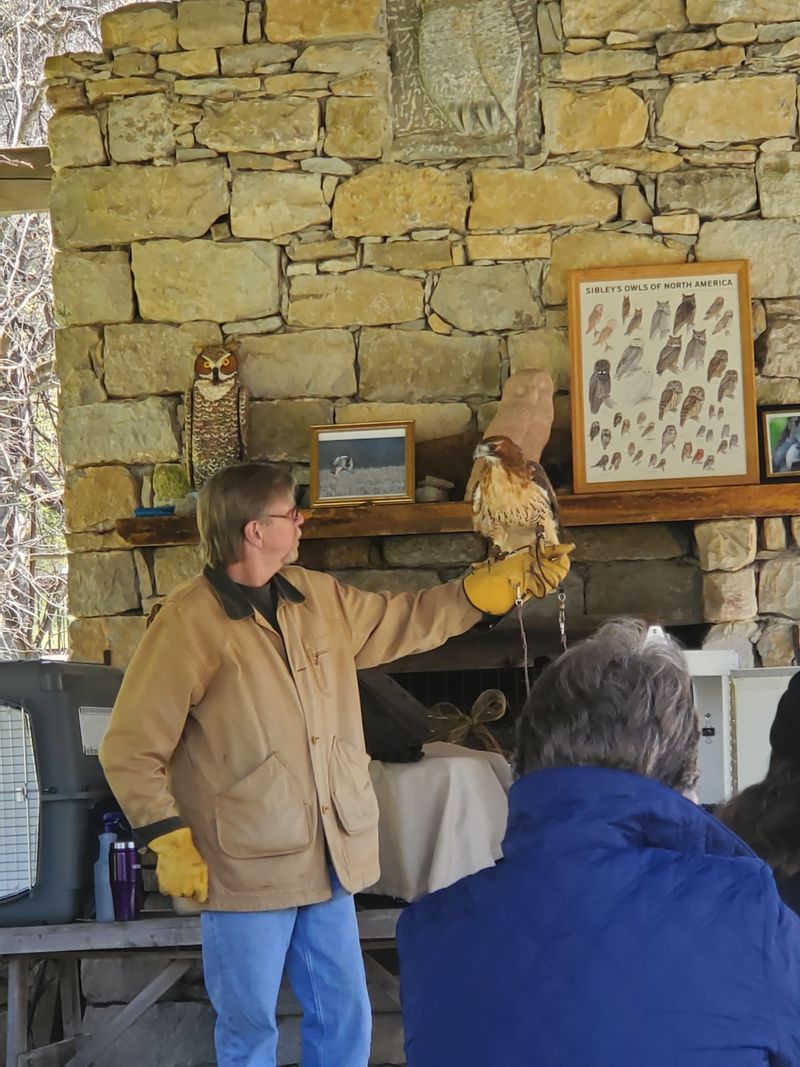
Three-hundred-year-old trees still stand on this property, and so do fossil traces older than anyone can picture. On Beech Creek Road South in Brentwood, the sanctuary protects 300 acres in northwestern Williamson County.
Over 2,000 species of local plants and animals live among its hills, creeks, ponds, forests, and meadows. Birders have recorded more than 125 species here.
Non-releasable owls serve as Wildlife Ambassadors, giving visitors a rare close look at birds most people only hear after dark.
Bluebird nest boxes feed data into a national research program, and a 20-month survey documented amphibian and reptile populations on site.
Programs cover a wide age range. “Knee-High Naturalists” is built for ages 3 to 5, while school field trips pair guided habitat hikes with owl visits and match state standards.
Scouts earn badges or tackle Eagle Scout projects. Homeschool days explore predators, animal adaptations, and wildflowers, and camps fill spring break and summer with crafts, hikes, and live animal encounters.
Adults get the Tennessee Naturalist Program, a ten-month course covering natural history, citizen science, and habitat restoration. Volunteers work as Trail Guides, Weed Warriors, Trail Keepers, or Visitor Center helpers, and teens 12 to 17 can train as camp counselors.
Access is limited to protect habitat, so grab a Day Pass and leave pets at home.
6. Wolf River Conservancy
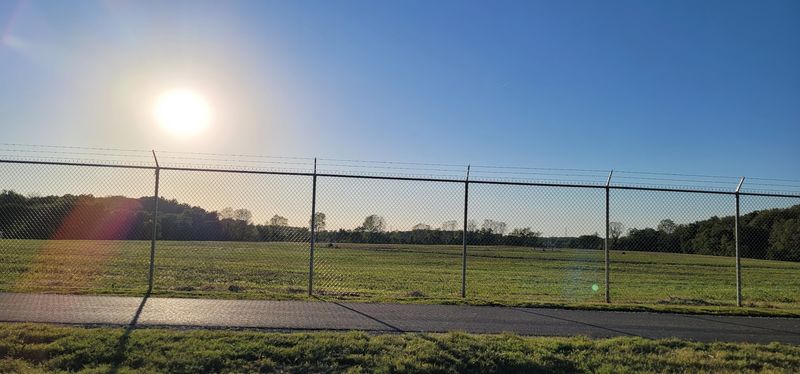
It started with a fight over a gravel mine. In 1985, volunteers pushed back against plans along the Wolf River and imagined a greenway and wildlife corridor instead.
Today the Conservancy runs from Union Avenue Extended in Memphis and protects the river and its watershed.
The numbers tell the story. Over 20,000 acres are now protected, including the Ghost River State Natural Area, a maze of cypress swamp and slow water.
Those wetlands do double duty. They shelter wildlife and help recharge the Memphis Sand Aquifer, the source of the city’s drinking water.
Restoration work is refreshingly concrete. Cleanups have hauled out more than 7,700 pounds of debris, and volunteers have planted over 60,000 trees during the annual Wolf River Restoration Series.
The Wolf River Greenway is taking shape as a 26-mile trail, with 14 miles already open and 22 neighborhoods set to connect. Free programs along the route include nature walks, exercise classes, and kayaking.
Education reaches K-12 students across Memphis and the Mid-South at no cost, linking classroom lessons to aquifers, water quality, and local ecology. Educators can take Project WET workshops.
Volunteers serve as Greenway Ambassadors, Land Stewards pulling invasive plants, or certified River Guides after training. College interns get a genuine foot in the conservation door.
7. Ijams Nature Center
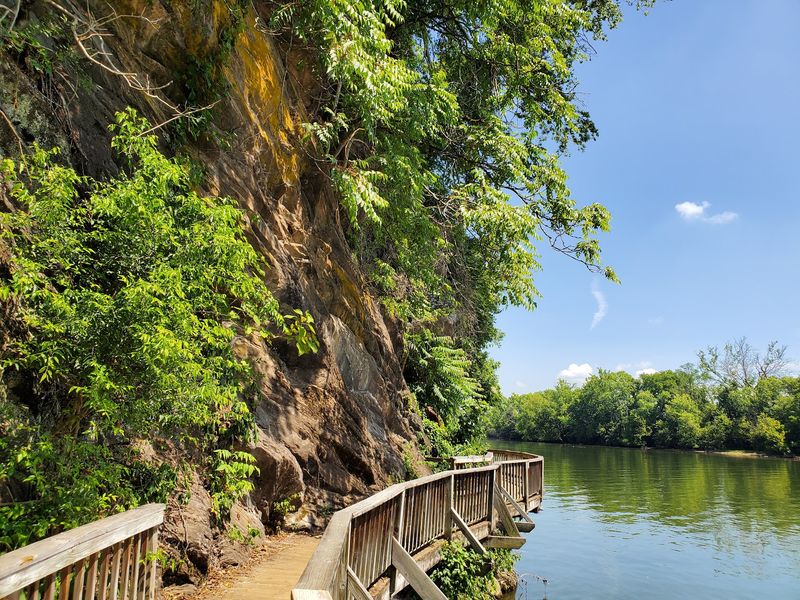
Three miles from downtown Knoxville, a former quarry has turned into one of the state’s most surprising wild places.
Ijams Nature Center covers roughly 315 acres on Island Home Avenue, with forests, meadows, wetlands, creeks, caves, and a boardwalk along the Tennessee River.
Mead’s Quarry is the showstopper. A 25-acre lake sits below rocky bluffs, with protected caves nearby and over 14 miles of trails threading the property.
Migrating songbirds pour through in season, which explains why bird banding is one of the center’s ongoing Community Science projects. Phenology Plots and NestWatch track how natural events shift over time.
Staff and volunteers battle English ivy and other invasives, restore native habitat, and build wildlife corridors as part of the Knoxville Urban Wilderness. The Weed Warriors certification teaches anyone to identify and remove problem plants.
Hundreds of naturalist-led programs run each year. Owl prowls, bat nights, caving, kayaking, and wildflower walks keep the calendar unpredictable in the best way.
School field trips explore ecosystems, watersheds, and animal adaptations, and Animal Outreach brings live ambassadors into classrooms. The exhibit hall holds native fish, reptiles, amphibians, and insects.
Volunteers log over 10,000 hours annually on trail work, event support, visitor help, field trip leadership, and research. A Tennessee Naturalist Program chapter meets here too.
8. Bays Mountain Park & Planetarium
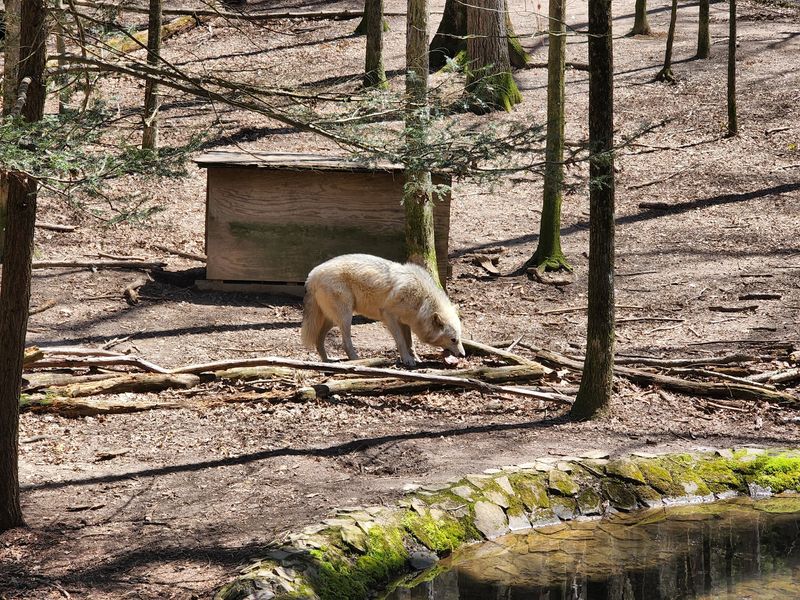
Wolves in the morning, stars at night, all inside one city park. Bays Mountain Park in Kingsport stretches across 3,788 acres on Bays Mountain Park Road, making it the largest city-owned park in Tennessee.
Designated a state natural area in 1973, it holds a 44-acre lake and about 44 miles of hiking and mountain biking trails. The forest supports a wide mix of plant communities.
Native Appalachian animals in human care include wolves, bobcats, red foxes, and birds of prey. The Herpetarium keeps live turtles, snakes, and amphibians where visitors can actually see them clearly.
Habitats keep improving under the Park Improvement Plan, which follows current animal care and welfare standards. Keeper Talks explain what daily life looks like for a wolf or a bobcat.
Then there is the planetarium, and it is no gift shop projector. A 40-foot dome recreates the night sky, and the staff produce full-dome shows that other theaters around the world lease.
Free StarWatch and SunWatch events run seasonally. Programs like “Appalachian Skies” tie constellations to local landscape.
Volunteers 18 and older help in the Herpetarium, assist in the Raptor Center, run telescopes, maintain trails, interpret history at the Farmstead Museum, and present programs. Ages 14 to 17 may join with adult supervision and parental consent.
9. Tennessee National Wildlife Refuge Visitor Center
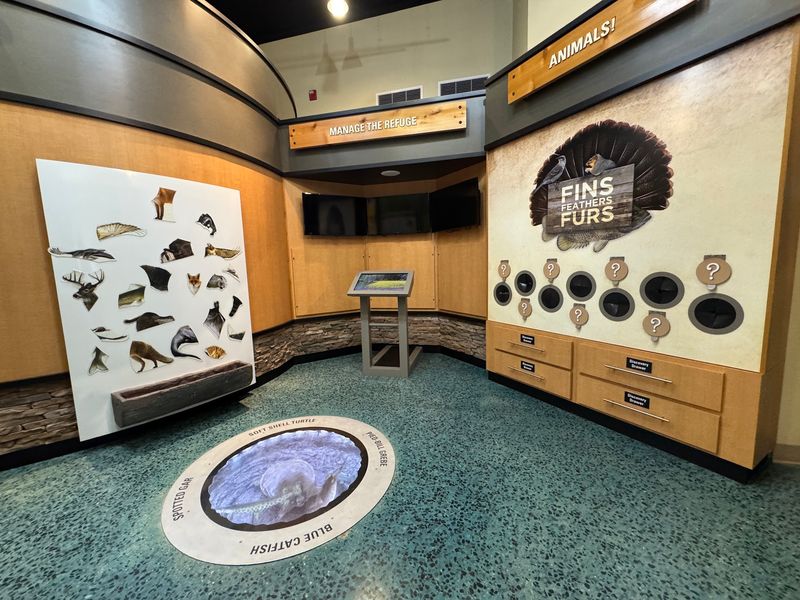
In winter, the sky above Kentucky Lake fills with waterfowl, and that is exactly why this refuge exists. Established in 1945, it protects resting and feeding grounds for migratory birds across three units stretching along 65 miles of the Tennessee River.
The scale is hard to grasp. Over 51,000 acres of forest, farmland, wetland, and grassland support more than 300 bird species, 51 mammals, and 144 kinds of fish.
The Visitor Center on Wildlife Drive in Springville opened in 2014 and covers 7,000 square feet overlooking the lake. Exhibits, an auditorium, a classroom, and the Blue Heron Nature Bookstore fill the space.
It earned Silver LEED certification thanks to solar panels and a geothermal system, so the building practices what the refuge preaches. It is fully ADA accessible and genuinely kid friendly.
Habitat management runs on cooperative farming, where local growers plant corn, milo, and winter wheat and leave the refuge’s share standing for ducks and geese. Water levels in impoundments are adjusted to grow wetland plants and expose mudflats for shorebirds.
Wood duck nest boxes and selective forest thinning round out the effort. Certain waters close from November 15 to March 15 as bird sanctuaries.
Friends of Tennessee NWR volunteers greet guests, run the bookstore, support Earth Camp, and help with festivals and field trips.