
You’ll Find Owls, Mountain Lions And Otters Just Feet Away At This Unique Massachusetts Destination
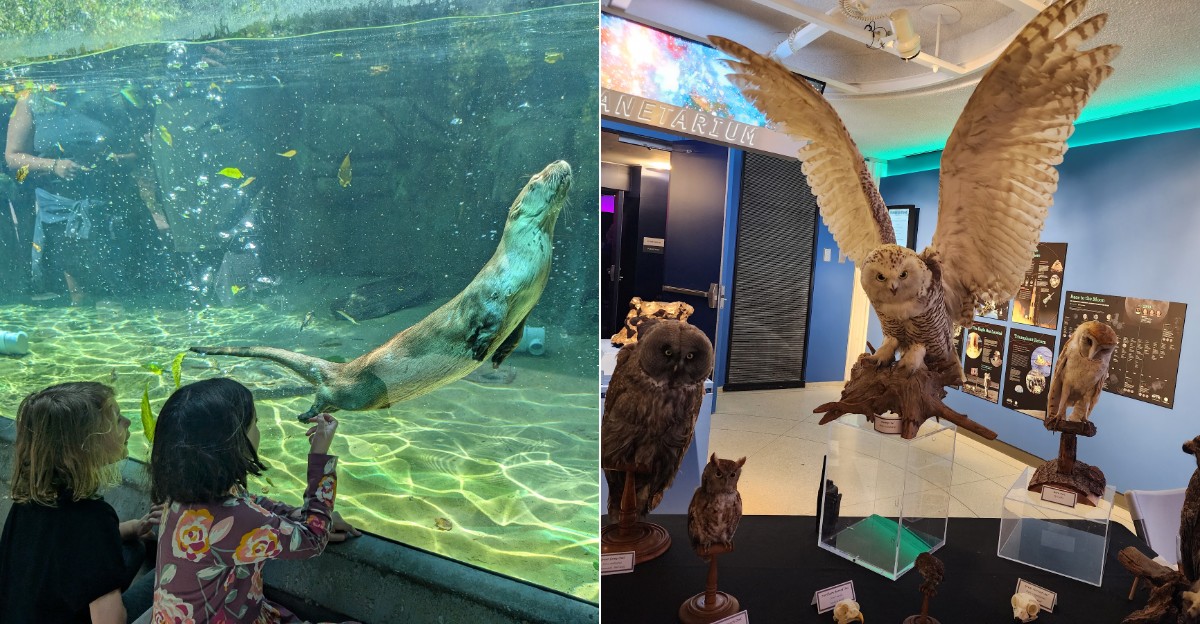
A pair of sibling mountain lions named Salton and Freyja roam a grassy habitat covering 18,500 square feet. They share the grounds with a bald eagle, three owls, and a river otter who has her own pool.
The best part? This whole wild crew lives right beside three floors of hands-on science, all in one leafy corner of Massachusetts.
I believe curious kids and grown-ups rarely get this much variety in a single stop. Trails wind through meadow, pond, and forest, while a little train circles the grounds when the weather warms up.
There’s even a digital planetarium for anyone who wants a few stars with their wildlife. So how does one place squeeze owls, wild cats, a former bear home, and outer space into one easy afternoon?
Two Mountain Lions Rule A Habitat That Once Belonged To Polar Bears
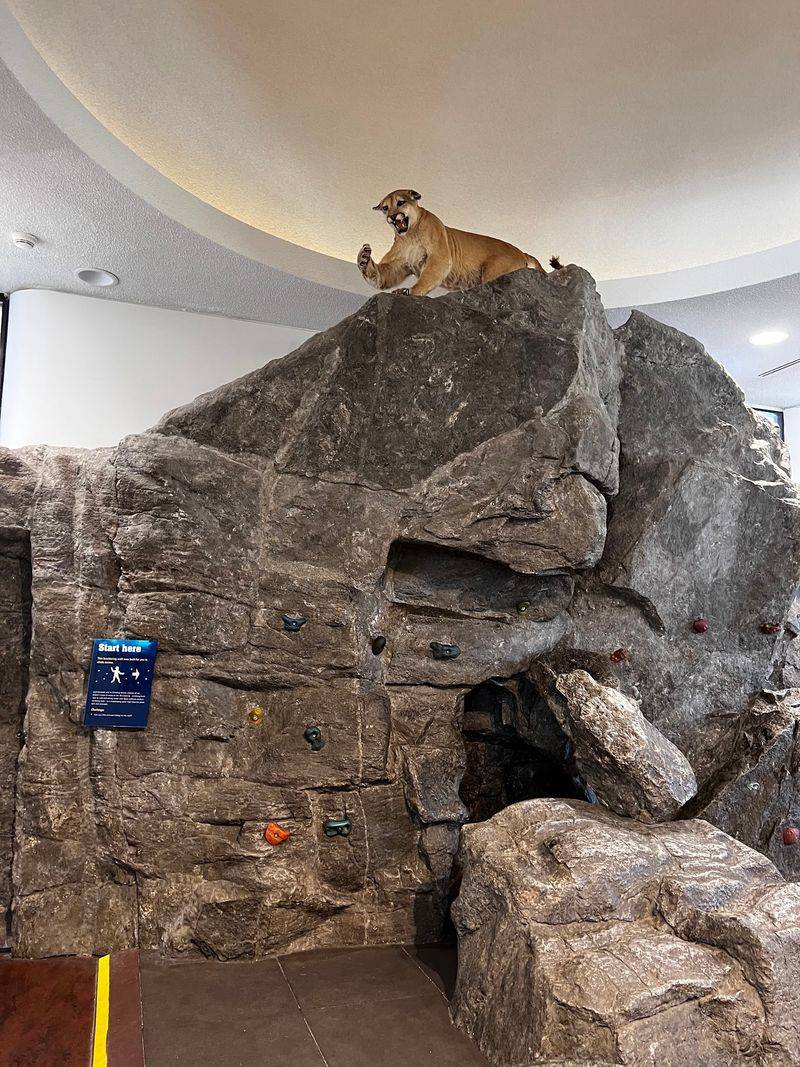
Big cats in central Massachusetts sound like a tall tale, yet the EcoTarium makes it completely real. Its Wild Cat Station is home to Salton and Freyja, a brother and sister pair of mountain lions.
Their story comes with a fun twist. The exhibit opened in 2019 after the museum transformed its former polar bear habitat into a brand-new home for wild cats.
So yes, bears really did live here once. Today the space belongs to two sleek felines with plenty of room to stretch their legs.
How much room? The habitat covers about 18,500 square feet, making it one of the largest mountain lion exhibits in the country.
The design leans hard into nature. Grass, trees, logs, and rocky alcoves give the cats places to climb, jump, lounge, and keep an eye on everyone.
That variety matters for spotting them. Mountain lions love a good perch, so scan the rocks and the shady corners before moving on.
A little patience pays off here. Pause at different viewing spots, and you might catch one gliding across the grass like it owns the place.
Wild Cat Station also includes habitats for several native bird species. That bonus makes the walk feel like a mini tour of New England wildlife.
Bring a camera with a decent zoom if you have one. Mountain lion photos make excellent bragging material back home.
My advice is simple and easy to follow. Start your visit here while energy is high, then let the rest of the day unfold.
Feathered Residents Each Come With A Story Worth Hearing
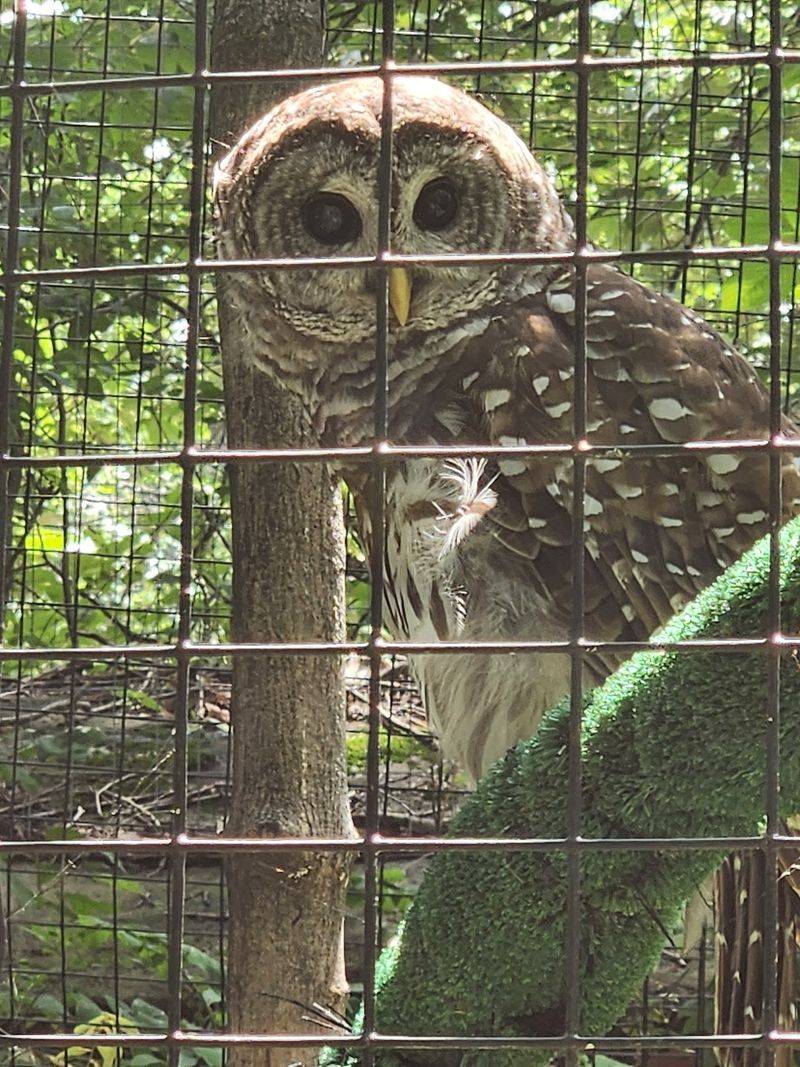
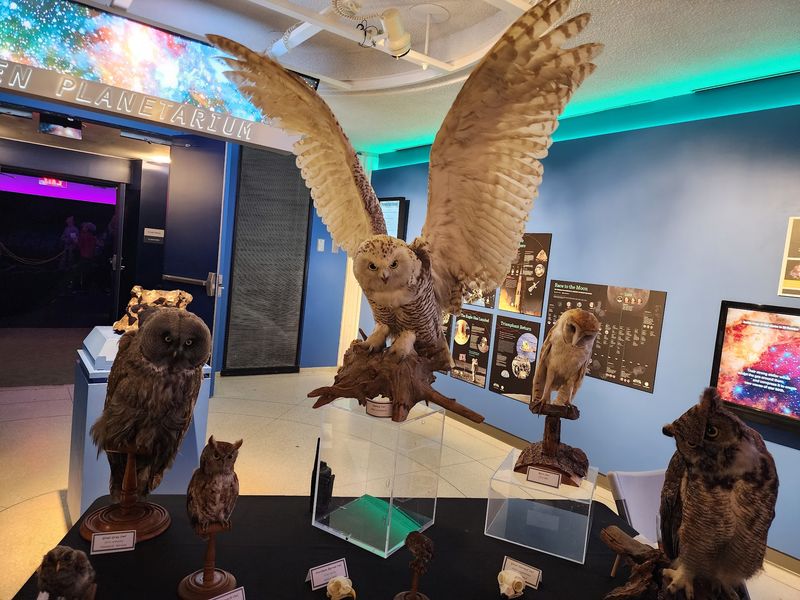
Owls are famous for their staring contests, and the residents here are champions. The museum cares for a Great Horned Owl named Rooney, an owl named Rose, and an Eastern Screech Owl named Marvin.
Each bird lives here for a reason. Rooney and Marvin both have past injuries, so returning to the wild isn’t an option for them.
That backstory changes how you look at them. These birds aren’t just pretty faces, they’re ambassadors who help visitors understand real wildlife challenges.
Marvin deserves special attention because screech owls are small. His feathers blend so well with bark that finding him can feel like a tiny victory.
Rooney, by contrast, brings serious presence. Great Horned Owls sport those famous ear tufts, giving them a permanently unimpressed expression that kids find hilarious.
Then there’s Dianne, and she steals plenty of attention. This female bald eagle lives at the EcoTarium because wing injuries keep her from flying well enough to hunt.
Seeing our national bird up close is a big deal. Her white head and sharp yellow beak look even more striking in person than in photos.
Here’s a smart move for families. Ask kids to compare the owls and the eagle, from eye placement to feather colors, and watch the questions start rolling.
Quiet voices help too. Birds notice everything, and a calm approach often means a longer, better look at these remarkable residents.
An Otter Named Daisy Might Become Your Favorite Swimmer
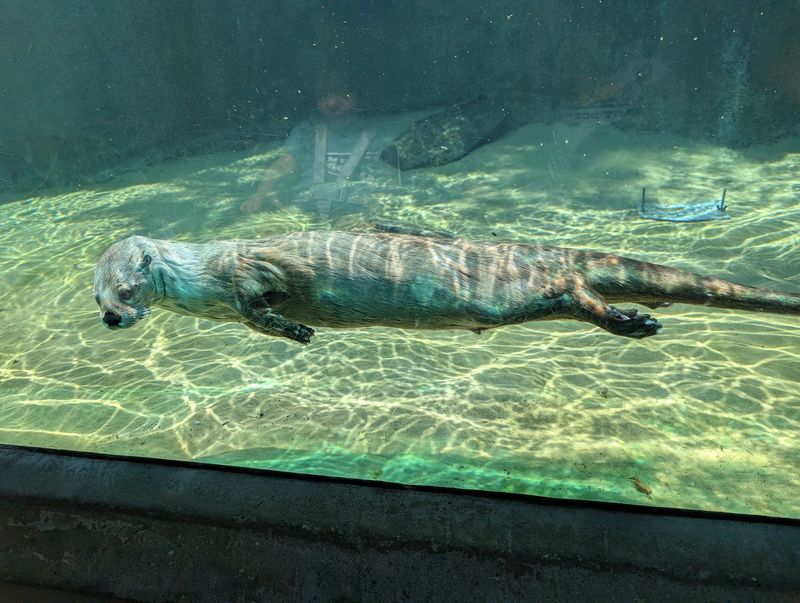
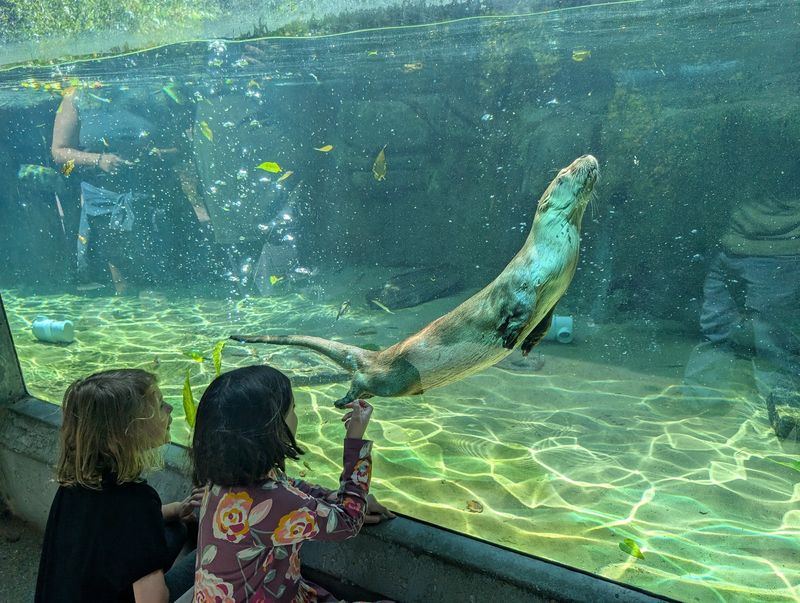
Daisy doesn’t do boring. The North American river otter at the EcoTarium splashes around in a pool holding nearly 3,300 gallons of water.
That’s a lot of water for one energetic swimmer. It gives her plenty of space to twist, roll, and zoom in ways that make people laugh out loud.
River otters are built for this lifestyle. Their long bodies, webbed feet, and thick tails turn them into natural speedboats with whiskers.
Watching Daisy is pure entertainment for every age. One minute she’s gliding along calmly, and the next she’s spinning like she just heard her favorite song.
Otters also have a reputation for curiosity. They tend to investigate everything around them, which makes each visit feel a little different.
Timing can make a big difference. Check the daily schedule when you arrive, since the museum runs free educator-led Science Discovery Programs that may include animal moments.
Those programs add real value to your trip. You get facts, stories, and a chance to ask questions without paying anything extra.
Young visitors often love comparing Daisy to themselves. Can you hold your breath that long, or swim that fast, or flip that gracefully?
Spoiler alert, Daisy wins every time. Still, it’s a fun way to get kids thinking about how animals adapt to water.
Plan a second pass by her pool before leaving. Otters change moods quickly, and an encore performance is always possible.
Three Floors Of Science Mean Rainy Days Never Win
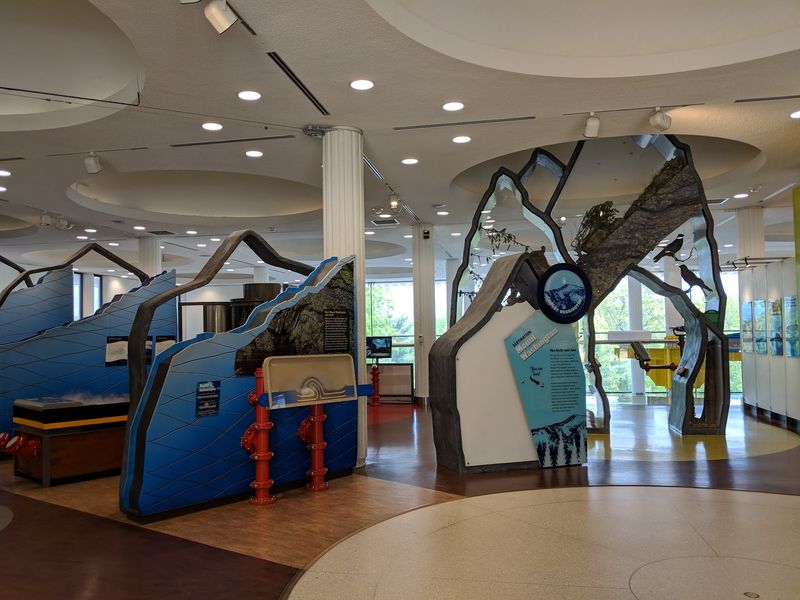
Weather forecasts lose their power once you head indoors. The building packs three floors of hands-on, interactive exhibits covering natural science, physical science, and the New England environment.
Hands-on is the key phrase here. Kids are encouraged to touch, test, and figure things out instead of just reading signs.
Journey to Space is a clear favorite for future astronauts. It lets young explorers think about life beyond our planet without leaving Worcester.
Mount Washington brings things closer to home. The exhibit focuses on the famous New England peak known for its wild and extreme weather.
City Science flips the topic in a clever way. It explores the science hiding inside everyday urban life, from buildings to the systems around us.
Then there’s the Animal Corner, and it’s adorable. A resident woodchuck named Cornelia lives here, which makes her a local celebrity among small fans.
Other program animals help with interactive learning. Eastern Box Turtles and Madagascar hissing cockroaches appear in activities that turn squeamish kids into brave scientists.
Yes, the cockroaches hiss, and yes, that’s part of the fun. Few things spark more giggles than an insect with its own sound effects.
A practical tip goes a long way. Explore one floor at a time and let kids lead, since curiosity works better than any rigid plan.
Grown-ups shouldn’t hold back either. Plenty of these exhibits are just as entertaining for adults willing to push a few buttons.
Stargazing In Broad Daylight Is Totally Possible Here
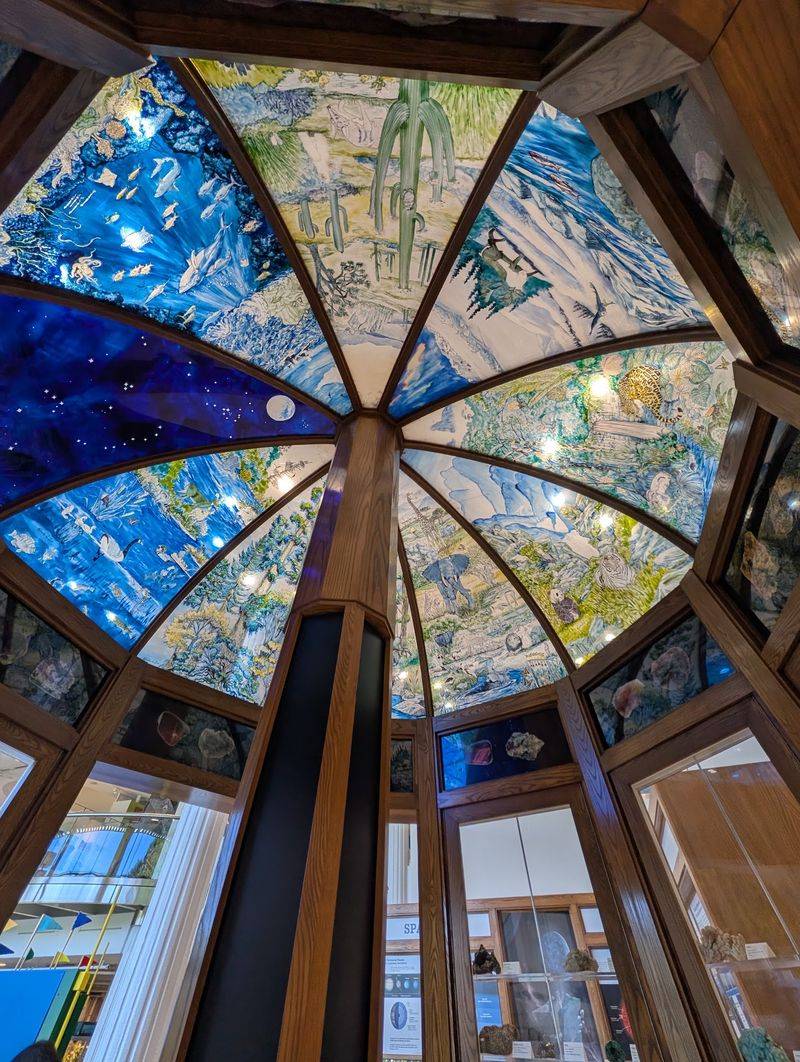
Daytime stars sound impossible until you visit the Alden Planetarium. It’s the only public digital planetarium in central Massachusetts, which makes it a genuine standout.
The technology has kept moving forward over the years. The planetarium went digital in 2007, then reopened in 2022 with new 4K laser projectors.
Those upgrades matter for the experience. Sharp, bright images help the night sky feel big and immersive right above your head.
Shows offer interactive tours of the night sky. Titles have included Cosmic Adventure and Astronomy Live, giving visitors different ways to explore the universe.
Live presentations add a personal touch. Having a guide point out planets and constellations makes the sky easier to understand and remember.
Here’s a useful heads-up for planning. Planetarium shows are separate from general admission, so check the schedule and options when you arrive.
Certain shows also have age guidance. Looking at show details ahead of time helps you pick the right fit for your crew.
Families with space fans can create a fun theme day. Pair the planetarium with the Journey to Space exhibit for a full galactic adventure.
After the show, try a little homework that doesn’t feel like homework. Head outside that evening and see which constellations you can spot from your own backyard.
It’s a wonderful way to make the sky feel personal. One show might be all it takes to create a lifelong stargazer.
Muddy Sneakers Are A Sign Of A Day Done Right
More than 45 acres is a lot of ground to cover. The museum moved to this property in 1971, and much of the campus invites visitors outdoors.
Nature trails wind through meadow, pond, and forest environments. Each one offers a different look at the plants and creatures that call New England home.
Comfortable shoes are a must. Trails reward explorers who take their time and notice small details like tracks, leaves, and birds.
The Nature Explore outdoor exhibit is pure freedom for kids. Themed zones encourage building, digging, nature art, climbing, music, and movement.
That mix keeps every type of kid busy. Builders build, climbers climb, and little musicians get to bang out a tune.
Then come the bubbles, glorious bubbles. The Bubbles exhibit lets visitors experiment with soapy science outdoors, and it tends to charm everyone in its path.
Bubbles might look simple, but they teach real lessons. Kids learn about shapes, air, and surfaces while barely noticing they’re learning anything.
Seasons matter for outdoor plans. From November through March, the grounds close at 4 p.m. because the sun sets early.
A spare set of clothes is a smart idea. Digging zones and bubble play can leave clothes looking very well loved.
Honestly, that’s the point. Fresh air, open space, and a little mess create the kind of memories kids talk about for weeks.
All Aboard For A Ride Through Two Centuries Of Curiosity
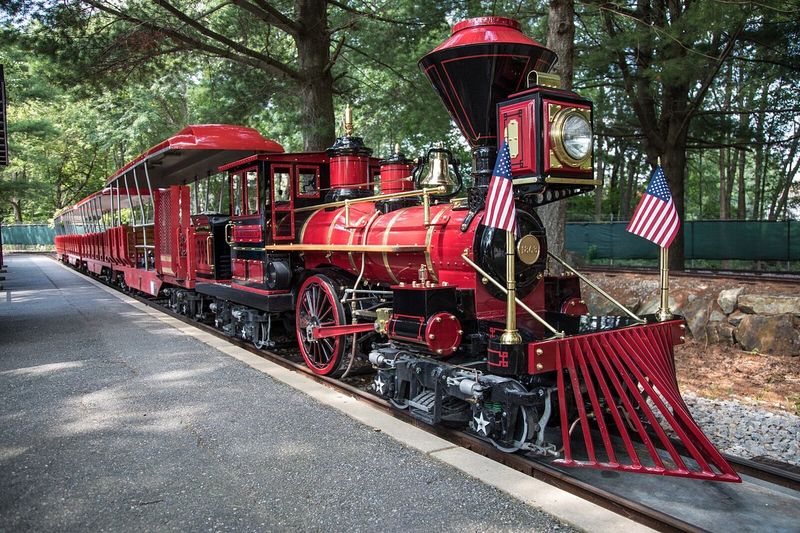
Choo-choo fans, this part is for you. The Worcester Railers Explorer Express Train is a seasonal narrow-gauge ride that loops around the museum grounds.
It’s a relaxing way to see the property. Little legs get a break, and everyone gets a fresh view of the campus from the rails.
Train rides are separate from general admission. Grab tickets early in your visit so the ride fits neatly into your plans.
While you roll along, consider how old this institution really is. It started in 1825 as the Worcester Lyceum of Natural History.
That makes it one of the oldest natural history museums in the United States. Few places can claim nearly two hundred years of sparking curiosity.
The modern name arrived in 1998. That change came with an $18 million expansion and renovation program that reshaped the visitor experience.
Every era added something new. Over time the focus grew to blend science, nature, and live animals in one inviting campus.
Kids might not care about dates, and that’s fine. Tell them the museum is older than trains themselves in America, and watch their eyebrows rise.
The ride itself works for all ages. Toddlers love the motion, while older kids enjoy spotting landmarks from their seats.
Wave at people along the way. It’s practically a train rule, and smiles come back almost every time.
Snacks, Picnics, And Everything You Need To Plan The Perfect Trip
Hungry explorers have choices. A café run by Garden Fresh serves sandwiches, beverages, snacks, and ice cream from 11 a.m. to 3 p.m.
Warm months bring a second option outside. The Trailhead Cafe near the lower parking lot offers sandwiches, salads, beverages, and ice cream.
Packing your own lunch works too. Guests can bring food, and picnic tables sit at spots like Upper Sundial Plaza and Siegfried Plaza.
Prefer to eat indoors? The Hirsh Center has eating areas plus vending machines for quick snacks.
The Museum Shop on the Upper Level stocks plush toys, science kits, books, and gifts. Shop-only visitors don’t need admission, which is handy for last-minute presents.
Accessibility gets real attention here. Sensory kits are available at the Information Desk, and an app offers audio guidance for outdoor exhibits.
Parking is free, and lockers are available to rent. Wheelchair-accessible family bathrooms and accessible parking make the day smoother for everyone.
Hours run Tuesday through Sunday, 10 a.m. to 5 p.m. Ticket sales end at 4 p.m., and holiday or vacation-week Mondays are open too.
Ready to meet the mountain lions, owls, and Daisy in person? The EcoTarium sits at 222 Harrington Way, Worcester, MA 01604.
Massachusetts has plenty of day trips, but this one covers wildlife, space, and trails together. Pack a lunch, bring your curiosity, and enjoy every wild minute.