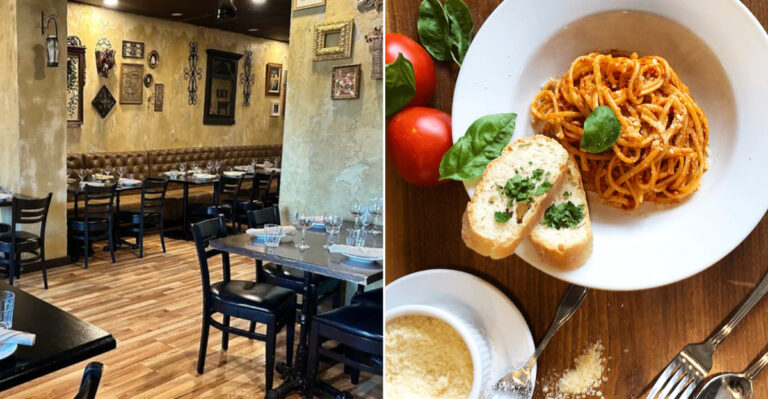
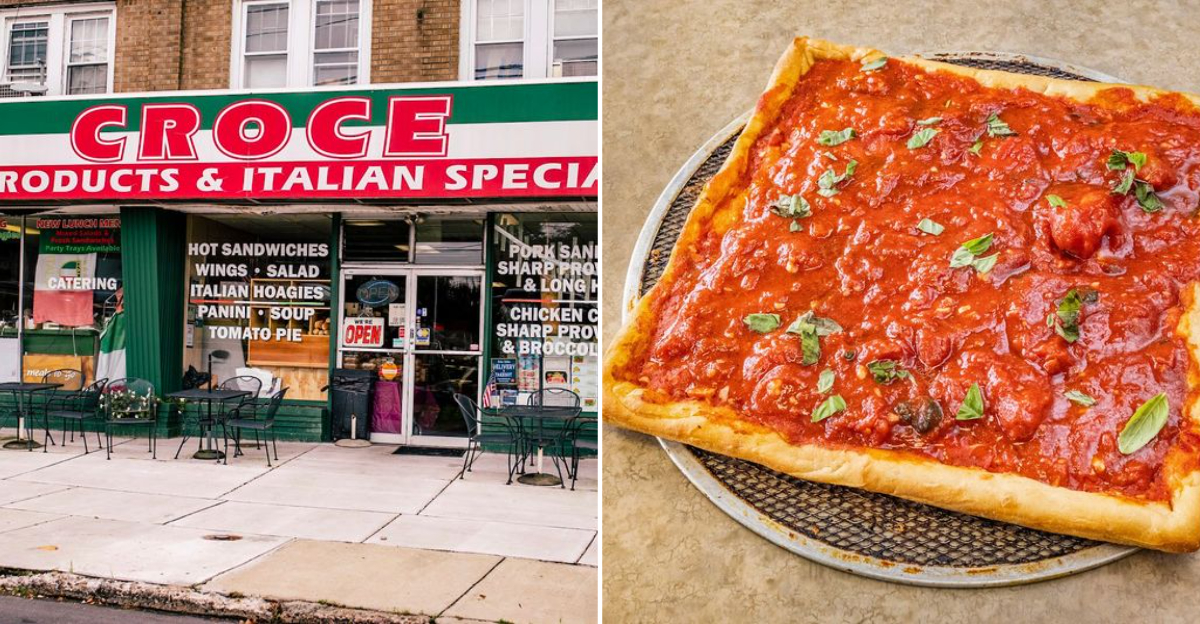
Most people assume tomato pie and pizza are the same thing. They are not.
Pizza is built on speed and heat, cheese melted over sauce, meant to be eaten fast and hot. Tomato pie flips that entirely.
The sauce goes on top, the cheese underneath, and it is served at room temperature, low and thick and deeply focused on the tomato itself. The difference sounds small until you actually taste it.
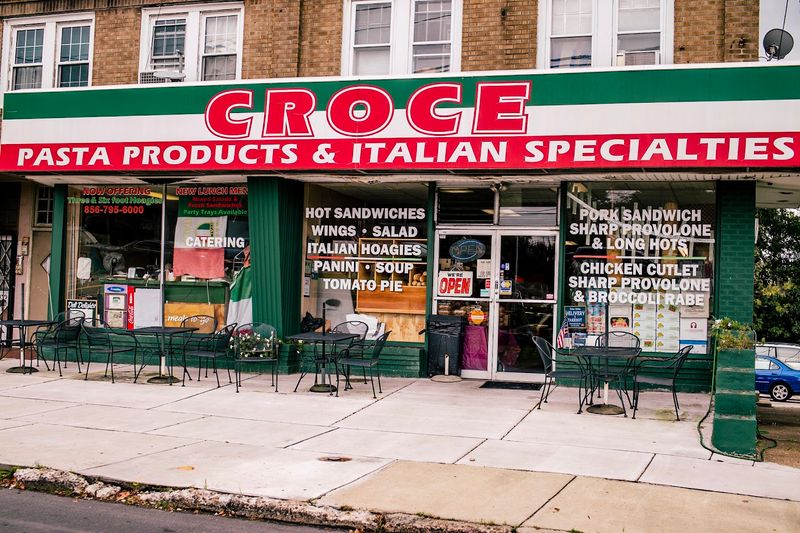
New Jersey has a little Italian deli that serves a tomato pie unlike anything else in the area. No shortcuts.
No apologies. Just dough that has had time to breathe, sauce that tastes like it has been simmering since morning, and a result that is quieter than pizza but somehow more confident.
You sit down expecting something familiar. You leave having experienced something else entirely.
Some foods are loud about what they are. This one lets the first bite do all the talking.
History And Origins Of Tomato Pie
Tomato pie has a story that starts long before pizza became a household name in America. Italian immigrants brought the tradition with them when they settled in cities across the Northeast.
Places like Philadelphia, Utica, and South Jersey became hotbeds for this old-world style of baking.
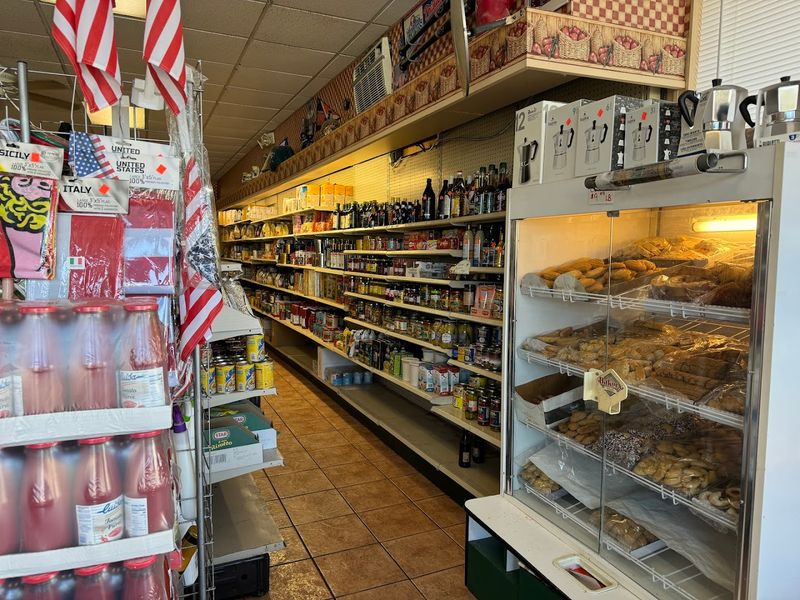
Croce Pasta and Italian Specialties has been keeping that tradition alive since Joe Croce founded the shop in 1990. This deli has always been about heritage and family.
That founding spirit still shows up in every item they make.
The tomato pie itself predates modern pizza in many ways. It was originally baked in rectangular pans and served at room temperature.
That approach made it practical for bakeries and delis to sell by the slice throughout the day.
What makes the Croce version special is that it honors those roots completely. Nothing about it feels modernized or trendy.
It tastes like a recipe that has been respected and protected for decades, because it has been. You can visit it, located at 811 Marlton Pike, Cherry Hill Township, New Jersey 08002.
Traditional Tomato Pie Ingredients
Tomato pie is refreshingly simple, and that simplicity is the whole point. The ingredient list is short on purpose.
Every item that goes into the recipe has to carry its own weight.
The sauce is the heart of the whole thing. At Croce Pasta, the tomato base is thick and chunky, with a lumpy texture that tells you real tomatoes were used.
No watered-down paste, no shortcuts. Just tomatoes that taste like tomatoes.
Olive oil plays a big role, too. It gets drizzled generously over the dough and sauce before baking.
That oil soaks into the crust and creates a rich, slightly crispy bottom that holds everything together beautifully.
Oregano and garlic are the seasoning backbone. They are not overpowering, but you would definitely notice if they were missing.
Fresh mozzarella is sometimes added, though the classic version keeps cheese minimal or skips it entirely.
The dough itself is thick and soft, almost focaccia-like. It has enough chew to feel satisfying, but stays light enough that you can eat more than one slice without regret.
Good ingredients handled simply always win.
Distinctive Preparation Techniques
Preparation is where tomato pie separates itself from regular pizza. The dough gets pressed into a rectangular pan and left to proof slowly.
That slow rise builds flavor and creates that signature airy, chewy crumb.
The sauce goes on thick and stays on top. Unlike standard pizza, where sauce hides under cheese, tomato pie wears its sauce proudly.
The sauce is the feature, not the topping. That choice changes the entire eating experience.
Baking temperature matters a lot here. Tomato pie is typically baked at a moderate heat, lower than that of a Neapolitan pizza.
The goal is an even bake that cooks the dough through without burning the sauce on top.
After baking, the pie is often allowed to cool before slicing. Room temperature serving is traditional and intentional.
The flavors actually become more pronounced as the pie cools down slightly from the oven.
At Croce Pasta, the Famous Tomato Pie is available as a full 9×17-inch rectangle for $13.99, with individual slices starting at $2.66. That pricing reflects a real commitment to keeping good food accessible for the neighborhood it serves.
Flavor Profiles Of Tomato Pie
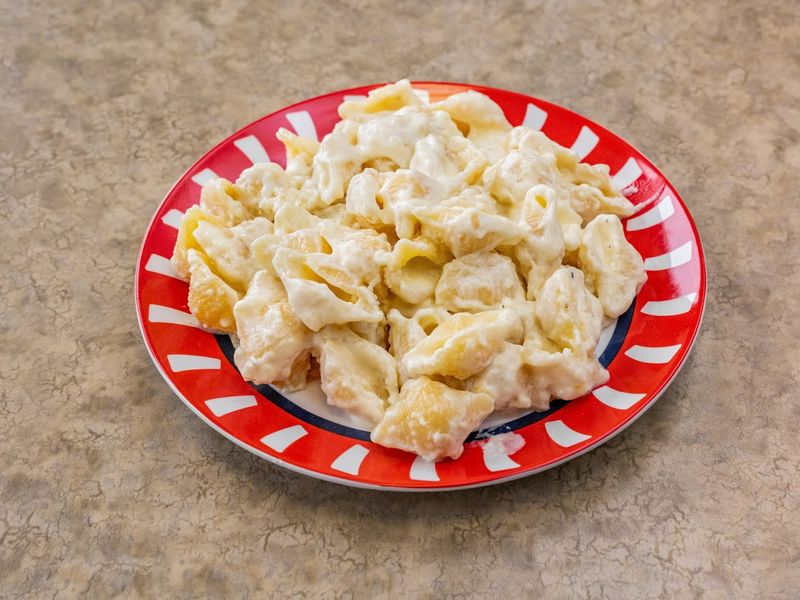
Biting into a slice of tomato pie from Croce Pasta is a specific kind of experience. The sauce hits first, bright and tangy with a natural sweetness underneath.
It is bold without being aggressive.
The tomato flavor is the whole story here. It is not masked by heavy cheese or overshadowed by toppings.
You are tasting the sauce as the main character, and it delivers every single time.
The crust brings a savory, slightly salty base to balance the acidity of the tomatoes. That contrast is what makes each bite feel complete.
Neither the sauce nor the crust fights for attention. They work together.
There is a subtle richness from the olive oil that lingers pleasantly after each bite. It rounds out the flavor profile and gives the pie a satisfying finish.
You do not feel like anything is missing.
Oregano adds an herbal note that ties everything together. It is earthy and familiar, the kind of flavor that makes you think of old Italian kitchens.
The overall profile is clean, honest, and deeply satisfying in a way that feels timeless rather than trendy.
Pairing Tomato Pie With Side Dishes
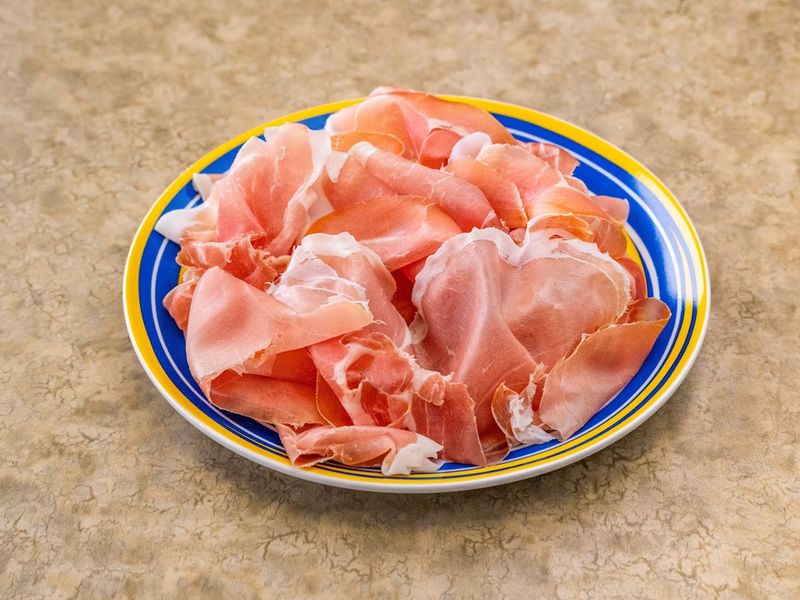
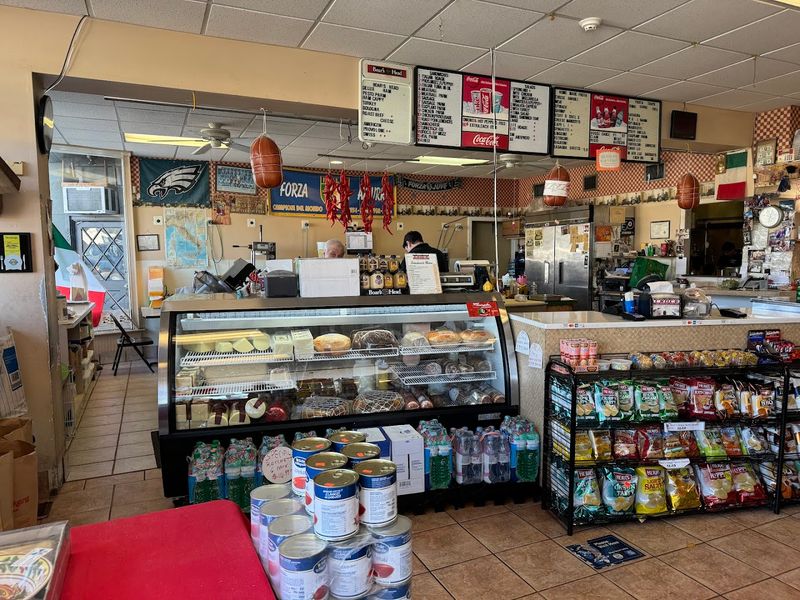
Tomato pie pairs beautifully with a lot of things, and Croce Pasta happens to stock most of them. The deli carries imported Italian meats and cheeses that make for a natural pairing.
A few slices of prosciutto alongside a slice of tomato pie is a solid combination.
Fresh mozzarella is another great match. The creaminess of the cheese offsets the acidity of the tomato sauce perfectly.
Croce Pasta makes fresh mozzarella in-house, so the quality is right there waiting for you.
Roasted peppers are a classic Italian deli side that works really well here. Their sweetness plays nicely against the savory tomato base.
A small bowl of marinated olives adds a briny contrast that keeps the palate interested.
If you are building a full meal, their homemade soups are worth adding to the table. The soups are hearty and made from scratch, which means they complement the pie without competing with it.
For something lighter, bruschetta is a natural companion. Croce Pasta carries ready-to-eat bruschetta that pairs well with the pie.
The combination of textures and flavors makes for a spread that feels genuinely Italian and completely satisfying.
Regional Variations In Tomato Pie Styles
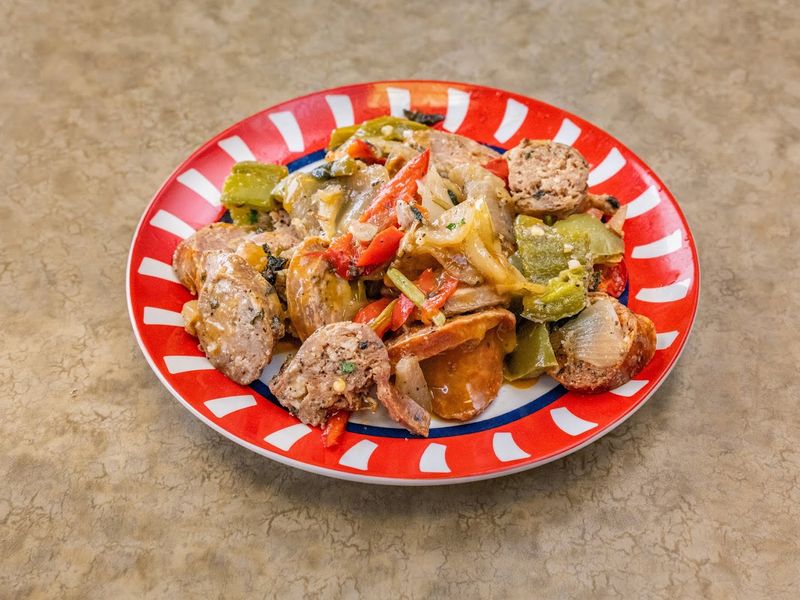
Tomato pie looks a little different depending on where you are in the Northeast. Trenton, New Jersey, has its own version where the cheese goes on first, and the sauce goes on top.
That might sound strange, but it works surprisingly well.
Philadelphia-style tomato pie is closer to what Croce Pasta serves. It is rectangular, thick-crusted, and sauce-forward.
The focus is always on the tomato, not on elaborate toppings. South Jersey has absorbed a lot of that Philly influence over the decades.
Utica, New York, has a completely different take. Their tomato pie uses a thinner crust and a sweeter sauce, sometimes with a bit of cheese mixed in.
It is a lighter version but still deeply rooted in Italian-American baking traditions.
What Croce Pasta serves leans into the South Jersey and Philadelphia tradition. The thick, pillowy crust and chunky tomato sauce feel right at home in Cherry Hill.
The neighborhood has always appreciated that style.
Regional variations are fun to explore, but the Croce version stands confidently on its own. It does not try to be all things to all people.
It knows exactly what it is, and that confidence shows in every bite.
Health Benefits Of Tomato Pie Components
Tomatoes are loaded with lycopene, a powerful antioxidant that has been linked to reduced risk of certain health conditions.
Cooking tomatoes actually increases the bioavailability of lycopene, which means the sauce in a tomato pie delivers more of it than a raw salad would.
Olive oil is another ingredient that brings real nutritional value. It is rich in monounsaturated fats and has anti-inflammatory properties.
A drizzle of good olive oil over a baked pie is not just flavor, it is genuinely good for you.
Garlic has been used for centuries as both a flavoring and a natural health booster. It contains compounds that support immune function and cardiovascular health.
A little garlic in the sauce goes a long way in both taste and nutrition.
Oregano is packed with antioxidants and has antimicrobial properties. It is one of the most nutrient-dense herbs used in Italian cooking.
The fact that it shows up in tomato pie is a happy bonus for anyone paying attention to what they eat.
The bread base provides carbohydrates for energy. When made with quality flour and a proper slow fermentation process, the dough is easier to digest than fast-made alternatives.
Good ingredients baked properly make a real difference.
Tips For Serving Tomato Pie Perfectly
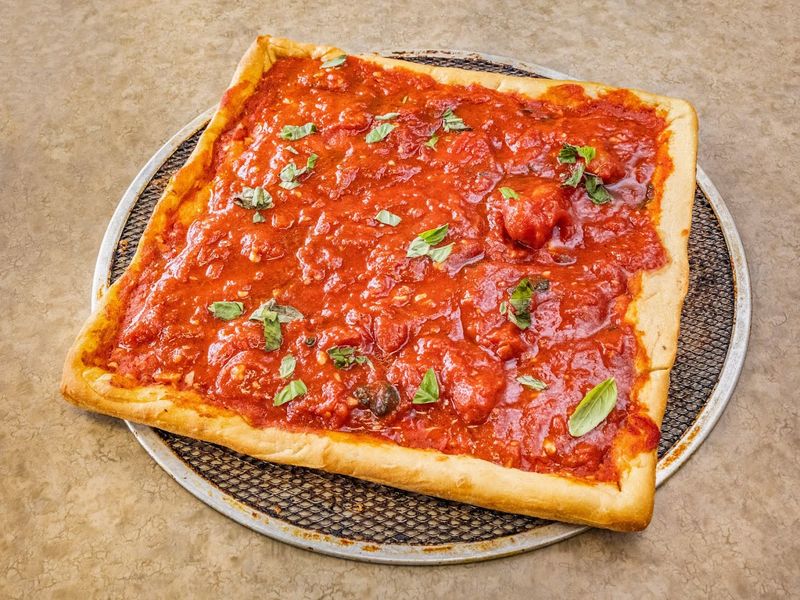
Serving tomato pie at room temperature is the traditional approach and the right one. Straight from the oven is great, but letting it rest for 15 to 20 minutes allows the sauce to settle and the flavors to deepen.
Patience pays off here.
Slice it into rectangles, not triangles. The rectangular pan shape calls for straight cuts.
This is not a personal preference thing. It is just how tomato pie is supposed to be served, and it makes the crust-to-sauce ratio more consistent in each piece.
A drizzle of fresh olive oil just before serving adds a finishing touch that elevates the whole experience. It brightens the flavors and gives the top a beautiful sheen.
This works especially well when serving guests.
Pair each slice with a simple side to round out the plate. Croce Pasta carries everything you need right in the shop.
A few slices of imported salami and some fresh mozzarella turn a single slice into a full spread worth sharing.
If you buy a full 9×17 sheet and have leftovers, store them at room temperature for a few hours or refrigerate overnight. A quick warm in the oven at low heat brings it right back.
Do not microwave it. The crust deserves better than that.