
The Vermont Sugar Shack Every Maple Syrup Lover Needs To Visit At Least Once
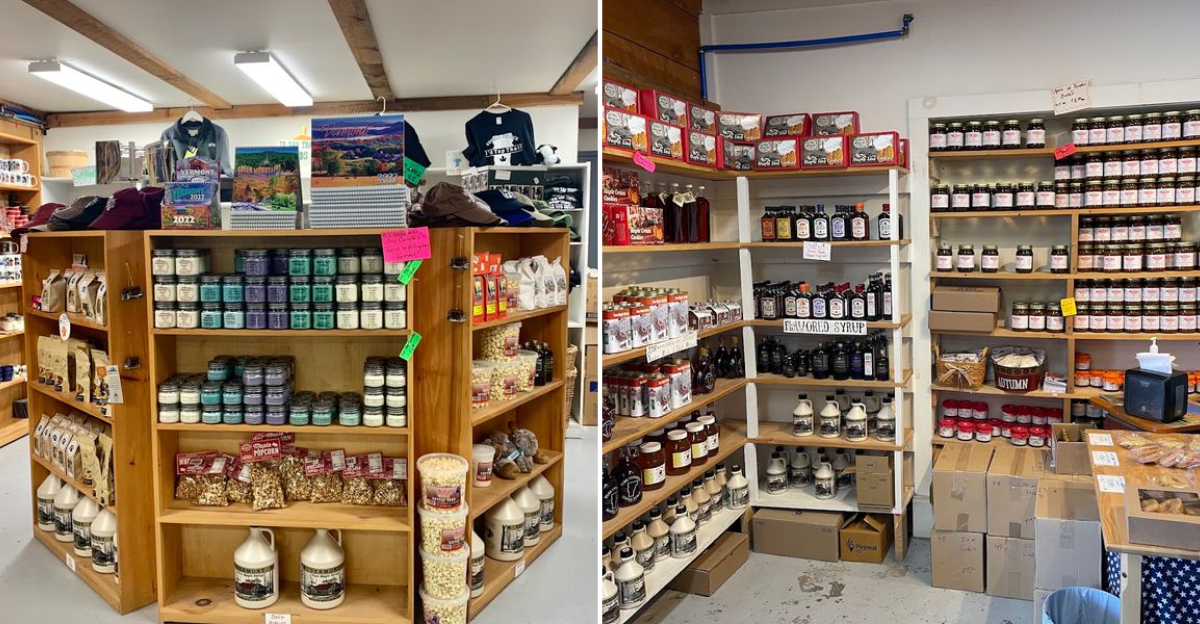
The scent of boiling sap arrives long before the weathered wooden cabin comes into view. This heavy, caramelized air blankets the clearing with the unmistakable perfume of genuine northern tradition.
Vermont embraces its liquid gold with a quiet reverence that transforms a simple roadside stop into a culinary pilgrimage. Inside the steam-filled room, dark amber liquid flows steadily from a massive stainless steel evaporator.
Visitors watch the bubbling vats while holding tiny paper cups of warm, fresh syrup. The rich taste ruins mass-produced grocery store alternatives instantly and permanently.
A single spoonful coats the throat with deep, woody sweetness and the unmistakable flavor of woodsmoke. No one leaves this mountain refuge without a heavy glass jug clinking against the seat of their car.
History Of Maple Syrup Production
Maple syrup has one of the oldest food stories in North America. Indigenous peoples like the Abenaki and Algonquin figured it out first.
They collected sap in birch bark containers long before anyone else even tried.
They boiled that sap over open fires to make a sweet, nourishing food source. European settlers arriving in the 1600s learned these techniques directly from Native communities.
Metal spouts and evaporators later made the whole process faster and more efficient.
Vermont became a major maple syrup producer by the 19th century. The state still leads the country in maple syrup output today.
That long history is part of what makes visiting a working sugar shack so meaningful.
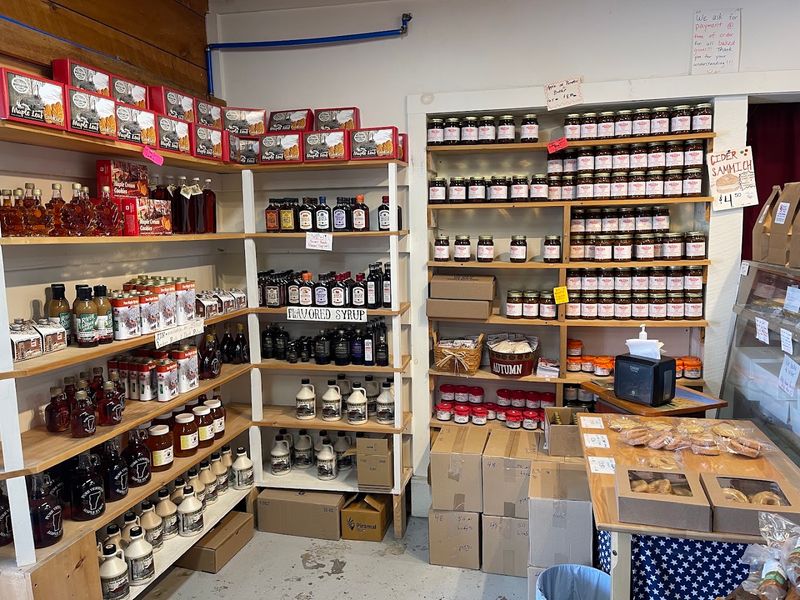
Sugar Shack in Arlington carries that tradition forward proudly. They produce their own pure Vermont maple syrup right on-site.
Watching the process happen in real life connects you to centuries of American food history.
The shop sits at 29 Sugar Shack Ln, Arlington, VT 05250. Knowing the roots of what you are tasting makes every drop better.
This is not just syrup. It is a living piece of Vermont heritage worth experiencing firsthand.
Techniques For Tapping Maple Trees
Tapping a maple tree looks simple, but there is real skill involved. You need a tree that is at least 10 to 12 inches in diameter before a single tap goes in.
Smaller trees just cannot handle the stress of sap collection.
The process starts with drilling a clean hole about 1.5 to 2 inches deep. That hole gets angled slightly upward so gravity helps the sap flow naturally outward.
Then a spout gets inserted snugly so nothing leaks.
One tap per tree works for trees between 10 and 18 inches wide. Larger, older trees can sometimes support two taps safely.
The goal is always to collect sap without harming the tree long-term.
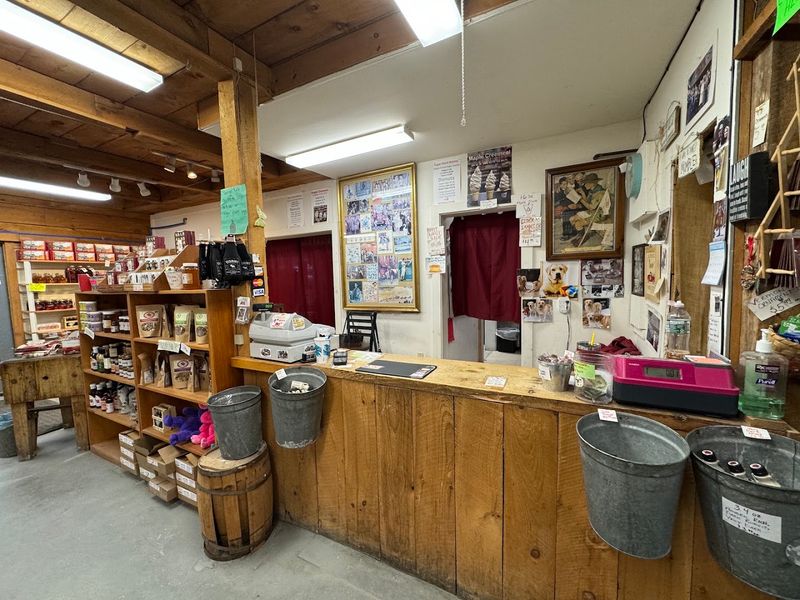
At Sugar Shack, visitors during sugaring season can actually see this process up close. Free tours let you watch how everything works from tree to bottle.
It is one of those experiences that completely changes how you think about a bottle of syrup.
Understanding the technique also makes you appreciate the labor behind every jar on the shelf. Nothing about maple syrup production is lazy or accidental.
Every tap, every bucket, and every drop of sap represents careful, intentional work done by people who genuinely care about their craft.
Seasonal Variations In Sap Collection
Sap collection has a very specific window, and timing matters more than most people realize. The season typically runs from February through April in Vermont.
Miss it, and you wait a full year for another shot.
The magic happens because of the freeze-thaw cycle. Cold nights freeze the sap inside the tree, and warm days above freezing push it back out.
That back-and-forth pressure is what drives sap toward the taps.
As spring advances and temperatures stay consistently warm, sap flow slows down noticeably. The flavor of the sap also shifts as trees start preparing to bud.
Later-season sap produces darker syrup with a stronger, more intense taste.
Sugar Shack operates from March through December, catching visitors right as sugaring season kicks off. During that early window, tours run and free samples flow freely.
It is genuinely one of the best times to visit if you want the full experience.
Planning your trip around the season makes a real difference. Early visitors get lighter, more delicate syrups fresh from the evaporator.
Later visitors find richer, darker grades that pair perfectly with heartier foods. Either way, you are getting something special straight from a Vermont forest.
Traditional Methods Of Syrup Boiling
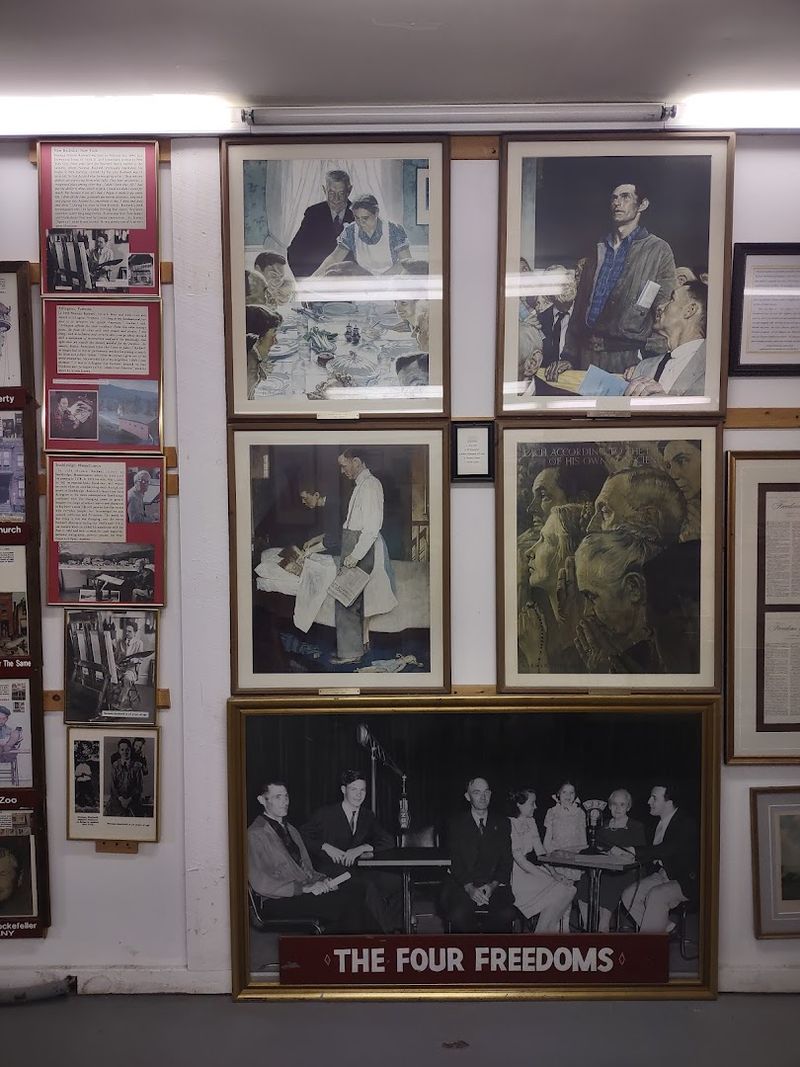
Boiling sap is where the real transformation happens. Raw sap starts out looking almost like water, with just 2 to 3 percent sugar content.
Boiling evaporates the water and concentrates all that natural sweetness.
Traditionally, sap boils in large, shallow pans set over wood fires. The shallow design maximizes surface area so water evaporates faster.
It is loud, steamy, and honestly one of the coolest things to watch in person.
It takes roughly 40 gallons of sap to produce just one gallon of finished syrup. That ratio alone explains why pure maple syrup costs what it does.
You are paying for serious effort and serious volume of raw material.
The boiling continues until the sugar concentration hits 66 to 67 percent. The syrup is finished when it reaches exactly 219 degrees Fahrenheit.
That precise temperature, 7.5 degrees above water’s boiling point, signals it is ready.
Sugar Shack produces their syrup on-site using this exact process. Visitors can see the setup during sugaring season and really grasp the scale of what goes into each bottle.
Once you watch it happen live, grabbing a jar off the shelf feels completely different. You know exactly what went into it, and that makes it taste even better.
Types Of Maple Syrup Grades
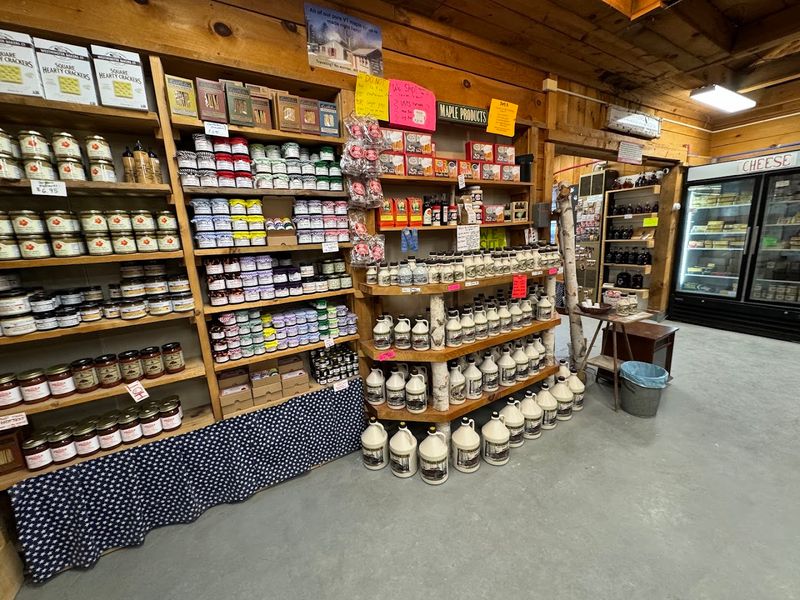
Not all maple syrup is the same, and the grading system helps you figure out what you actually like. The USDA standardized the grading labels back in 2015.
Now every commercial bottle carries the Grade A label, with a descriptor to explain the flavor profile.
Golden syrup has a delicate, mild flavor and is collected earliest in the season. Amber syrup offers a richer, more classic maple taste that most people recognize instantly.
Dark syrup brings a robust, bold flavor that stands up well to cooking and baking.
Very Dark syrup has the strongest maple flavor of all four grades. It is intense, almost smoky, and works beautifully in savory dishes or strong marinades.
Some people think it is too much. Those people are wrong.
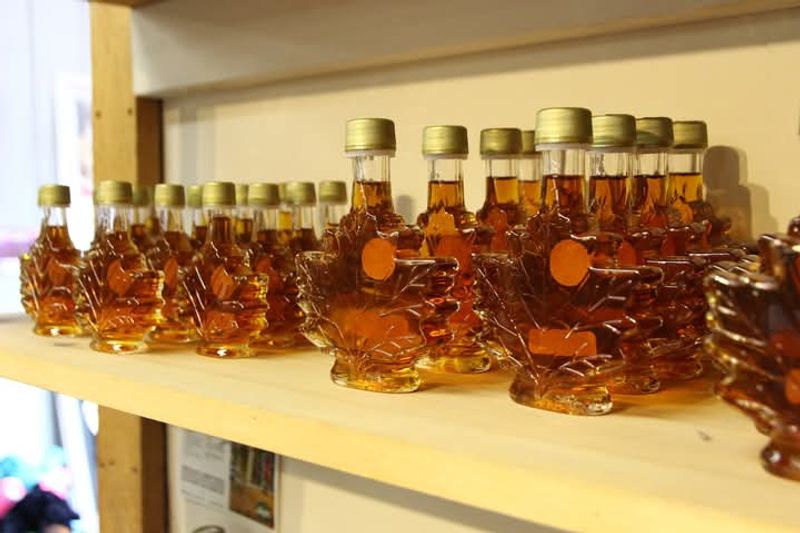
Sugar Shack sells four different grades of their own award-winning maple syrup. Free samples let you taste each one before committing to a bottle.
That is genuinely the best way to figure out your personal favorite without guessing.
Lighter grades are perfect for drizzling over pancakes or yogurt where you want subtle sweetness. Darker grades shine in glazes, sauces, and anything where maple needs to compete with bold flavors.
Knowing the difference turns a simple purchase into a whole education about what Vermont produces best.
Health Benefits Of Pure Maple Syrup
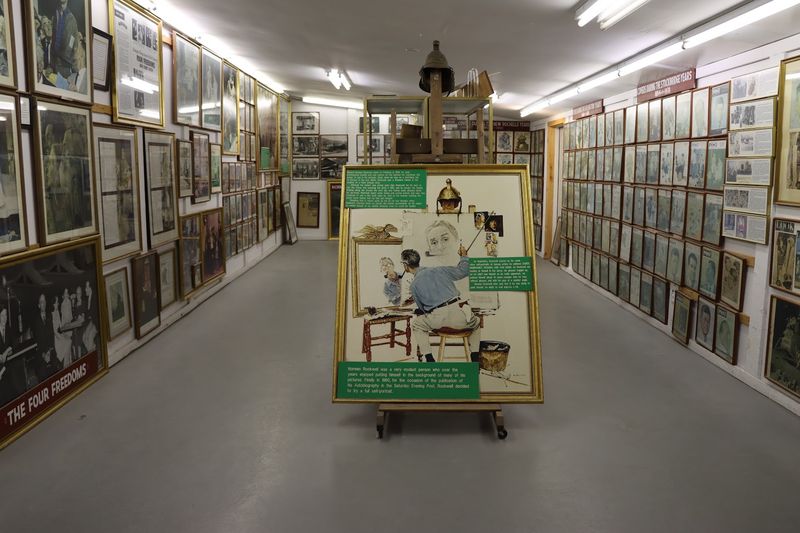
Pure maple syrup is not just delicious. It actually brings some real nutritional value to the table.
That surprises a lot of people who assume it is just liquid sugar with no redeeming qualities.
One standout compound is quebecol, an antioxidant that forms during the boiling process. It helps reduce inflammation and fights cell damage in the body.
Quebecol is unique to pure maple products, meaning you cannot get it anywhere else.
Maple syrup also delivers essential minerals including manganese, zinc, and calcium. Manganese supports bone health and energy metabolism.
Zinc plays a key role in immune function, which is useful basically year-round.
Research also suggests maple syrup may support gut health and offer potential anticancer properties. Some studies point to possible benefits for both brain and liver health.
Scientists are still exploring the full picture, but early findings are genuinely encouraging.
Choosing pure maple syrup over processed sweeteners is a simple upgrade with real payoff. Sugar Shack sells only pure Vermont maple syrup, nothing artificial or diluted.
When you pick up a bottle there, you are getting the full nutritional package that centuries of traditional production delivers.
It is one of those rare cases where something incredibly good for your taste buds is also doing something decent for your body at the same time.
Unique Culinary Uses For Maple Syrup
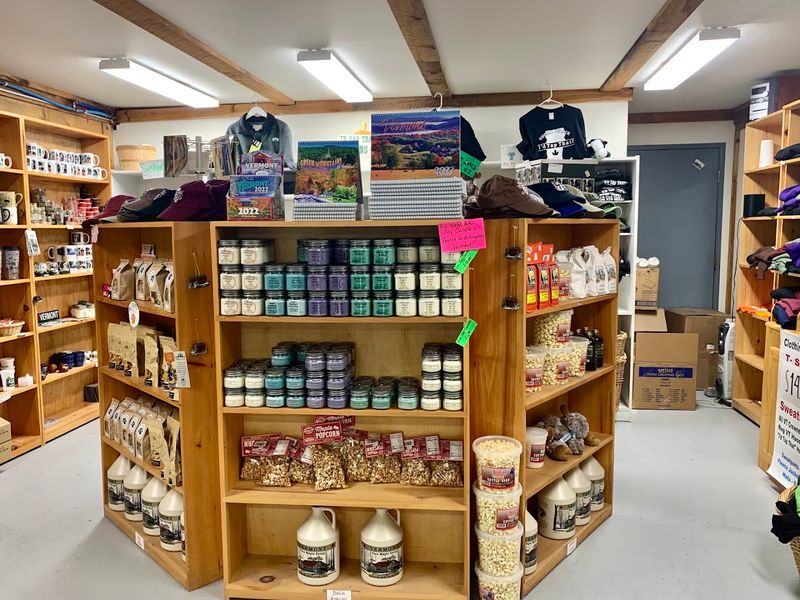
Most people stop at pancakes, and that is honestly a waste of good maple syrup. The flavor works in so many more places than breakfast.
Once you start experimenting, going back to plain sugar feels boring.
In baking, maple syrup replaces white sugar beautifully. Use three-quarters of a cup of syrup for every full cup of sugar the recipe calls for.
You also get extra moisture and a warm, complex flavor that sugar simply cannot replicate.
Savory applications are where maple syrup really surprises people. It makes a brilliant glaze for roasted vegetables like carrots, Brussels sprouts, and sweet potatoes.
Brush it on salmon or pork tenderloin before roasting and prepare to be impressed.
Drizzle it over popcorn for a quick snack that disappears fast. Mix it into salad dressings for a touch of sweetness that balances vinegar perfectly.
Stir it into coffee or tea instead of processed sugar for a more interesting morning routine.
Sugar Shack carries multiple grades of maple syrup, and each one performs differently in the kitchen. Lighter grades work best in delicate recipes.
Darker grades handle bold, savory applications without getting lost. Picking up a variety gives you a full culinary toolkit straight from Vermont.
The cider donuts and maple creemees at the shop are proof that maple syrup in creative hands produces something genuinely unforgettable.
Sustainability Practices In Sap Harvesting
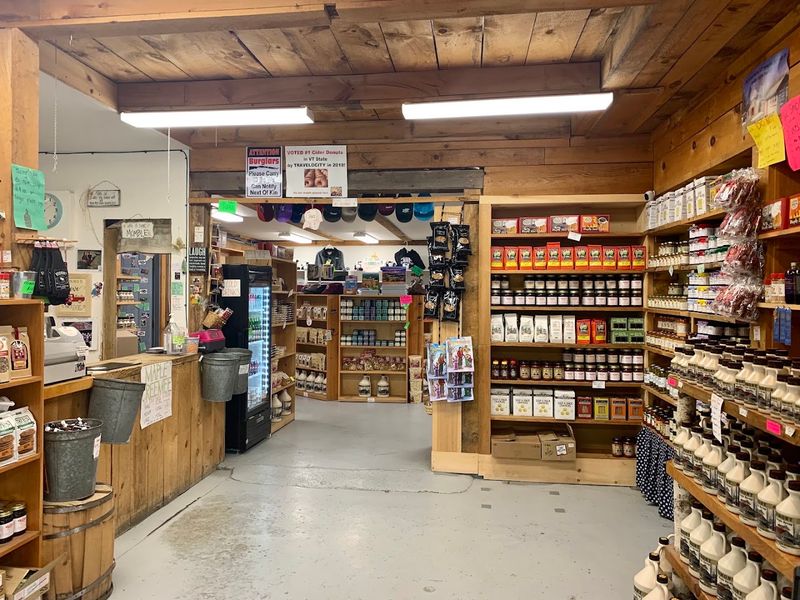
Sustainable sap harvesting is not optional if you want healthy trees for future generations. Ethical practices protect both the individual trees and the surrounding forest ecosystem.
Sugar shack operators who do this right are thinking decades ahead, not just about this season.
Only mature trees get tapped, and guidelines recommend collecting no more than 10 percent of a tree’s total sap. Younger trees simply need more time to build strength before they can contribute.
Patience is built into responsible maple farming from the very beginning.
Smaller tap holes cause less damage to the tree’s vascular system. Rotating tap locations each year prevents stress from building up in the same spot.
Old tap holes seal over naturally, but giving them space to heal speeds recovery significantly.
Removing taps promptly at the end of each season is another key practice. Leaving hardware in the tree longer than necessary invites disease and slows healing.
The quicker the tap comes out, the faster the tree closes the wound.
Sugar Shack’s production reflects a commitment to doing things the right way. Vermont’s maple industry depends entirely on healthy forests, and producers who care about longevity know that.
Visiting a place like Sugar Shack means supporting a business that treats its trees as long-term partners rather than short-term resources. That philosophy shows up in the quality of every jar they sell.