
This Nebraska State Park Is Enormous, Beautiful, And Somehow Still Overlooked
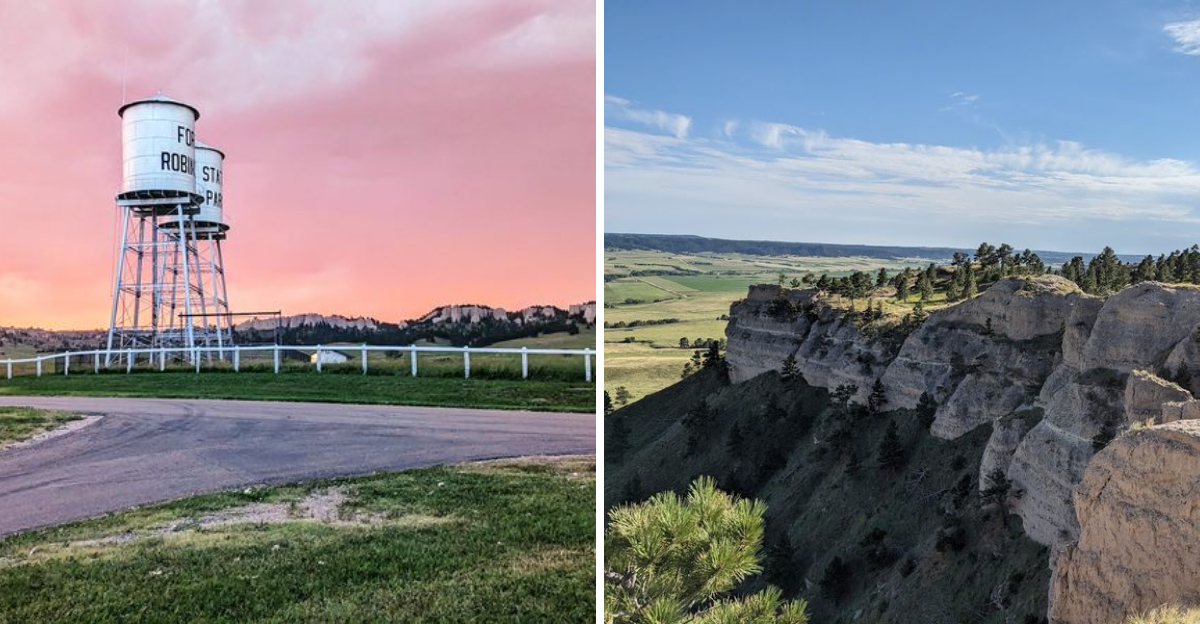
You know a place is special when you catch yourself wondering how so few people seem to know about it. This enormous Nebraska park has that effect.
The landscape feels wide open, the views stretch farther than expected, and the quiet makes even a short visit feel like a real break.
It is easy to assume a park this beautiful would be crowded every weekend. Somehow, it still flies under the radar. That may be the best part. You can slow down, take in the scenery, and enjoy the kind of peace that is getting harder to find.
Nebraska has several outdoor escapes worth knowing, but this one feels especially surprising. The state has protected a huge piece of natural beauty here, yet many residents have never made the trip.
Once you see what has been waiting, you may wonder how one of the state’s most impressive parks stayed overlooked for so long.
A Landscape That Defies Expectations
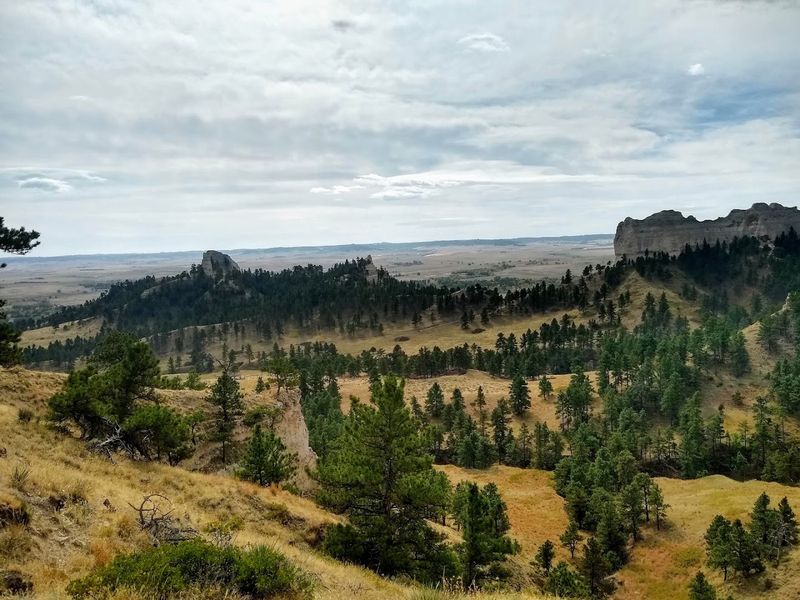
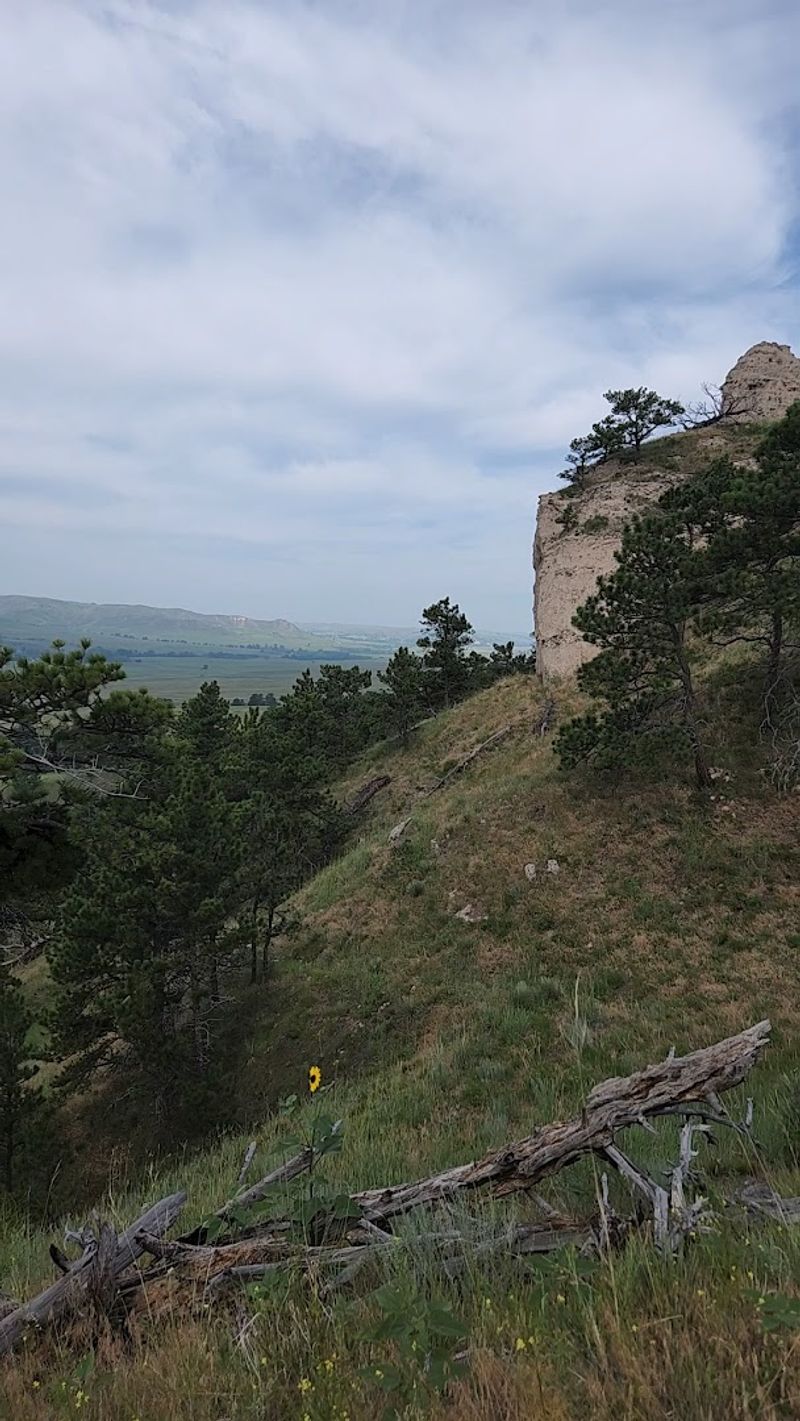
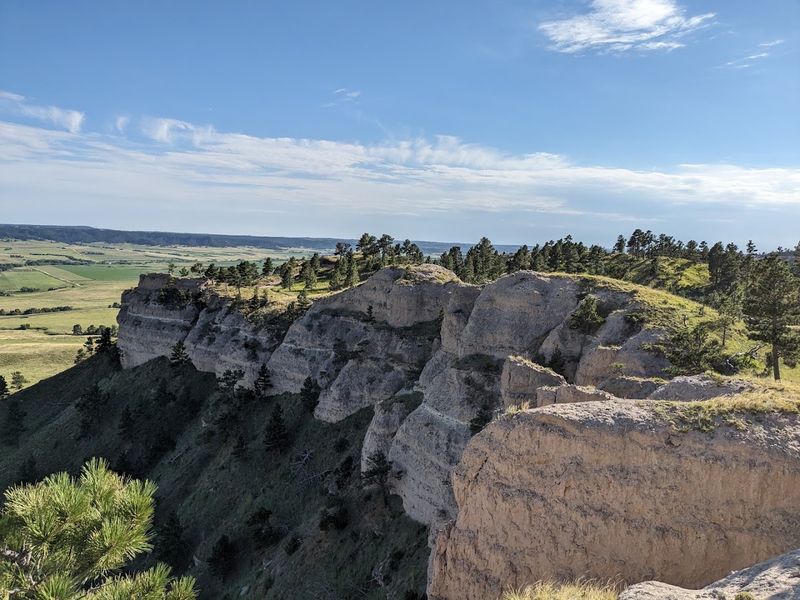
Western Nebraska looks nothing like what most people picture when they think of the state. Fort Robinson sits in the Pine Ridge area, where towering buttes create a landscape that feels more like South Dakota or Wyoming than the Cornhusker State.
The terrain shifts from flat prairie to dramatic rock formations within minutes of driving through the park. You’ll spot prickly pear cacti growing wild alongside sunflowers, creating unexpected bursts of color against the golden grassland.
The views from atop the buttes stretch for miles in every direction. Morning light paints the rocks in shades of pink and orange, while afternoon shadows carve deep contrasts into the valleys below.
Hiking trails wind through this varied terrain, letting you experience the landscape up close. The park’s sheer size means you can explore for days without covering everything, and each area reveals something different about Nebraska’s surprising geography.
Historic Grounds With Stories to Tell
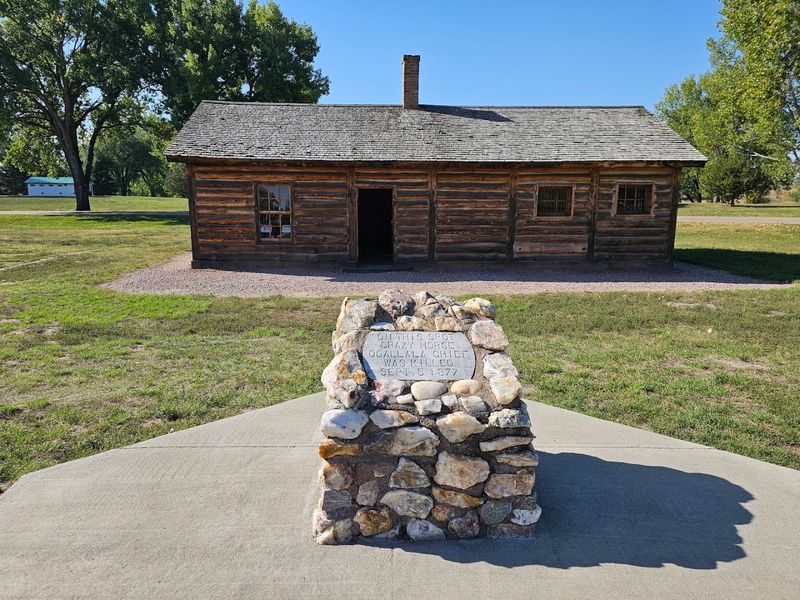
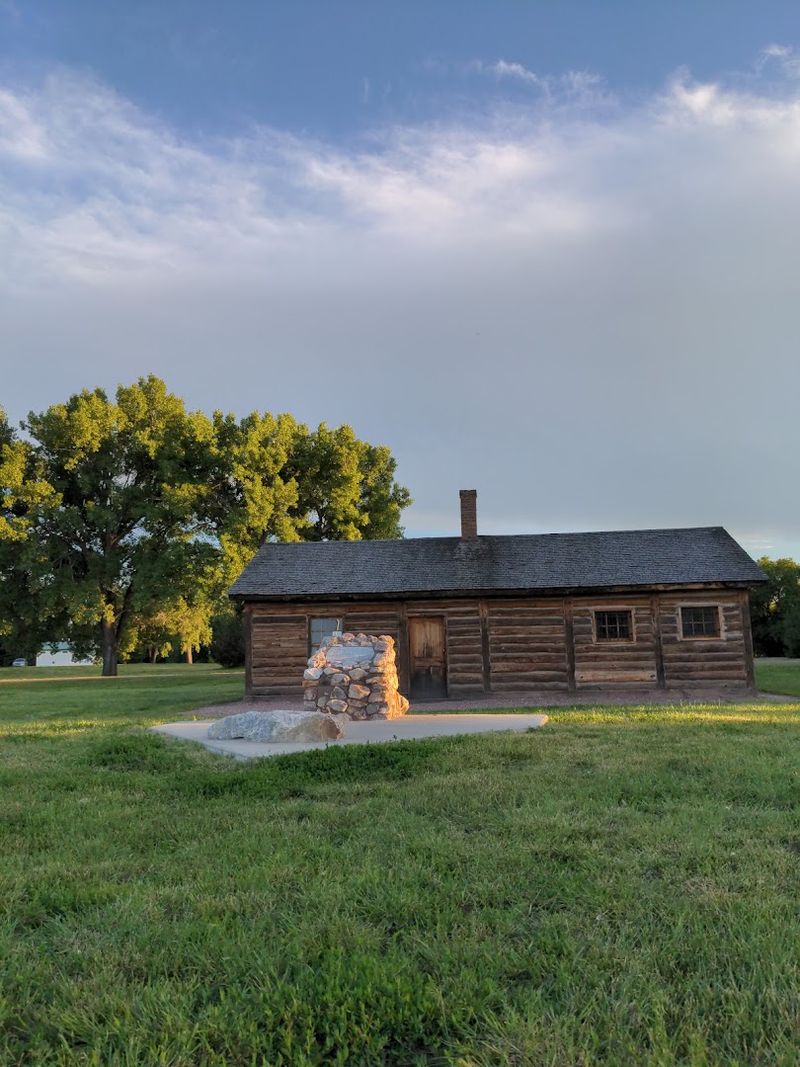
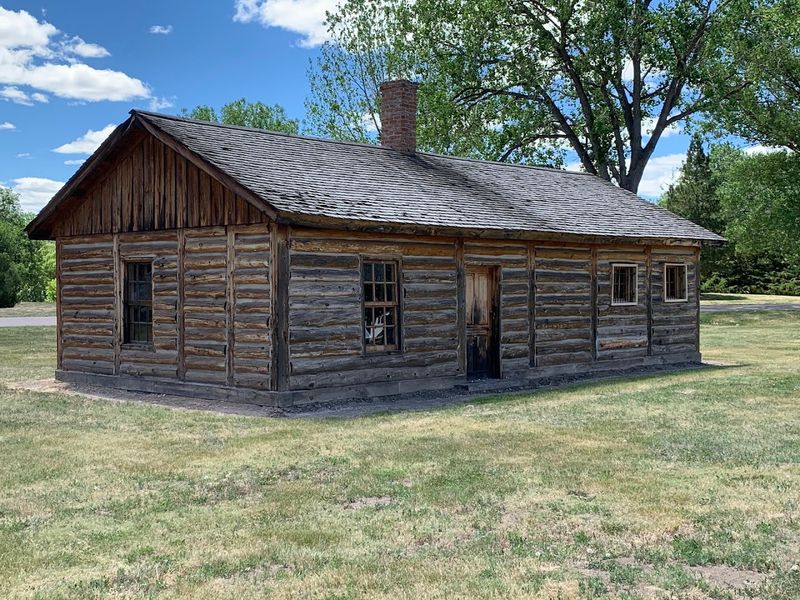
Fort Robinson operated as a military post from 1874 through World War II, and the buildings still stand as reminders of that long history. The cavalry wrote chapters of American history here, though not all of those stories feel comfortable to read today.
Crazy Horse spent his final moments at this fort in 1877, a fact that brings many visitors seeking to pay their respects. The Cheyenne Outbreak of 1878 also took place here, adding another layer to the complex narrative that shaped this region.
During World War II, the fort served as a prisoner of war camp for German soldiers. You can still see where they lived and worked, adding yet another chapter to the site’s remarkable timeline.
The Trailside Museum helps make sense of these overlapping stories. Walking through the preserved buildings feels like touching different eras of American history, each one leaving its mark on Nebraska’s northwestern corner.
Buffalo Roam Where Soldiers Once Marched
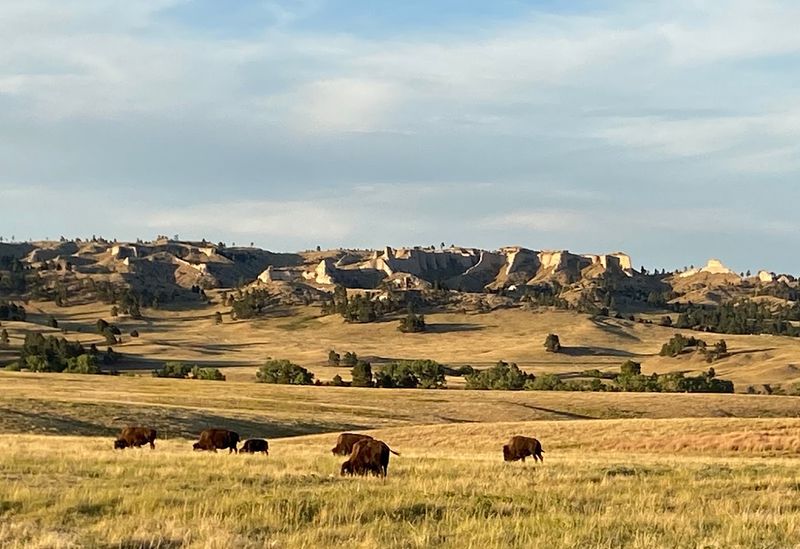
A buffalo herd calls Fort Robinson home, roaming the same grounds where cavalry horses once trained. Seeing these massive animals against the backdrop of buttes creates a scene straight out of the Old West.
The park maintains the herd as part of its commitment to preserving both natural and cultural history. Buffalo nearly disappeared from North America in the 1800s, making every herd an important part of conservation efforts.
Jeep tours often pass near the buffalo, giving visitors a chance to observe them from a safe distance. The animals move at their own pace across the prairie, completely unbothered by human schedules or expectations.
Donkeys also wander the property, adding an unexpected element to wildlife viewing. These animals originally worked at the fort and their descendants still roam free, creating photo opportunities that surprise first-time visitors to this Nebraska treasure.
Activities That Fill Every Schedule
Fort Robinson offers more activities than most visitors can fit into a single trip. Horseback riding takes you up into the buttes on well-maintained trails, with both short rides for beginners and longer excursions for experienced riders.
Jeep tours climb steep hills that regular vehicles can’t handle, providing access to viewpoints that showcase the park’s dramatic topography. Stagecoach rides give families a taste of old-time transportation, complete with the clip-clop of hooves on packed earth.
The park also features kayaking and tubing when water levels cooperate. A game room keeps kids entertained on rainy days, while multiple museums satisfy history buffs of all ages.
The Post Playhouse presents live theater productions throughout summer months. Evening programs include chuck wagon meals where you’re transported to dining sites by wagon or trolley, creating memorable experiences that combine good food with Nebraska’s natural beauty.
Camping Options for Every Style
Soldier Creek Campground provides full hookups with electric, water, and sewer connections at many sites. All campsites feature concrete pads and grills, though sites with full hookups skip the fire rings.
The bathrooms earn consistent praise from visitors for their cleanliness. Showers run on coins, but a change machine saves you from scrambling for quarters at inconvenient moments.
Horse Camp caters specifically to equestrian visitors, with stalls, water access, and trails designed for riders. The facilities here rival many dedicated equestrian centers, making Fort Robinson a destination for horse lovers throughout the region.
Wind can blow fiercely across the open prairie, so secure your tent and outdoor items carefully. The park’s size means campgrounds rarely feel crowded, even during peak season, giving you space to enjoy Nebraska’s starry skies without the noise of trains or traffic.
Lodging Inside History
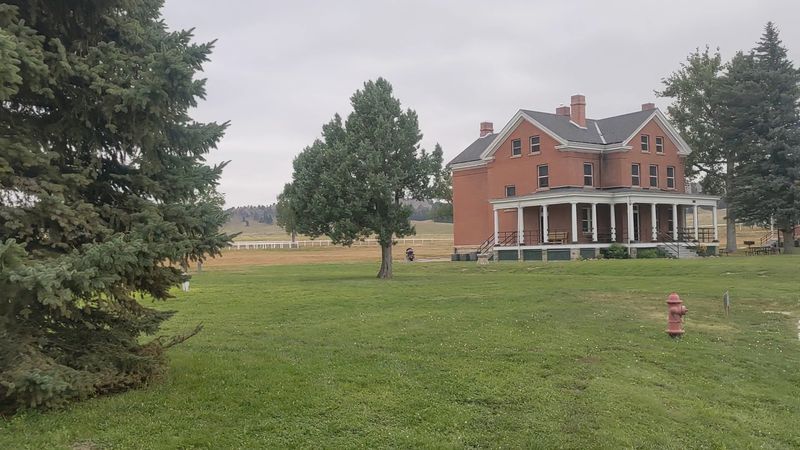
The park converted many original fort buildings into guest accommodations, letting you sleep where soldiers once lived. The Bricks offer spacious layouts perfect for families or groups, with some units featuring multiple floors and bathrooms.
Adobe lodgings provide more budget-friendly options while maintaining the historic atmosphere. These buildings show their age in places, but that authenticity appeals to visitors seeking a genuine connection to the past.
Don’t expect modern hotel amenities or fancy window treatments. The rooms focus on comfort and functionality rather than luxury, which fits the rustic character of this Nebraska state park.
The lodge restaurant serves hearty breakfasts that guests rave about, with portions large enough to fuel a full day of exploration. Staying onsite eliminates the need to drive elsewhere for meals or accommodations, letting you maximize your time experiencing everything Fort Robinson offers.
Dining Experiences Beyond the Ordinary
Fort Robinson takes meal service seriously, offering unique dining experiences that go far beyond typical park concessions. The steak dinner transports guests by hay rack to a spot at the base of the buttes, where ribeyes are served cafeteria-style alongside baked potatoes, vegetables, and salad.
Buffalo stew dinners happen at a different location, with trolley-like cars carrying diners to the old POW area. The cornbread served here converts even skeptics, and guests consistently report that both meals provide generous portions with plenty of leftovers available.
The onsite restaurant at the lodge serves reliable food throughout the day. Having this option means you don’t need to pack every meal or drive to Crawford for sustenance.
All the special meals include your choice of tea, lemonade, or water. These dining experiences combine good food with Nebraska scenery and a touch of Old West atmosphere that makes them memorable parts of any visit.
Nearby Attractions Worth the Drive
Toadstool Geological Park sits just 30 minutes from Fort Robinson and looks like something from another planet. The badlands terrain features mushroom-shaped rock formations that photographers dream about, creating landscapes unlike anything else in Nebraska.
Smiley Canyon offers a scenic drive that showcases more of the region’s natural beauty. The Belmont Tunnel, Nebraska’s only railway tunnel, now sits abandoned but makes for an interesting stop where you might spot bats roosting in the darkness.
Crawford’s Prairie Agate Rock Shop features specimens from the local area and around the world. The owners know their minerals and happily share information about the region’s geological treasures.
Scottsbluff National Monument, Chimney Rock, and even Carhenge all fall within reasonable driving distance. Fort Robinson serves as an excellent base camp for exploring western Nebraska’s surprising variety of natural and quirky human-made attractions that most people never knew existed.
Planning Your Visit to This Hidden Treasure
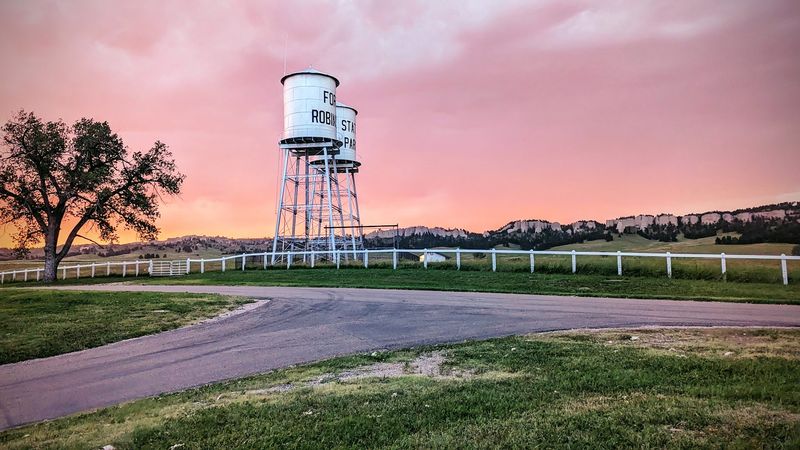
Fort Robinson sits at the intersection of Soldier Creek Road and US Highway 20 near Crawford, Nebraska. The park requires a state park pass for entry, with additional fees for museum access and certain activities.
Summer brings the most activity, with all programs running and the Post Playhouse presenting shows. Fall visits offer fewer crowds and spectacular foliage as trees change color, though some activities may have limited schedules.
Call ahead if specific amenities matter to your trip, as construction projects and seasonal changes affect availability. The new swimming pool with slides and splash pad represents ongoing improvements to park facilities.
The park’s 22,000 acres mean you can easily spend several days without running out of things to do. Staff members provide helpful information at the visitor center, where they’ll mark maps and answer questions about this remarkable Nebraska destination that somehow remains overlooked despite offering experiences that rival any national park in the region.