
This Charming Wisconsin Covered Bridge Is A Must-See Photo Spot
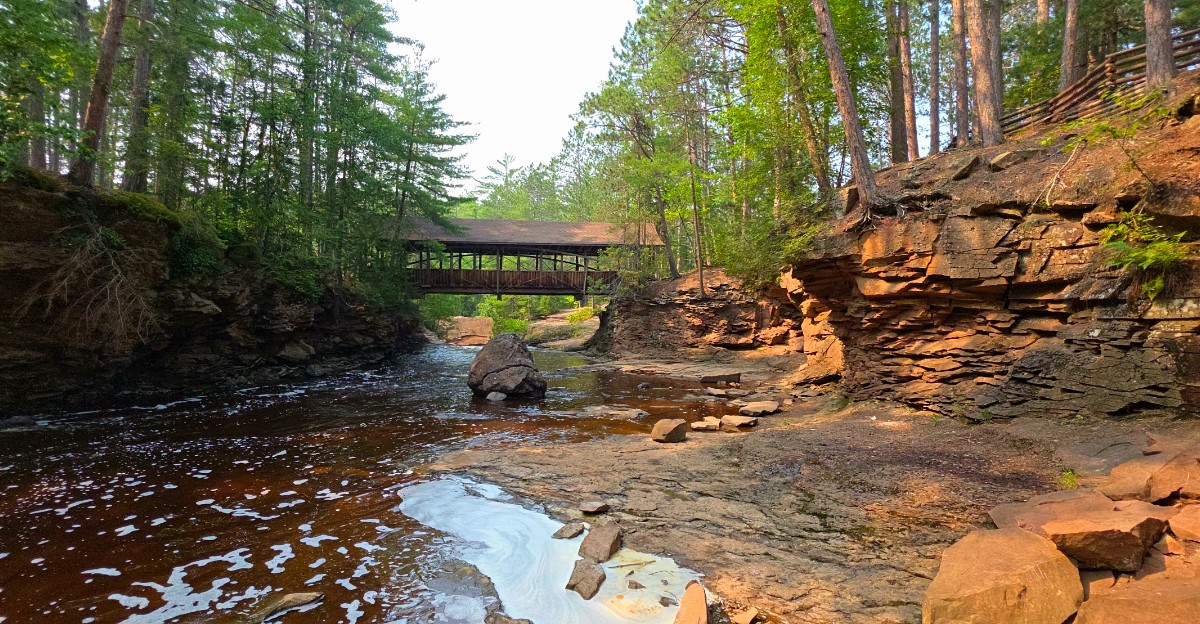
Some stops barely need an introduction. One glance at rushing water, black volcanic rock, and a weathered wooden bridge, and your camera is already out. That is exactly the kind of scene waiting in Wisconsin.
The best part is how easy it feels. You do not need a long hike or a packed schedule to get a big payoff. Waterfalls sit close to the path. Forest trails wind nearby. The bridge adds just enough old-fashioned character to make the whole setting feel almost cinematic.
Then the light changes, and somehow it looks different all over again. Morning brings softer colors. Fall turns the woods into a backdrop of gold and orange. Even an overcast day can make the dark rock and foaming water stand out.
There is history here too, plus plenty of small details worth noticing once you slow down and look around.
A Rare Bridge Design You Will Not Find Anywhere Else Nearby
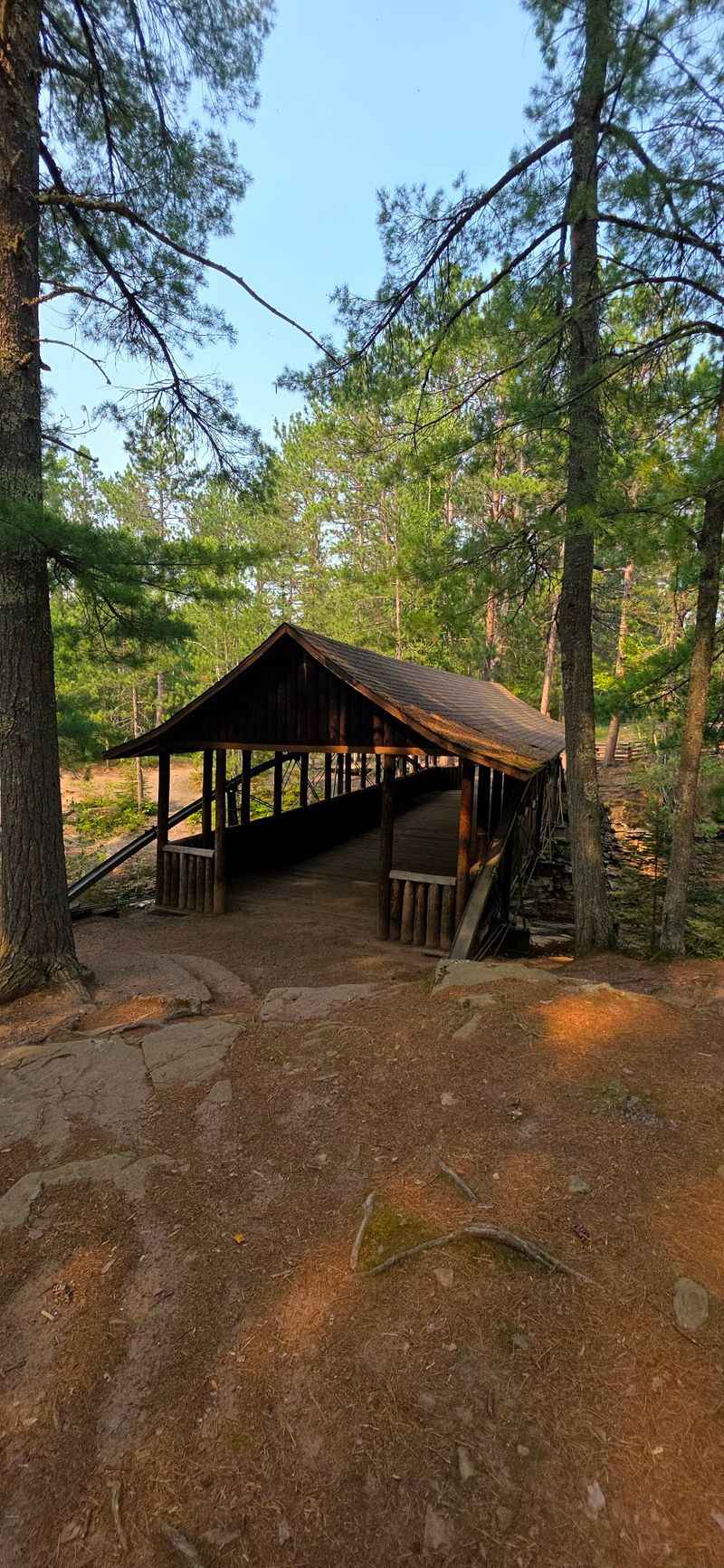
Bridge fans get genuinely excited about this one, and there is a good reason for that. The Historic Horton Covered Bridge is a bowstring bridge, a design that uses curved steel arches tied together like the string of an archer’s bow.
Very few examples of Horton’s unusual bridge design still stand today. The exact construction date is unknown, but the bridge was moved to its present location in 1930. Members of the Civilian Conservation Corps added the wooden roof in 1939.
You will notice the covering right away. Wood siding and a peaked roof turn what could have been plain ironwork into something that feels warm and inviting.
Walk through slowly and look up. The overhead framework shows you exactly how the whole thing carries its own weight, and the timber has that soft gray patina only time can create.
Kids usually love the echo inside. Adults tend to linger at the open sides, where the river noise drifts up through the gaps in the planks. It is short, simple, and quietly impressive all at once.
Waterfalls Roaring Right Beneath Your Feet
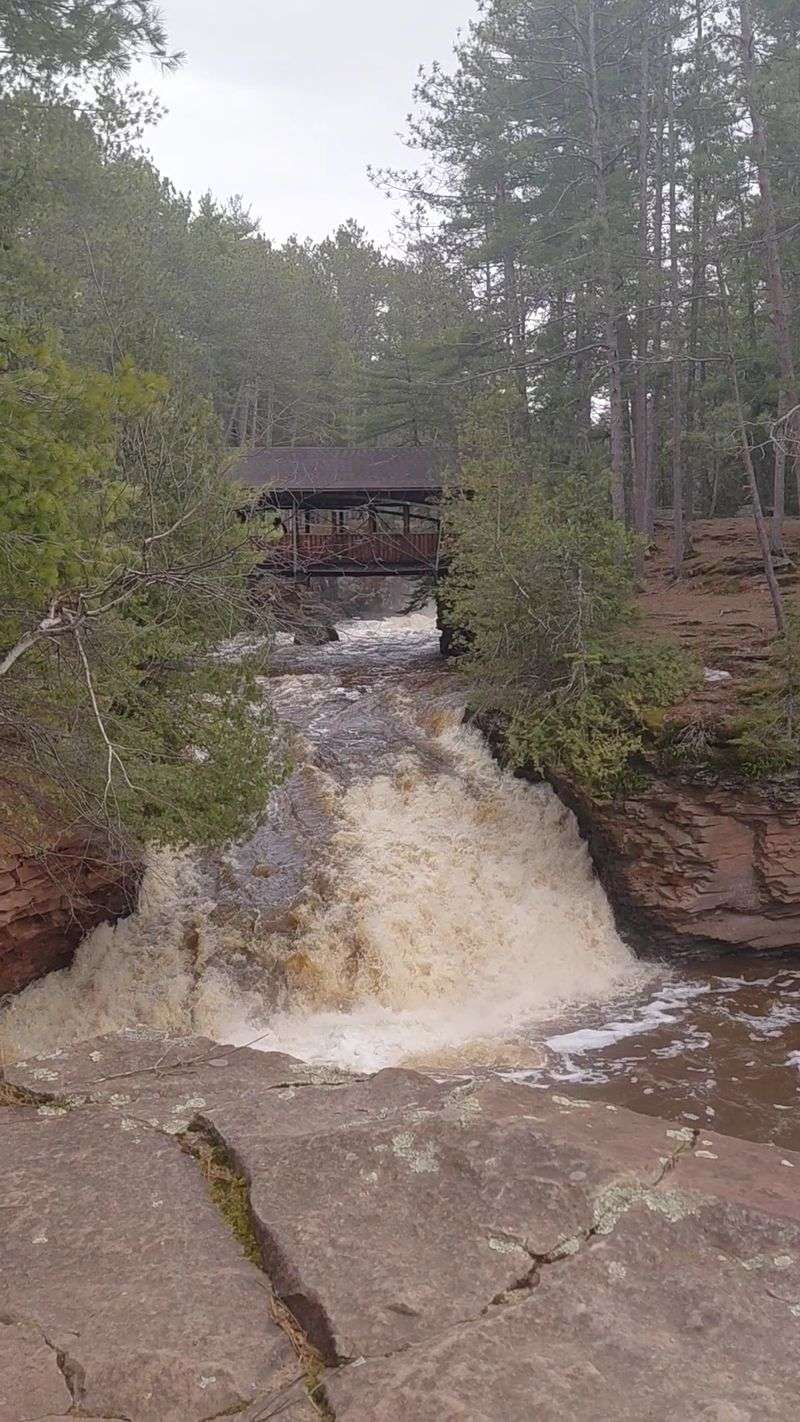
Picture standing on a wooden deck with water thundering below you on both sides. That is the everyday reality at the Historic Horton Covered Bridge, which crosses the Amnicon River exactly where it tumbles over a series of rocky ledges.
The water carries a deep amber tint, thanks to tannins from the surrounding forest. Against the dark rock, that color looks almost like polished copper in the sunlight.
Spring brings the loudest show. Snowmelt pushes the river hard, and the falls turn into a foaming rush that you can hear long before you see it.
Summer softens things considerably. Flow drops, more rock gets exposed, and you can trace the layers of stone that the river has been carving for thousands of years.
You should plan on spending time at more than one viewpoint. Several smaller cascades sit within a short walk of the bridge, and each one frames the wooden span differently.
Bring shoes with decent grip. Wet rock near moving water in Wisconsin is slick, and the best angles usually require a few careful steps.
Finding Your Way There Without A Single Wrong Turn
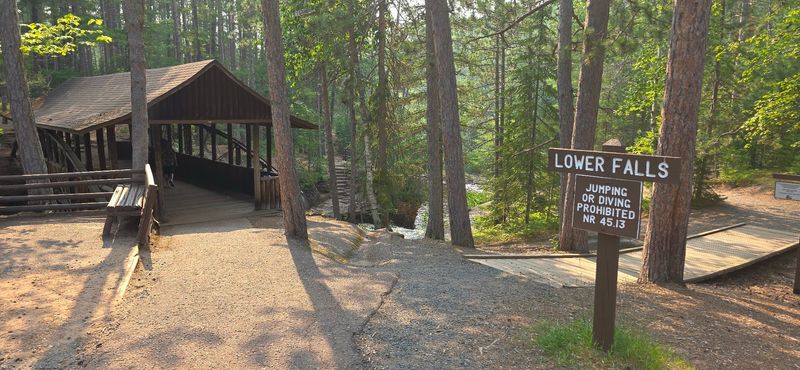
Getting here is refreshingly easy, which is part of the appeal. The Historic Horton Covered Bridge is located at 4279 County Rd U, South Range, WI 54874, inside Amnicon Falls State Park in the far northwest corner of the state.
Superior is only a short drive away, while Duluth is also close enough for an easy add-on. That makes the trip a natural add-on to any visit along Lake Superior’s south shore.
Highway 2 runs nearby and connects you to the county road that leads to the park entrance. Signs are clear, and the final stretch is short.
Parking sits close to the main attractions. You will not need to hike far, and the walk from the lot to the bridge takes only a couple of minutes on mostly level ground.
Gates open at 6 in the morning and close at 11 at night, every day of the week. That wide window gives you plenty of freedom to choose your timing.
Cell service can be spotty out there, so save your directions before you leave. A quick phone call answers most seasonal questions too.
Best Times Of Day For Standout Photos
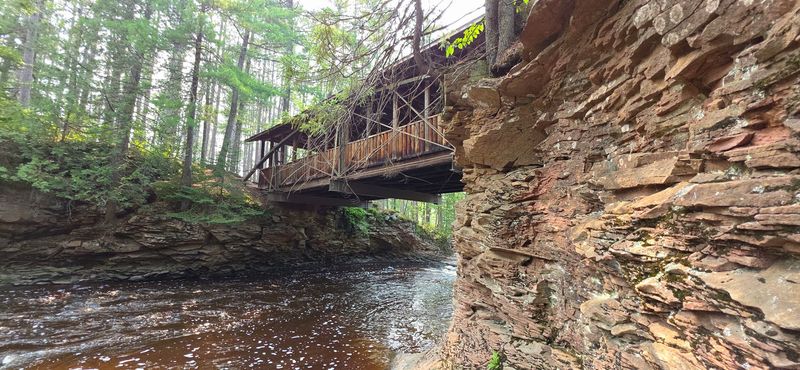
Light changes everything at this spot. Early morning gives you soft glow, quiet paths, and mist rising off the water when the air is cool.
Late afternoon works beautifully too. Low sun slips under the roofline of the Historic Horton Covered Bridge and lights the interior timbers with a warm honey tone.
Midday sun creates harsh contrast between the bright water and the shaded bridge. If that is your only window, look for cloudy stretches, because overcast skies actually help the amber river color pop.
You should try shooting from downstream first. That angle lets you stack the falls in the foreground with the wooden span sitting above them, which is the classic composition people recognize.
Then explore the river-level viewpoints. Trails provide access closer to the river, where the bridge and rapids can take on a completely different perspective.
A phone camera handles this scene just fine. A small tripod helps if you want silky water blur, and a lens cloth is smart because spray drifts farther than you expect. Patience pays off. Wait ten minutes and the light often improves.
Every Season Puts On A Different Show
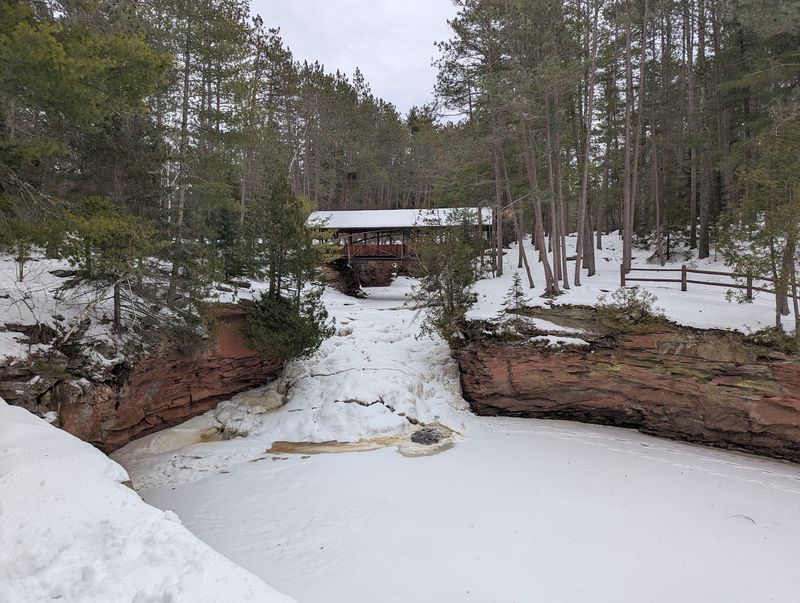
Autumn is when this place gets busiest, and honestly, the crowds are justified. Maples and birch along the Amnicon River turn gold and orange, framing the Historic Horton Covered Bridge in colors that seem almost too rich to be real.
Late September through early October often brings peak color, though timing varies by year. Weekends fill up faster, so a weekday morning gives you more room to work.
Winter transforms the scene completely. Ice builds along the rock ledges, snow settles on the shingled roof, and the whole area goes remarkably quiet.
Keep in mind that park services scale back in the cold months, and road conditions in northern Wisconsin shift quickly. Check ahead before you commit to a snowy trip.
Spring is the loud season. Meltwater turns the falls into a powerful rush, and everything smells like wet earth and pine.
Summer brings the easiest conditions. Trails dry out, families spread across the picnic areas, and the water level drops enough to reveal wide shelves of dark rock. Visiting twice in one year teaches you how much a single location can change.
Short Trails That Circle The Whole Gorge
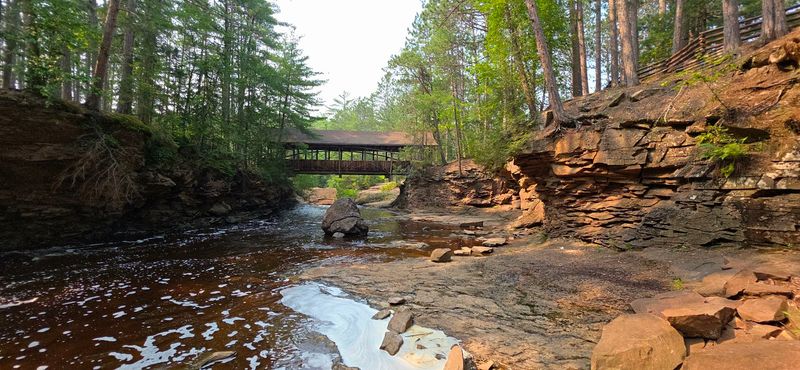
Loop trails here are short enough for almost anyone. A walking route circles the island and the falls area, and most visitors finish it comfortably in under half an hour.
Along the way you cross footbridges, pass several cascades, and get repeated views of the Historic Horton Covered Bridge from angles you cannot see from the parking lot.
Surfaces vary. Some sections are packed dirt, others involve exposed rock and a few uneven steps, so sturdy shoes make the walk more pleasant.
Benches and picnic tables sit near the water. Packing a lunch turns a quick stop into a relaxed couple of hours without much planning.
Look for the Douglas Fault while you walk. The falls exist because ancient rock layers shifted here long ago, creating the ledges the river now drops over.
Families with small children do well on these paths, though you will want to hold hands near the drop-offs. Railings exist in places, but not everywhere.
Camping is available in the park if you want to stretch the visit overnight. Waking up near waterfalls is a solid way to start a Wisconsin morning.
Practical Tips That Make The Visit Smoother
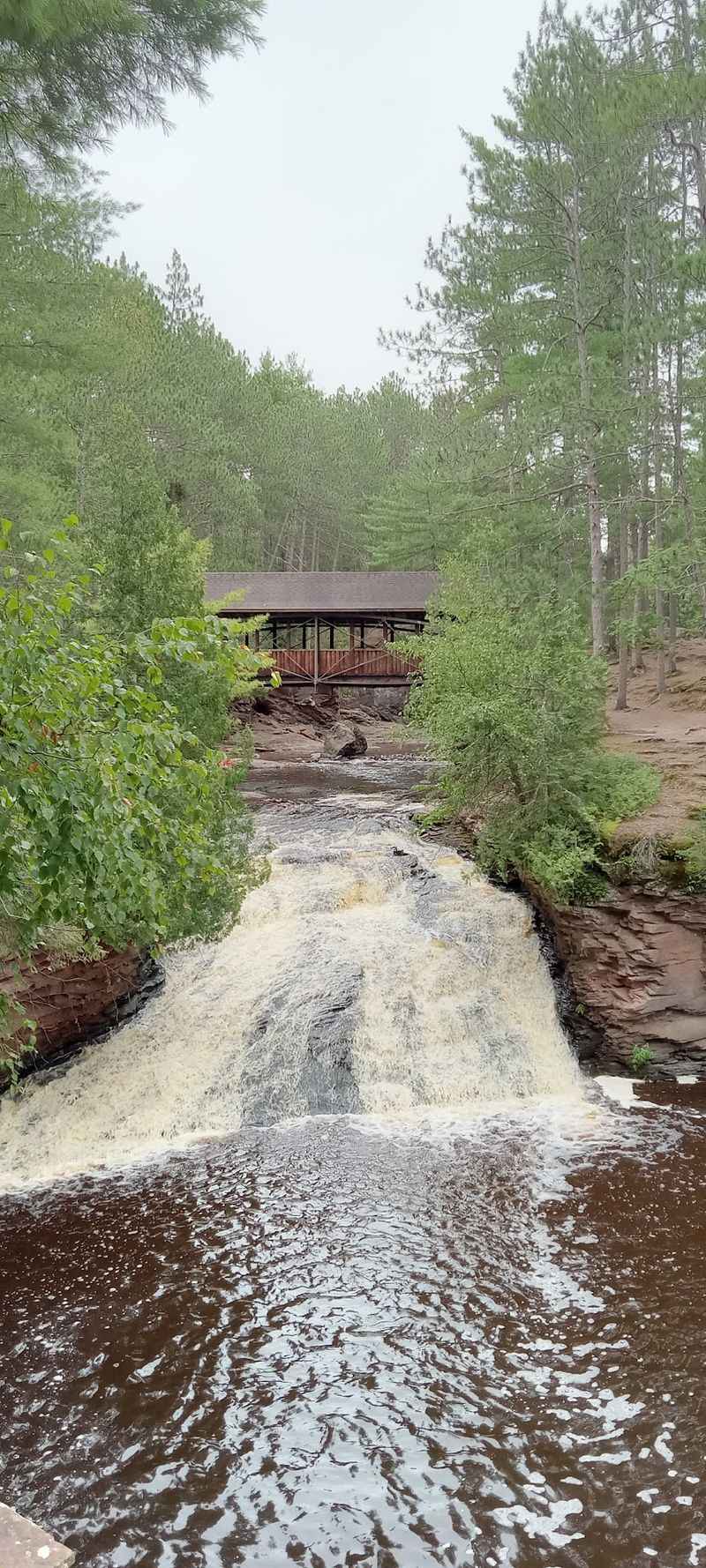
A little preparation goes a long way at a place like this. Since the Historic Horton Covered Bridge sits inside a state park, you will need a vehicle admission sticker, available at the entrance or through the Wisconsin DNR.
Bug spray deserves a spot in your bag during summer. Riverside woods in the north woods region attract mosquitoes, especially near dusk. Restrooms and drinking water are available seasonally. Carrying your own bottle removes any guesswork.
Leave the drone at home. State park rules restrict flying, and the ground level views are strong enough that you will not miss it. Pets are welcome on leash in most areas, so your dog can join the walk. Just bring waste bags and keep control near the water.
Weekday visits feel noticeably calmer than weekend afternoons. Arriving earlier in the morning can make parking easier.
Wear layers regardless of season. Spray from the falls plus shade from the trees keeps the gorge cooler than the open road, and that temperature shift catches people off guard more often than you would think.
Why Travelers Keep Circling Back To This Stop
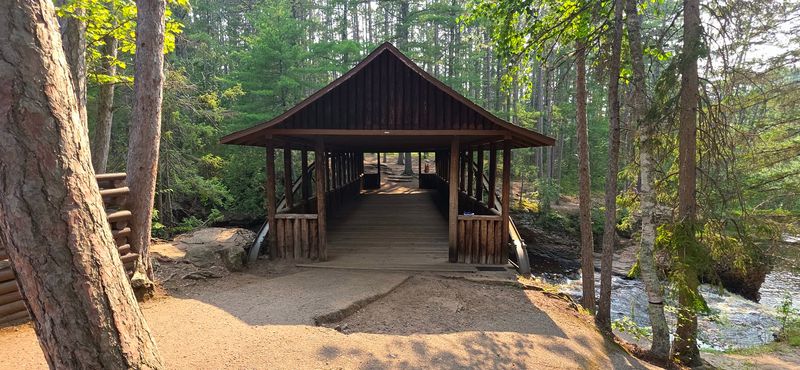
Plenty of landmarks look better in photos than in person. The reverse happens here, because the sound of the river and the cool air under the trees never quite make it into a picture.
What keeps the Historic Horton Covered Bridge memorable is how much it packs into a small space. History, geology, water, and woodwork all sit within a few hundred feet of each other.
You do not need a full day. An hour is enough for a meaningful visit, though most people end up staying longer than planned.
Pair it with a drive along Lake Superior or a stop in Superior itself, and you have a genuinely satisfying Wisconsin day trip without much mileage.
Bring someone who appreciates old craftsmanship. The old steel arches still doing their job say something about how well things used to be built.
Go once and you will understand why it earns such affection from visitors. Go twice in different seasons and it starts to feel like a place you know rather than a place you saw.