
This Mississippi River Town Has Hundreds Of Cats Roaming Its Streets
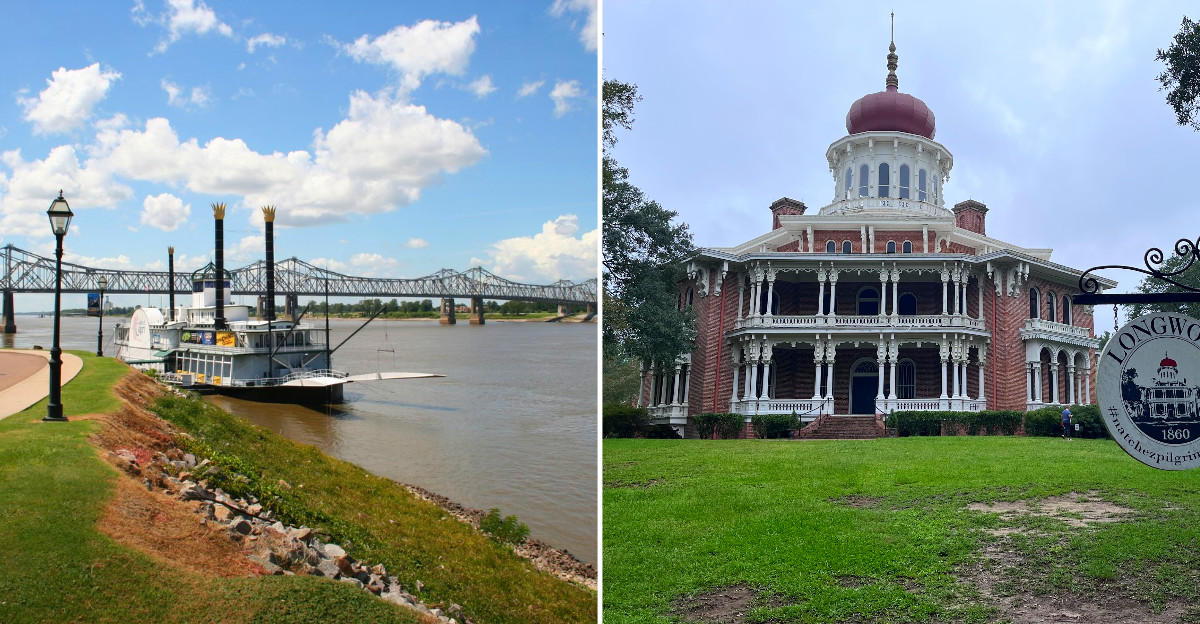
Certain towns are known for food, others for music. This one in Mississippi is known for its cats.
Along the bluff above the river, they stretch out on brick steps, patrol flower beds, and nap in the shade of houses that have been standing for two hundred years.
Residents look after them through a community cat program, which keeps the population healthy and steady rather than letting it turn into a problem.
History, river views, and a tabby crossing your path at an unhurried pace. Three things that have no obvious reason to appear in the same place, arriving together anyway.
A Riverside Town Where Whiskers Set The Pace
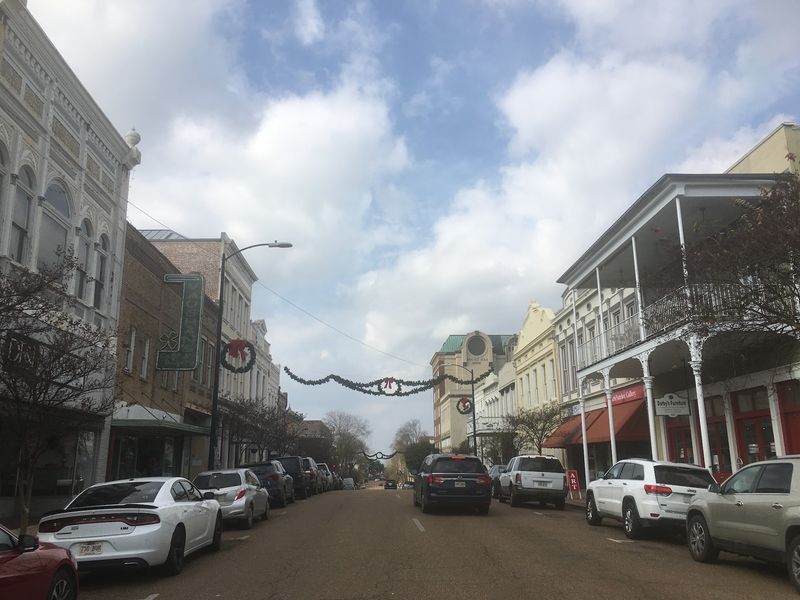
Cats and old river towns get along better than most people expect. High on a bluff in southwest Mississippi, one small city shares its sidewalks with a sizable crowd of free roaming felines.
They nap on sun warmed brick, patrol garden walls, and slip under porches when the heat turns heavy.
Neighbors here treat the cats as residents rather than pests. A community cat program runs quietly in the background, using trapping, sterilization, and return to keep numbers steady and the animals healthy.
Volunteers feed colonies, watch for illness, and know which alley belongs to which calico.
Visitors usually notice the cats before anything else. A tabby stretched across a shop ledge has a way of slowing your entire afternoon. Shopkeepers greet the regulars by name, and children spend more time petting than sightseeing.
The place would be worth the drive even without a single whisker in sight. Grand old homes, wide river views, and quiet streets carry plenty of appeal on their own. Add a few hundred cats going about their daily rounds, and the whole town feels lived in and awake.
Bring comfortable shoes and a fully charged camera. You will need both.
Meet Natchez, Perched Above The Big River
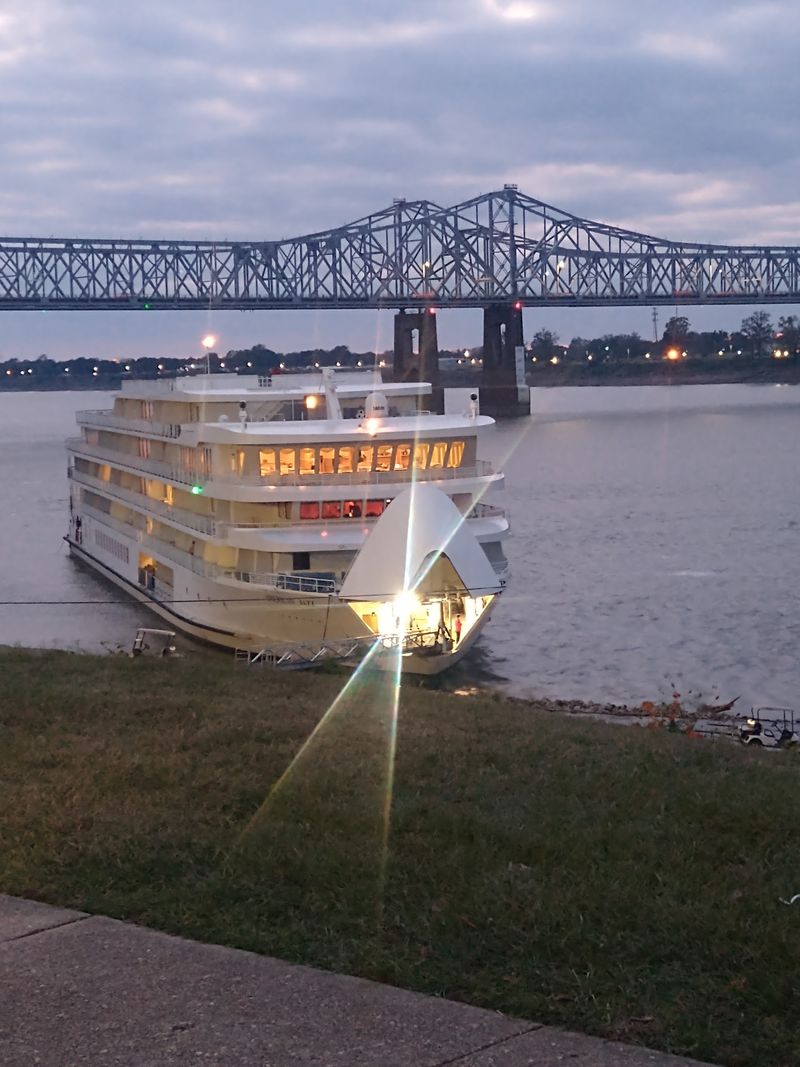
Natchez sits in Adams County, Mississippi, roughly ninety miles southwest of Jackson and right on the eastern bank of the Mississippi River.
French settlers established Fort Rosalie here in 1716, which makes it one of the oldest European settlements along the river. Around fourteen thousand people call it home today.
City Hall stands at 124 South Pearl Street, and that building plays a starring role in the local cat story. The downtown grid around it is compact, walkable, and shaded by oaks and magnolias.
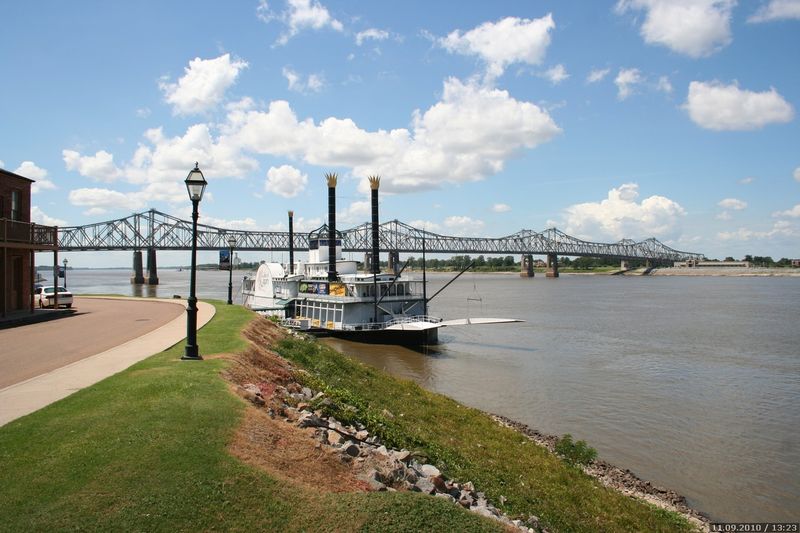
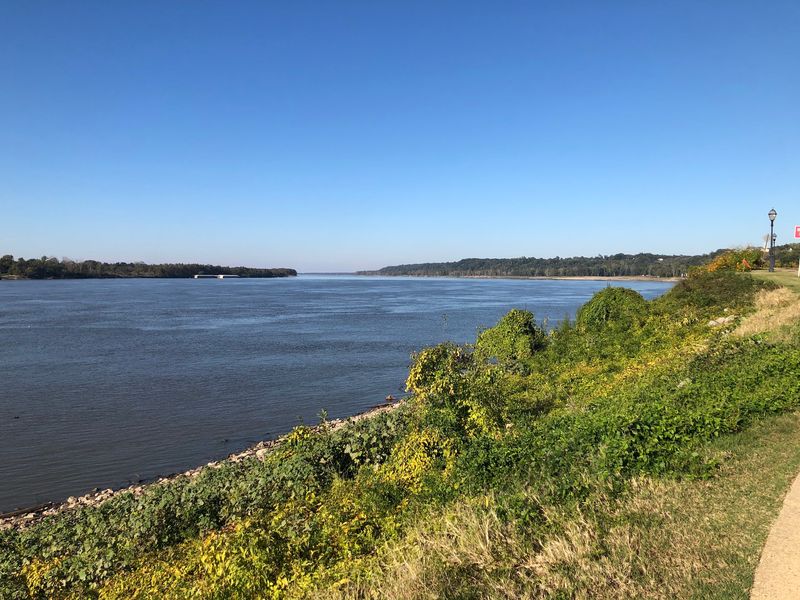
Elevation is part of the charm. The bluff rises more than two hundred feet above the water, giving the town a long view across to Louisiana. Sunsets from that ledge draw a small crowd every clear evening.
Architecture keeps your head turning. Longwood sits unfinished with its octagonal shape and onion dome, while Melrose belongs to Natchez National Historical Park. Both offer tours and grounds worth a slow stroll.
Cats fit into all of it naturally. They cross courtyards, sit on gate posts, and stare down tourists with practiced confidence. The historic district gives them endless ledges, and it gives you endless reasons to linger.
The Community Cat Program Keeps Things Kind
Trap, neuter, and return sounds clinical, but the idea is refreshingly simple. Volunteers humanely trap a street cat, bring it to a veterinarian for sterilization and vaccination, then carry it back to the exact block it knows.
The cat comes home calmer, healthier, and no longer adding kittens to the count.
Ear tips give the game away. A small straight notch on one ear signals that the cat has already been through the process. Once you learn the sign, you will spot it on ledges all over town.
Local rescue groups and residents have leaned into this method for years. Donations cover surgeries, food, and dry shelter for chilly nights. Much of the work happens at dawn, long before visitors wander downtown.
Results show up in quiet ways. Fewer squabbles, fewer litters, and coats that look sleek instead of rough. Colonies stay steady, so regulars recognize the same faces year after year.
Helping takes almost nothing. Canned food, clean towels, and small cash gifts all reach the people doing rounds with carriers in the back seat. Mississippi towns often run these programs on pure volunteer energy, and every bit of support stretches a long way.
Tripod, The Unofficial Greeter At City Hall
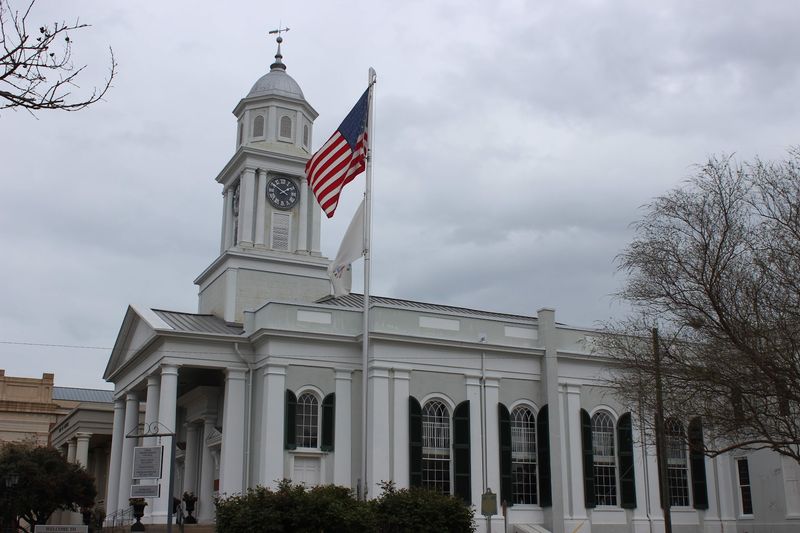
Every town has a celebrity, and here the most photographed one has fur. A cat with three legs named Tripod became a fixture around the city hall grounds, greeting workers, visitors, and anyone carrying a snack.
He earned local fame the honest way, by showing up every single day.
Missing a limb never slowed him down. He navigated steps, sidewalks, and shady corners with a hop that locals describe with real affection. People who work downtown treated him like a colleague who never files paperwork.
Word spread far past Adams County. Travelers began asking where to find him, and photos of him circulated widely online. Few civic buildings can claim a mascot with that kind of following.
His story matters beyond the cuteness. A town that looks after one cat with a limp tends to look after the rest of them too. That attitude shapes how the whole community handles its feline population.
Visitors still keep an eye out near the government buildings and nearby blocks. Cats gather where people are gentle, and downtown qualifies. Bring patience, sit on a bench, and let curiosity do the introductions for you.
Best Blocks For Quiet Cat Spotting
Morning and early evening are prime hours for whisker watching. Midday heat sends most cats deep under porches, where they refuse all invitations. Cooler hours bring them out to stretch, groom, and supervise the neighborhood.
Head for the bluff first. Grassy parkland along the ridge offers wide river views, and cats often sit along the low walls there like tiny statues. Benches make it easy to wait them out.
Silver Street and the landing area below the bluff reward a slow walk. Old brick buildings, uneven stone, and shaded doorways create ideal lounging spots. Keep your voice low and your steps unhurried.
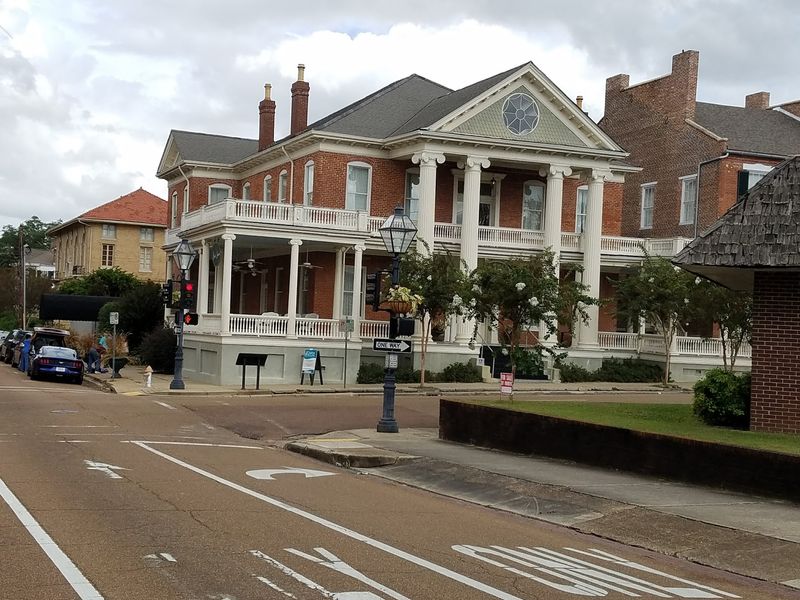
Downtown side streets deliver the highest count. Iron gates, courtyard gardens, and raised porches give cats hundreds of perches within a few blocks. Look up as often as you look down, because ledges are popular real estate.
Residential lanes near the historic homes stay peaceful most of the day. Cats there tend to be well fed, curious, and used to polite strangers.
Pack water, wear a hat, and set aside two unhurried hours. Rushing ruins the experience, and the cats can tell when you are in a hurry.
Mansions, Gardens, And Very Sunny Perches
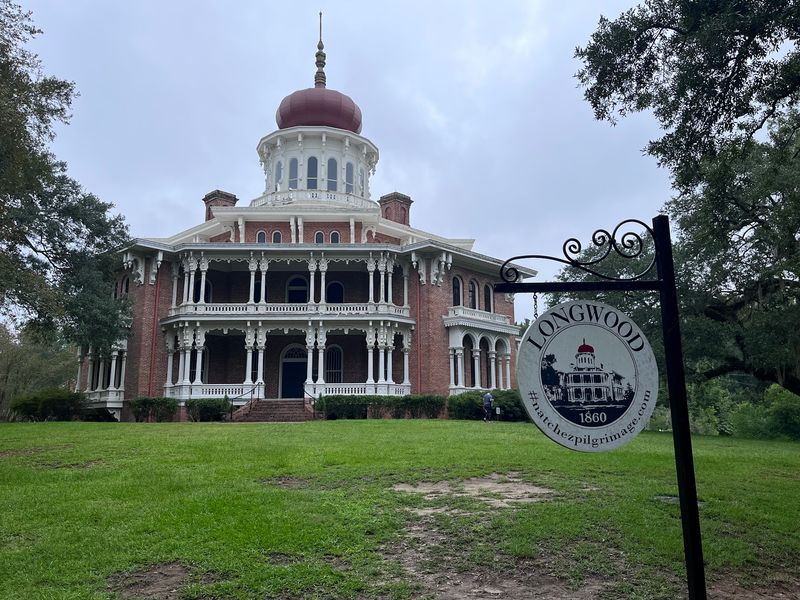
History buffs and cat fans somehow end up on the same walking route. Longwood, with its octagonal shape and unfinished upper floors, ranks among the most unusual houses in the South. Its grounds are green, shaded, and thoroughly patrolled by neighborhood wildlife.
Melrose belongs to Natchez National Historical Park and sits on landscaped acreage with outbuildings and old trees. Rangers offer guided house tours, and the walking paths outside make an easy add on. Cats keep to the edges, watching guests with mild interest.
South of downtown, the Grand Village of the Natchez Indians preserves ceremonial mounds and a reconstructed house. The site tells a much older chapter of the region, one worth an hour of anyone’s day.
The Natchez Trace Parkway begins in town and runs northeast toward Tennessee. Bicyclists, hikers, and slow drivers all share that scenic route.
Gardens explain much of the cat math. Stone walls hold heat, hedges offer cover, and fountains provide water. Old properties like these create the exact conditions felines love.
Plan two days if you can. One for houses and history, one for wandering with no agenda at all.
Good Manners Make Better Encounters
Street cats have opinions, and respecting them pays off. Crouch down, stay still, and let the cat decide the distance. Grabbing, chasing, or cornering one guarantees a fast exit and a grumpy tail flick.
Skip the snacks unless you know the local routine. Volunteers feed colonies on schedules, and random handouts scatter food that attracts raccoons and opossums. Well meaning tourists can accidentally undo careful work.
Photos are fine, flash is not. Bright light startles animals resting in dim doorways. Natural light gives better pictures anyway.
Watch for the ear notch before assuming a cat needs rescuing. A notched ear means the animal is already sterilized, vaccinated, and cared for by someone local.
Give kittens space and call a rescue group instead of scooping them up. Mothers often sit nearby, waiting for you to move along.
Support costs money, so consider donating to a Mississippi rescue organization before you leave. Canned food and clean blankets help too, and shops downtown can point you in the right direction.
Leave with photos, not passengers. The cats of this river town already have a home, and it happens to be the whole city. But what you can do is cherish them.
While visiting, don’t forget to equip yourself with some catfood, and make sure to clean up after feeding.