
This Retro Museum In Virginia Is A Gaming Paradise
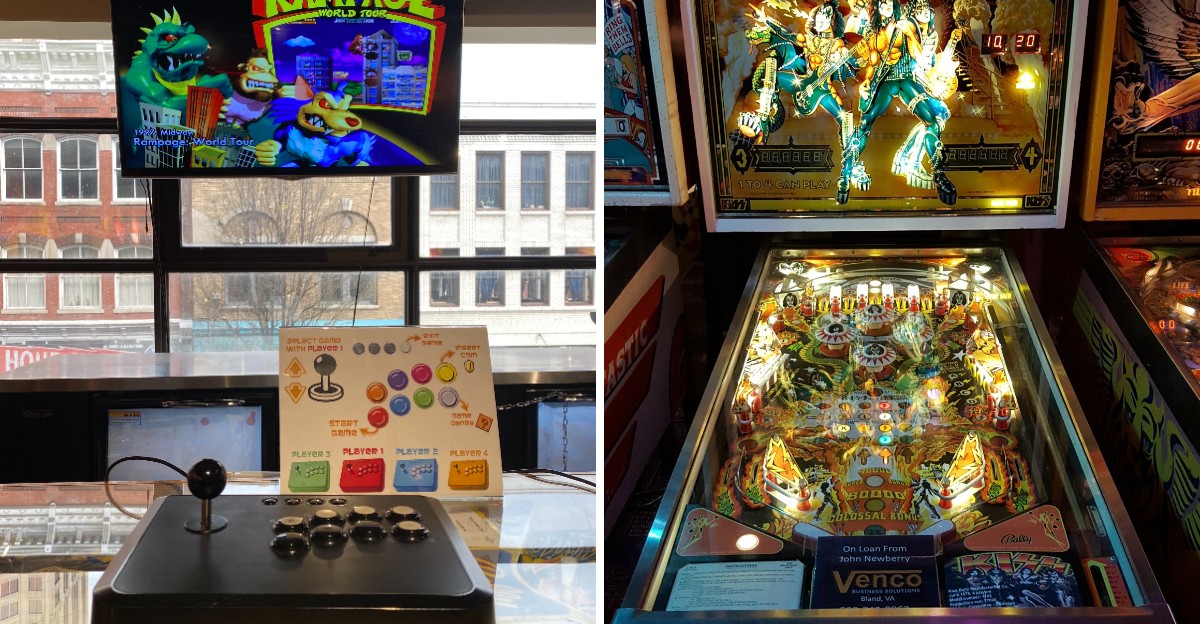
Retro gaming paradise barely covers what waits on the second floor of this Virginia building.
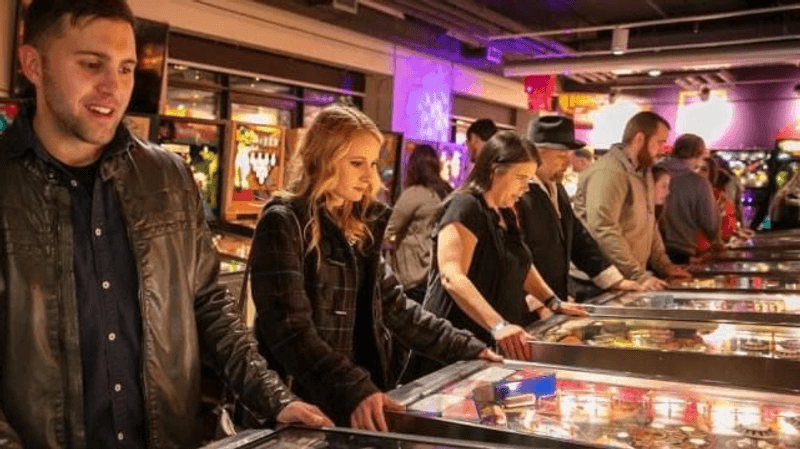
Lights glow purple over rows of machines, and bells ping from every corner of the room. Old wallpaper shifts patterns as you walk, marking decades like a timeline you can touch.
Sound layers into a constant hum that never really quiets down, and somehow none of it feels overwhelming.
One machine dates back nearly a century, its flippers pointing the wrong way on purpose. Another carries a prototype most players never get to touch.
Virginia holds onto this kind of quirky history well, and every flip inside adds up to an afternoon that flies by fast.
Bring quarters you’ll never need to spend, and let curiosity pick the first machine.
A Second-Floor Arcade Hiding Inside A Cultural Complex
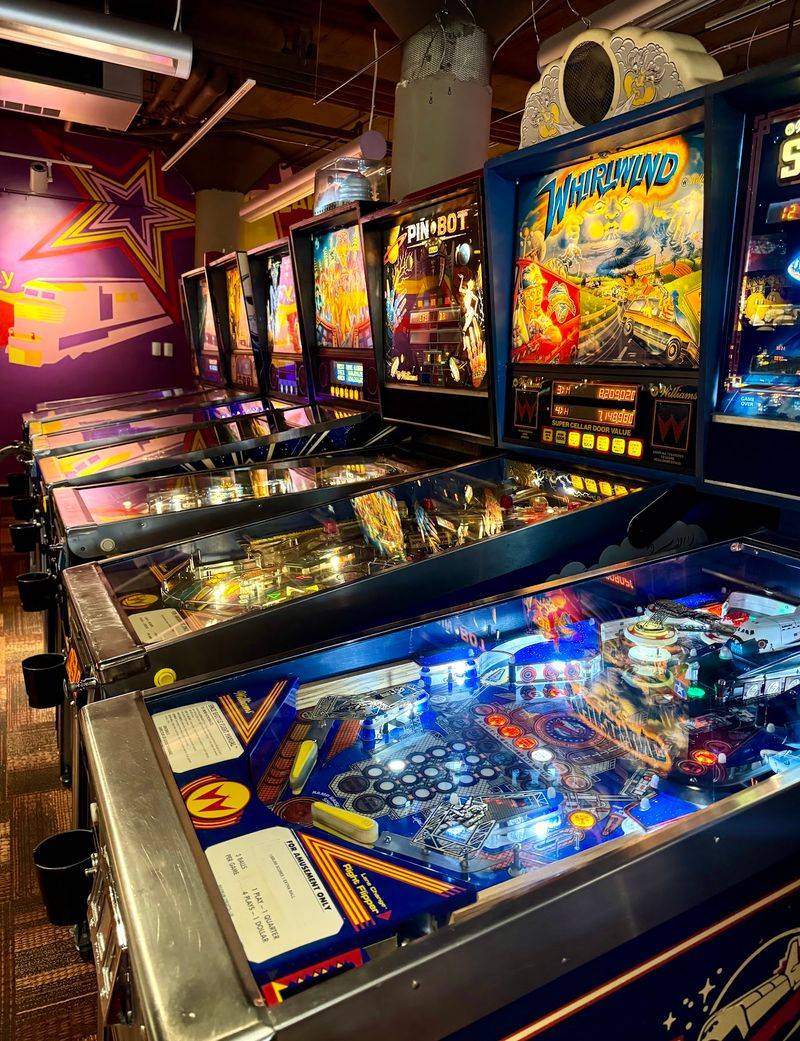
Most museums whisper. Roanoke Pinball Museum practically shouts, and it does so from the second floor of Center in the Square.
The complex sits right in the middle of downtown Roanoke, surrounded by shops and the historic farmers market. Visitors buy tickets at the first-floor desk, then take stairs or an elevator up.
The address is 1 Market Square SE, 2nd Floor, Roanoke, VA 24011, tucked into a building that also holds an aquarium and other attractions.
That shared setting works in a visitor’s favor. Families can combine a pinball afternoon with other stops under one roof, which helps on rainy days.
Restrooms and a candy shop sit downstairs, so nobody has to wander far for a break.
Parking downtown takes a little planning. A nearby garage and metered street spots are the usual options, and both fill quickly on busy weekends.
Arriving early tends to solve most of that. The museum opened in the summer of 2015 and has grown into one of the better-known stops in this part of Virginia.
Look for the signs. The noise upstairs does the rest of the directing.
One Ticket, Unlimited Flips, Zero Quarters
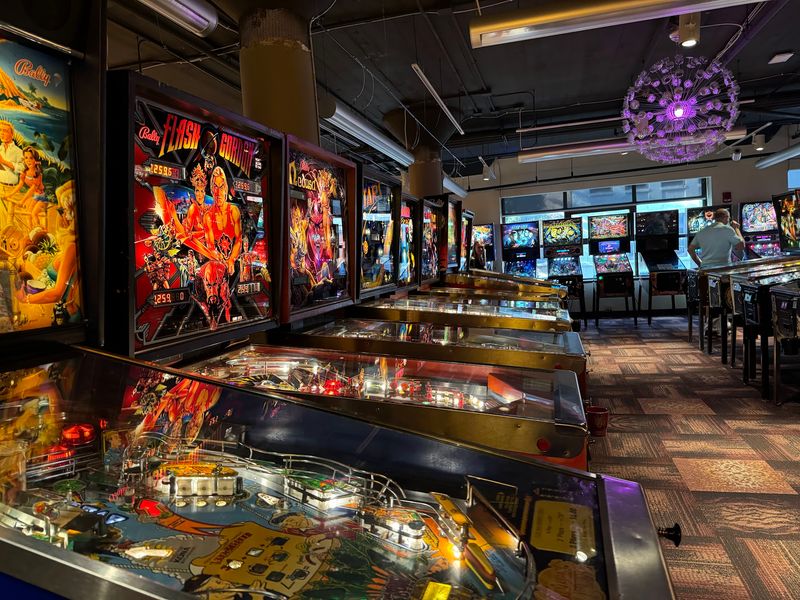
No pockets full of change. No frantic hunt for a change machine.
Every game at the Roanoke Pinball Museum runs on free play, unlocked by a single admission fee at the door. Visitors wander from table to table for as long as they like.
That setup changes the whole feel of the room. Nobody rushes.
Nobody guards a machine with a row of quarters lined up on the glass.
People step aside, offer tips, and cheer for strangers who nail a tricky ramp shot.
Tickets get printed, so leaving for lunch and returning the same day is possible. Downtown restaurants sit a short walk away, which makes a split visit easy.
Seasoned players often settle in for hours. Casual visitors sometimes plan one hour and stay three.
A Double Play ticket option covers both the pinball floor and the neighboring arcade, which appeals to anyone wanting the full retro sweep.
Wrists get tired before the fun does. Bring comfortable shoes, because almost all of the playing happens standing up.
Simple pricing, simple joy. Rare combination in the museum world.
Machines That Span Nearly A Century
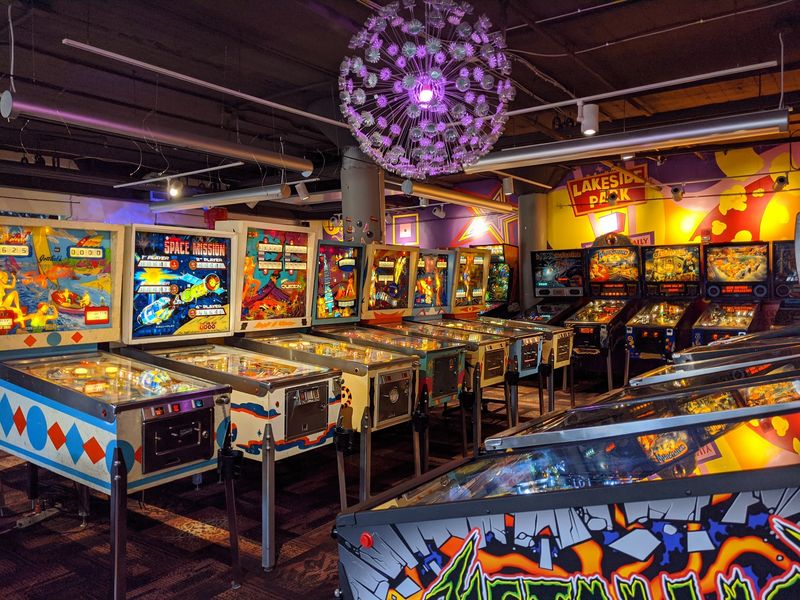
Ninety years of engineering sit side by side here.
The collection at the Roanoke Pinball Museum stretches back to machines from the early 1930s and runs forward into recent releases. Counts vary by source, but well over seventy playable tables is the usual figure.
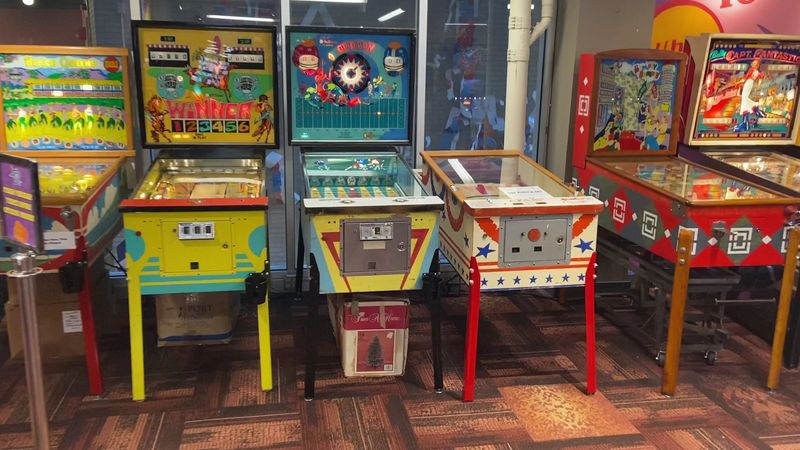
Early machines look almost unrecognizable. Some have no flippers at all, relying on plunger power and gravity to do the work.
A 1948 table called Screwball surprises people with flippers that point outward instead of inward, flipping the usual logic completely.
Move a few steps and the decades shift. A 1978 Atari machine mixes physical play with early video game technology, showing exactly where the two worlds started overlapping.
Then come the modern giants with ramps, multiball chaos, and voice callouts.
Playing them in sequence teaches more about design history than any plaque could. The difference in speed alone tells a story.
Older tables reward patience. Newer ones reward reflexes and a bit of nerve.
Trying one from each era makes for a satisfying afternoon plan. Consider it a hands-on timeline of American amusement.
Famous Faces On The Playfield
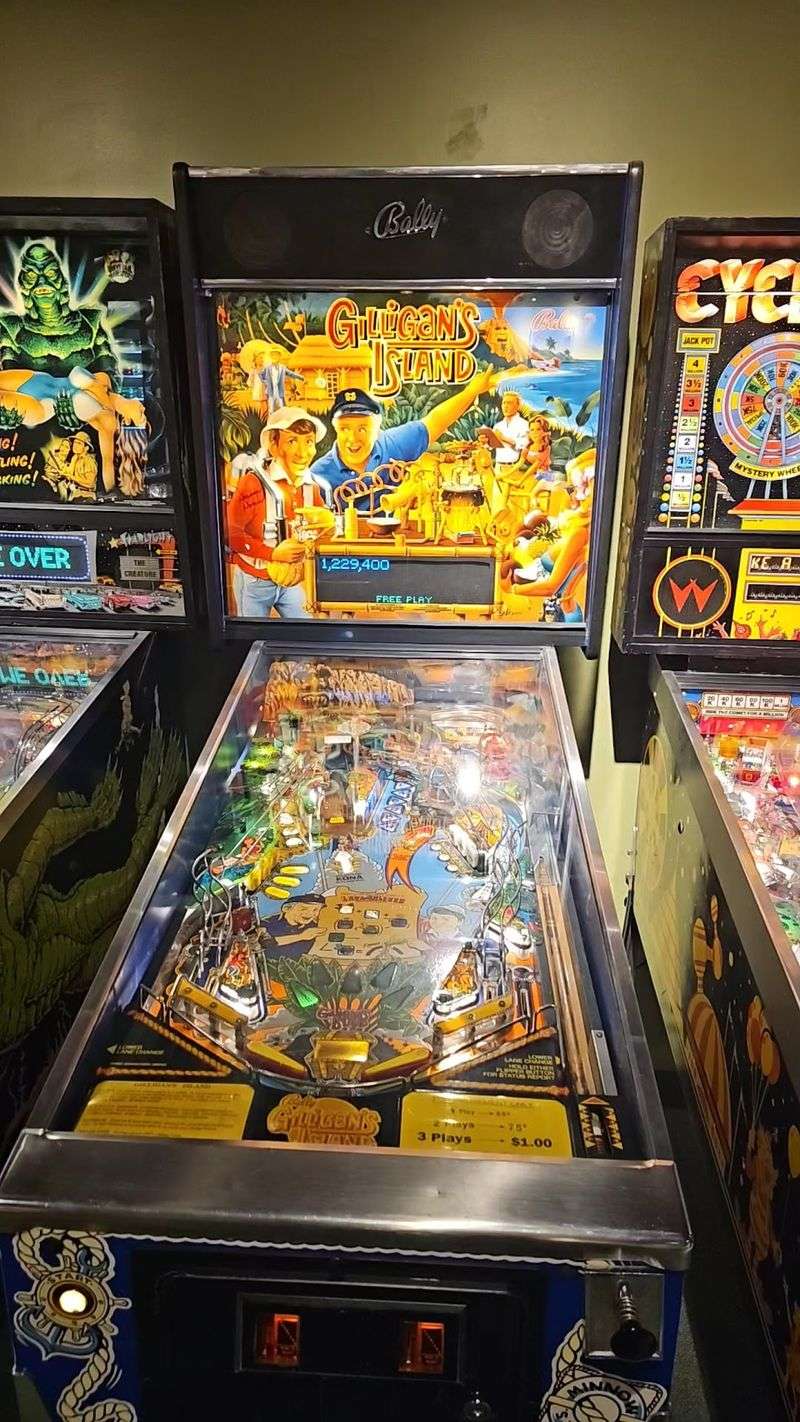
Pop culture covers nearly every backglass in the building.
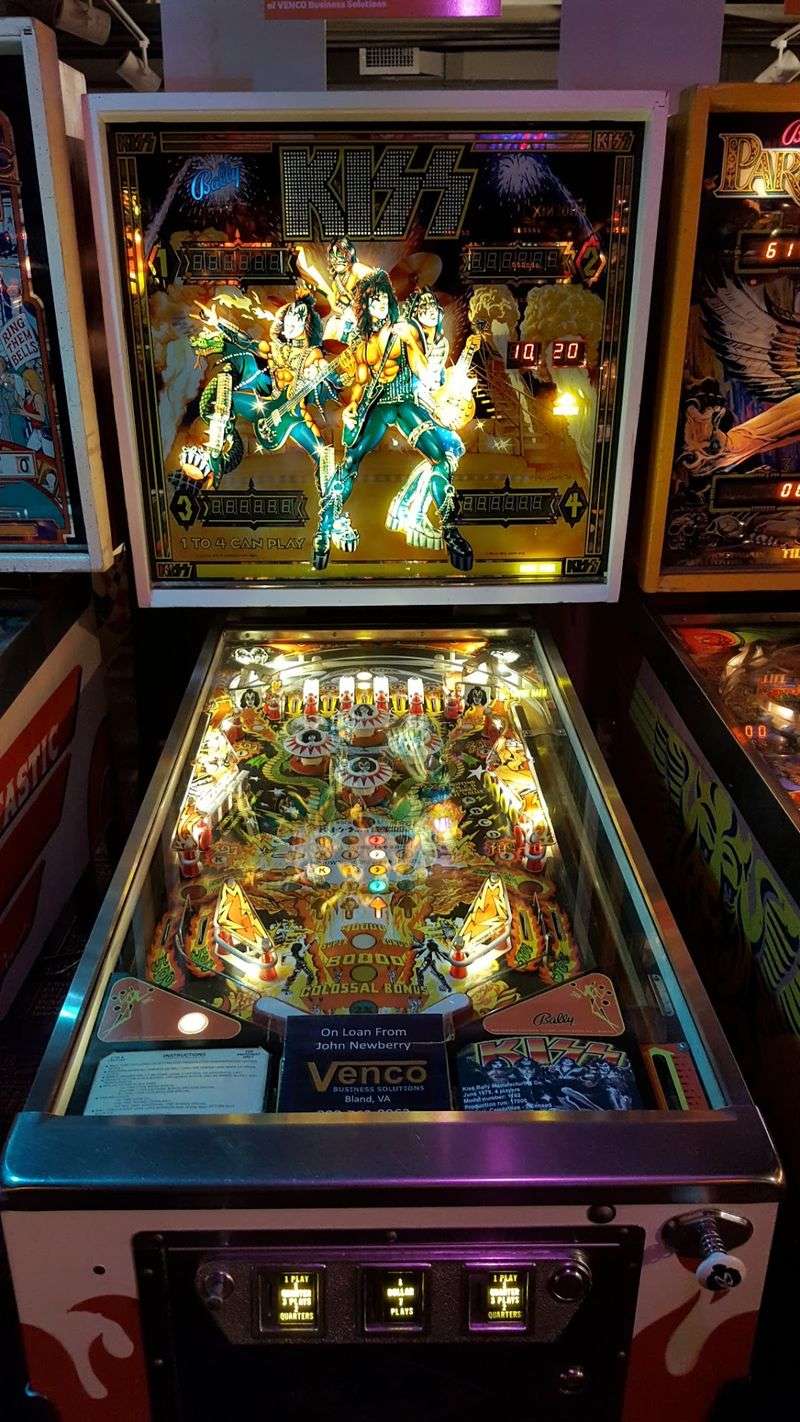
Guests at the Roanoke Pinball Museum find tables built around The Beatles, the Beach Boys, Gilligan’s Island, the Dukes of Hazzard, and the Hulk. Music fans gravitate toward the Elton John and Iron Maiden machines.
The 1992 Addams Family table remains a heavyweight favorite. Its clicking bookcase and booming voice lines still pull crowds decades after release.
Themed machines act as time capsules. Each one reflects what audiences loved during the year it rolled off the line.
A 1984 space shuttle game features a scale model shuttle built right into the playfield, a first for pinball at the time and a big reason the machine is considered historically important.
Spotting a childhood favorite hits differently than reading about it. Visitors frequently pause mid-game just to stare at artwork they last saw as teenagers.
Rotation happens, and occasional machines go down for repair. Anyone chasing one specific table should keep expectations flexible.
Half the fun lies in discovering something unexpected instead.
Physics In A Box, Explained
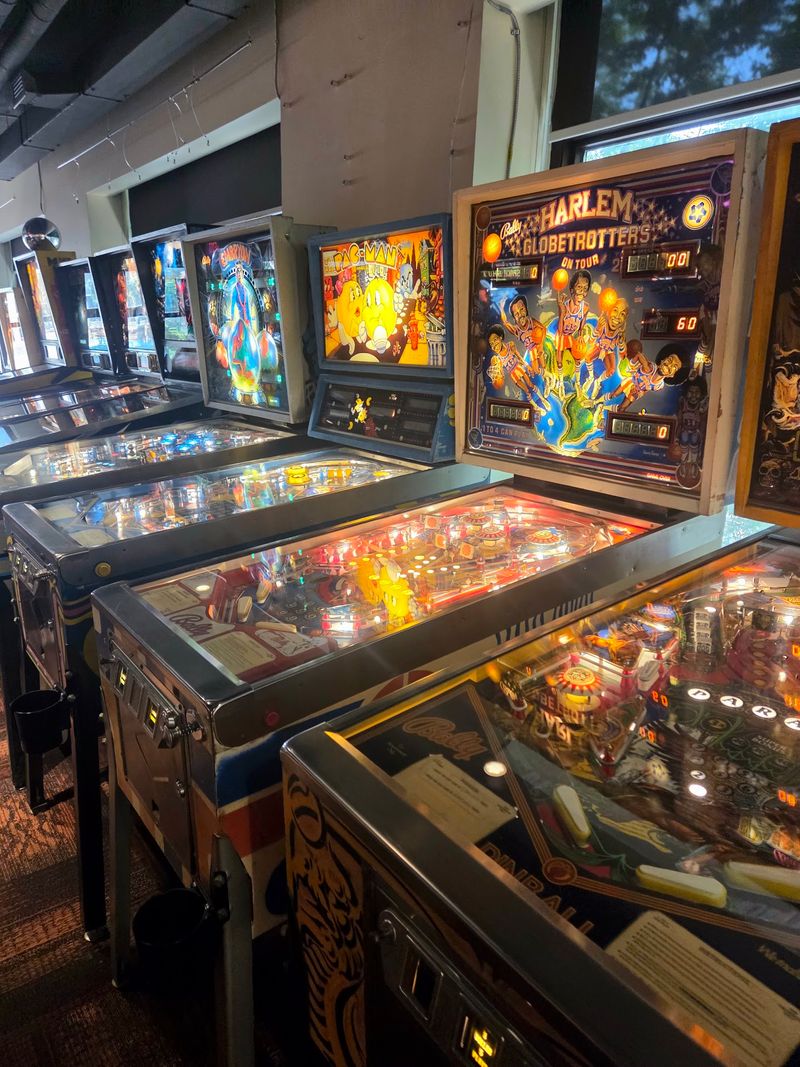
Flippers are levers. Bumpers are switches.
Every shot is a lesson in motion.
The executive team behind the Roanoke Pinball Museum describes pinball as physics in a box, and the exhibits back that idea up. Informational boards explain how the machines evolved from mechanical to electronic to computerized.
Some displays reveal the guts. Visitors can peek at wiring, solenoids, and the tangle of parts that make a silver ball behave.
Catching a technician mid-repair adds another layer. Watching someone troubleshoot a fifty-year-old circuit turns into an unplanned demonstration.
Schools get attention too. The museum offers curriculum resources aligned with Virginia standards, plus materials for teachers planning field trips.
Kids who resist science lectures suddenly ask how a flipper generates force. That shift happens fast when a game is involved.
Art gets equal billing. Backglass illustration, cabinet design, and sound engineering all appear as topics worth studying.
Curiosity is the real exhibit here. The machines simply provide the excuse.
Anyone who thinks museums and playtime cannot coexist should spend an hour on this floor and reconsider.
Purple Lights And Decade-Hopping Wallpaper
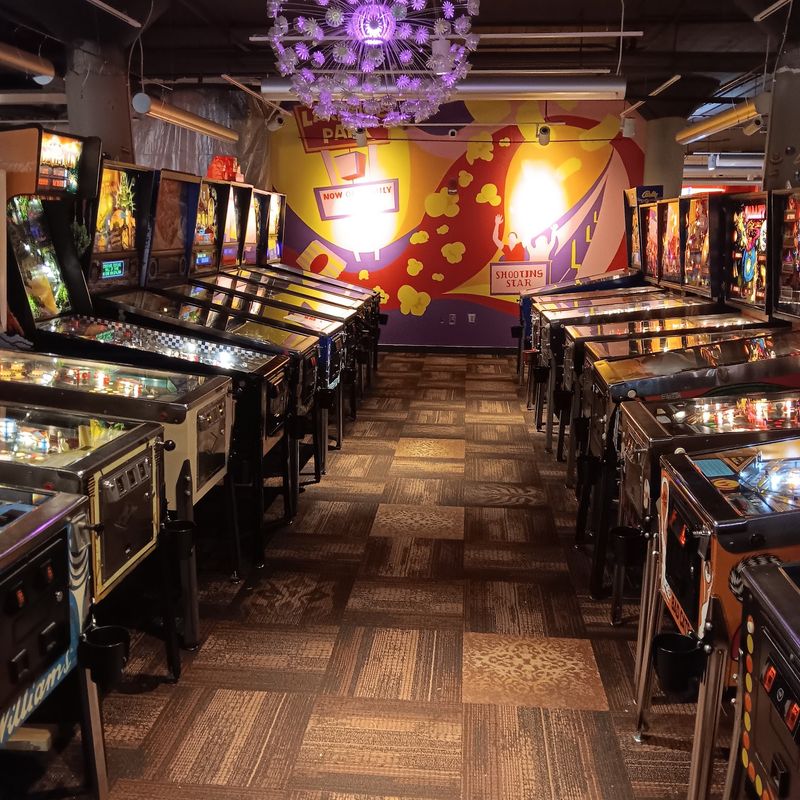
Purple LED chandeliers hang overhead. That detail alone signals this is not a hushed gallery space.
Design choices throughout the Roanoke Pinball Museum lean playful. Wallpaper shifts as visitors move through the room, marking different eras of pinball history.
Striped surf-style patterns nod to the 1960s. A glowing grid pattern channels early 1980s computer graphics.
Sound fills every corner. Dozens of machines chirp, chime, and blurt out voice lines at once, creating a layered hum that somehow never feels overwhelming.
The pop of a replay cuts through everything. Regulars claim it is the best sound in the building.
Lighting stays dim enough to let the playfields glow. Cabinet art practically shines under the low light.
Families report the atmosphere feels welcoming rather than rowdy. Stools and step stools help shorter players reach the buttons.
Photographers love the color. The mix of neon, chrome, and painted glass photographs well even on a phone.
Funky, eclectic, and cheerfully loud, the room earns its reputation. Quiet contemplation belongs somewhere else in Virginia.
The Starcade Next Door Doubles The Fun
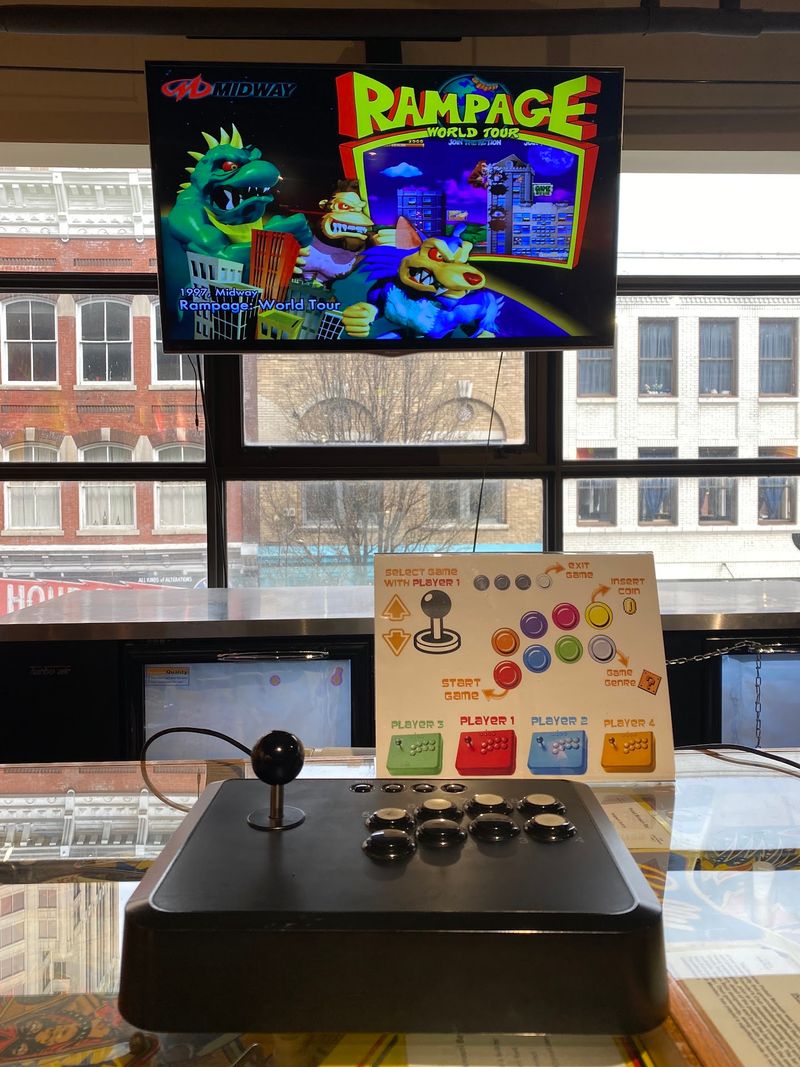
Silver balls not enough? Joysticks wait one door over.
The Roanoke STARCADE sits adjacent to the Roanoke Pinball Museum and focuses on 1980s-era video games. Upright cabinets line the walls, glowing in that unmistakable arcade blue.
A combined Double Play ticket covers both spaces at a discount. Groups with mixed tastes usually find that option the easiest solution.
Switching between the two changes the rhythm of a visit. Pinball demands physical timing, while classic video games test pattern recognition and quick thumbs.
Parents often discover their kids prefer the older games. Something about pixel art and simple controls still lands with younger players.
Both spaces share the same building, so moving between them takes seconds.
Event planners take note. Rentals can combine both rooms for birthdays, graduations, corporate gatherings, and team-building sessions.
Late-night events and tournaments appear on the calendar throughout the year, drawing competitive players from around the region.
Two rooms, one building, decades of gaming history. Downtown Roanoke packs a surprising amount of retro firepower into a single floor plan.
Built For Families, Not Just Collectors
Short arms need a boost. The museum thought of that.
Stools and step stools sit near many machines at the Roanoke Pinball Museum, letting younger kids reach the flipper buttons without help. Small touch, big difference.
Parents describe the place as one of the rare attractions where everyone in the group stays entertained. Eight-year-olds and grandparents end up playing the same table.
No screens to argue over. No timers counting down.
The free-play format removes pressure entirely. A child can lose three balls in twenty seconds and immediately start again.
Staff members tend to be approachable and happy to explain how a specific machine scores. Asking questions is encouraged.
Older tables move slowly, which suits beginners. Modern machines with multiball and ramps give teenagers something to chase.
Solo visitors fit in easily too. The courteous, take-turns culture means waiting rarely lasts long.
Group outings, school trips, and casual weekend stops all work here. Few attractions in Virginia manage that kind of range.
Bring the whole crew and let everyone find a favorite.
A Nonprofit Mission To Keep Machines Alive
Restoration is the quiet work behind the noise.
Operating under Center in the Square’s nonprofit umbrella, the Roanoke Pinball Museum focuses on preserving pinball’s place in American culture.
That approach carries risk. Constant play wears parts down, and a few tables sit out of service at any given time.
Most visitors accept the tradeoff happily. Playing a genuine 1960s machine beats admiring one from a distance.
Donations occasionally arrive from families passing along a relative’s beloved table. Those machines get a second life in front of new players.
The mission extends past nostalgia. Honoring the craft, the engineering, and the artists behind cabinet design all factor in.
Leadership has openly aimed to make Roanoke the pinball capital of Virginia, and the collection keeps growing toward that goal.
Every flip contributes to upkeep. Admission supports the repairs that keep antique machines running another season.
Preservation through play is an unusual philosophy. Here it seems to be working beautifully.
Smart Tips Before Making The Trip
Plan a little and the visit goes smoothly.
Tickets for the Roanoke Pinball Museum are purchased at the first-floor desk, not upstairs, which catches some first-timers off guard. Elevator access exists for anyone who prefers skipping the stairs.
Weekday afternoons generally run calmer than weekends. Fewer people means shorter waits for the popular tables.
Downtown parking requires a bit of strategy. Nearby garages charge by the hour, and street spaces near Market Square disappear fast.
Because re-entry is allowed on the same day, splitting the visit around a meal works well. The surrounding market district offers plenty of options within a short walk.
Two hours suits most casual visitors. Dedicated players routinely stretch it much longer.
Comfortable footwear matters more than expected. Standing at machines adds up quickly.
Anyone hoping to play a specific machine should stay flexible, since repairs happen regularly across a collection this large and this old.
Groups planning parties or corporate events can inquire about private rentals.
Show up curious, leave with sore wrists and a grin. That seems to be the standard outcome.