
The Historic South Carolina Train Ride That Takes You Through Stunning Early Fall Scenery
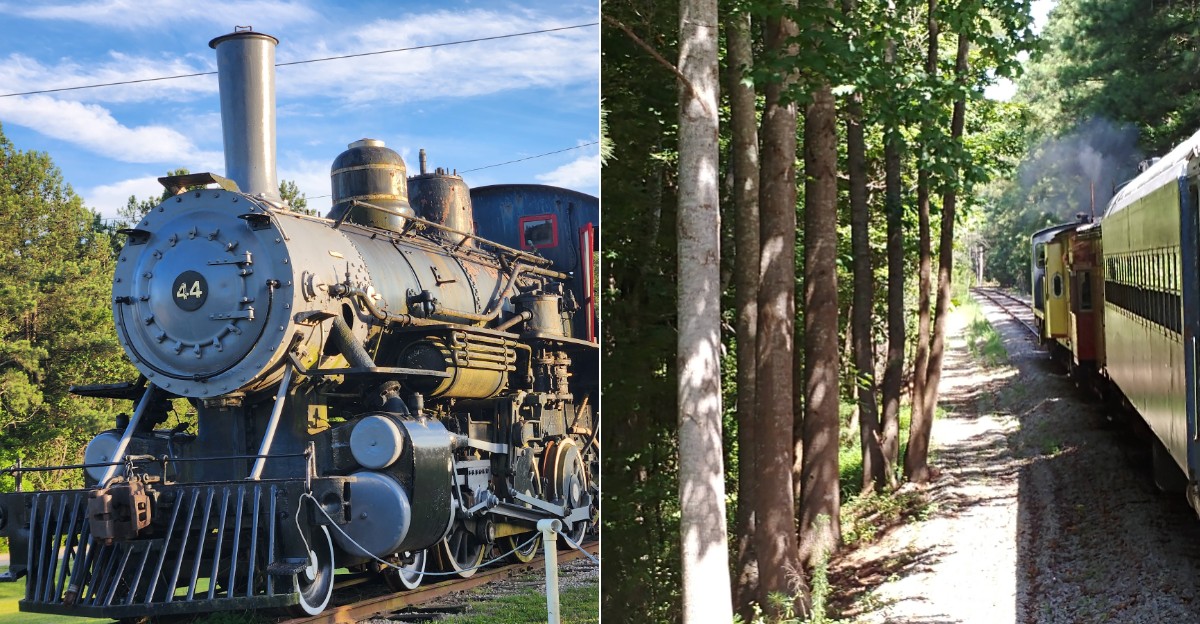
Picture a vintage train rolling slowly through the South Carolina countryside while cool October air drifts through an open-air rail car.
Fields stretch out on both sides. Granite walls rise beside the tracks, cut by hand more than a century ago.
Old chimneys stand alone in the trees, quiet reminders of families who once farmed this land.
This is not a theme park ride or a movie set. It is a real working railroad, kept alive by volunteers who love trains more than anyone you will ever meet.
The route follows a historic line originally built to haul heavy blue granite out of Fairfield County. Today it carries curious visitors instead of stone.
Early fall is the sweet spot here, when the leaves start turning and the heat finally backs off.
Whatever brings you, one thing is certain: this corner of South Carolina rewards anyone willing to slow down and ride the rails the old-fashioned way.
Where Vintage Rails Still Roll
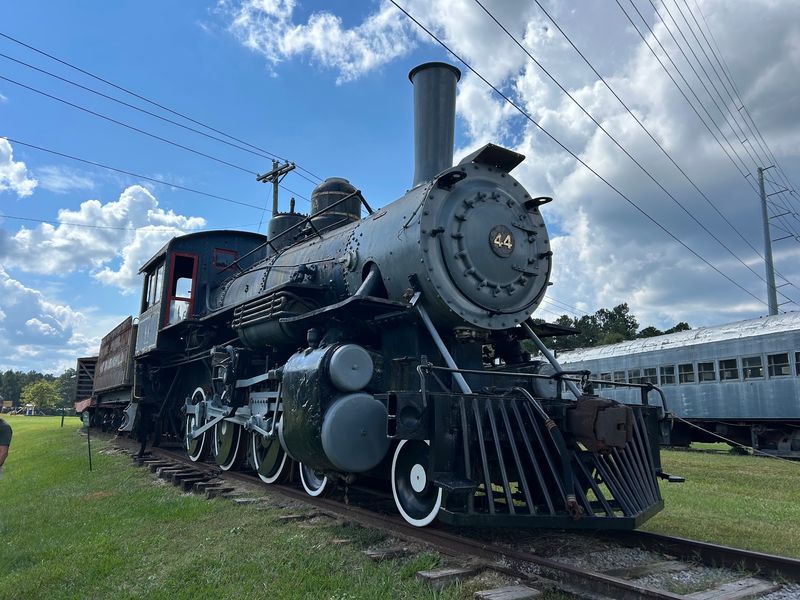
Meet the South Carolina Railroad Museum, a volunteer-run treasure sitting in Winnsboro, about half an hour north of Columbia. It got its start back in 1973, when railroad fans from Columbia and Charleston decided the state’s rail history deserved saving.
By 1983, the museum had planted roots in Fairfield County for good. Today the whole site is listed on the National Register of Historic Places, which is a serious honor for a place run entirely by people who volunteer their weekends.
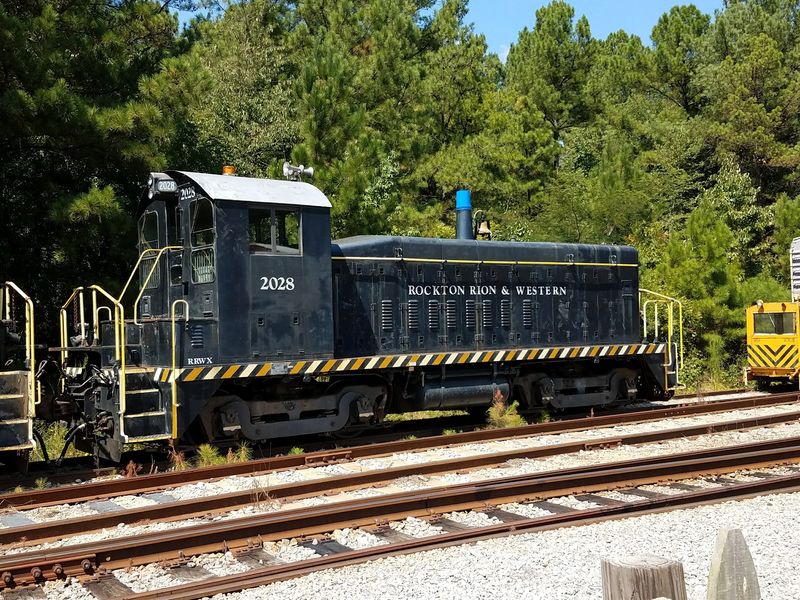
Pulling up, you will spot rows of locomotives, passenger coaches, and freight cars lined along the rails. Some gleam from careful restoration.
Others wear their age proudly, paint faded by decades of Carolina sun.
The property is bigger than most visitors expect. There is a station building, a gallery, a gift shop, and a loading platform where the train picks up passengers.
What makes the whole operation special is the passion behind it. Every ticket seller, every car host, every engineer is a volunteer who genuinely loves this stuff.
Ask a question and you will get a full answer, plus two stories you did not ask for.
Admission to walk around the exhibits is generally free, with donations welcomed. Train rides and special events need tickets, so plan ahead.
Have you ever visited a museum where the exhibits actually move?
Riding The Old Granite Line
Here is the part that makes railroad history buffs grin. The main train ride runs along a stretch of the historic Rockton, Rion and Western Railroad, a line that once measured 11.5 miles.
Why was it built? To haul Winnsboro Blue granite, one of the toughest and most beautiful stones in the region.
Heavy loads needed strong rails, and this little railroad delivered for decades.
Your trip covers a ten-mile round trip and takes roughly an hour. The train creeps along at speeds up to 15 miles per hour, slow enough that you can pick out details in the passing landscape.
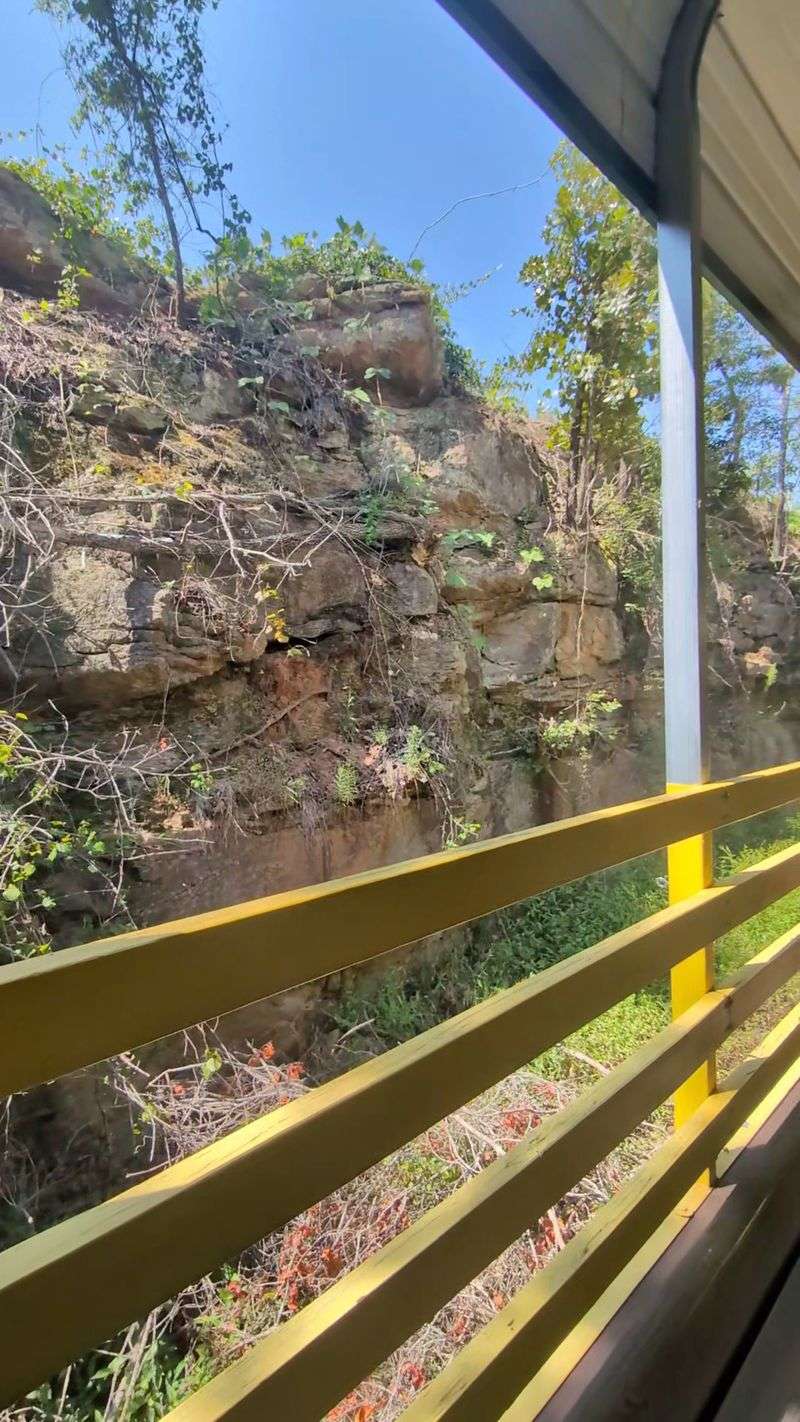
Watch the sides of the track closely. In places, the rail bed cuts right through solid granite, with rough stone walls rising beside the cars.
Those walls were carved out by workers long before power tools made the job easy. Running your eyes along them, you get a real sense of how much effort went into moving stone across South Carolina.
Volunteers narrate the ride, sharing stories about the original Rockton and Rion Railroad and the industry that built this corner of the state.
Early fall makes the trip even better, with mild air and leaves beginning to change along the route.
Would you rather learn history from a book or from a moving train seat?
Open-Air Cars Win Every Time
Choosing your seat matters more than you might think. The train offers standard coach seating, open-air cars, and even open-air cabooses, and each one gives a different kind of day out.
Coach seats are the comfortable pick. Shade, cushioned seating, and protection if a cloud decides to sprinkle on your parade.
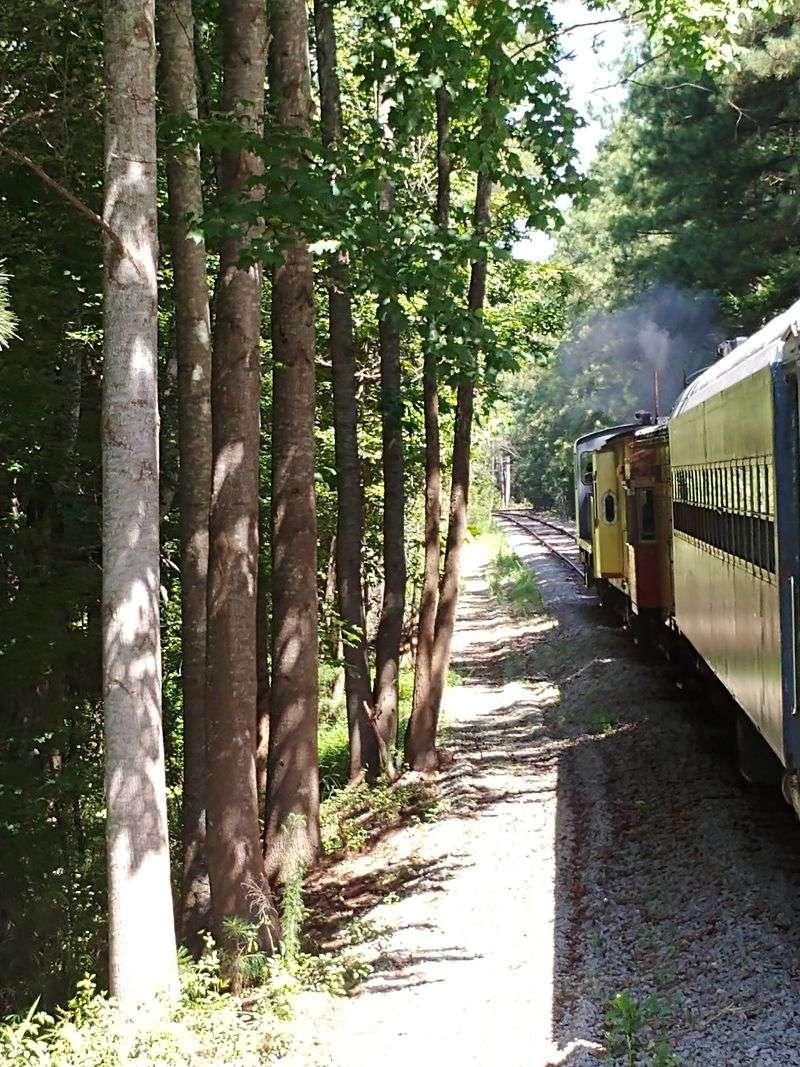
Open-air cars, though, are where the magic happens. No windows between you and the countryside means you hear every clack of the wheels and catch the smell of fields and pine as you roll past.
Visitors who choose the open-air option almost always say the same thing afterward: they saw more, felt more, and would pick it again.
Photographers especially love it. Nothing blocks your lens, and the slow speed gives you plenty of time to frame a shot of the granite walls or an old chimney standing in the weeds.
Families with small children or anyone needing a quieter setting often prefer coach, which works beautifully too. There is no wrong answer here.
One practical tip: restrooms are located at the train station, not on the train itself. Plan that stop before you board.
Bring a light jacket for early fall mornings, since the breeze picks up once the train gets moving.
Which seat would you claim, the open breeze or the cozy coach?
Ghost Chimneys And Forgotten Farms
Some of the most moving sights along the route are the quietest ones. Scattered through the trees and fields, you will notice lone chimneys standing where houses once stood.
Those were sharecropper and tenant farmer homes. Families lived and worked here, farming land they did not own, and the brick chimneys are what remain.
The narration brings those places back to life. Hearing about the people who lived along these tracks turns a pretty train ride into something with real weight.
Keep your eyes open for the old Greenbriar School as well. Built in the mid-1900s from local granite, it is a solid reminder of how this stone shaped everything around it.
Industrial leftovers from the granite business appear too. Bits and pieces of a working operation that once shipped South Carolina stone far beyond county lines.
Nature has taken much of it back. Vines climb, trees crowd in, and fields of corn or sunflowers sometimes line the route depending on the season.
That mix of history and wild growth is exactly what makes early fall the best time to ride. Thinner leaves mean better views of what hides in the woods.
Photographers, bring a zoom lens. Some of the best subjects sit back from the tracks.
What story would you imagine behind a chimney with no house?
Pumpkin Patch Express Delights Kids
Ask any local family about fall here and one event comes up immediately. The Pumpkin Patch Express typically runs on the two Saturdays before Halloween, and it turns the whole museum into a celebration.
The idea is simple and wonderful. You board the train, ride out through the countryside, and arrive at a pumpkin patch where kids pick and decorate their own pumpkin.
Past events have included inflatables, games, a maze, balloon animals, face painting, and food trucks. Families typically spend about an hour at the patch before catching the train back.
Tickets for popular fall events go fast, so buying early is smart. During special events the museum sometimes opens earlier than usual, around 9:30 in the morning.
Little ones get the biggest thrill. For many children, this is their very first train ride, and the look on their faces makes the trip worth every mile.
Parents appreciate how organized everything feels. Clean restrooms with changing tables sit at the station, and there is plenty of room for strollers and wagons.
Daytime rides work best for young kids, since they can actually see the scenery rolling by and understand the train is moving.
Schedules shift year to year, so check the official website before you pack the car.
Which would your kids pick first, the train or the pumpkins?
Steam Engines And Restored Beauties
Train lovers, prepare yourself. The collection parked around this property covers locomotives, passenger cars, and freight cars spanning generations of Southern railroading.
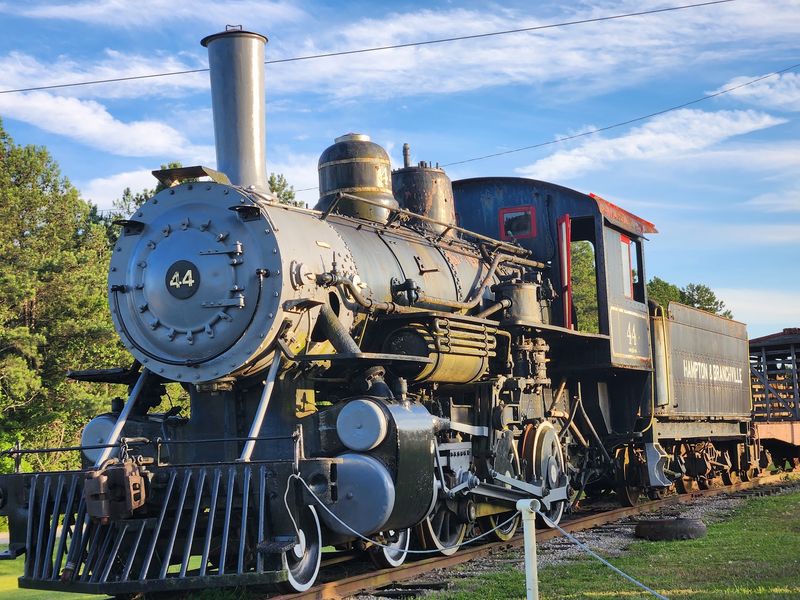
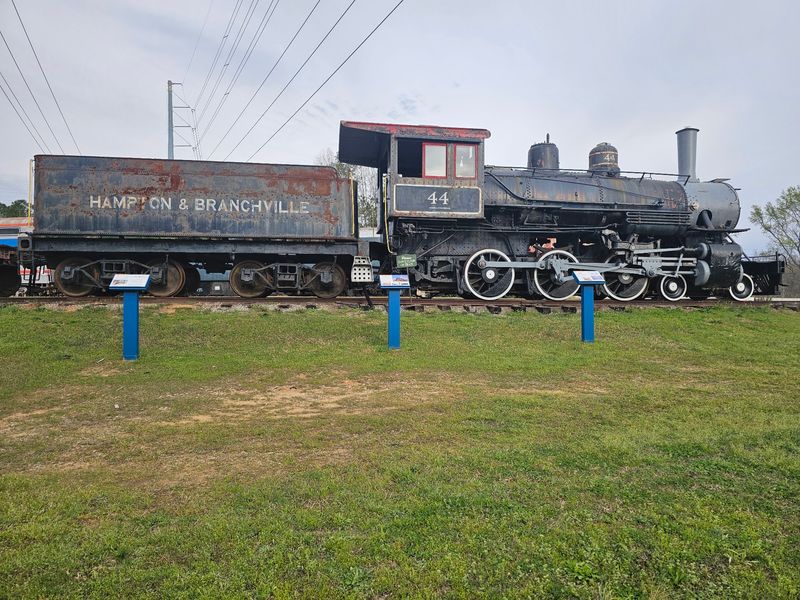
The standout is the Hampton and Branchville number 44, a Baldwin steam locomotive. Standing next to a steam engine gives you a whole new respect for the machines that built this country.
There is a 1924 Southern Railway dining car in the collection too. Imagine linen tablecloths and hot meals served while the landscape blurred past the windows.
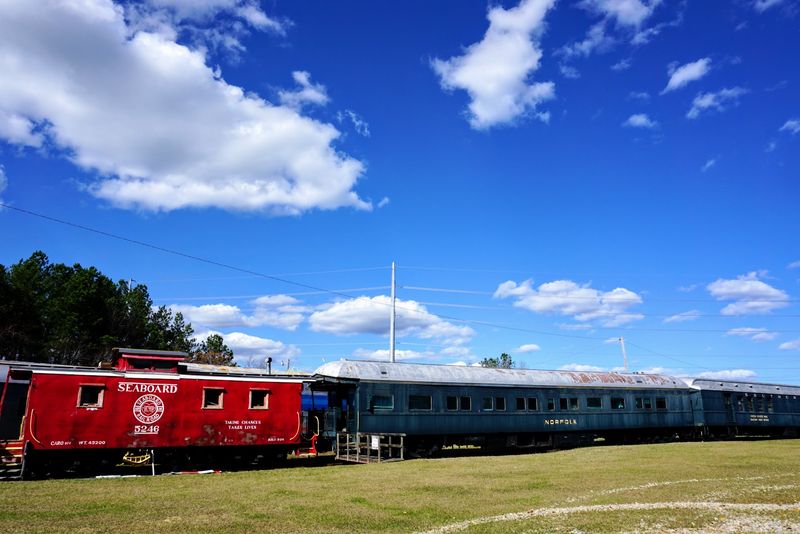
The Seaboard Air Line business car named Norfolk is another favorite. Business cars were rolling offices for railroad executives, fancy and functional at the same time.
Circus dormitory cars round out the lineup. Yes, circus performers traveled by rail, sleeping in bunks stacked inside these very cars.
Restoration takes time, money, and a lot of volunteer hours. Some cars shine like new, while others still wait their turn, showing honest wear.
Visitors often say seeing them in progress is part of the appeal. You are watching preservation happen rather than looking at a finished display case.
The volunteers working on these machines know every bolt. Strike up a conversation and you will hear details no plaque could ever hold.
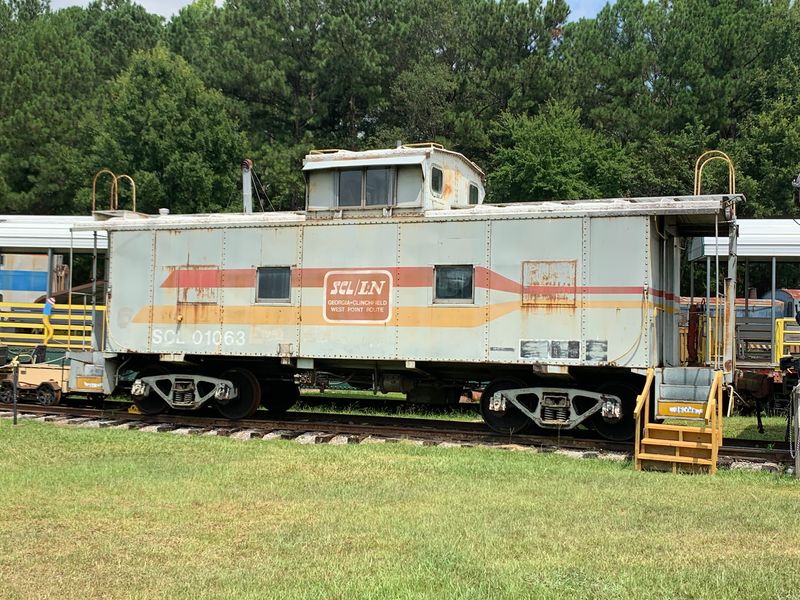
Static displays include a century-old business car, a caboose, a baggage car, and a post office car.
Which car would you explore first?
Walk Through Century-Old Rail Cars
Here is the surprise that wins over even people who do not care much about trains. You can walk straight through several historic rail cars and see how they looked inside.
The post office car is a favorite. Mail once got sorted right here while the train rolled, a mobile office on steel wheels.
Step into the sleeping and dining sections and the sense of another era hits hard. Narrow hallways, compact berths, and fittings built when craftsmanship was expected.
The caboose tells its own story. Crews worked and rested in these small spaces at the tail end of long freight trains.
Visitors regularly describe the walkthrough as the highlight of the whole visit. Being able to touch the handrails and sit on the benches beats reading about it any day.
Kids especially let their imaginations run wild in here. One minute they are passengers, the next they are conductors calling out stops.
The business car, more than a century old, shows off the more elegant side of rail travel.
Bring a camera and take your time. Light coming through the old windows makes for some genuinely beautiful photos.
The display train is open during regular museum hours alongside the gallery and ticket office, so you can browse before or after your ride.
Which era of travel would you most want to experience firsthand?
Gallery Treasures And Souvenir Finds
Save some energy for indoors, because the gallery holds hundreds of original artifacts from South Carolina railroads. Photographs, tools, and handwritten logbooks fill the space.
Those logbooks stop people in their tracks. Real handwriting from real railroad workers, recording ordinary days that turned into history.
Each display connects back to the state’s rail story, from the granite haulers of Fairfield County to lines that crossed the Southeast.
The gift shop is genuinely fun to browse. Rail-themed souvenirs fill the shelves, and the color-changing shirts that react to sunlight have become something of a local legend.
Small purchases matter here. Every dollar supports a non-profit organization dedicated to preserving railroad history through education and restoration work.
Accessibility is taken seriously. Wheelchair ramps and a train loading platform make the site welcoming for visitors with mobility needs.
The gallery, display train, ticket office, and gift shop generally operate Wednesday through Saturday, with closures on major holidays. Because train schedules and event dates change, always check the official website first.
You will find it all at 110 Industrial Park Road in Winnsboro, an easy drive off Interstate 77 and worth every mile.
Early fall through November brings the best foliage along the route, making this one of the most scenic rides in South Carolina.