
Mules Still Pull A Canal Boat Past A Working Grist Mill In Grand Rapids, Ohio
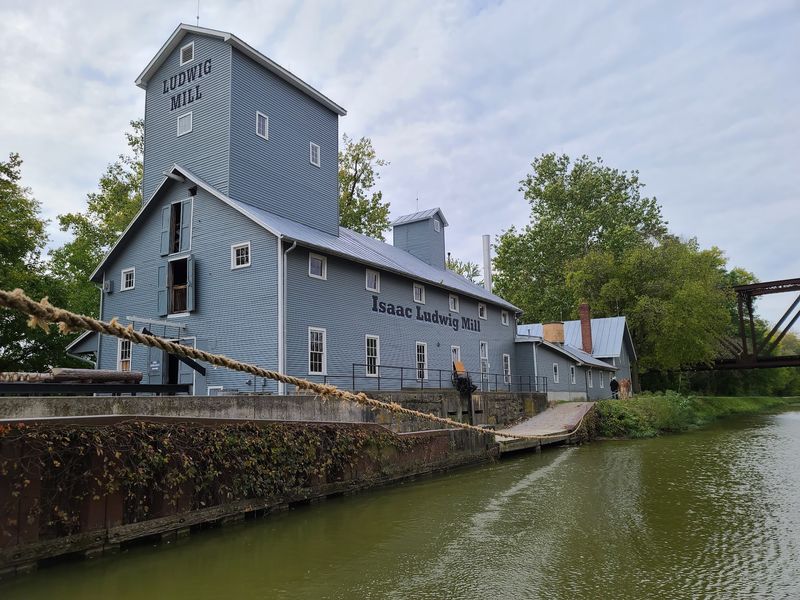
There is a stretch of northwest Ohio where the river bends wide and the road narrows to a shady two-lane, and if you slow down at the right gravel turnoff you will hear something odd: water rushing under a wooden building, and the clop of hooves on a dirt path. Mules are still doing a job here that most people assume ended generations ago, towing a passenger boat along a canal that was old news before cars existed.
Next door, a mill built in 1866 grinds grain and saws lumber using nothing but the push of water. It is the kind of stop that sounds sleepy on paper and then sticks in your memory for years.
A River Bend In Wood County Where The Canal Era Never Ended
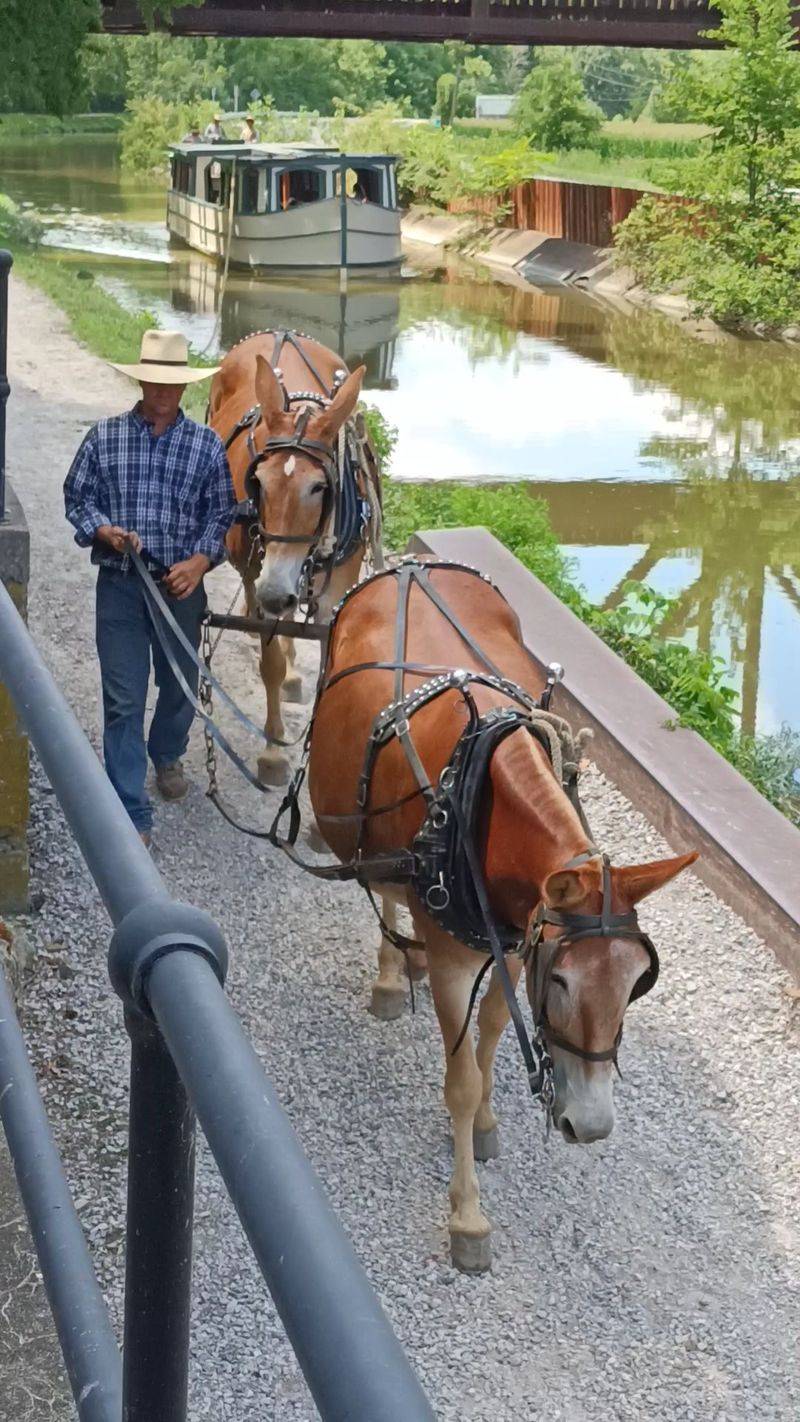
Across the Maumee River from the village of Grand Rapids, inside Providence Metropark, sits the Isaac R. Ludwig Historical Mill at 13496-13600 S River Rd. The address matters because plenty of drivers pass it without ever knowing the canal is there, screened by trees along the river road.
What survives here is a short, watered section of the old Miami and Erie Canal, the shipping lane that once moved grain, lumber, and people across Ohio before railroads took over. The mill anchors one end of it, a tall timber building with five floors of machinery still fed by moving water.
Metroparks Toledo runs the site, which explains the tidy gravel lot, the mowed towpath, and the modern restrooms with flushing toilets that parents will appreciate. Toledo is roughly 30 minutes north, putting the park within easy day-trip range of Toledo, and a comfortable half-day drive from Columbus, Dayton, or Cleveland.
Visitors consistently describe the setting as quiet and unhurried, the sort of place where you hear water before you hear voices. It is a historical landmark that happens to still be doing work.
The Mill That Started Grinding In 1866
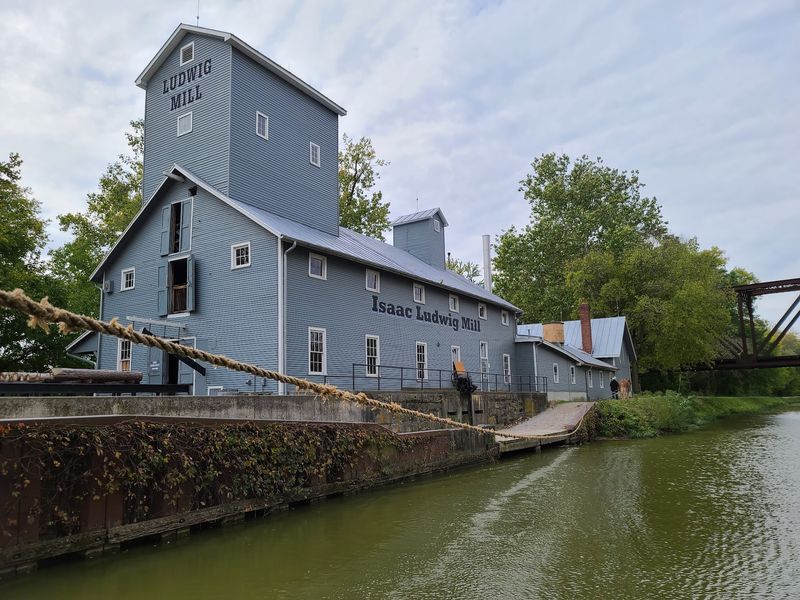
Grain went through this building before Ohio had paved highways. The mill opened in 1866, built to serve farmers who floated their harvests along the canal, and it never fully surrendered its purpose the way most mills of its age did.
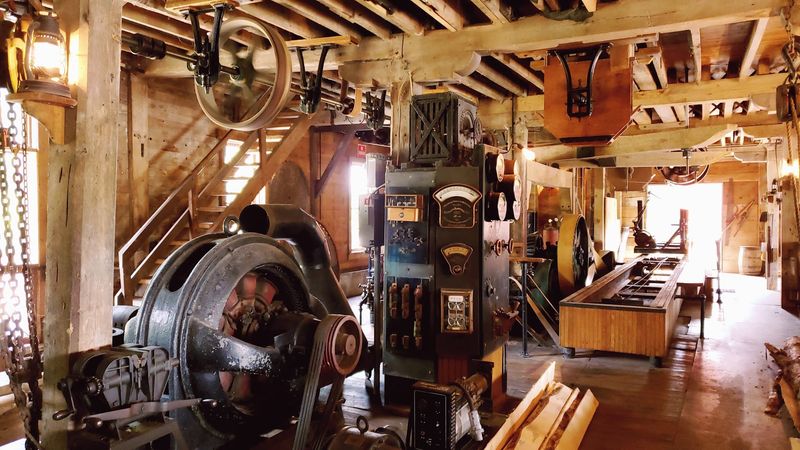
Instead of a giant exterior waterwheel, the power comes from a water turbine set below, which spins shafts and leather belts that climb through the floors. Guests walking the levels see grain elevators, chutes, and sawing equipment all connected to that single source of motion.
One detail people mention often is the smell, old wood and mill dust, which does more to sell the era than any placard could. Another is the flood record marked inside, a reminder of how hard the Maumee has pushed against this structure over the decades.
Several visitors point out that the mill is described as one of the very few vintage fully operational mills left in the country, and watching a belt-driven system actually turn is the reason many come back. If you like machinery, plan on lingering longer than you expected to.
Mules, A Towline, And The Volunteer
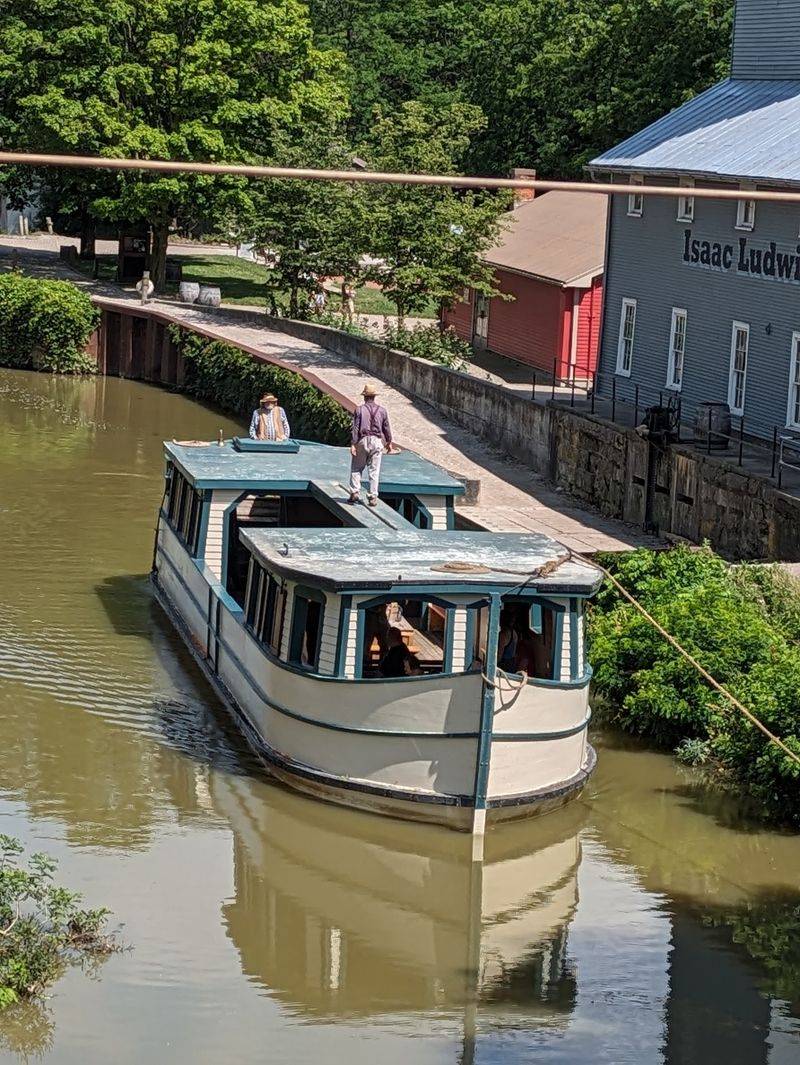
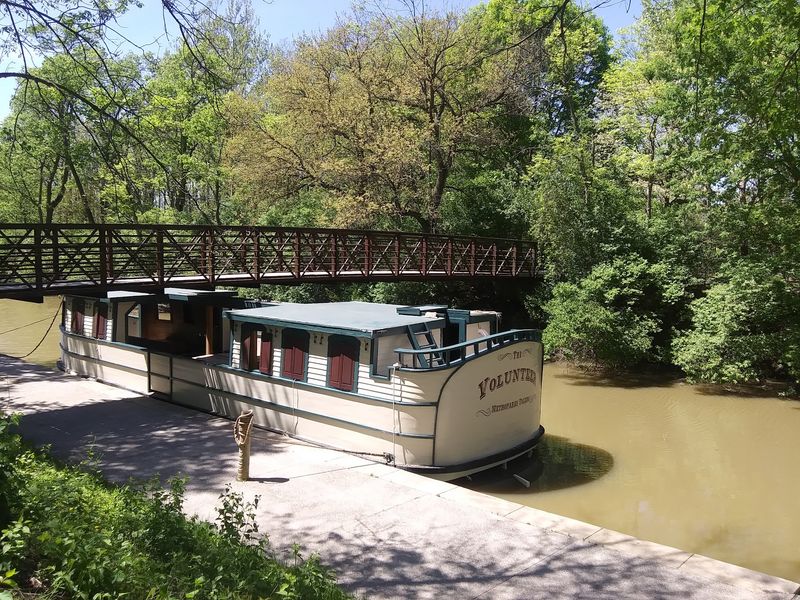
Two mules walking a dirt towpath do the whole job. They are harnessed to a towline that stretches out to The Volunteer, a reproduction of the packet boats that carried passengers along the Miami and Erie Canal in the 1800s.
The trip runs roughly 45 minutes to an hour, and the pace is genuinely slow, something riders joke about afterward. More than one person has admitted the ride gave them fresh respect for cars.
Crew members work in period clothing and narrate as the boat glides, covering canal life, cargo, and the daily grind of moving freight by animal power. Families report that the guides keep it educational without letting it drift into a lecture, and kids stay engaged because there is always something happening on deck or along the bank.
Boat operation is seasonal and weather can interrupt a day’s schedule, so it helps to arrive with flexible plans. When the mules lean into the harness and the boat starts to move without an engine, the trick of it lands even on adults who came along mostly to keep the kids company.
Lock #44 And The Business Of Lifting A Boat
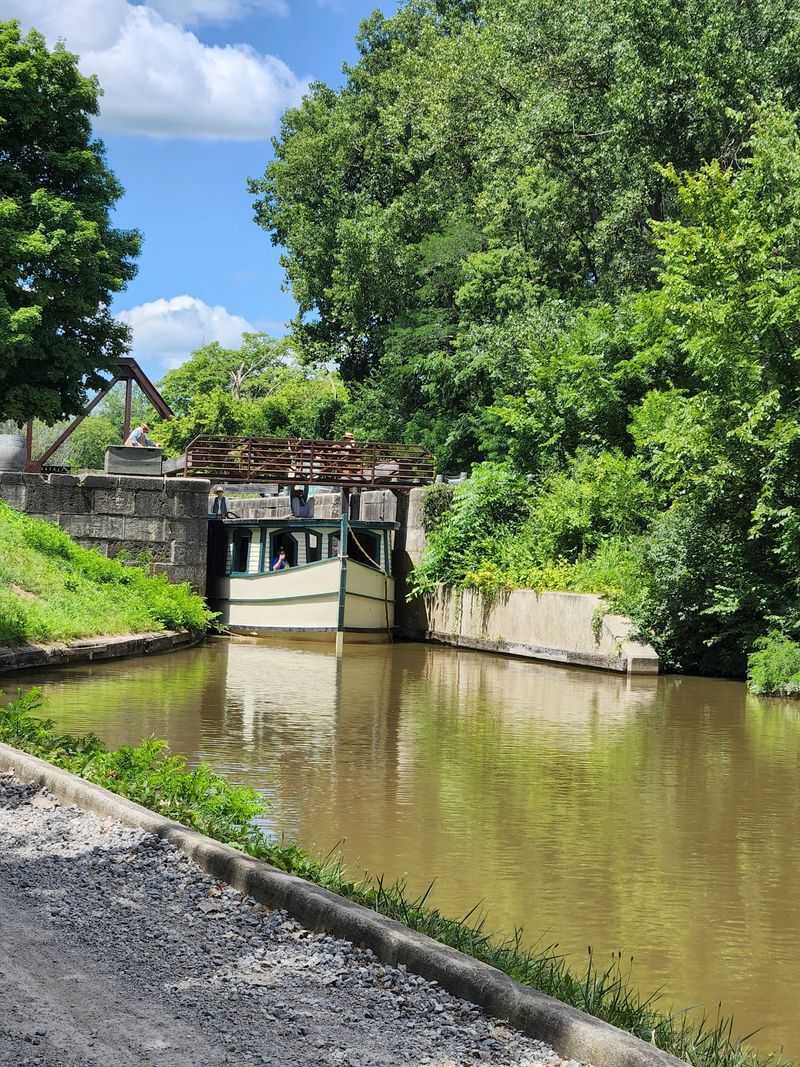
Picture a stone box full of water with a boat floating inside it, and gates that open to let the level rise or fall. That is Lock #44, built from limestone in the 1800s and long counted among the last functioning 19th-century locks in Ohio.
Locking through is the part children tend to remember, because the water visibly climbs the stone walls while the boat sits in place. Adults usually end up equally absorbed, since the whole operation runs on gravity, timing, and hand-worked gates.
Worth knowing honestly: some recent visitors have reported the lock at the mill not operating during their stop, and conditions at a structure this old can change with maintenance needs. Asking staff on arrival is the smartest move if the lock is your main draw.
Inside the learning center near the mill there is a diorama showing a boat passing through a lock, which has quietly saved plenty of off-season trips. Little ones have been known to park themselves in front of it and refuse to move on.
Sparks At The Blacksmith Shop
Ask anyone what stuck with them here and the blacksmith comes up more than almost anything else. The shop sits on site, and when a smith is working, the ring of hammer on anvil carries across the grounds.
Demonstrations are hands-on to watch, not roped off at a distance. Guests describe smiths taking real time with families, explaining what the iron is doing as it changes color and shape, and answering the kind of questions kids fire off without pausing for breath.
Heritage craft demonstrations rotate, and tinsmithing sometimes joins the lineup, so two visits rarely look identical. Because much of the interpretive work depends on volunteers, availability shifts day to day, and that is part of the charm rather than a flaw.
One family recalled a power outage that should have ended their tour early, only for the staff to keep going and spend hours with them anyway. That willingness to stay with curious visitors shows up again and again in how people talk about the place.
Kids who normally rush through museums often plant themselves at the forge window instead.
Water Power You Can Watch Do Its Job
Flip a switch at home and nothing about electricity feels remarkable. Stand in a building where a turbine below the floor drives a saw blade through a log, and suddenly power becomes something you can follow with your eyes.
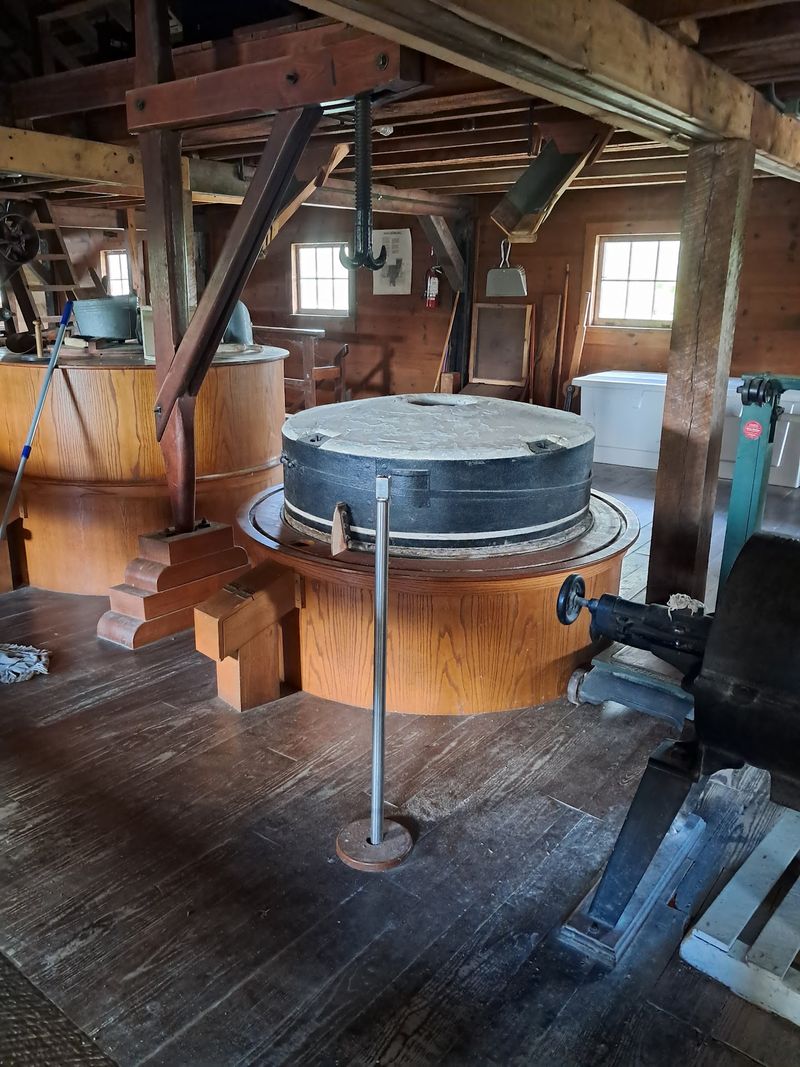
The sawmill and the gristmill share the same water source, which means one flowing river runs both the grinding stones and the blade. Belts, pulleys, and shafts carry that motion where it needs to go, and visitors can trace the whole path floor by floor.
Grain elevators moving product upward tend to fascinate people who expected a static museum. Sawmill demonstrations rank among the most mentioned features here, alongside the grinding of grain into flour and meal.
For a science-minded kid, this is a physics lesson that does not feel like homework. For grandparents, it is often a memory jog, since many Ohio families are only a generation or two removed from farms that hauled grain to mills exactly like this one.
Staff and volunteers are generous with explanations, and several guests note how knowledgeable the crew is about every mechanism.
Stone-Ground Goods And The General Store Upstairs
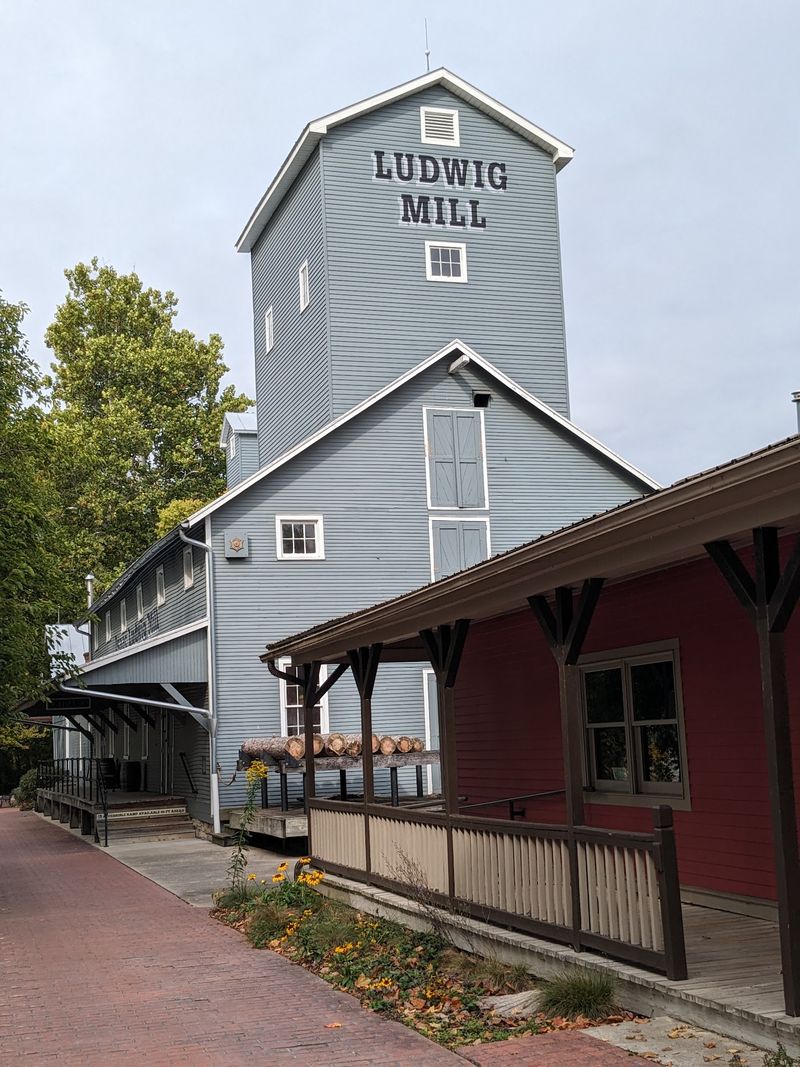
Tucked up on an upper floor, easy to walk right past, is a small shop that sells what the mill actually produces. Stone-ground flours and meals are the headline items, milled on site rather than trucked in.
Shoppers have found varieties like spelt and rye depending on what the mill has been running, and proceeds help support the metropark and the site’s ongoing work. Bringing home a bag of flour ground by water power makes for a souvenir with an actual story attached.
Alongside the milled goods, the store stocks the sort of old-fashioned odds and ends that pair with the building, and blacksmith-made pieces sometimes turn up when a smith has been busy. Stock varies, so treat the selection as a pleasant surprise rather than a shopping list.
Do take the stairs and look around the upper levels. Multiple visitors have admitted they nearly missed the shop entirely, only spotting it after wandering higher than they planned.
Payment options at small park operations can vary, so carrying a little cash is a reasonable precaution.
Five Floors Of Artifacts And Old Tools
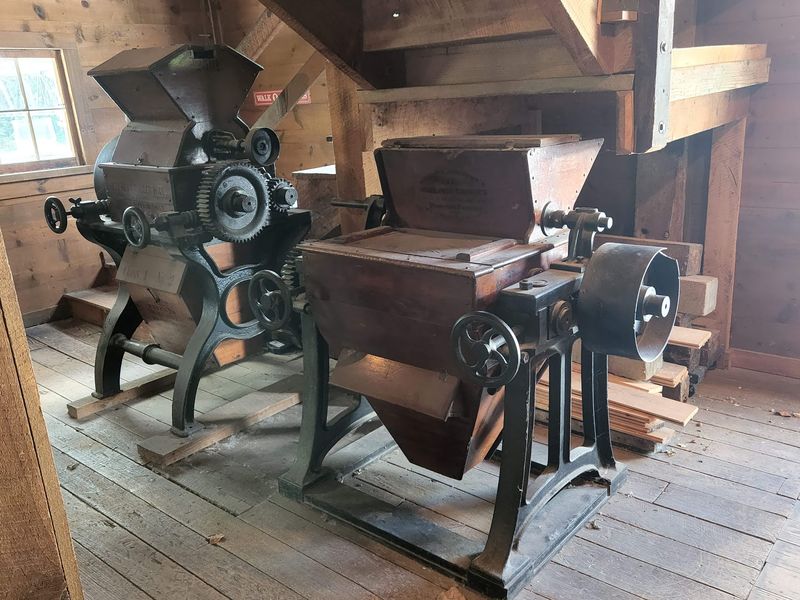
Five levels stacked with machinery, tools, and historic artifacts give this place more depth than its modest exterior suggests. Signs posted throughout carry the explanatory details, so self-guided visitors are never left guessing what a strange iron contraption once did.
Antique implements fill corners and line walls, and guests regularly comment that everything looks well cared for rather than dusty and forgotten. Exploring at your own pace is part of the appeal, with room to backtrack when something catches your eye.
The flood record marked inside draws steady attention, since it puts the Maumee River’s high water in physical terms on a wall you can stand beside. Displays about canal history round out the story of why a mill this size ever made sense at this bend in the river.
Photographers do well here, with tall windows throwing light across worn floorboards and belt-driven equipment. Older kids who can read tend to work through the timeline material on their own, while younger ones gravitate toward anything that spins.
Solo travelers report enjoying it just as much as families do.
Towpath Walks, Picnic Shelters, And A Playground
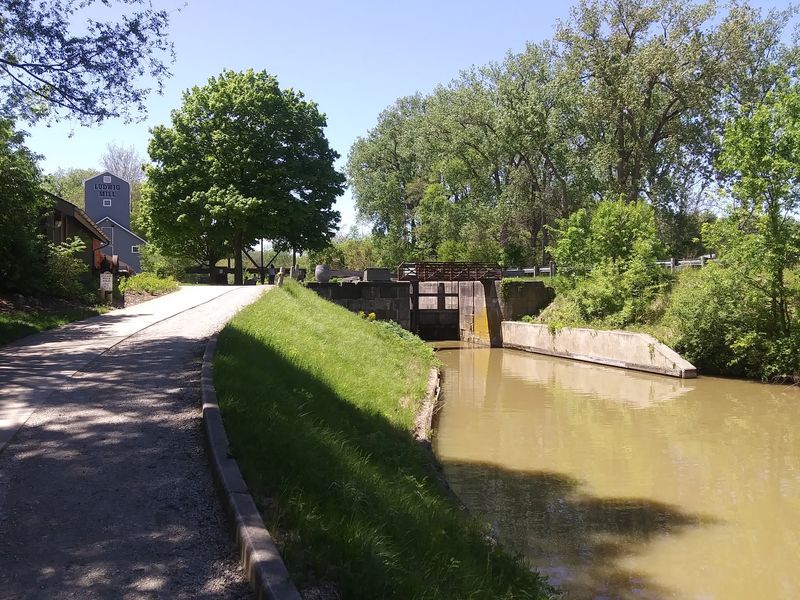
Beyond the mill door, Providence Metropark gives families room to spread out. A towpath runs along the canal, flat and easy to walk, leading a short distance to a playground that has salvaged more than one restless afternoon.
Picnic facilities and shelters make packing lunch a sensible plan, especially since the site sits away from any strip of fast food. Modern restrooms with flush toilets are in the park, which quietly matters when you are traveling with small kids.
Parents describe combining the two halves naturally: history lesson at the mill, then a stretch of running-around time at the playground before the drive home. Strollers manage the towpath fine, though gravel and grass mean sturdier wheels help.
Nearby, a dam draws attention from visitors who wander a bit farther, and the whole area reads as peaceful rather than crowded. Fall along the Maumee turns the tree line gold, and summer brings the greenest version of the canal.
Winter visits mean the buildings are shut, but the walking paths remain a pretty, quiet outing.
The Learning Center, Cold Weather Backup Plan
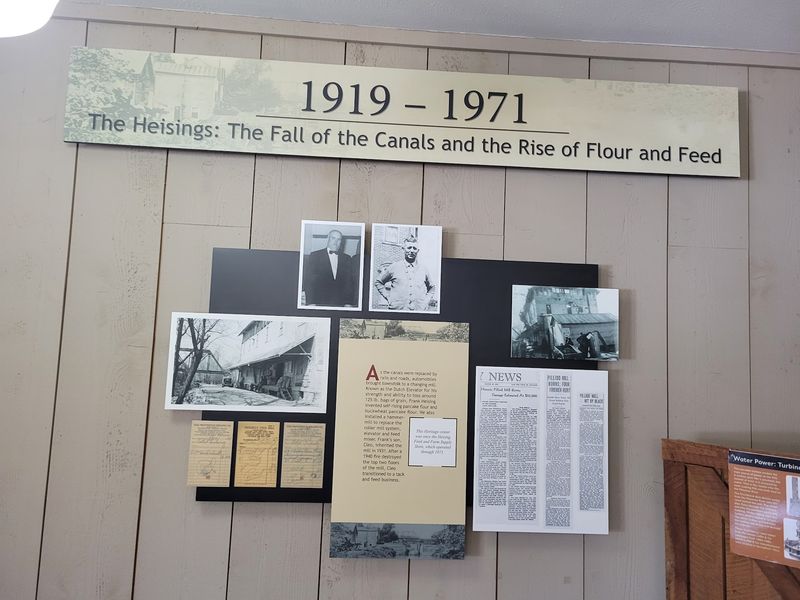
January is not canal boat season, and yet families have still gotten something out of a winter stop. The learning center beside the mill has been found open and heated during the off-season, with an informational video running on a screen.
Inside, a history timeline wraps the walls, laying out the canal’s rise and the mill’s long working life. The diorama showing a boat passing through a lock is the standout for younger visitors, who often need to be coaxed away from it.
Kids old enough to read can work the timeline independently while parents take a breather, which makes this a rare cold-weather stop that is both short and genuinely educational. It is small, so think twenty or thirty minutes rather than an afternoon.
Off-season access is not guaranteed, and the main mill tours do not resume until the spring season opens. Anyone making the drive in winter should treat the learning center as a bonus rather than a promise, and plan a towpath walk as the main event.
Volunteers Who Make The Place Run
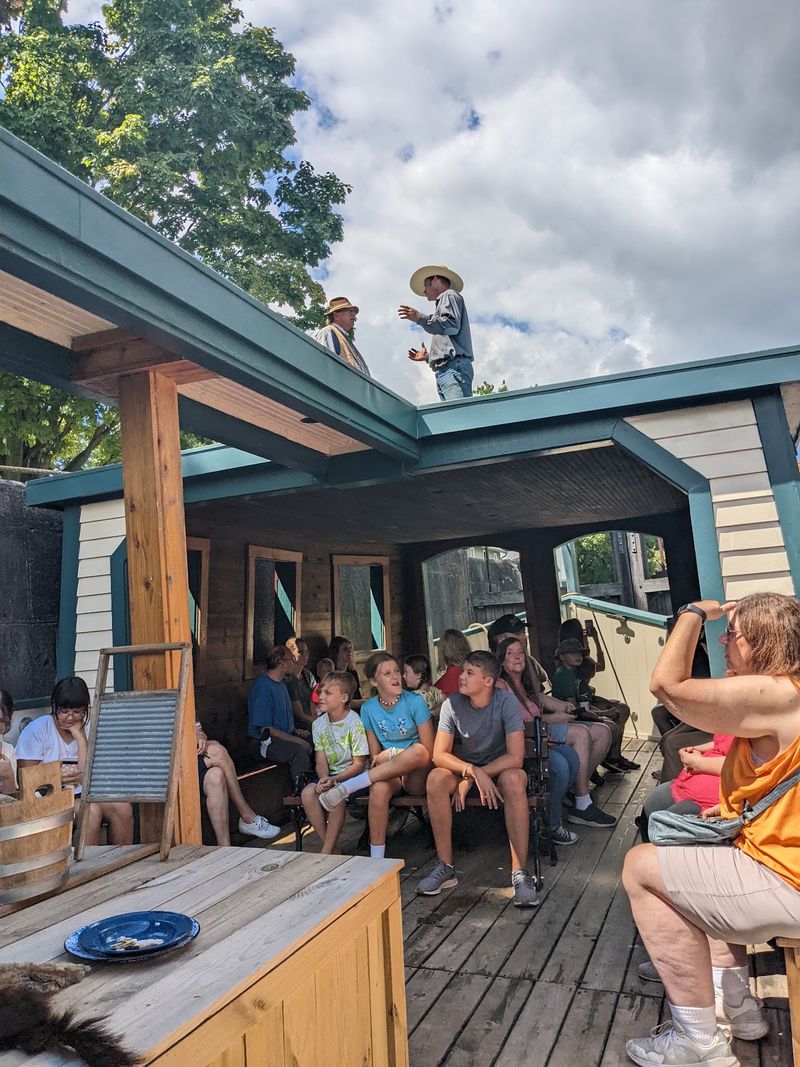
Machinery gets the credit, but people keep this site alive. Volunteers and staff handle the demonstrations, the narration on the boat, and the constant repairs a building from 1866 demands.
Guests describe the crew as engaging and clearly passionate about the era, willing to stop mid-task and explain what they are fixing. Some visitors have arrived before the season officially opened and still received an impromptu history lesson from volunteers working on the equipment.
Field trip groups get particular praise for how well the teaching lands with school-age kids, professional without turning stiff. Interpreters share stories and personal experiences, which tends to hold children’s attention better than any display case.
Because so much depends on volunteer availability, exactly which demonstrations are running on a given day can vary. Asking at the door about the day’s lineup, whether that is milling, sawing, or smithing, is the best way to time your visit.
Plenty of return visitors say the human element is the reason they come back annually, not just the machinery. That kind of loyalty tells you something about the welcome here.
Hours, Tickets, And How To Find The Parking Lot
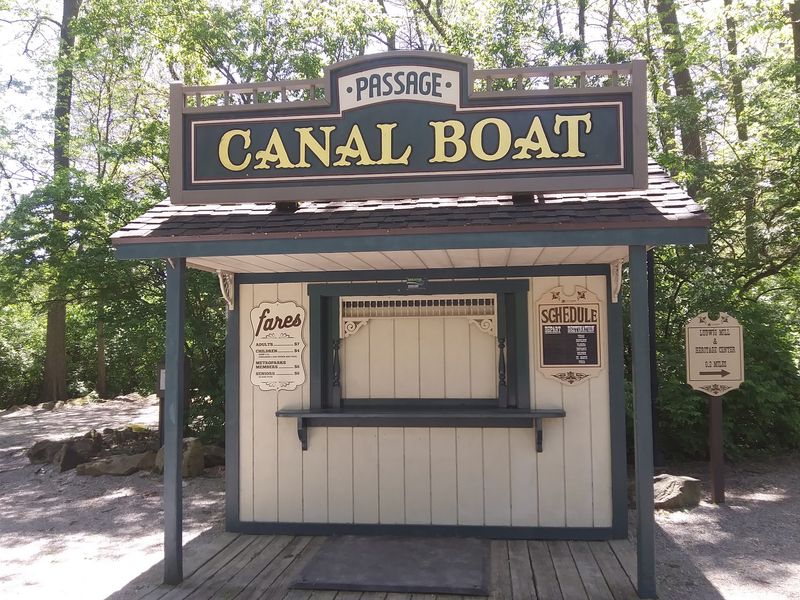
Timing is the one thing that trips people up here, so a few specifics help. Current listed hours for the mill run Thursday and Friday from 11 am to 3 pm, Saturday and Sunday from 11 am to 4 pm, with Monday through Wednesday closed, though hours shift seasonally and can change without much warning.
The canal boat and mill operate seasonally, roughly May through October. Published 2026 schedules show May boat and mill days Tuesday through Saturday, while June, July, and August shift to Wednesday through Sunday operation.
Canal boat tickets for 2026 are listed at $12 for adults, $8 for seniors 60 and older, and $6 for children ages 3 to 12, with under-three riding free. Discounts may apply for Metroparks members and Lucas County residents.
Parking for the Canal Experience and the mill is at 13205 S. River Rd, Grand Rapids, OH 43522, just off the river road.
Boat departures run on set times through the day, so arriving early in the open window gives you the most options.
Weather or maintenance can cancel rides.
Why This Slow Ride Is Worth The Drive
Thirty minutes south of Toledo, a few hours from most of Ohio’s other big cities, and you land somewhere that runs on water and animal power instead of engines. That contrast is the whole point.
Families with elementary-age kids get the most out of it, since the lock, the mules, and the forge all offer something to watch rather than just read about. History buffs and anyone drawn to old machinery will happily spend longer inside the mill than the schedule suggests.
Go in with realistic expectations. Seasonal closures are real, volunteer schedules vary, the lock may not be operating, and the boat ride is deliberately, gloriously slow.
What you get in return is a genuine 1866 mill still doing its work, a canal that holds water, and staff who seem pleased you asked questions. Pack a lunch for the shelters, leave time for the playground down the towpath, and bring a little cash for a bag of stone-ground flour.
Some Ohio outings entertain for an afternoon. This one tends to stay with people, which is the higher bar.