
The Massive 10,000 Square Foot New York Thrift Store Where $20 Fills An Entire Cart
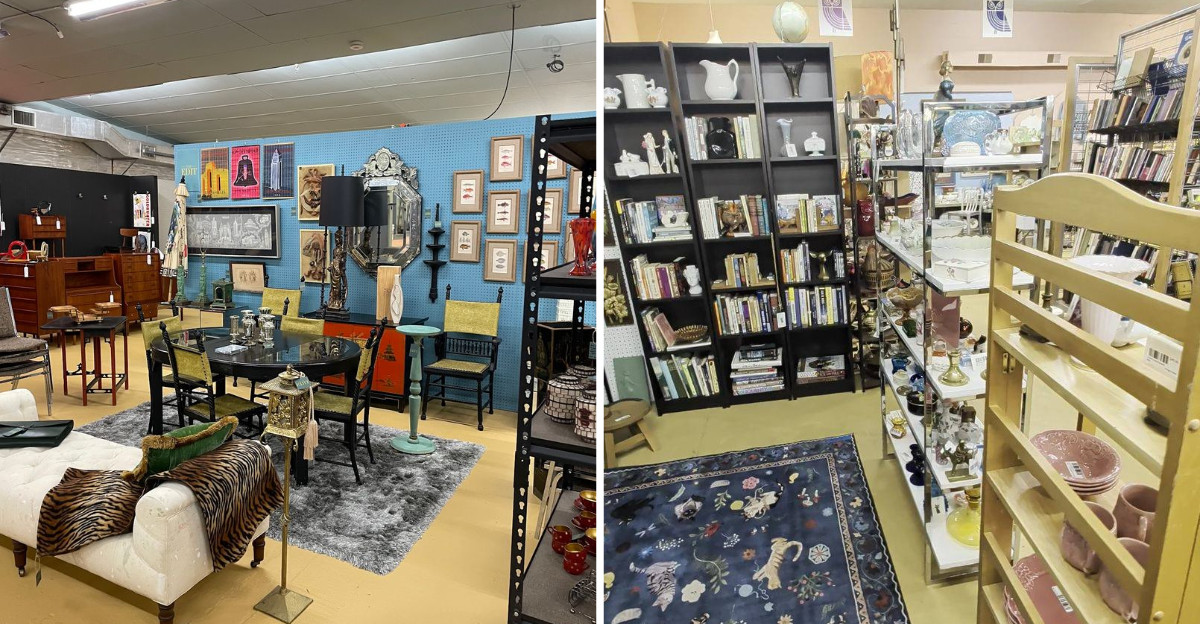
Twenty dollars does not usually buy much anymore. Inside this sprawling thrift stop, though, it can turn into a cart full of things you never planned to own.
New York bargain hunting gets wonderfully chaotic here. Nearly 90 independent vendors fill a former bowling alley and drapery factory, so every aisle feels slightly different from the last.
The color coded layout helps, because 10,000 square feet can make your sense of direction disappear fast. Vintage furniture shares space with tiny collectibles, odd decor, and cheap finds that practically dare you to keep digging.
Prices can start at pocket change, which makes restraint harder than expected. You arrive thinking about one quick look.
An hour later, the cart is fuller, your budget is somehow still alive, and leaving suddenly feels premature.
A Bowling Alley Reborn As A Treasure Floor
Few buildings get three lives, but this one did. Pins once clattered here when it served as a bowling alley.
Later it hummed as the Wonderly drapery factory, sewing curtains for Hudson Valley homes.
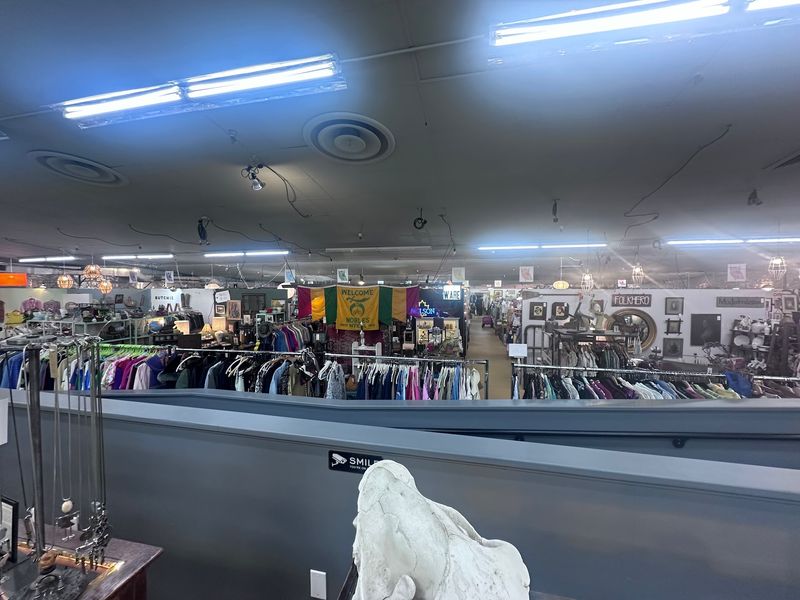
Today the same wide-open floor holds roughly ninety independent sellers, each with a booth arranged to their own taste. The footprint stretches across 10,000 square feet, which means the shopping is a genuine walk rather than a quick browse.
What surprises most first-timers is the order of it all. Big multi-vendor spaces often feel jumbled, with boxes stacked in corners and no clear path.
Here the layout stays clean, the lighting is bright, and the aisles are wide enough for a cart.
Prices swing across a wide range, and that is the real draw. Furniture and fine design pieces carry serious tags, while trinket bins, paperbacks, postcards, and small glassware sit low enough that a twenty dollar bill goes remarkably far.
Give yourself at least an hour. Two is better.
The building rewards slow walkers, and the best finds usually sit on a lower shelf where hurried shoppers never bother to look.
Red Owl Collective, The Midtown Kingston Landmark
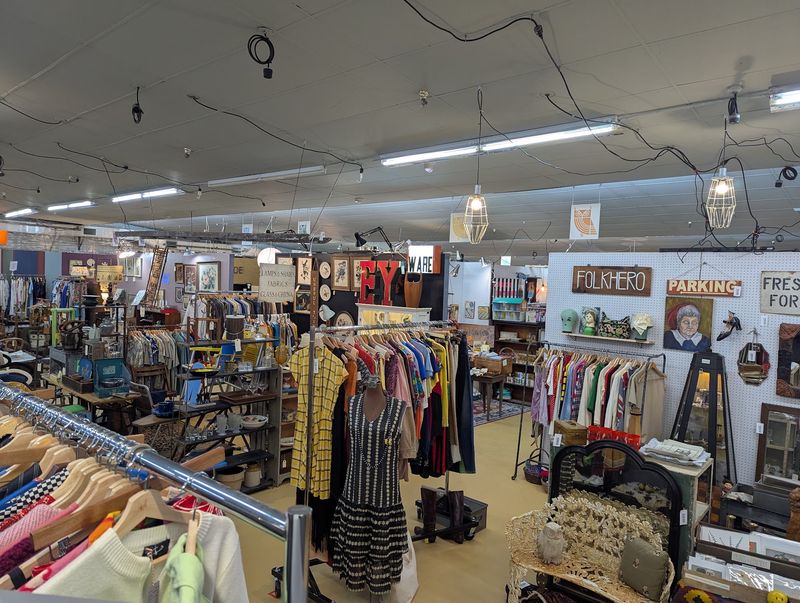
The name on the sign is Red Owl Collective, and the address is 25 Cornell Street in Kingston, New York 12401. Midtown Kingston has grown into a creative pocket of the city, and this shop anchors it well.
Founded in 2023, the store soft launched that August and has run without a break since. For a business built on ninety moving parts, the steadiness is impressive.
Parking is plentiful and free, which matters more than people admit. Vintage shopping often means hauling a lamp, a chair, or a stack of records back to the car, and a nearby lot saves your arms.
Hours run Wednesday through Monday, eleven in the morning until six in the evening. Tuesday is the one day the doors stay shut, so plan around it.
The owl logo shows up on the signage and on the shop’s cheerful online replies to customers. It fits.
Owls hunt patiently, see in dim corners, and notice what everyone else walks past. That is exactly the skill this floor rewards.
Arrive early in the day for the calmest aisles and the freshest restocks.
Color-Coded Aisles Keep You Oriented
Getting lost inside a big antique mall is practically a rite of passage. Not so much here.
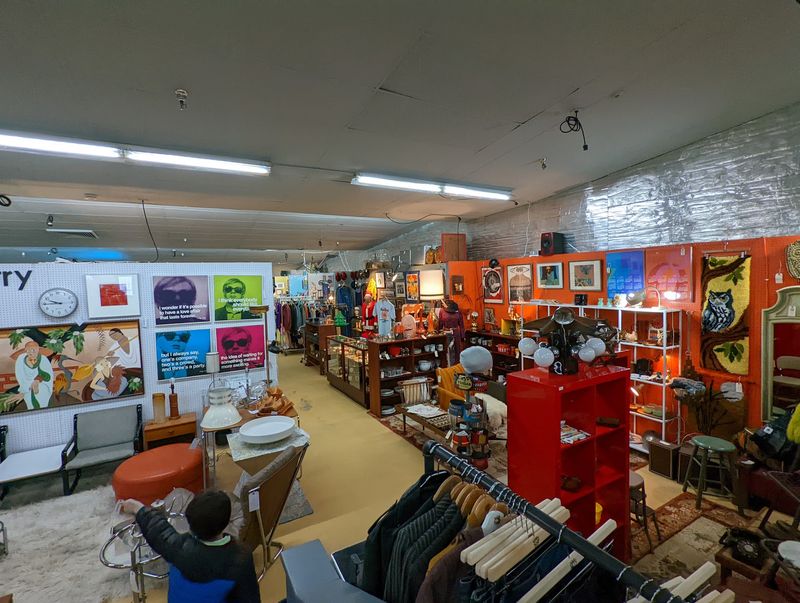
The aisles carry color codes, which turns a sprawling floor into something you can actually navigate.
Say you spot a brass lamp in one corner and want to think it over. Note the color of the aisle, keep shopping, then walk straight back to it.
No wandering in circles.
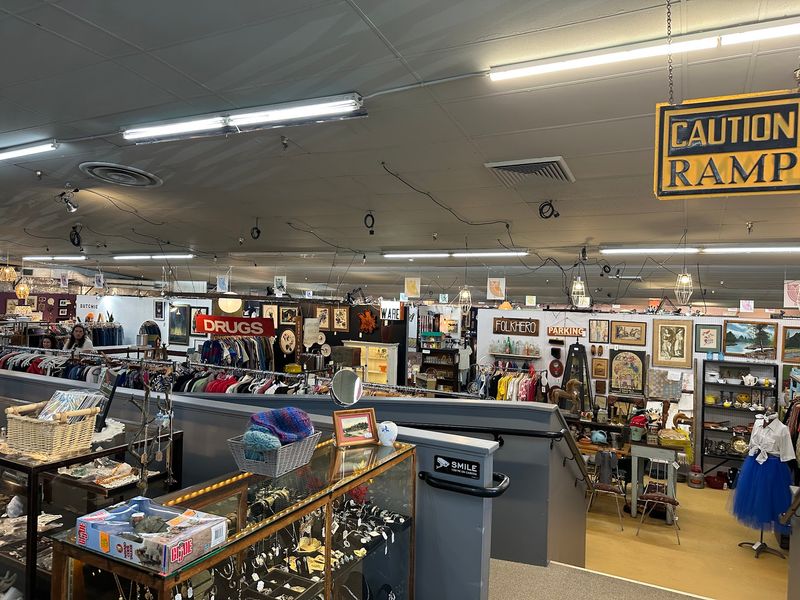
An L-shaped lobby greets you at the entrance and gives a clear view over the main vendor floor. Consider it your map room.
Stand there a minute, get your bearings, and pick a direction.
Seating areas are scattered through the space, which is a small kindness the big-box world forgot. Shopping partners who lose steam after twenty minutes have somewhere to land.
Here is a practical tip for the budget hunters. Start with the booths that sell smalls, meaning jewelry, kitchen tools, ephemera, and knickknacks.
Those are where twenty dollars turns into five or six items rather than one.
Save the furniture aisles for last, after you know what your wallet can handle.
Ninety Vendors, Ninety Different Eyes
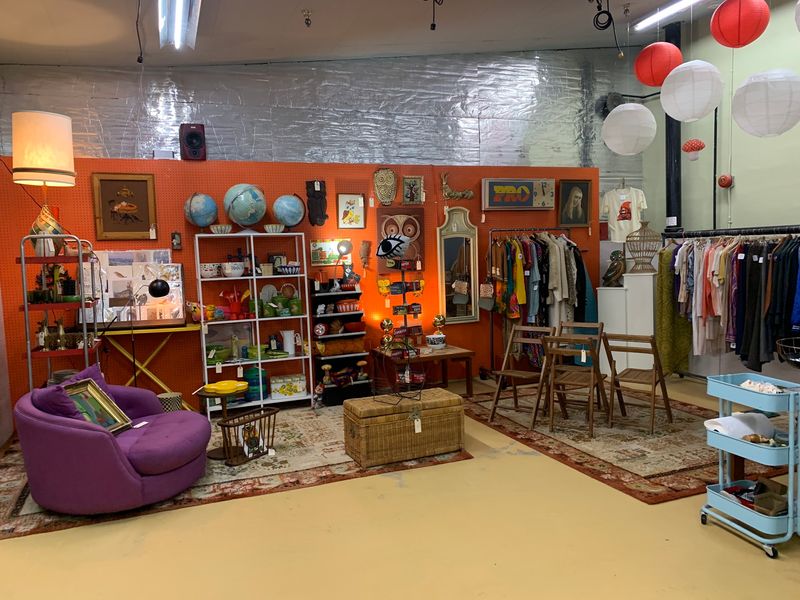
Ninety booths mean ninety separate points of view. One seller leans mid century modern with teak and tapered legs.
The next goes full farmhouse with enamelware and stoneware crocks.
Walk another twenty feet and you might find a booth devoted to oddities, another stacked with art, another arranged like a tiny boutique. The variety is the whole point of a collective.
Because each vendor sets their own prices, bargains hide unevenly across the floor. A dealer clearing space may mark items down hard while a neighbor holds firm on a rare piece.
That unevenness works in your favor if you are patient.
Displays here often go beyond a folding table and a sign. Vendors style their booths with real care, some of them good enough to photograph for a magazine spread.
Bring a rough shopping list, then throw it out halfway through. Regulars will tell you the best purchases are the ones you never planned.
One more thing worth knowing. Inventory turns over constantly, so a visit in March will look nothing like a visit in September.
Repeat trips pay off.
Vintage Clothing That Actually Fits Your Budget
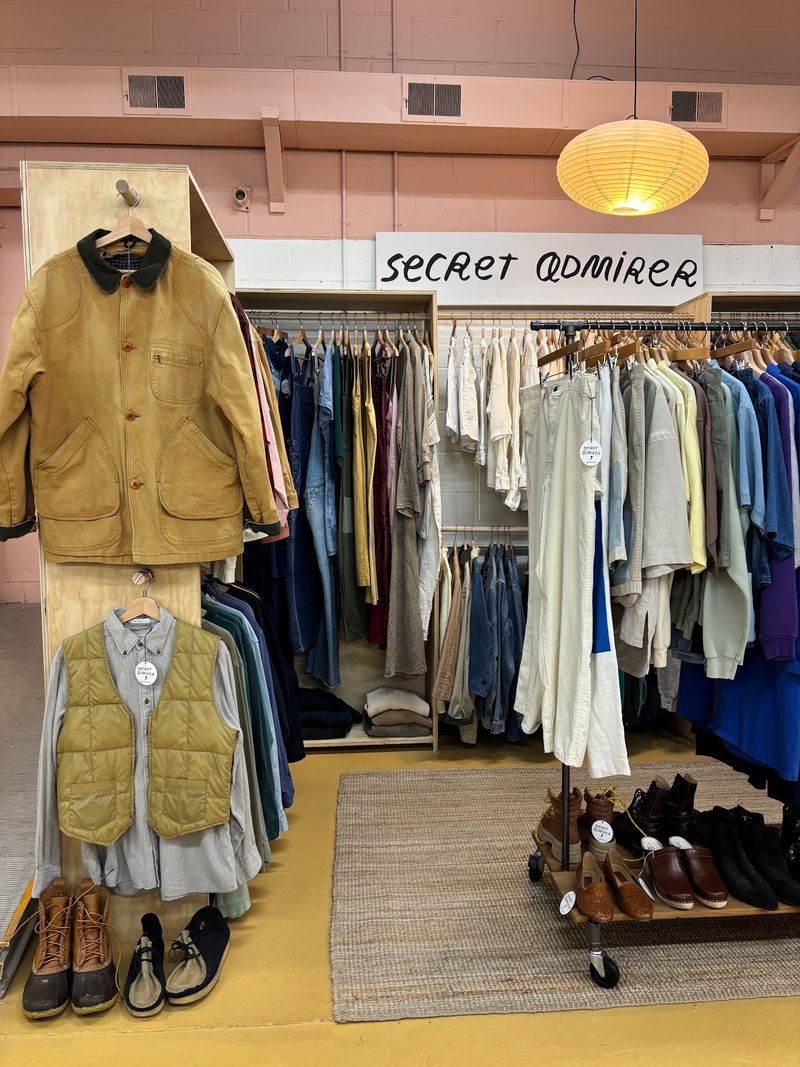
Clothing is where this place truly hits its stride. Racks run deep with denim, printed dresses, wool coats, patterned shirts, and pieces from decades most shoppers only know from photographs.
Styles span the 1950s through the 1990s and beyond, and the sorting is thoughtful enough that browsing does not feel like digging through a donation bin.
Dressing rooms exist, which is rarer in vintage shops than it should be. Old sizing runs strange, and a 1970s medium rarely matches a modern one, so trying things on saves you from regret.
Budget hunters should scan for accessories first. Scarves, belts, hats, pins, and costume jewelry frequently land in the single digits, and a handful of those will fill a bag fast.
Check seams, zippers, and armpits before you commit. Vintage fabric has already lived a life, and small repairs are normal.
A loose hem is an easy fix, and it often knocks the price down.
Shoppers consistently point to the clothing section as the strongest corner of the building. If you only have thirty minutes, spend them here without hesitation.
Records, VHS Tapes, And Formats You Forgot Existed
Crate diggers, this is your aisle. Vinyl sits in bins ready for flipping, and the selection shifts with whatever the vendors turn up that month.
Movies get their own real estate too. VHS tapes, DVDs, a few Blu-rays, laserdiscs, and even the occasional Betamax cassette show up on the shelves.
Laserdiscs are the sleeper fun here. Those enormous silver discs look like vinyl records that wandered into a video store, and collectors still chase specific titles.
Media is one of the most budget-friendly categories on the floor. DVDs and paperbacks often run a few dollars each, so twenty dollars can genuinely load up a cart.
A quick word of advice. Slide records out of their sleeves and tilt them toward the light before buying.
Surface scratches are easy to spot once you know the angle.
Books, magazines, and old photographs turn up nearby, and the vintage snapshot bins have a way of stopping people in their tracks. Strangers’ vacation photos from 1964 carry more feeling than you would guess.
Collectors should visit often since good titles never sit long.
Furniture Finds With Serious Bones
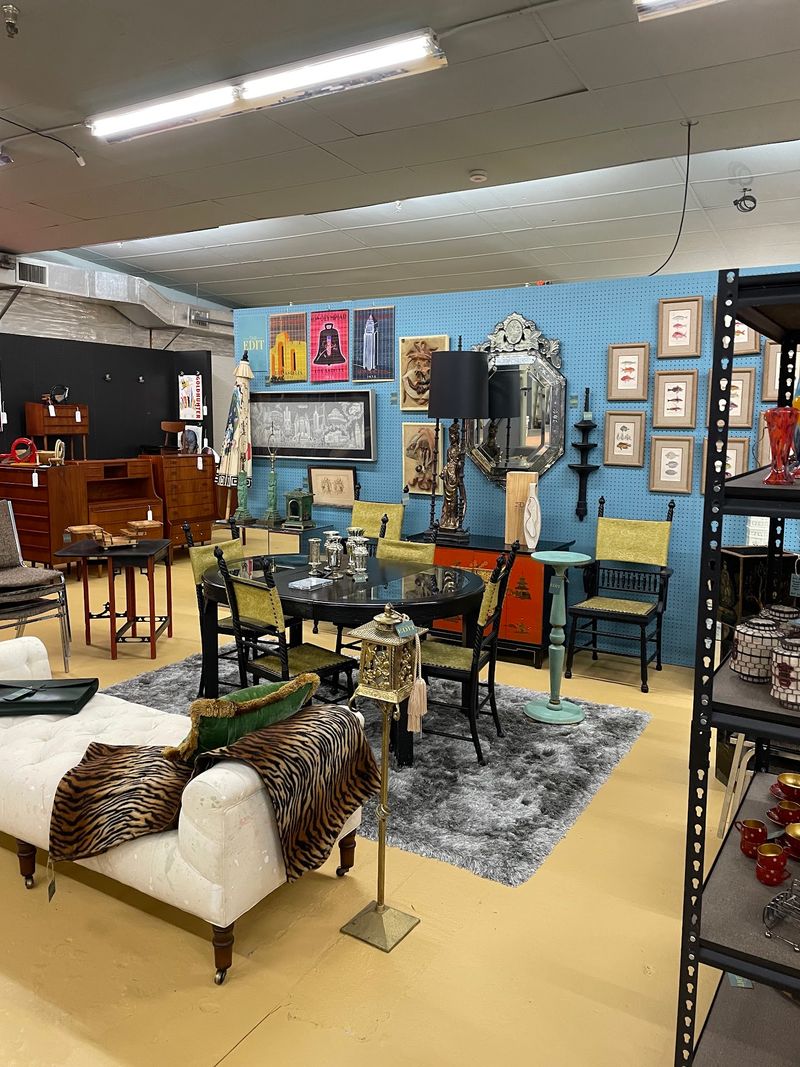
Solid wood furniture keeps getting harder to find, and the aisles here are stocked with the good stuff. Dressers with dovetail joints, sturdy side tables, and chairs built before particle board took over.
Mid century pieces show up regularly, along with country styles, industrial shelving, and painted cabinets waiting for a new home.
Furniture carries the highest prices on the floor, and nobody pretends otherwise. What you get in exchange is quality that modern flat-pack cannot touch.
Measure your room before you drive over. Bring the numbers on your phone, along with a tape measure, because guessing at a dresser’s depth ends badly.
Staff will hold items while you keep shopping, a small courtesy that makes a big difference when your arms are already full.
Lamps, mirrors, and frames land in a friendlier price range and deliver the same vintage character. A brass lamp with a new shade can change a whole room for very little.
Bring the bigger vehicle if furniture is on your mind. Many a shopper has fallen for a farmhouse table only to realize their hatchback had other plans that day.
Handmade Goods Sharing Space With Old Treasures
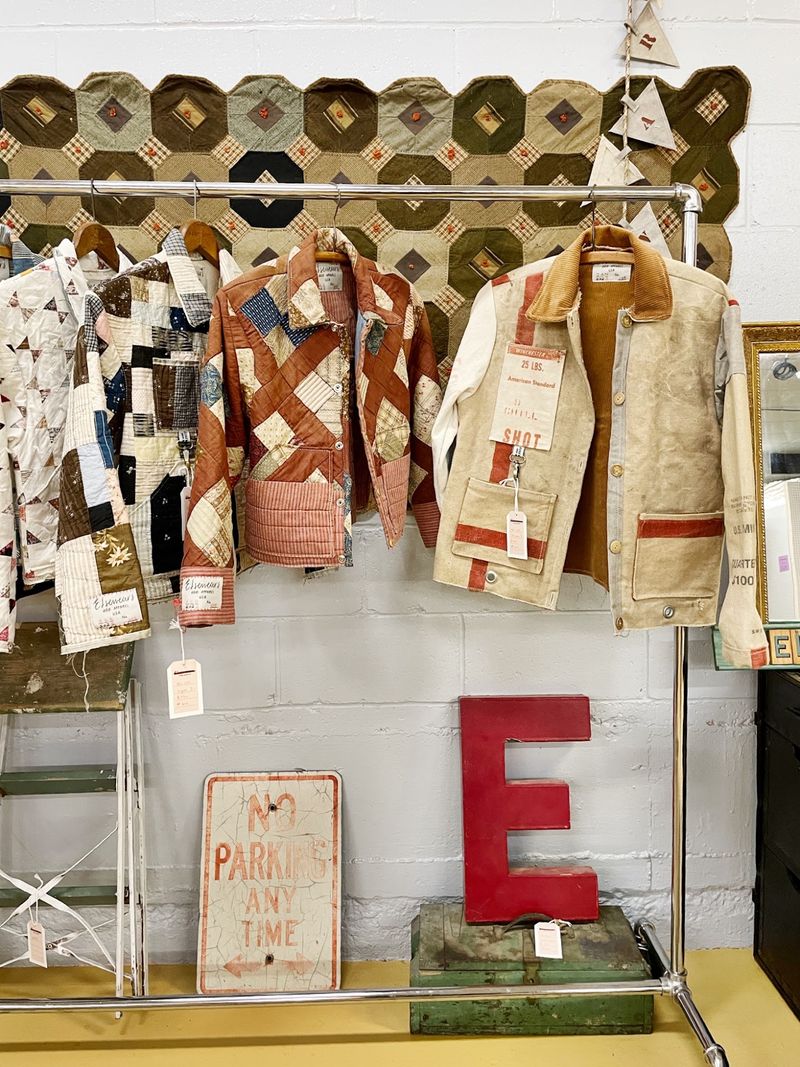
Not everything under this roof is old. Several vendors sell handmade work, which gives the floor an unexpected balance between past and present.
Jewelry made by local artisans sits near antique brooches. Ceramics, candles, small art prints, and stitched goods appear in booths alongside decades-old glassware.
The mix works because both sides share a philosophy. Somebody made these things by hand, with attention, rather than by the ten thousand.
Gift shopping becomes remarkably easy in these aisles. You walk out with something nobody else will give, and the price often lands under what a chain store charges for the ordinary version.
Staff members know the vendors and the inventory, and they help without hovering. Ask questions about a piece and you will usually get a real answer about where it came from.
Hudson Valley makers have built a strong reputation, and a collective like this gives them shelf space they could not afford alone.
Look for the small tags. Many handmade items include the maker’s name and town, which turns a purchase into a story you can actually tell later.
Smart Strategy For Stretching Twenty Dollars
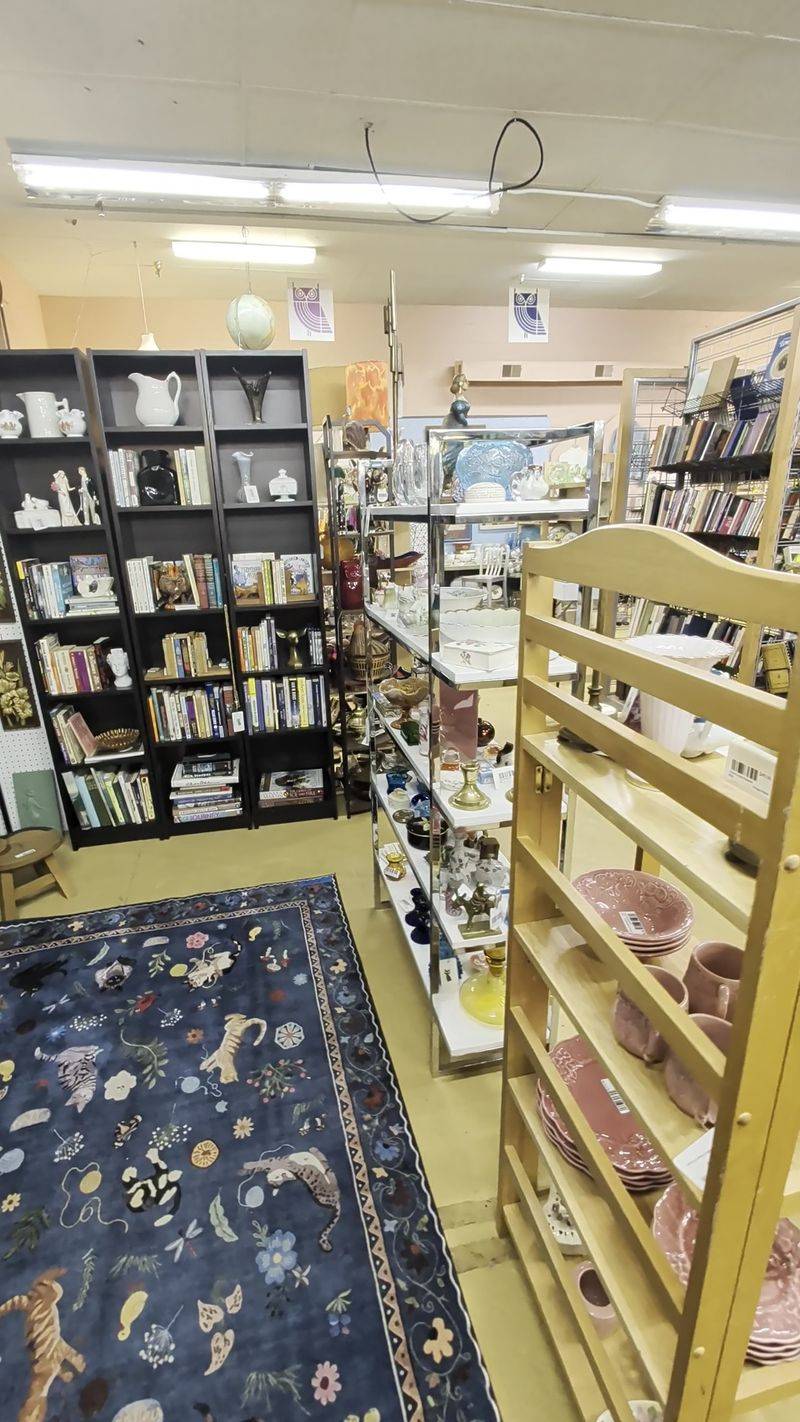
Twenty dollars behaves differently depending on where you point it. The trick is knowing which aisles reward a thin wallet.
Start with bins rather than shelves. Loose postcards, sheet music, buttons, keys, marbles, and old photographs usually carry the lowest tags in the building.
Kitchen sections are another goldmine. Single tumblers, mismatched plates, wooden spoons, and pyrex pieces frequently run just a few dollars each.
Paperbacks and media stack up fast too. Three books and two DVDs can cost less than a takeout lunch.
Skip the glass cases on a budget day. Fine jewelry, signed art, and collectible design pieces live behind glass for a reason, and their prices reflect it.
Do a full lap before buying anything. Knowing the whole floor first keeps you from spending your entire budget in the opening booth.
Cash helps at the flea market. Inside the store, cards work fine.
Ask staff to hold items at the register while you keep hunting. It frees your hands and keeps you honest about the running total in your head.
A cart full of small joys beats one pricey trophy nearly every time.
Planning The Perfect Kingston Shopping Day
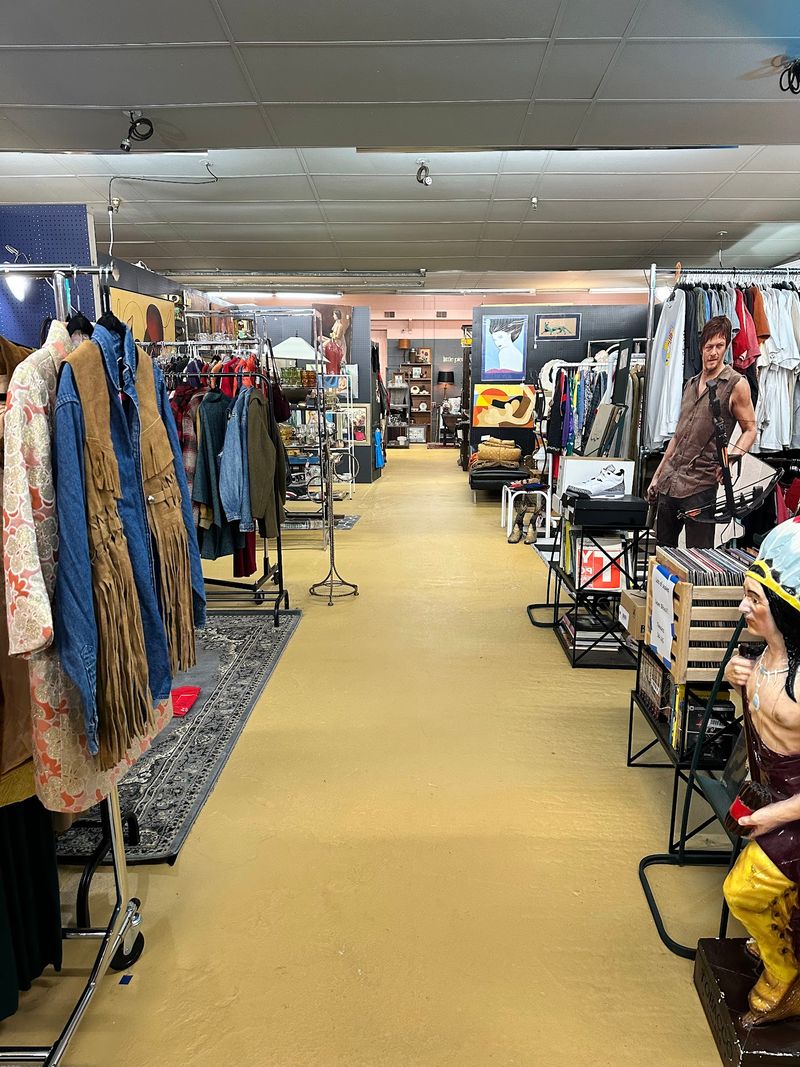
Timing turns a good visit into a great one. Doors open at eleven and close at six, Wednesday through Monday, with Tuesday off entirely.
Weekday mornings bring the quietest aisles. Weekends carry more energy and more shoppers, which some people prefer for the buzz.
Autumn is the sweet spot for a Hudson Valley drive. Leaves turn along the way, and the shop’s climate controlled floor feels welcome once the air sharpens.
Wear shoes you trust. Ten thousand square feet adds up quickly, and thorough browsing means covering real ground.
Build in time for the rest of Kingston. The Stockade District, the waterfront on the Rondout, and Midtown’s galleries all sit within a short drive.
Bring measurements, a tote, and a rough budget. Leave room in the trunk just in case the trunk gets a vote.
Free parking removes the usual city headache, so you can linger without watching a meter.
Above all, arrive without a strict plan. The floor changes constantly as vendors restock, and the whole pleasure of the place is walking out with something you never knew you wanted.