
Anglers Travel States For This Texas Lake’s Bass Fishing Paradise
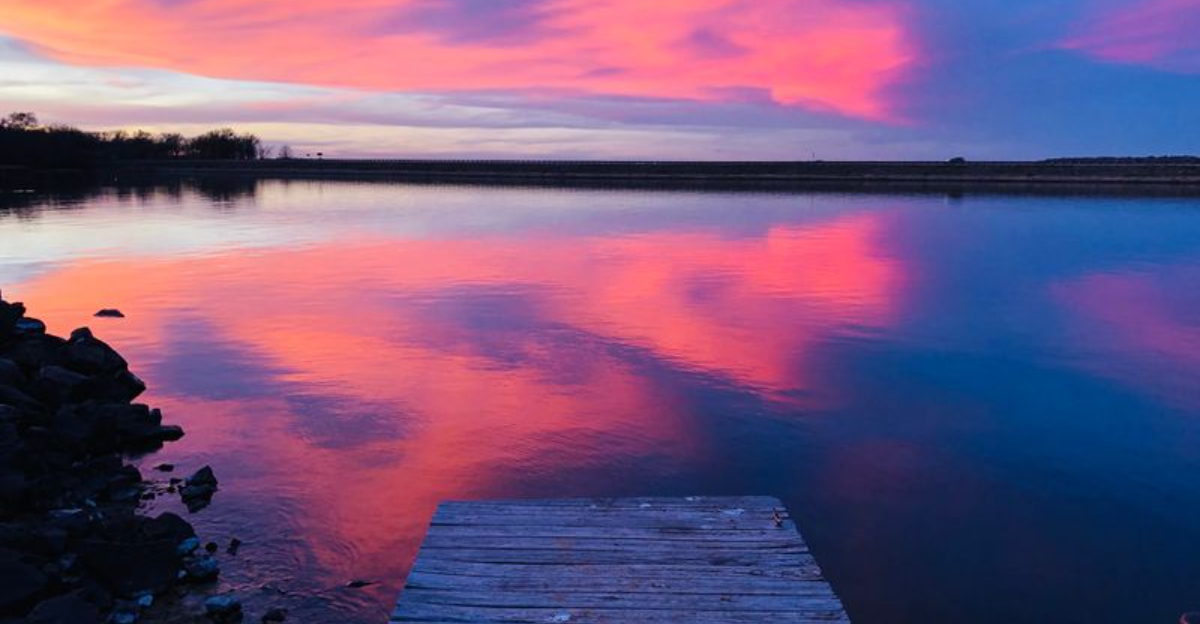
Bass this big do not happen by accident, and anglers already know it.
Texas built something special when flooded timber and record-setting genetics collided in one lake. Trophy bass swim through submerged forests here, using every stump and channel as cover most fishermen never see coming.
People do not casually stumble onto water like this. Anglers cross state lines just for a shot at the kind of fish that rewrites record books.
Timing matters more than luck. Spring brings the spawn rush, fall brings feeding frenzies, and winter rewards anyone patient enough to wait it out.
Texas keeps this fishery thriving through strict limits and careful stewardship, protecting the very fish that built its reputation.
Pack the rods and start checking the calendar, because this trip deserves real planning.
A Creek That Grew Into A Bass Factory
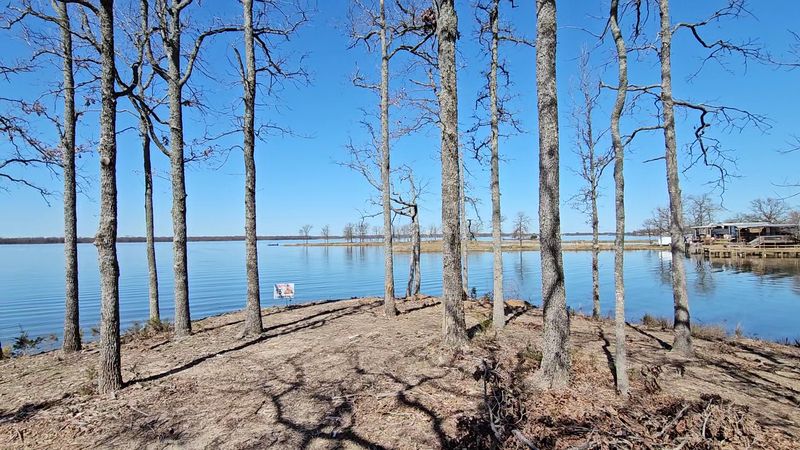
Water supply project turns trophy fishery. That is the short version of how Lake Fork came to be.
Construction on Lake Fork Creek started in 1975. The dam wrapped up in 1980, and the reservoir filled to capacity by 1985.
The original purpose was practical. The lake was built largely to supply water for the Dallas area, not to break fishing records.
Then the Texas Parks and Wildlife Department stepped in. Between 1979 and 1987, biologists stocked over 732,000 Florida-strain largemouth bass into the new reservoir.
Planners also made a decision that changed everything. Roughly 80% of the original standing timber was left in place instead of being cleared.
That flooded forest still stands today. Bass use the trunks and branches as cover, shade, and ambush points.
The result feels almost engineered. Deep hollows, old creek channels, and timber flats give fish somewhere to live in every season.
Lake Fork sits within Wood, Rains, and Hopkins Counties in East Texas, United States, near the towns of Quitman, Alba, Emory, and Yantis. A little planning goes a long way here.
Where The Record Books Get Rewritten
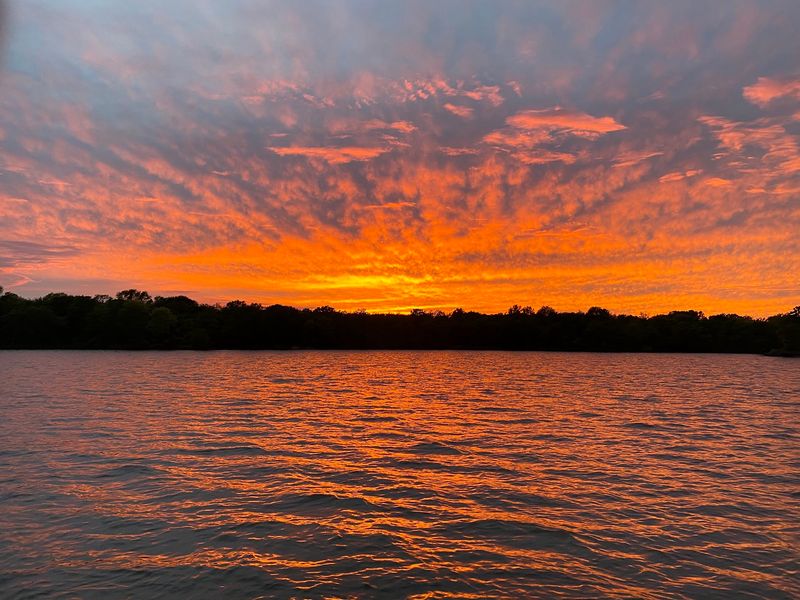
Big numbers do the talking. Lake Fork holds more than 65% of the Texas Top 50 largest bass ever recorded.
The current state record belongs to this water. That fish weighed 18.18 pounds and came out in 1992.
Genetics helped. Florida-strain largemouth grow larger than native fish when conditions cooperate.
Conditions here cooperate often. Hydrilla, milfoil, and duckweed create dense beds that shelter fry and fatten adults.
Depth variety matters just as much. Average depths run about 12 to 15 feet, while the deepest holes drop near 70 feet.
Bass shift between those zones as water temperatures swing. That flexibility keeps the fishery productive across the calendar.
Regulations protect the payoff. Restrictive harvest rules and ongoing stocking help maintain a strong population of heavy fish.
Honesty helps too. Plenty of visitors report tough days with few bites, since pressure on Lake Fork stays high year-round.
The trade sounds fair to most. Fewer fish, bigger potential, and a real chance at the catch of a lifetime.
Anglers who accept that math tend to leave grinning.
Shops near Alba supply gear for anyone hoping to test it.
Stumps, Boat Lanes, And Learning To Steer
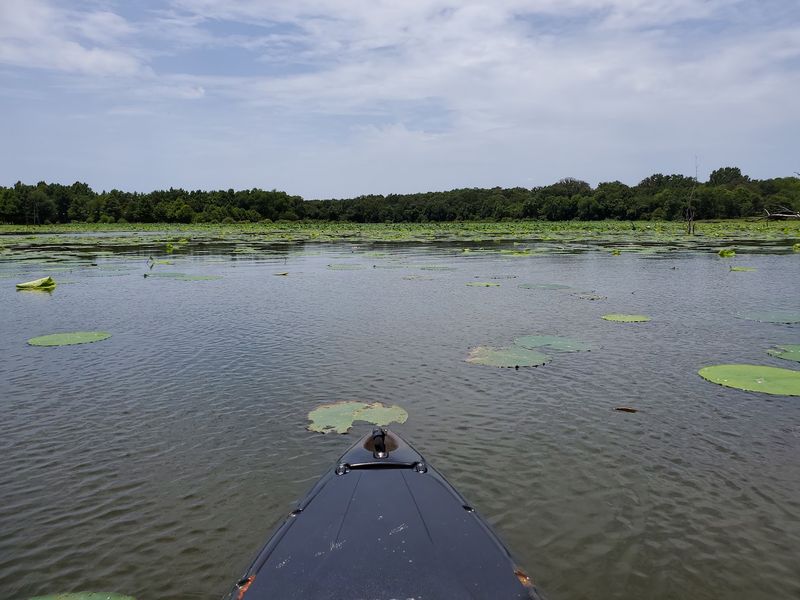
Throttle down and pay attention. The same timber that grows giant bass will punish a careless boater.
Lake Fork covers 27,264 acres with roughly 315 miles of shoreline. That is a lot of water to learn.
Marked boat lanes cut through the worst of the stump fields. Staying inside them saves lower units and tempers.
Regular visitors swear by GPS mapping with boat lane overlays. Detailed topographic maps also reveal creek beds, flats, and drop-offs worth fishing.
Public access comes from numerous boat ramps around the lake. Several facilities are managed by the Sabine River Authority.
Newcomers often start slow on purpose. Idling the first morning teaches more than a fast run ever will.
Weather shifts add another wrinkle. Open stretches can chop up quickly when wind pushes across the wide main lake.
Kayak anglers work the quieter pockets and timber edges. Alligators do live in the area, so keeping a respectful distance is smart.
Local guides know these hazards by heart. Hiring one for a first trip shortens the learning curve dramatically.
Careful navigation here pays back in fishing time.
Spring Fever And The Spawn Rush
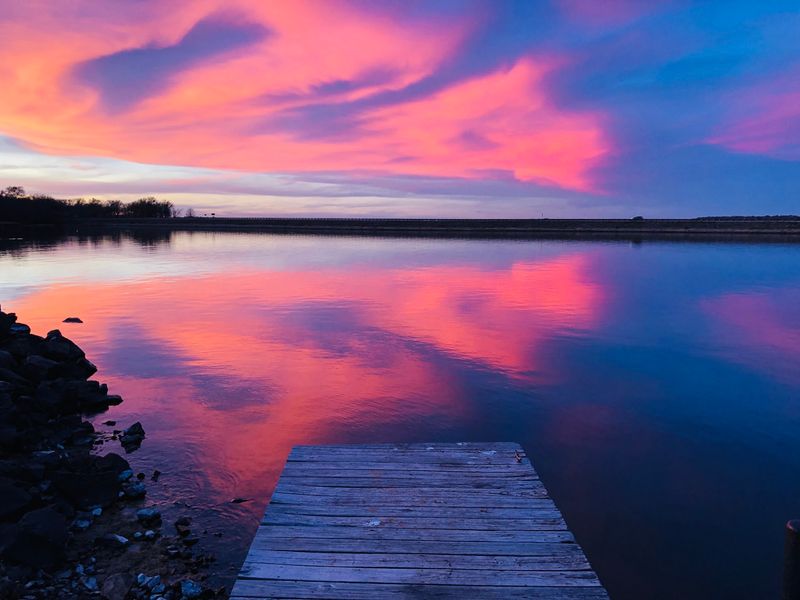
Mid-February flips a switch. Bass start sliding shallow, and the lake fills with hopeful boats.
Peak trophy season runs roughly from mid-February through April. Warming water pulls heavy females toward spawning areas.
Spinnerbaits earn their keep during this window. Plastic worms and jigs also produce steady action around brush and timber.
Shallow pockets protected from wind warm first. Those coves often hold the earliest movers.
Patience beats speed in cold, muddy conditions. Slow presentations near cover tend to draw the better bites.
Weather fronts scramble everything. A sharp cold snap can push fish back out toward deeper staging spots overnight.
Crowds grow during spring at Lake Fork. Tournaments and big-bass events add plenty of traffic on weekends.
Weekday trips feel calmer. Fewer boats mean quieter water and more room to work a stretch of shoreline.
Handling matters this time of year. Quick photos and careful releases help protect fish carrying eggs.
The reward can arrive without warning. One thump on a slow-rolled bait, and the whole trip suddenly makes sense.
Spring here writes stories people retell for years.
Fall Feeding And Winter Patience
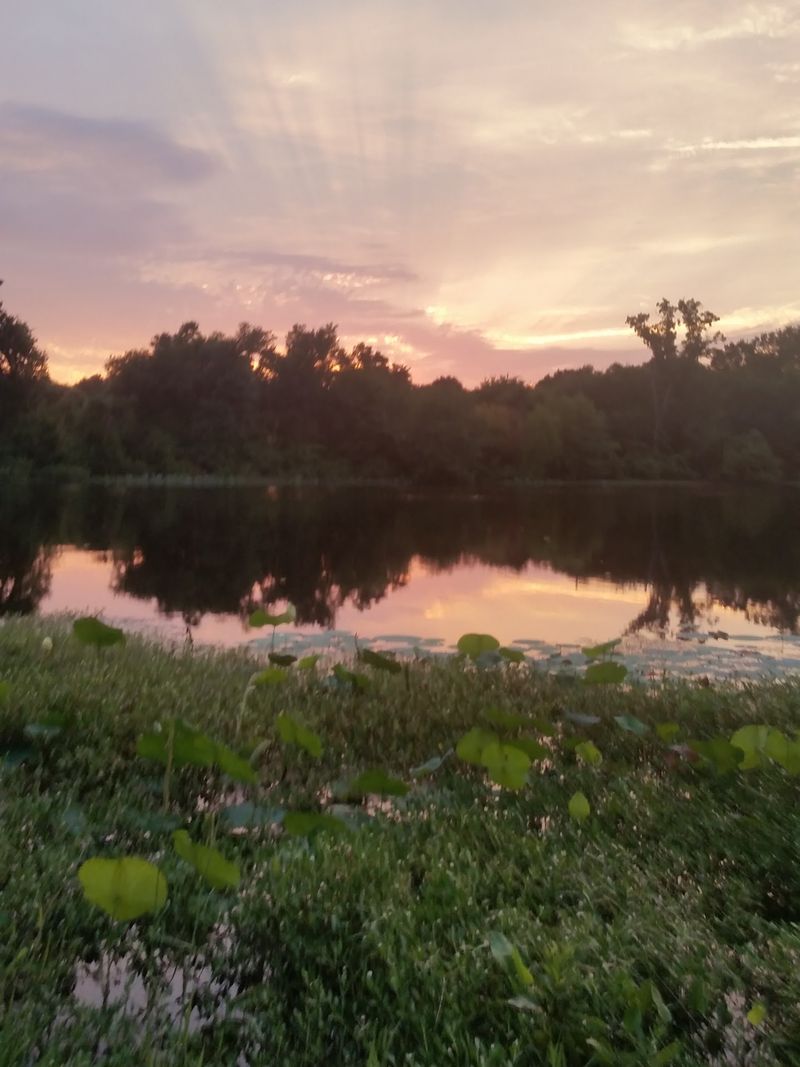
Cooling water wakes the lake back up. October and November bring some of the most consistent action of the year.
Bass feed hard before winter. They chase bait onto shallow flats and gather near creek mouths.
Moving baits shine in fall. Covering water helps locate roaming schools instead of waiting on one spot.
Autumn scenery adds a bonus. Shoreline trees around Lake Fork turn gold and rust, and fog often hangs over the timber at dawn.
Winter changes the pace considerably. Bites come slower, and fewer boats leave the ramps.
Serious trophy hunters like those quiet months anyway. Cold water sometimes produces the heaviest single fish of the season.
Slow, deliberate presentations work best then. Deeper structure and channel edges become primary targets.
Summer heat pushes anglers to different hours. Night fishing proves productive when daytime temperatures climb.
Layers and rain gear belong in the boat from late fall onward. East Texas mornings can start near freezing and finish mild.
Each season asks for a different plan. Adjusting beats stubbornly repeating what worked last trip.
Slot Limits That Keep Giants Swimming
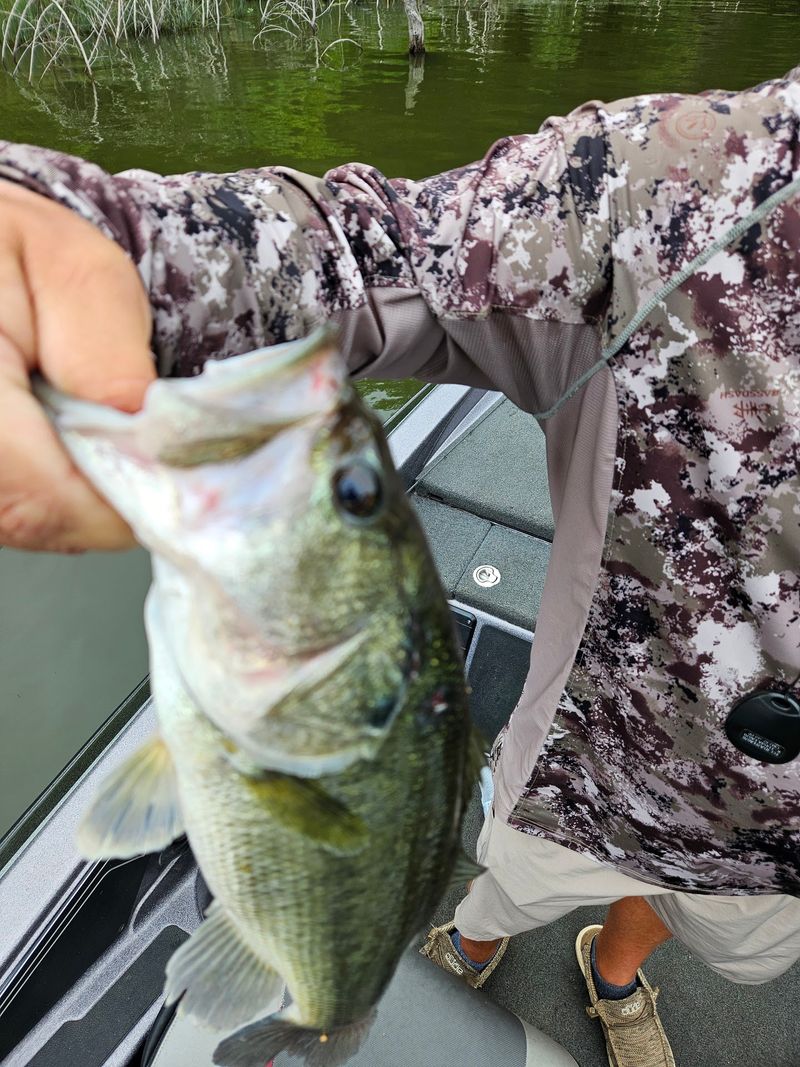
Rules built this reputation as much as genetics did. Management keeps Lake Fork producing decade after decade.
The Texas Parks and Wildlife Department actively oversees the fishery. A restrictive slot limit sits at the center of the plan.
Bass measuring between 16 and 24 inches must be released immediately. That protects the prime breeding class.
Most anglers go further voluntarily. Releasing every large fish has become common practice on this lake.
Habitat work continues as well. Agency staff and local groups install brush reefs and PVC cube structures to add cover.
Those additions matter over time. Original timber slowly decays, so fresh structure helps replace what disappears.
Regulations do change. Checking current state rules before a trip avoids awkward surprises at the ramp.
Photos and quick measurements replace stringers here. A weight, a picture, and a clean release satisfy most visitors.
There is a shared attitude on the water. People treat the fishery like something borrowed rather than owned.
That mindset explains the longevity. Careful stewardship is why anglers still drive across state lines for a shot at these fish.
Crappie, Catfish, And Other Happy Surprises
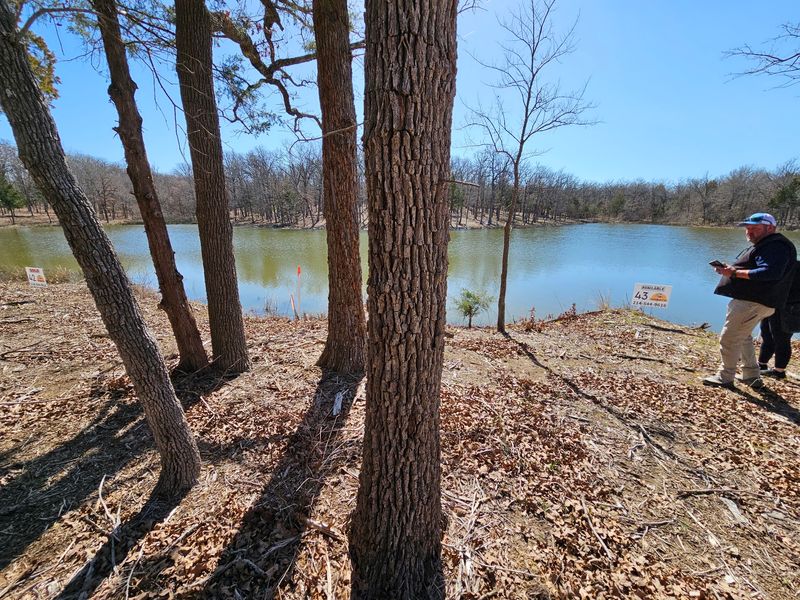
Bass hog the headlines. Plenty of visitors, though, come for crappie instead.
White and black crappie stack up around standing timber and under bridges. Locals rank the crappie fishing here among the best in the state.
Channel catfish offer another solid option. Stinkbait and cutbait handle that job nicely.
Sunfish keep younger anglers busy. Bluegill and redear crowd shallow water during early summer.
White bass grow impressively large in Lake Fork. Jigging spoons and live bait tempt them when schools show up.
Variety saves tough days. When bass refuse to cooperate, switching species often rescues a trip.
Families appreciate that flexibility. A cooler of crappie feels like success to almost everyone aboard.
Bridge areas and brush piles concentrate fish. Sonar helps, but so does asking at a local tackle shop.
Some visitors skip fishing entirely. They photograph the timber, watch birds, and enjoy the wide open scenery instead.
Swimming and water sports are limited here. The lake caters mainly to fishing boats rather than recreation crowds.
Different targets, same water. That range is part of why people keep returning.
Guides Who Read The Water Like A Map
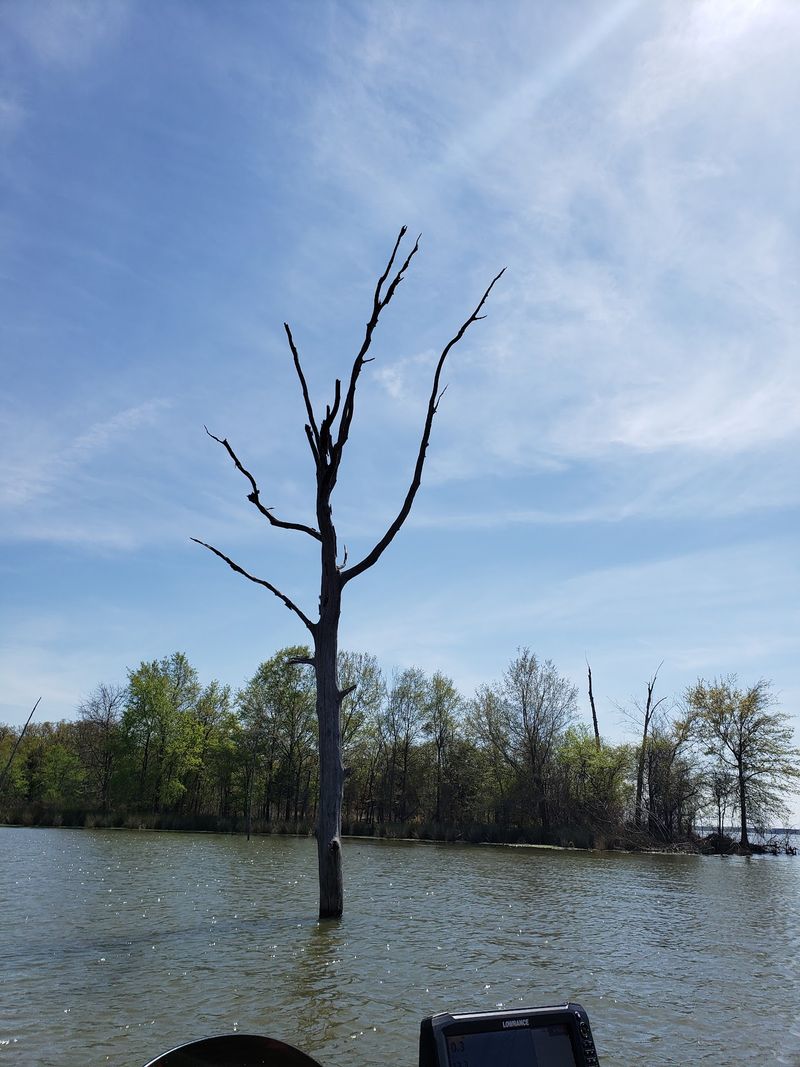
Hundreds of days on one lake buys real knowledge. Guides here spend more time on this water than most people spend in their yards.
Many full-time guides operate on Lake Fork. They track seasonal movements, water levels, and changing bait patterns.
A trip with one shortcuts years of trial and error. Guides pick productive areas and explain why fish sit there.
Equipment usually comes included. Rods, reels, and tackle are typically provided, though details vary by operator.
Instruction is part of the value. Casting accuracy, bait selection, and working timber all get covered.
Specialties differ. Some focus strictly on bass, while others run crappie or catfish trips.
Booking early helps during spring. Prime dates around the spawn fill up fast.
Beginners benefit most. Learning boat lanes and stump hazards from someone else beats discovering them the hard way.
Experienced anglers hire guides too. A single day of local intel can reshape an entire week of fishing.
Conditions still control the outcome. No guide promises a trophy, and honest ones say so upfront.
Knowledge travels home with you, and that lasts longer than any single catch.
Small Towns With Tackle And Front Porches
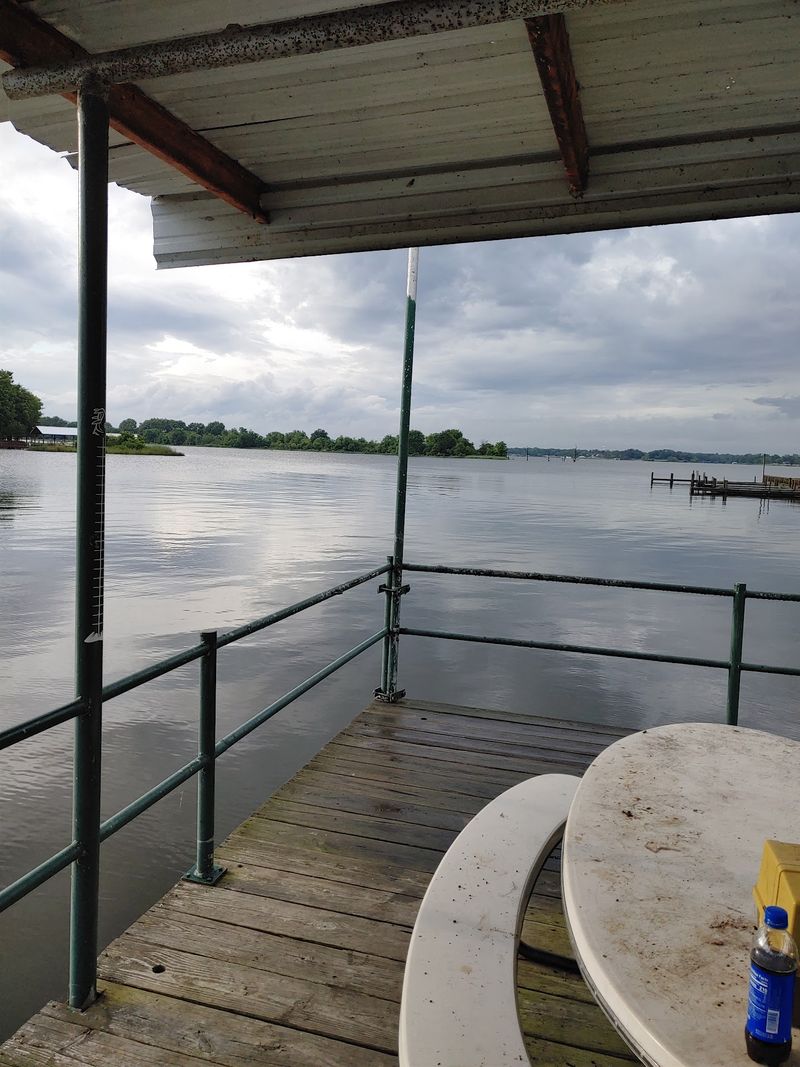
Four small towns surround the water. Quitman, Alba, Emory, and Yantis all sit close to the shoreline.
Each one supplies the basics. Bait shops, gas, groceries, and local restaurants cover most needs.
Tackle selection leans specific. Stores stock lures chosen for Lake Fork conditions, including timber and heavy vegetation.
Lodging options spread around the lake. Motels, cabins, rental houses, RV sites, and tent camping all appear in the area.
Marinas add convenience. Several offer rooms, ramps, and gear within walking distance of the water.
Bigger errands mean a short drive. Sulphur Springs and Mineola provide larger retail and dining choices.
The pace stays slow. Conversations at the counter often include fishing reports and weather predictions.
Weekday visits feel especially quiet. Tournament weekends bring far more trucks and trailers into town.
Cell coverage can be uneven in spots. Downloading maps before launching is a sensible habit.
Cash still helps at smaller stops. Not every roadside shop handles cards smoothly.
Hospitality here comes without polish. People point you toward the right ramp and mean it, which suits a fishing trip perfectly.
Sunrises, Bird Island, And Quiet Between Casts
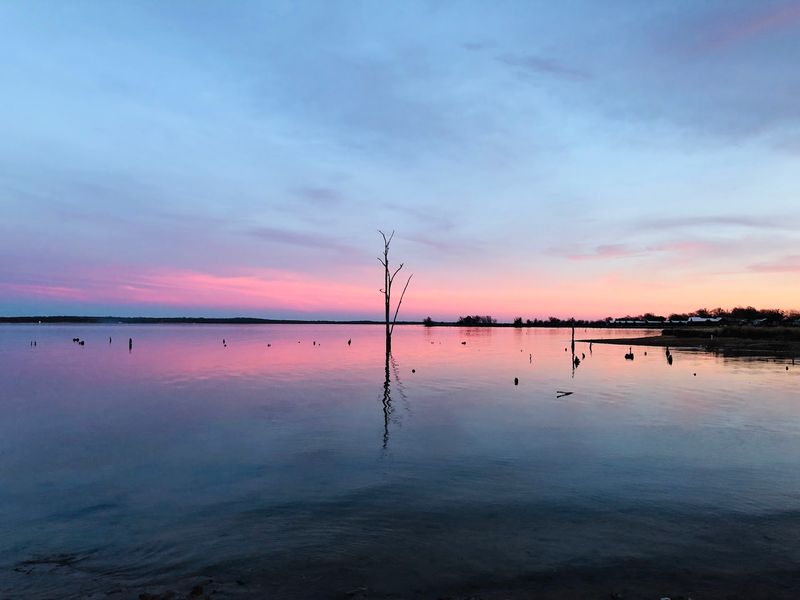
Not every memory involves a fish. Some mornings the sky steals the show entirely.
Mist settles over the timber at dawn. Silhouetted trunks turn the surface into something worth photographing.
Bird activity draws attention. Visitors often mention an area known as Bird Island, popular for wildlife watching.
Herons, egrets, and osprey patrol the shallows. Their fishing success rate can feel a little insulting.
Evenings slow the pace further. Calm water and long light make the last hour hard to leave.
Campfires round out many trips. Families treat Lake Fork as a weekend escape rather than a competition.
Paved walkways and playground areas exist at certain access points. Kids burn energy while adults rig rods.
Alligators live in the region. Keeping distance and skipping shoreline wading are basic precautions.
Cameras earn their space in the boat bag. Scenery here rewards anyone willing to look up from the rod tip.
Quiet counts as an amenity. Between casts, the loudest sound is often wind moving through dead branches.
Trophy bass built the fame, yet these unhurried moments are what pull people back across state lines.