
8 Areas In Wisconsin Where Rattlesnakes Have Been Spotted
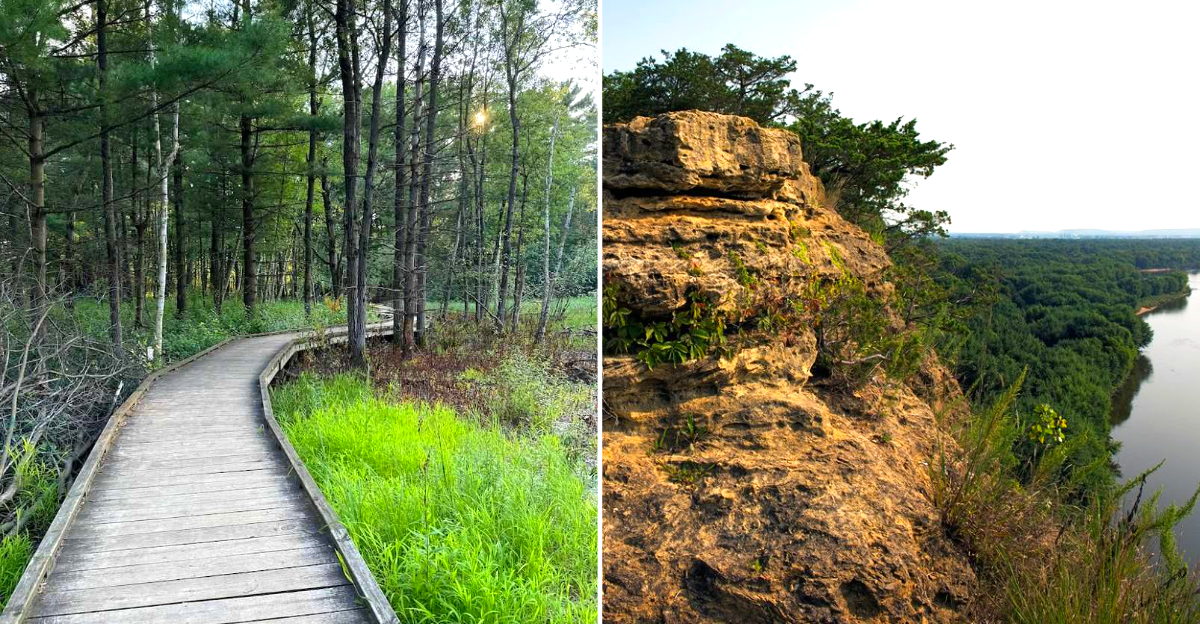
A sudden rattle can stop you cold. One second, the trail feels peaceful. The next, every leaf and rock deserves a closer look. Timber rattlesnakes are the only venomous snakes found in Wisconsin.
They are rare, secretive, and easy to miss. Most hikers never see one, even in areas where they live. These snakes prefer warm rocks, steep slopes, and quiet stretches of wilderness. They usually avoid people and strike only when threatened.
Still, staying alert matters. Watch where you step. Keep pets nearby. Never reach into brush, cracks, or spaces you cannot see.
The locations ahead are tied to known habitat and reported sightings. They reveal where these fascinating reptiles may appear and help outdoor lovers explore with more confidence, caution, and respect.
1. Devil’s Lake State Park
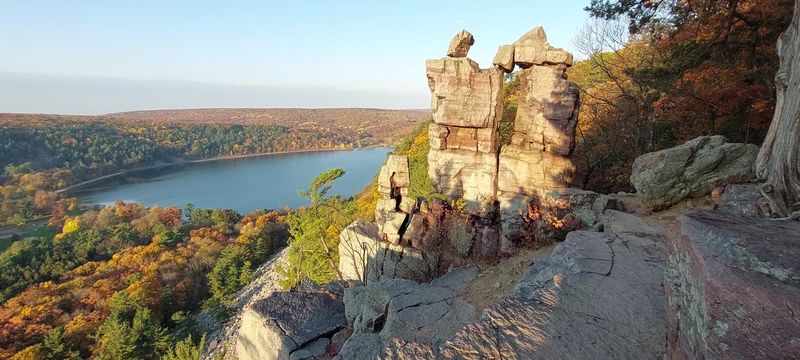
Overlooking one of Wisconsin’s most visited natural areas, Devil’s Lake State Park is known for its dramatic quartzite bluffs and clear glacial lake. The park draws thousands of visitors each year for hiking, rock climbing, and wildlife watching.
What many people do not expect to find is a timber rattlesnake sunning itself along the rocky ridgelines.
The bluffs offer ideal rattlesnake habitat, with warm rock faces, sheltering crevices, and nearby woods for hunting. Hikers on the East and West Bluff Trails have reported sightings over the years, particularly during warmer months when snakes are most active.
If you plan to visit, wearing sturdy boots and watching where you step and place your hands on rocks is a smart habit.
Timber rattlesnakes in Wisconsin are protected under state law, so observing them from a safe distance is both the legal and responsible choice. These snakes play an important role in controlling rodent populations in the ecosystem.
The park is located at S5975 Park Road, Baraboo, WI 53913, and rangers there can provide helpful safety tips if you ask. Spotting a rattlesnake in this setting is a rare experience, and most hikers never encounter one at all.
Still, staying alert on the rocky trails adds an extra layer of awareness that makes your visit both safer and more rewarding. The park is a beautiful place to explore year-round, and a little preparation goes a long way.
2. Perrot State Park
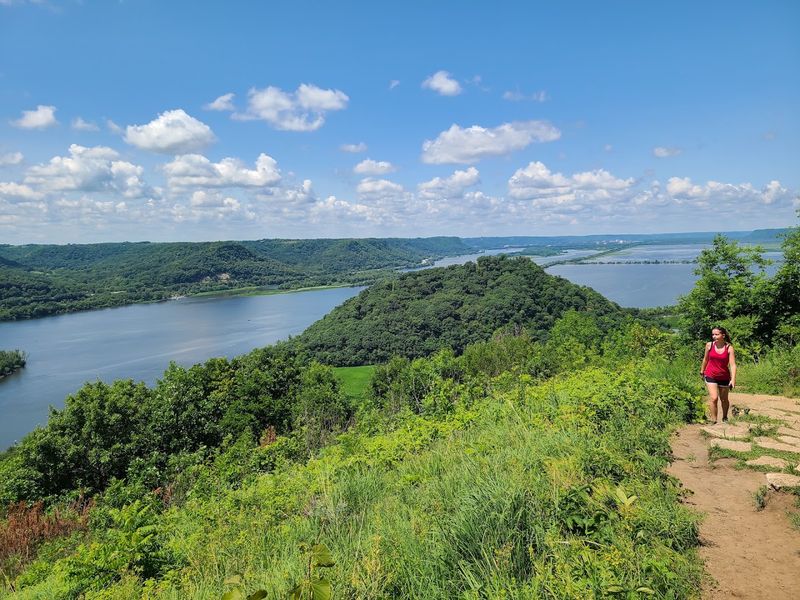
At the meeting point of the Trempealeau and Mississippi rivers, Perrot State Park offers some of western Wisconsin’s most scenic landscapes. The park’s towering river bluffs and sandstone formations create a rugged, wild environment that feels far removed from everyday life.
It also happens to be one of the areas where timber rattlesnakes have been documented.
The south-facing bluff slopes at Perrot are ideal rattlesnake territory. These slopes absorb heat from the sun throughout the day, making them perfect basking spots for cold-blooded reptiles.
Hikers on the Perrot Ridge or Brady’s Bluff trails should watch rocky ledges and outcrops. Snakes are most active near the surface on warm spring and summer afternoons.
Rattlesnakes at this park are not aggressive by nature, and they typically retreat when they sense vibrations from approaching footsteps. Giving them space is the best approach.
The park is located at W26247 Sullivan Road, Trempealeau, WI 54661. It also offers camping, fishing, and paddling.
Wisconsin’s Mississippi River bluffs remain a timber rattlesnake stronghold, and Perrot State Park lies within that corridor. Understanding that these snakes are part of a healthy ecosystem helps shift any fear into genuine appreciation.
You do not need to avoid the park out of concern. A calm, observant approach to hiking here will give you the best chance of enjoying everything this remarkable place has to offer.
3. Kinnickinnic State Park
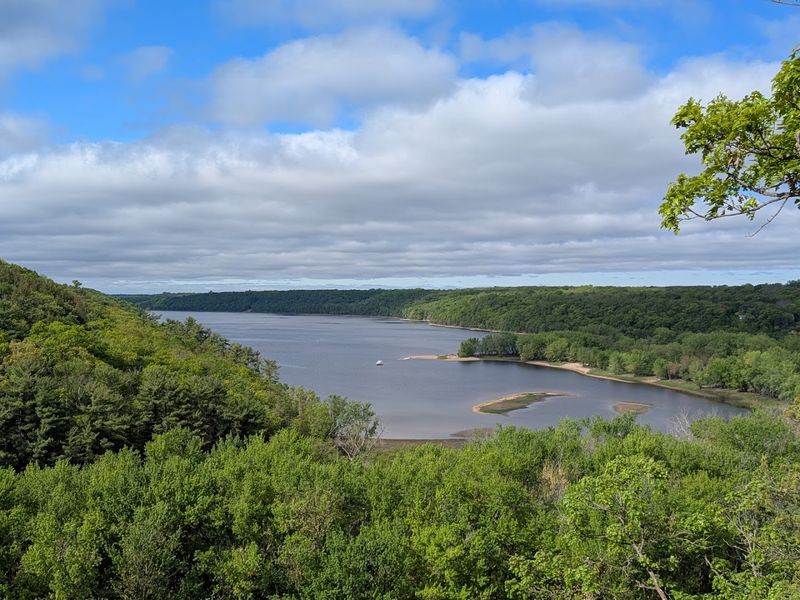
The Kinnickinnic River is a beloved cold-water trout stream, and its surrounding state park offers a quiet escape near Minnesota. Most visitors come for the river, the fishing, and the wide open meadows.
Fewer people realize that this park also falls within the range of the timber rattlesnake.
The rocky bluff areas and dry upland edges near the river corridor provide suitable habitat for rattlesnakes looking for warmth and cover. Sightings here are less common, but they have occurred. The surrounding landscape still provides suitable habitat.
If you are exploring the trails here, especially along higher terrain and rocky edges, staying aware of your surroundings is always a good practice.
Kinnickinnic State Park is located at W11983 820th Avenue, River Falls, WI 54022. The park is a great place for families, hikers, and nature lovers who want a peaceful outdoor experience.
Timber rattlesnakes in Wisconsin are naturally shy and rarely encountered on heavily trafficked paths. They tend to avoid areas with a lot of human foot traffic, so your chances of crossing paths with one are genuinely low.
That said, knowing they may be present keeps you mindful and connected to the natural world around you. If you do spot one, enjoy the moment from a safe distance and let it move along on its own.
Wisconsin’s natural areas are richer with these reptiles, and Kinnickinnic highlights the state’s diverse habitats.
4. Hixon Forest
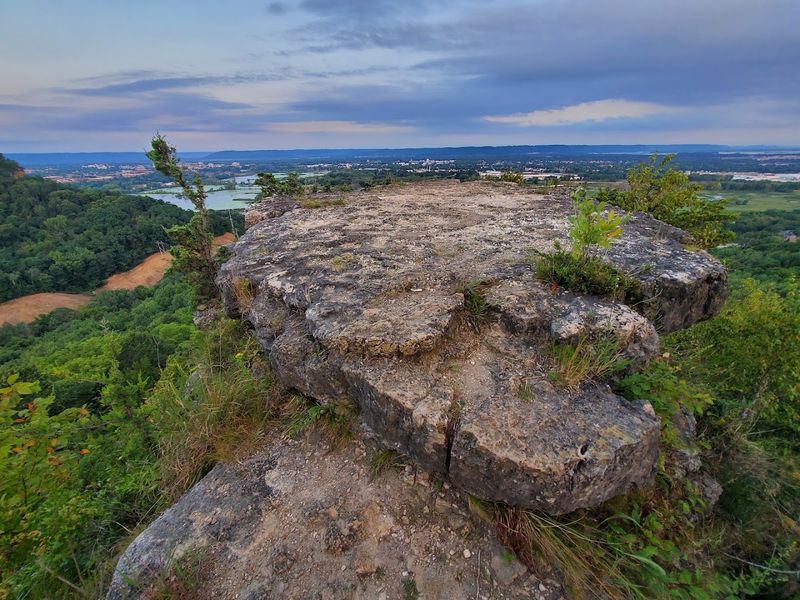
Right on the edge of La Crosse, Hixon Forest is a city-owned natural area that feels much wilder than you might expect from an urban green space. With over 500 acres of oak forest, ravines, and bluff terrain, it offers a genuine taste of the rugged Driftless Area landscape.
It is also one of the places in Wisconsin where timber rattlesnakes have been spotted.
The dry, rocky south-facing bluffs within Hixon Forest are prime rattlesnake habitat. These snakes rely on warmth, and sun-soaked limestone and sandstone outcrops provide ideal basking spots.
Hikers and trail runners using the network of paths here should pay attention near rocky ledges and brushy areas, particularly during late spring through early fall.
Local wildlife officials and naturalists in the La Crosse area have confirmed the presence of timber rattlesnakes in and around Hixon Forest over the years. The forest is located at 800 Milson Court, La Crosse, WI 54601, and it is open to the public year-round.
Encountering a rattlesnake here is uncommon, but possible, especially if you venture onto less-traveled trails near the bluff edges. The best response if you see one is to stop, give it space, and wait for it to move away.
There is no need for alarm. Timber rattlesnakes in Wisconsin are not naturally confrontational, and most sightings end without incident. Hixon Forest is a rewarding outdoor escape, and understanding its wildlife makes each visit more meaningful.
5. Buena Vista Park

Few overlooks in Wisconsin match the sweeping views from Buena Vista Park in Alma. High above the Mississippi River, this park offers panoramic valley views, with eagles sometimes soaring at eye level.
What makes this spot especially interesting for wildlife enthusiasts is that the bluff habitat here is also home to timber rattlesnakes.
The steep, rocky slopes and warm limestone outcrops along the bluff edge create conditions that rattlesnakes actively seek out. These snakes use the crevices in the rock for shelter and the open sunny patches for warming up after cool nights.
Visitors exploring beyond the main overlook may enter terrain where these snakes rest. Buena Vista Park is located along Buena Vista Road, Alma, WI 54610, and it is a popular stop for birdwatchers and sightseers traveling through the Mississippi River valley.
The park lies within western Wisconsin’s bluff country, which supports one of the Midwest’s more stable timber rattlesnake populations. Visiting with awareness rather than fear makes all the difference.
Wearing long pants and solid footwear is a practical step, and staying on marked paths keeps both you and the wildlife safer. The views here are genuinely worth the trip, and the chance that you might spot a piece of Wisconsin’s native wildlife along the way only adds to the experience.
Buena Vista Park is a reminder of how much natural richness exists just off the main road.
6. Wazee Lake Recreation Area
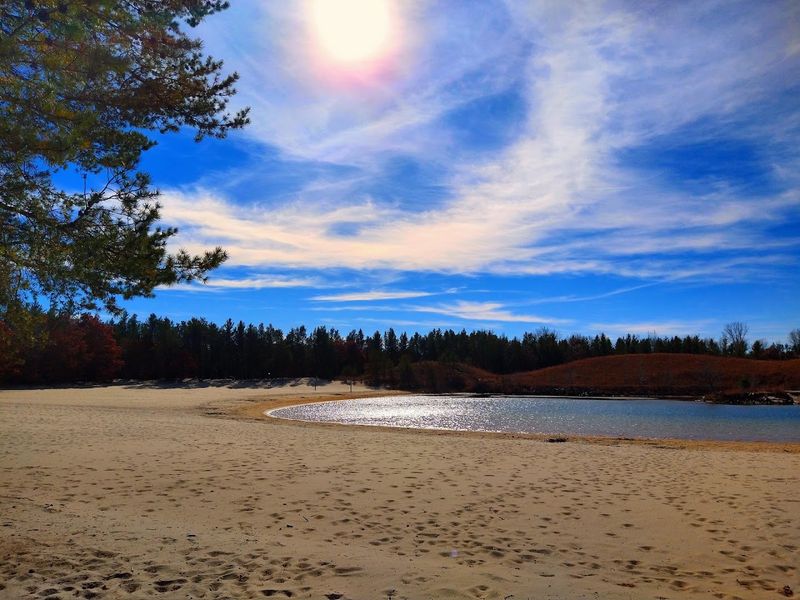
Wazee Lake is one of Wisconsin’s deepest inland lakes, formed from an old iron ore mine pit that has since filled with remarkably clear water. The recreation area around it is known for swimming, scuba diving, and camping.
What catches some visitors off guard is learning that the sandy, pine-covered terrain surrounding the lake also provides habitat for timber rattlesnakes.
The dry, open sandy areas and pine barrens near Black River Falls are part of a broader Central Sand Plains ecosystem that supports a range of wildlife, including rattlesnakes.
These snakes favor areas with good sun exposure, loose sandy soil for movement, and nearby ground cover for concealment. The edges of forested areas near the lake and along less-developed sections of the recreation area are where sightings are most likely to occur.
The recreation area is located at N6302 North Brockway Road, Black River Falls, WI 54615, and it is managed by Jackson County. When camping or hiking, keep your site tidy and check before reaching under logs or into brush piles.
Timber rattlesnakes in Wisconsin are not aggressive, and they typically give a warning rattle before any defensive behavior. That sound, if you ever hear it, is your cue to back away slowly and give the snake room.
Wazee Lake is a genuinely special destination in central Wisconsin, with water clarity that draws visitors from across the region. The surrounding natural landscape adds to its appeal, and knowing a little about the local wildlife makes any visit there more grounded and enriching.
7. Schmeeckle Reserve
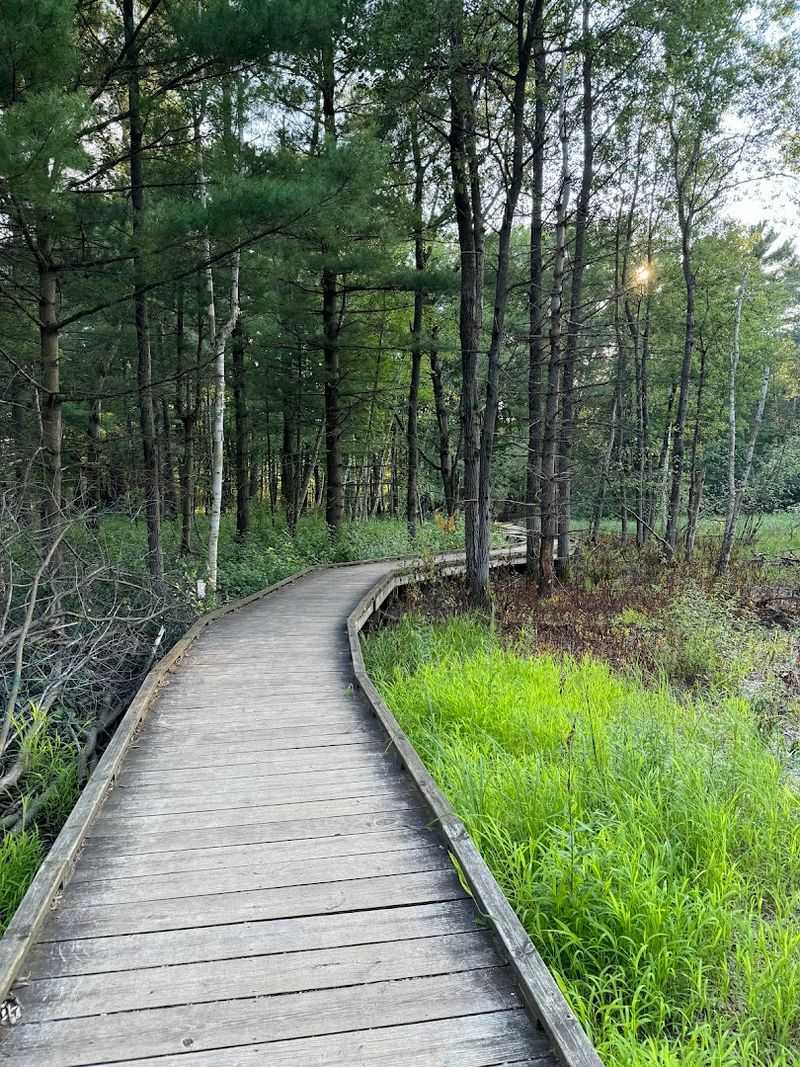
Covering 280 acres at the University of Wisconsin-Stevens Point, Schmeeckle Reserve supports education, research, and quiet outdoor recreation. With a mix of forest, wetlands, and upland terrain, it supports a surprisingly wide range of plant and animal life.
Timber rattlesnakes have been reported in and around the central Wisconsin region, and the reserve’s varied habitat makes it a location worth noting.
Central Wisconsin’s sandy soils, open uplands, and wooded ridges fall within the timber rattlesnake’s historic range. Confirmed sightings at Schmeeckle are less common, but the surrounding region still offers suitable habitat.
Visitors exploring the outer edges of the reserve or adjacent natural areas should remain observant, especially during warmer months.
The reserve is located at 2419 North Point Drive, Stevens Point, WI 54481, and it is open to the public daily. It serves as both a peaceful walking destination and an outdoor classroom for students and community members.
Wildlife awareness is always encouraged here, and the reserve’s educational mission means that staff and volunteers are generally knowledgeable about local species.
If you have questions about what wildlife you might encounter during a visit, stopping at the visitor center is a great first step.
Schmeeckle is a genuinely welcoming place that balances accessibility with a real connection to Wisconsin’s natural heritage. Spending time there, with an open and curious mindset, gives you a fuller picture of the ecological diversity that exists even within a university setting.
It is a place that rewards slow, attentive exploration.
8. Ferry Bluff State Natural Area
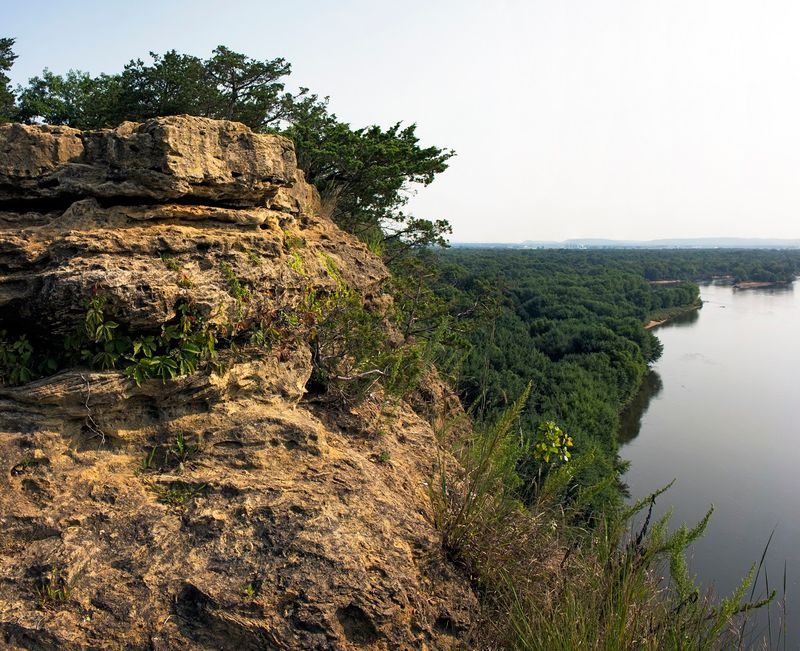
Rising sharply above the Wisconsin River near Mazomanie, Ferry Bluff is a striking geological feature that offers panoramic views of the river valley below. The bluff is composed of ancient dolomite and sandstone, and its rugged face has been shaped by thousands of years of erosion.
It is also recognized as one of the more reliable locations in southern Wisconsin where timber rattlesnakes have been documented.
The south-facing rocky slopes and dry oak savanna habitat at Ferry Bluff are textbook rattlesnake territory. These conditions provide the warmth, shelter, and prey availability that timber rattlesnakes need to thrive.
Wisconsin’s Driftless Area is a stronghold for this species. Regional conservation has helped sustain viable populations in select natural areas like Ferry Bluff.
The site is along State Highway 60, Mazomanie, WI 53560. As a state natural area, its primary purpose is preserving the surrounding ecosystem.
Trails are minimal, and the terrain can be steep and uneven in places. That ruggedness is part of what makes Ferry Bluff so ecologically valuable and visually impressive. Wear proper footwear, watch your hands and feet on rocks, and stay on marked paths for a safer visit.
Seeing a timber rattlesnake in this setting would be a genuine wildlife moment, the kind that reminds you how alive and complex Wisconsin’s natural landscapes truly are. Ferry Bluff is a destination that stands out for its beauty, its history, and its wild, unhurried character.
Rattlesnake sightings in Wisconsin are rare, but knowing where they may appear helps every outdoor adventure feel safer. Stay alert, respect their space, and enjoy the wild places they help keep balanced.