
This Coastal Long Island, New York Town Hasn’t Changed Its Main Street In 60 Years
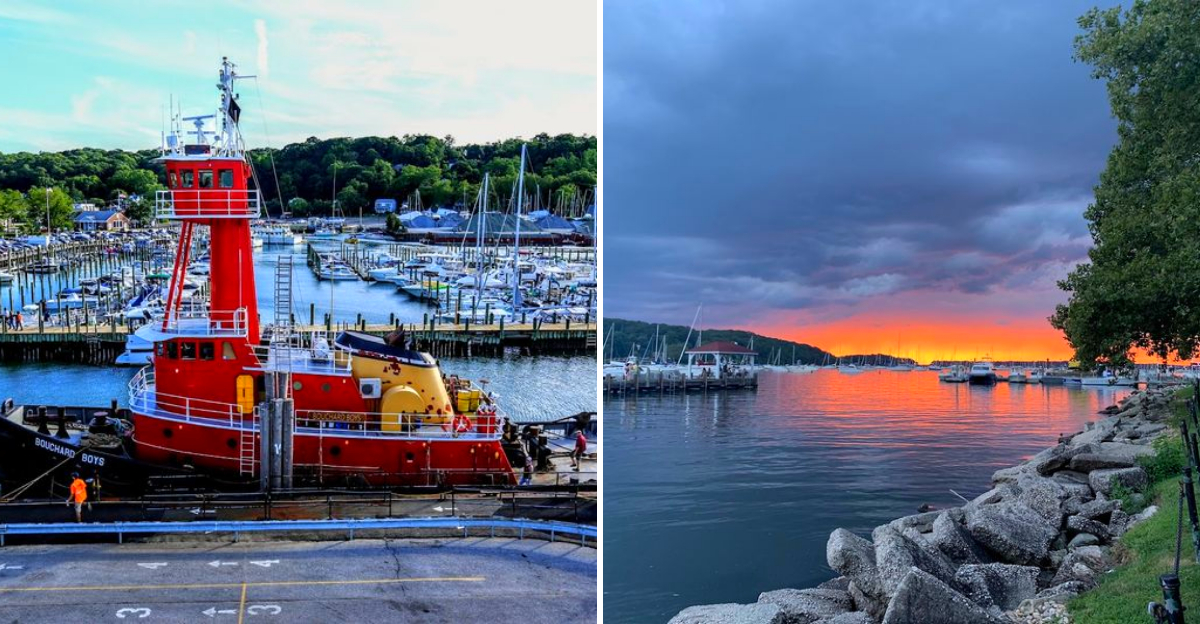
Striped awnings. Antique lampposts. Buildings that were already old when the 1960s started and have not felt the need to update their opinion since.
Long Island, New York has a village that looked at six decades of change and made a quiet, firm decision to sit most of it out.
Main Street here is not preserved in the self-conscious way that some historic districts are, where everything feels maintained within an inch of its life and slightly too aware of being looked at. This one just stayed.
The awnings are the same because nobody replaced them with something modern. The buildings are original because nobody knocked them down to build something taller.
What looks like careful curation is actually something rarer: a town that simply never felt the urge to fix what was not broken. Walk the street on a Tuesday and the decade gets genuinely hard to place.
That particular confusion is one of the better feelings Long Island has to offer right now.
A Village That Refused To Move On (And Was Right Not To)
Not every town gets to keep its original face. Most places trade their old bones for new developments the moment a developer shows up with a checkbook.
Northport said no, and the results speak for themselves.
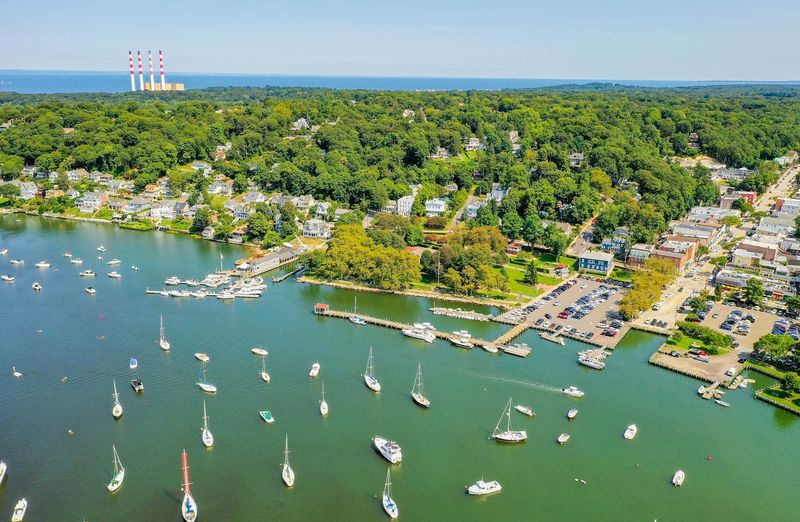
The village sits along the Long Island Sound in Suffolk County, and its Main Street district looks remarkably similar to how it appeared in the early 1960s. Striped awnings hang over storefronts.
Antique lampposts line the sidewalks. Buildings that were standing before your grandparents were born are still open for business today.
Preservation was not an accident here. Residents organized in the 1960s specifically to protect the village’s historic core from demolition and overdevelopment.
That grassroots commitment turned into formal policy, and the results have lasted generations.
The atmosphere on Main Street is warm without feeling staged. You get the sense that people actually live and work here, not just perform nostalgia for tourists.
The scale of the street feels human, approachable, and completely unhurried. For anyone exhausted by strip malls and chain stores, Northport offers something increasingly rare: a downtown that still has a personality all its own.
Welcome To The Village That Time Treated Kindly
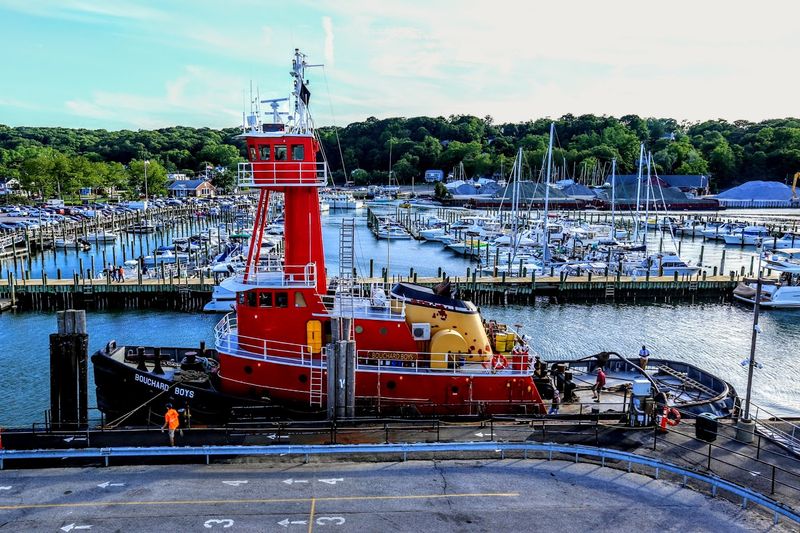
Officially a village within the Town of Huntington in Suffolk County, Northport carries a long and colorful history that most people never expect from a town its size.
The address is Huntington, NY 11768, and the harbor that greets you at the end of Main Street has been welcoming boats for well over two centuries.
The village was originally called Great Cow Harbor by 17th-century English colonists, which is admittedly one of the better origin stories in New York history.
It was officially renamed Northport in 1837, and its early economy was built on shipbuilding and trade with New York City.
Those maritime roots still shape the town’s identity today.
Victorian-era homes line the surrounding streets, and some structures trace their origins back to the 18th century. The harbor remains a focal point for the community, drawing sailors, kayakers, and anyone who simply wants to sit near the water and exhale.
Northport has a population of around 7,347 residents, and the town wears that small-village scale with quiet confidence. Nothing here is trying too hard to impress you.
It simply exists, beautifully and without apology, as one of Long Island’s most genuinely preserved destinations.
The Sweet Shop That Opened Before Your Grandparents Were Teenagers
Few things anchor a Main Street the way a genuinely old ice cream parlor does. The Northport Sweet Shop has been doing exactly that since 1929, making it one of the most enduring businesses in the entire village.
The place operates like a time capsule that also serves sundaes.
The building’s appearance has remained consistent since at least 1975, which means multiple generations of Northport families have walked through the same door and sat at the same kind of counter.
There is something deeply satisfying about a business that does not feel the need to reinvent itself every decade.
The atmosphere inside is old-fashioned in the best possible way. Classic soda fountain energy, unpretentious service, and the kind of ice cream that actually tastes like ice cream rather than a marketing concept.
It is the sort of spot that earns loyalty not through trendy branding but through consistency and care.
For visitors experiencing Northport’s Main Street for the first time, the Sweet Shop is often the stop that makes everything click. It is proof that the village’s commitment to preservation is not just about architecture.
It extends to the businesses, the culture, and the everyday rituals that make a community feel genuinely alive and worth returning to.
A Theater That Has Been Telling Stories Since The 1880s
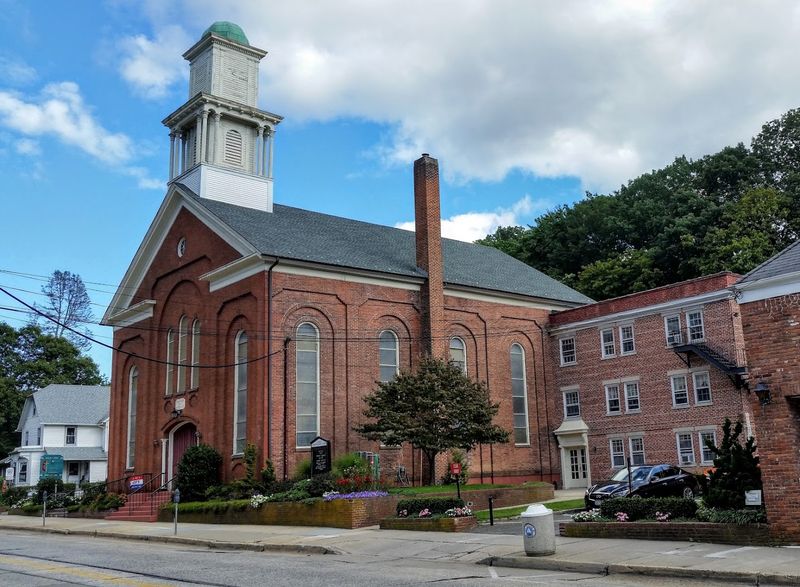
Performing arts and small-town life do not always go hand in hand, but Northport has managed the combination beautifully for well over a century. The John W.
Engeman Theater at 250 Main Street carries on a performing arts tradition that stretches back to the 1880s, making it one of the most historically layered venues on Long Island.
The theater was restored with obvious care and attention to its original character. The result is a venue that feels both elegant and welcoming, the kind of place where a night out actually feels like an occasion.
Productions range from Broadway-style musicals to dramatic plays, all performed in an intimate setting that keeps the audience close to the action.
For a village of Northport’s size, having a professional theater of this caliber is genuinely remarkable. It speaks to the community’s long-standing appreciation for culture, craft, and the kind of shared experience that a good live performance creates.
The Engeman Theater is also a strong argument for why historic preservation matters beyond aesthetics.
By maintaining the building and its purpose, Northport has kept alive an institution that continues to draw audiences from across Suffolk County and beyond.
Good stories, it turns out, never really go out of style in a town that understands the value of holding on.
The Museum That Lives Inside A Carnegie Library
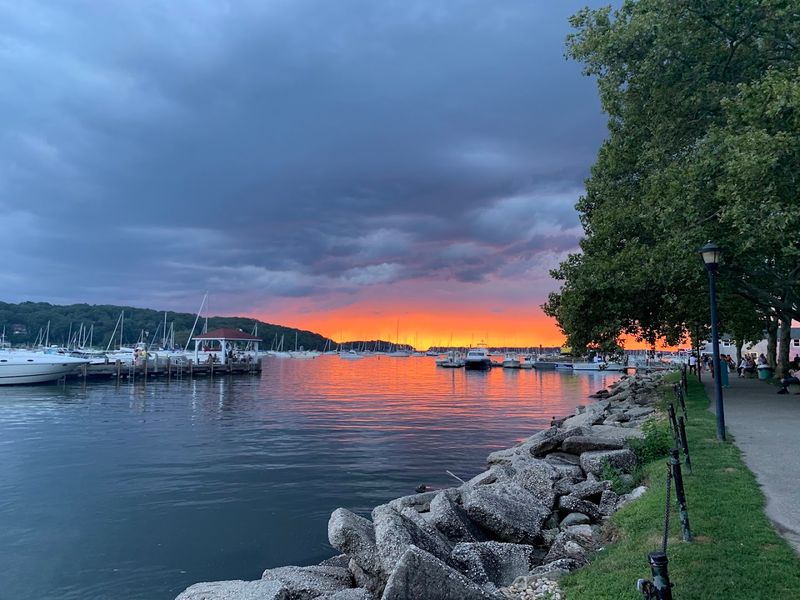
There is a particular kind of elegance that comes with a Carnegie Library building, and Northport’s is no exception.
The Northport Historical Society and Museum calls the 1914 Carnegie Library at 215 Main Street home, and the building itself is as much a part of the story as the exhibits inside.
Added to the National Register of Historic Places in 1996, the building represents the kind of civic investment that defined early 20th-century American communities.
Andrew Carnegie funded thousands of libraries across the country, and the ones that survive today tend to become the heart of their neighborhoods. Northport’s is very much still beating.
The Historical Society was founded in 1962 as a direct response to concerns about the demolition of historic buildings in the village. That origin story gives the museum a purpose beyond simple record-keeping.
It exists because people cared enough to fight for what was worth saving.
Exhibits inside cover the full arc of Northport’s history, from its days as Great Cow Harbor through the shipbuilding era and into the 20th century. For anyone who wants to understand why Main Street looks the way it does, the museum provides the full context.
History here is not a distant subject. It is something the village actively tends to and shares with anyone curious enough to walk through the door.
Cow Harbor Day And The Celebrations That Keep Community Alive
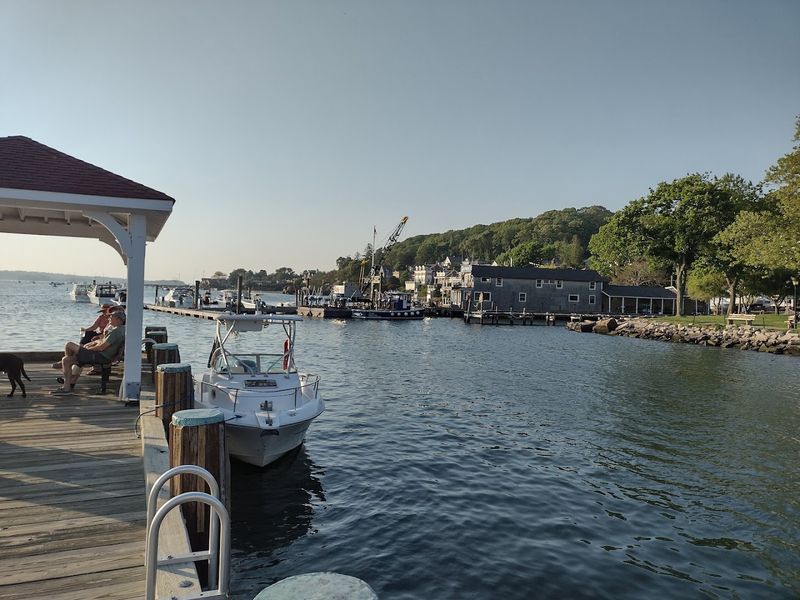
A town that preserves its architecture but loses its community spirit has only done half the job. Northport has clearly understood that distinction for a long time.
Annual events like Cow Harbor Day bring the village together in a way that feels organic rather than manufactured, rooted in a genuine sense of local pride.
The name Cow Harbor is a nod to the village’s original colonial designation, Great Cow Harbor, and the celebration wears that history with good humor.
Events typically include community gatherings, local vendors, and activities that center on the harbor and Main Street, the two most iconic elements of Northport’s identity.
Community events like this one serve a function that goes well beyond entertainment. They reinforce the social fabric that makes a historic district worth preserving in the first place.
A beautiful street with no people living on it is just a museum. Northport’s Main Street is the opposite of that.
Visitors who time their trip around Cow Harbor Day get to experience the village at its most alive. The energy is welcoming and unpretentious, exactly what you would expect from a place that has spent decades choosing authenticity over spectacle.
Suffolk County has no shortage of attractions, but few of them feel as genuinely connected to their own story as Northport does on a day like this.
Why Northport Stays With You Long After You Leave
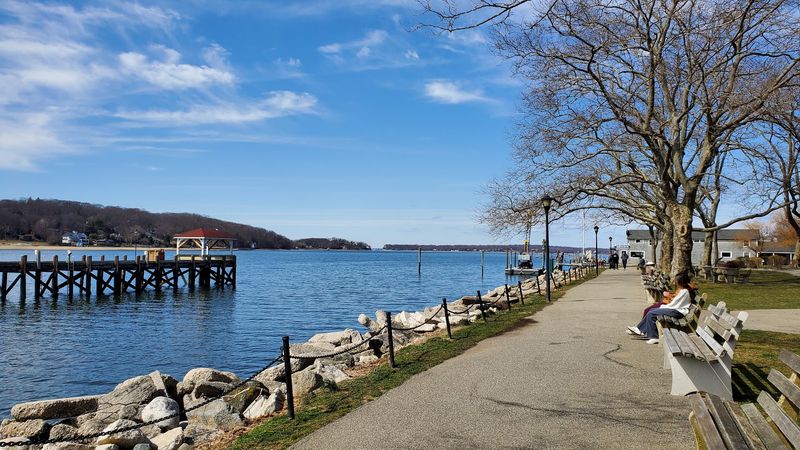
Some destinations are fun to visit and easy to forget. Northport is not one of them.
The village has a way of staying in your memory long after you have driven back onto the highway, and the reason is not any single landmark or attraction.
It is the cumulative effect of a place that has stayed true to itself across six decades of change happening everywhere around it.
Main Street in the golden hour is a particular kind of beautiful. The antique lampposts cast warm light across facades that have barely changed since the 1960s.
The pace of foot traffic is unhurried. The scale of everything feels proportioned for actual human beings rather than for cars or commerce.
Independent boutiques and restaurants fill the historic storefronts without disrupting the architectural integrity of the block.
The village has managed to stay economically active while resisting the homogenization that has claimed so many other American downtowns. That balance is harder to achieve than it looks.
Northport is proof that preservation is not about freezing a place in amber. It is about giving a community the foundation to keep building something worth caring about.
New York has no shortage of places to visit, but very few of them offer what Northport does: a real town with a real history that you can actually feel the moment you arrive and carry home with you when you go.