
9 Massachusetts Communities Losing Population As More Residents Reach Retirement Age
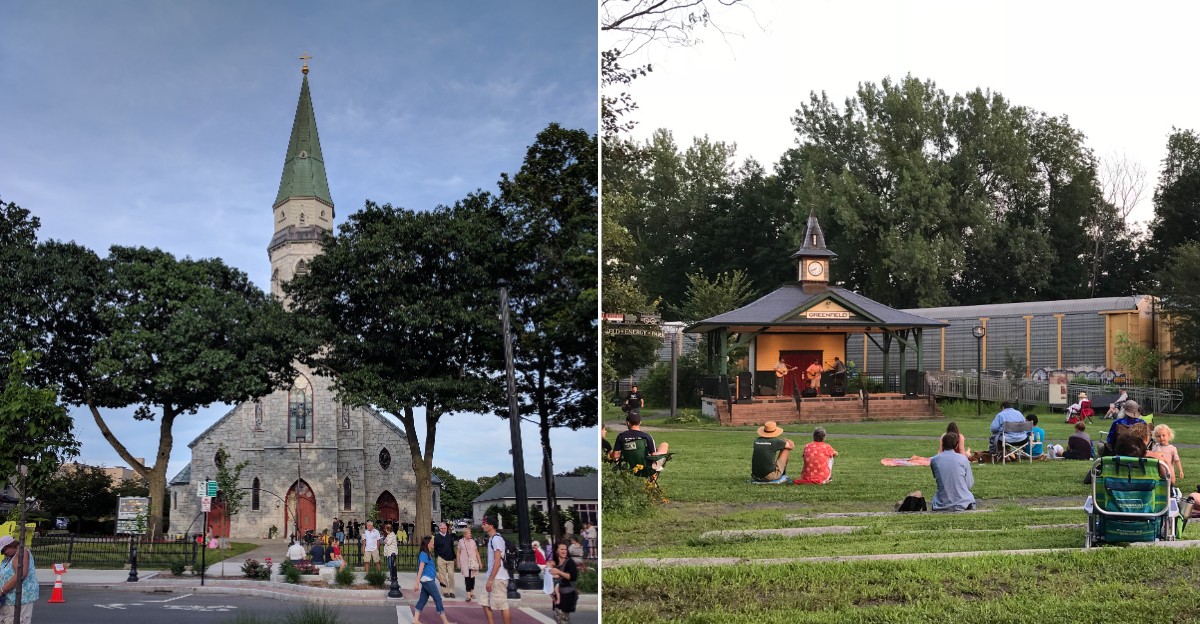
Across western Massachusetts, nine communities are watching their populations edge downward as the median age steadily rises.
The numbers tell one story, but the roads, mountains, rail trails, and lively town centers tell another.
Have you ever passed through a town where the old storefronts seem to have more history than the traffic outside? That is part of the character here, where former mill towns now share space with retirees, artists, hikers, and weekend travelers.
Industry once brought families and jobs to these communities, but many younger residents eventually moved elsewhere. Older residents followed quieter roads, lower costs, and the appeal of life among the hills.
The result is not a place frozen in time. Each community has its own attractions, from major museums and riverfront towns to scenic trails and mountain views.
This guide looks at the population numbers behind the change and the reasons these Massachusetts communities remain worth exploring.
Lenox
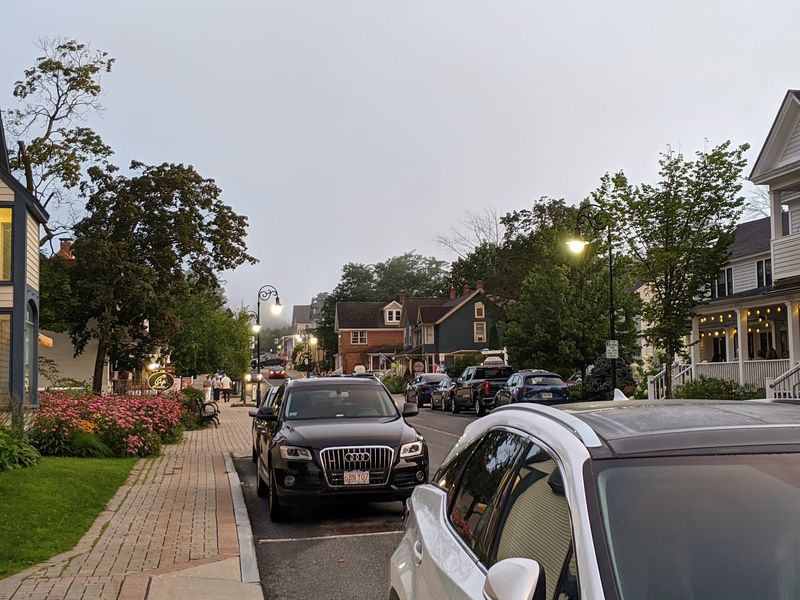
Lenox has long been the fancy cousin of the Berkshires. Music drifts from Tanglewood every summer, and grand old inns line the streets.
Yet behind the charm, the numbers tell a quieter story.
The town counted 5,025 people in 2010 and grew slightly to 5,095 by 2020. Since then, estimates show a small drop of about 0.6 percent through mid-2025.
That sounds tiny, but it marks a turn from growth to decline.
Age is the bigger headline. The median age in Lenox was 46 in 2020.
About 24.4 percent of residents were 65 or older, which means nearly one in four people is in retirement years. Many came here to retire on purpose, drawn by culture and calm.
So what does that mean for you? Fewer crowds outside peak season, for starters.
You can enjoy the town at an easy pace and actually chat with shopkeepers.
Summer brings the Boston Symphony Orchestra to Tanglewood. Shakespeare and Company stages lively plays that even teens enjoy.
Fall leaves turn the hills into a giant painting.
Living here suits people who love arts and quiet evenings. Visiting suits anyone who needs a break from busy routines.
Treat yourself to a lawn picnic with live music. You deserve a day of slow joy in Berkshire County.
Dalton
Check the cash in your wallet. For generations, the special paper for American money came from mills in Dalton.
Crane and Co. has made currency paper here for well over a century, giving this small town a big claim to fame.
Fame has not stopped people from leaving, though. Dalton had 6,756 residents in 2010.
By 2020, that fell to 6,330. Estimates for 2022 show about 6,236.
That is a drop of more than 500 people in about a decade. Mill jobs changed, and younger workers often moved to bigger cities.
Meanwhile, those who stayed grew older together.
The latest Census survey puts Dalton’s median age at 49.7 years. About 19 percent of residents are in their 60s.
Another 11 percent are in their 70s, and 8 percent are 80 or older.
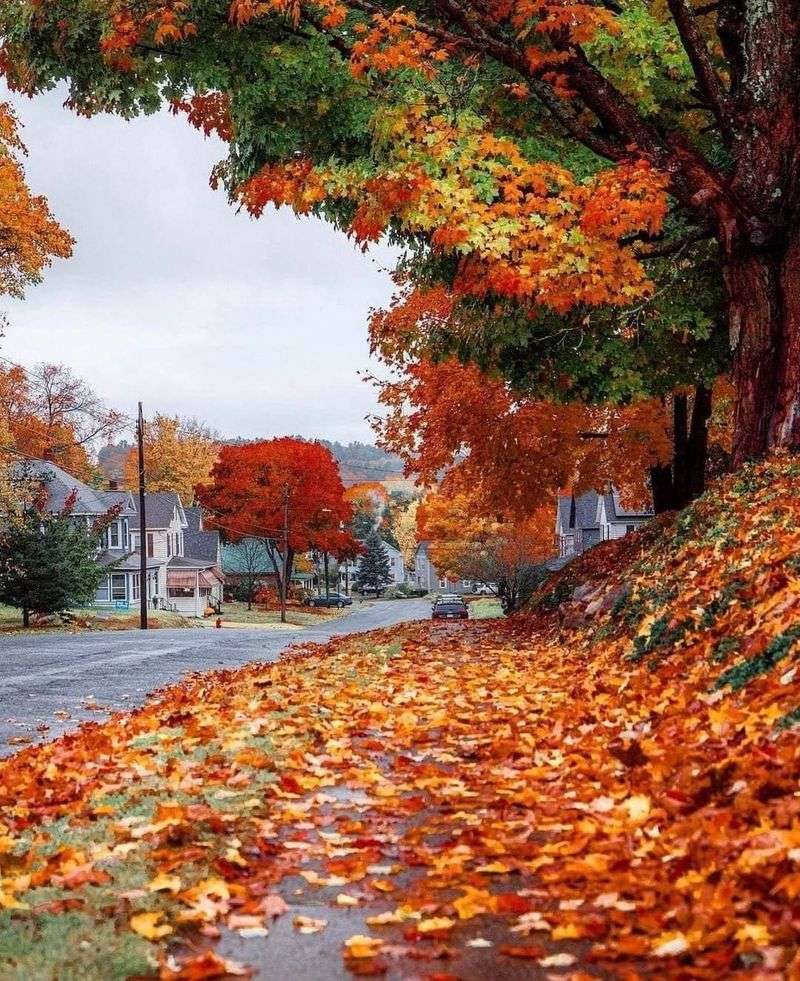
Still, Dalton has a lovely mix of town and country. You get quiet roads, open fields, and easy access to Pittsfield shops.
Historic churches dot the area, each with its own story to share.
Families looking for space and calm often find good value here. Visitors can enjoy scenic drives and fall color without heavy traffic.
Bring a camera and snap the old mills by the river. Small towns like this make you smile in quiet, surprising ways.
Adams
Standing at the foot of the tallest mountain in Massachusetts sounds exciting, right? Adams gets that view every single day.
Mount Greylock towers over this old mill town like a friendly giant.
Here are the facts. Adams counted 8,485 people in 2010 and 8,166 in 2020.
Estimates show another drop of about 2.8 percent from 2020 to mid-2025.
Residents are also getting older. Recent Census data shows a median age of 47.6 years.
About 19 percent are in their 60s, 12 percent in their 70s, and 6 percent are 80 or older. A large group is heading into retirement right now.
Fewer people can mean emptier storefronts and smaller school classes. But it also means affordable homes and a tight community feel.
Many locals are proud and welcoming.
Adventure lovers will be thrilled here. You can hike, bike, or snowshoe on Greylock.
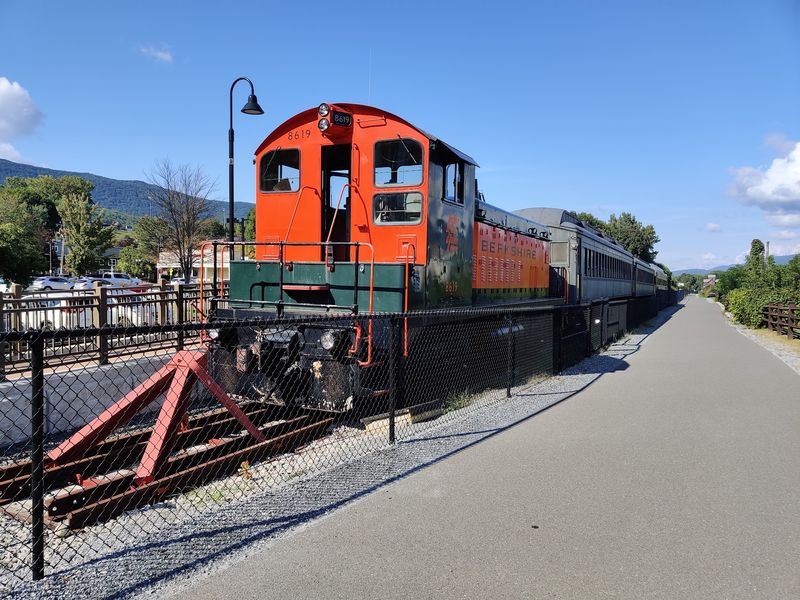
The Ashuwillticook Rail Trail is flat and great for an easy family ride.
History fans have options too. The Susan B.
Anthony Birthplace Museum honors the famous voting rights leader who was born in town. The old Quaker Meetinghouse is worth a peek.
Grab a snack, find a trail, and give yourself a real mountain day.
Montague
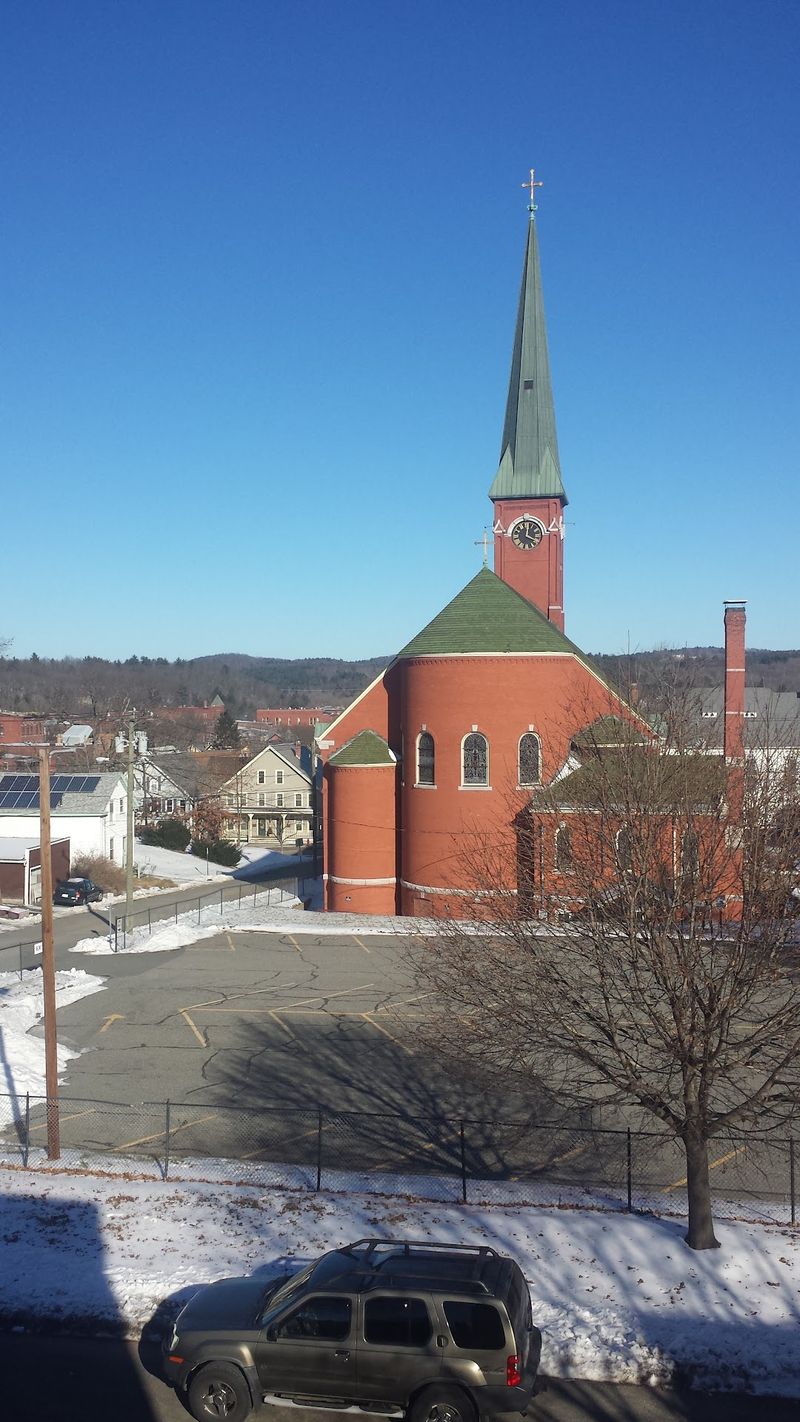
One town, five villages. That is Montague in a nutshell.
Montague Center, Montague City, Lake Pleasant, Millers Falls, and Turners Falls each have their own personality.
Montague bucked the trend for a while. It grew from 8,437 people in 2010 to 8,580 in 2020.
Recent estimates, however, show a reversal. The population has dropped about 2.66 percent since 2020, shrinking around 0.44 percent each year.
Age plays a big role. Roughly 23.6 percent of residents are 65 or older.
The projected median age for 2026 is 44.3 years. As older residents retire, fewer young families are replacing them.
Here is a fun twist. Lake Pleasant was once a famous spiritualist campground where people gathered for seances in the 1800s.
Spooky, quirky, and totally true.
Turners Falls is the busy center of town. It has local shops, small eateries, and views of the Connecticut River.
Artists and makers have helped bring new energy to its old brick buildings.
For residents, Montague offers river beauty and a creative small-town spirit. For visitors, it is a fun place to explore five villages in one day.
Make a game of it with friends. See which village wins your heart in the Pioneer Valley.
North Adams
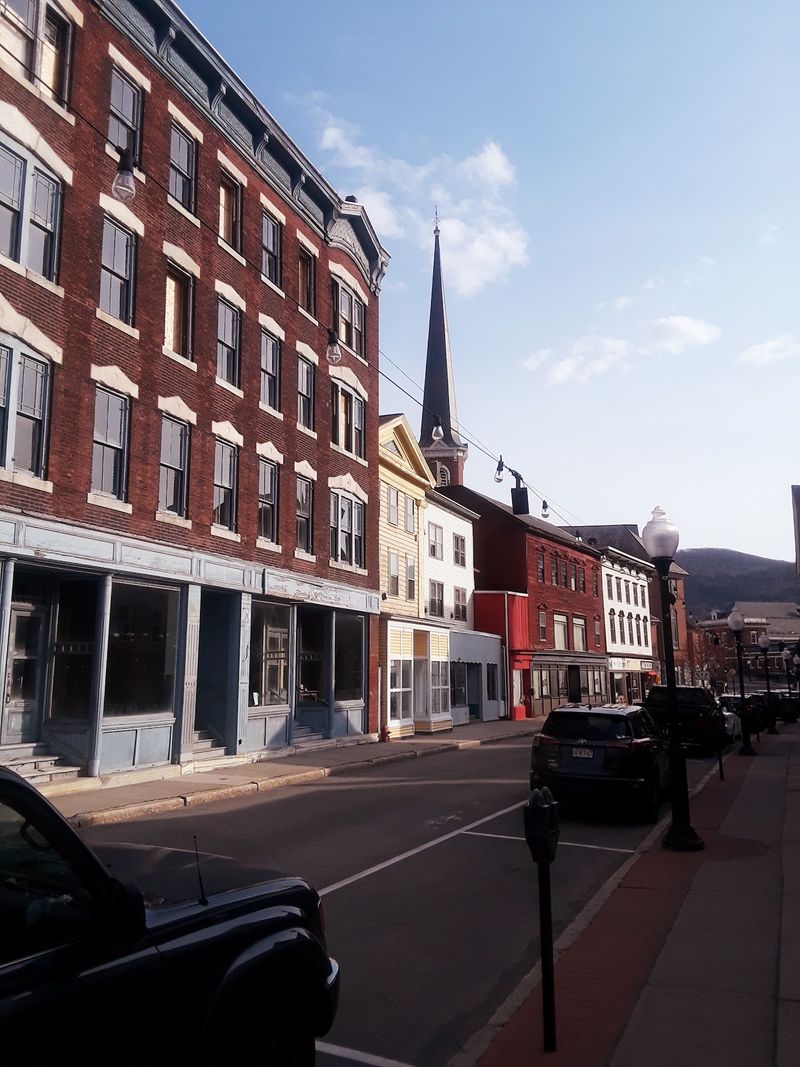
Giant art inside an old factory? Yes, please.
North Adams turned huge empty mill buildings into MASS MoCA, one of the largest contemporary art museums in the country.
The museum brought fresh life, but the city still lost people. North Adams had 13,708 residents in 2010.
By 2020, that dipped to 12,961. Projections for 2026 point to about 12,299, a drop of roughly 3.4 percent since 2020.
The city is aging too. About 21.6 percent of residents are 65 or older.
The projected median age for 2026 is 44.1 years. Old factory jobs disappeared long ago, and many young adults moved away for work.
Here is the bright side. Home prices are often lower than in eastern Massachusetts.
Artists, remote workers, and retirees have discovered that value.
Visitors can spend hours wandering MASS MoCA. Some exhibits fill rooms the size of a football field.
Kids love the strange, colorful installations.
Outside the museum, the city sits in a valley ringed by green hills. Old church spires and brick streets make great photo spots.
Plan a creative day out and let your imagination run wild. Sometimes the best break is seeing the world in a brand new way.
Lee
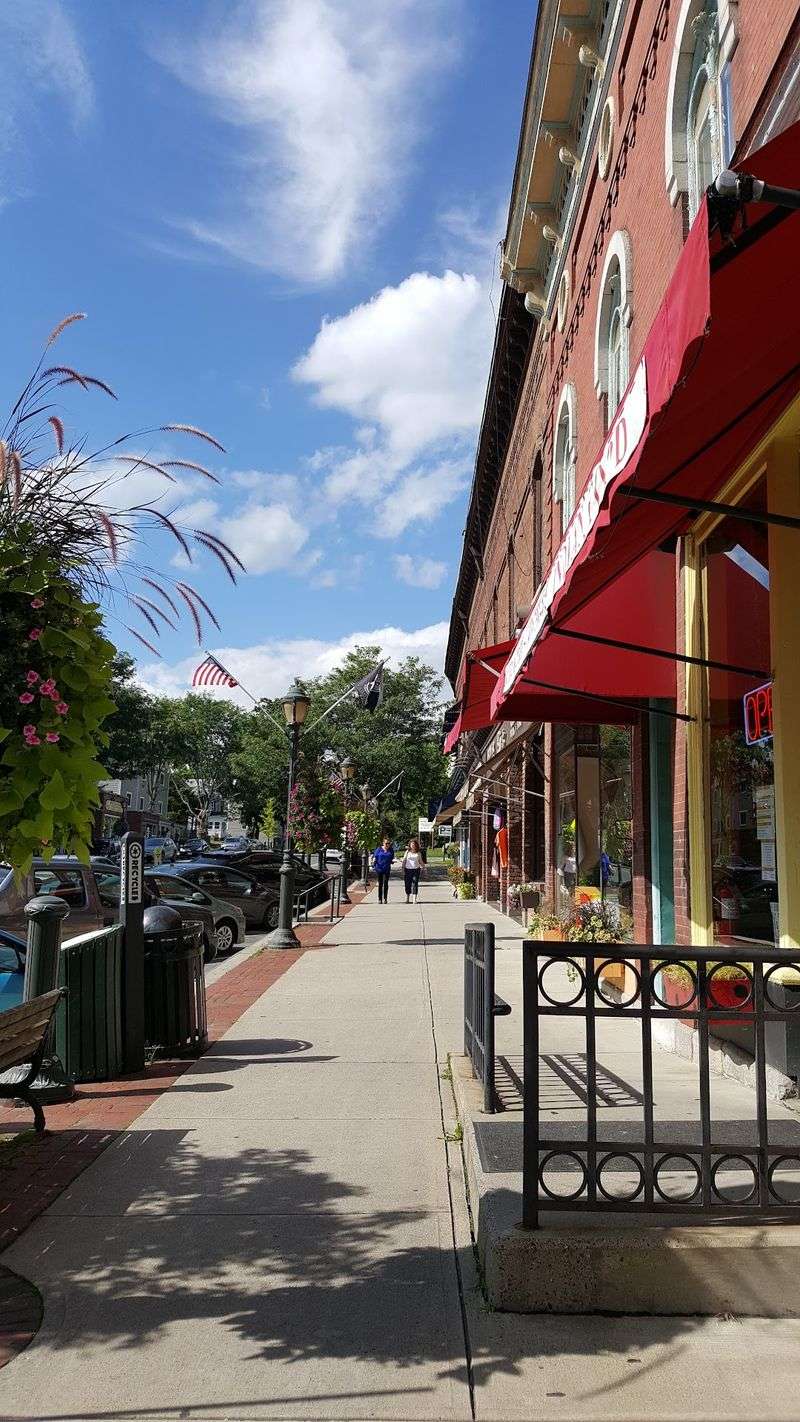
Ever driven off the Mass Pike and felt instantly calmer? That exit often leads to Lee, known as the Gateway to the Berkshires.
It welcomes travelers well, but its own population keeps sliding.
Lee had 5,943 residents in 2010. By 2020, that number fell to 5,788.
Estimates from 2022 put it near 5,707. Slow and steady, the town is getting smaller.
The age numbers are striking. Recent Census survey data lists the median age at 55.2 years.
Around 16 percent of people are in their 60s, 15 percent are in their 70s, and 12 percent are 80 or older. That makes Lee one of the more senior towns on this list.
Older communities often have strong roots. Neighbors look out for each other, and local events still draw big crowds.
Lee Founders Weekend and the Festival Latino are perfect examples.
Visitors have plenty to love too. Shoppers head to Lee Premium Outlets for deals.
Hikers explore October Mountain State Forest, the largest state forest in Massachusetts. Goose Pond Reservation offers peaceful water views.
Got kids or a cartoon fan along? The Animagic Museum of Animation is a fun surprise.
Lee proves a shrinking town can still have a huge heart. Pack your hiking shoes and let yourself wander a little.
Pittsfield
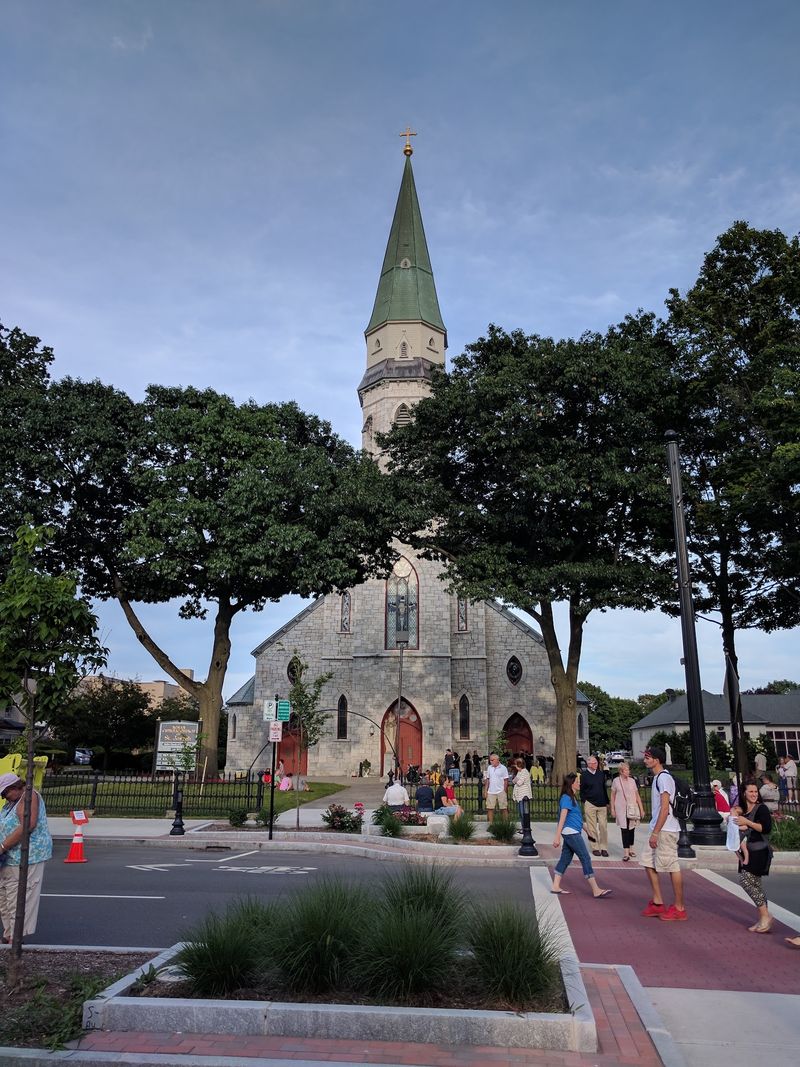
Herman Melville wrote much of Moby-Dick while gazing at Mount Greylock from his Pittsfield farmhouse. Today, that home, called Arrowhead, still welcomes curious visitors.
Pittsfield is the biggest city in Berkshire County, full of stories like that.
Size has not protected it from decline. Pittsfield had 44,737 people in 2010 and 43,927 in 2020.
Estimates for 2024 show about 43,076. Projections suggest around 42,765 by 2026.
The good news? The decline has slowed compared to past decades.
When big factories left years ago, the city lost many more residents than it does now.
About 19.4 percent of people here are 65 or older. The projected median age for 2026 is 42.4 years.
That is younger than most towns on this list, but the senior share keeps growing.
Pittsfield is working hard to stay lively. Investment in downtown and outdoor recreation has added energy.
Local theaters and museums offer plenty to do.
Do not miss Hancock Shaker Village. Its famous round stone barn and farm animals charm all ages.
Walk downtown, catch a show, and enjoy a relaxed meal. This Massachusetts city shows that growing older can also mean growing wiser and more welcoming.
Greenfield
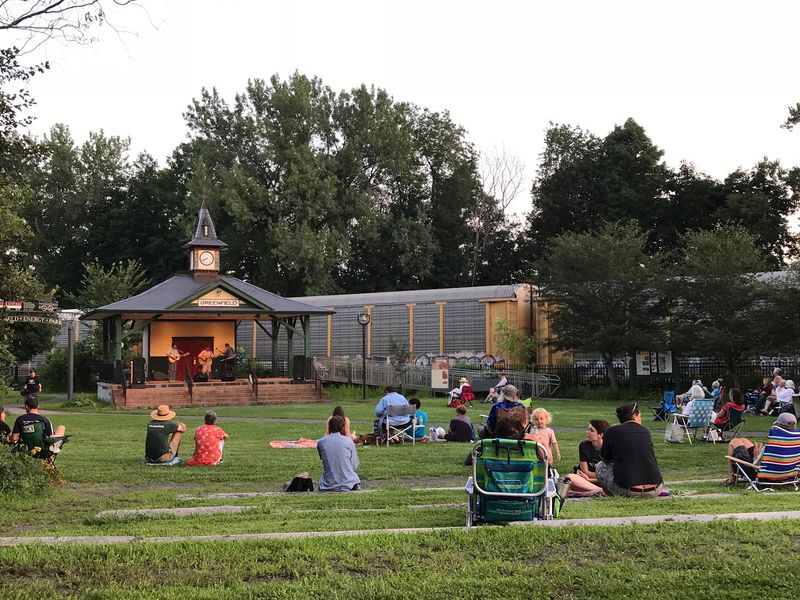
Think of Greenfield as the friendly hub of Franklin County. It is the county seat, so folks from nearby hill towns come here for shopping, appointments, and fun.
Greenfield is the outlier here, because it has not really shrunk. The population rose from 17,450 in 2010 to 17,759 in 2020, and recent estimates put it at 17,691.
That is essentially flat, a difference small enough to vanish inside the margin of error. The real story is not how many people live here, but how old they are.
The median age was 44.6 years in 2020, and it keeps climbing.
About 22.3 percent of residents were 65 or older, so more than one in five people is a senior.
Greenfield still feels young at heart. Greenfield Community College brings students to town.
The Pioneer Valley Symphony Orchestra adds music and culture.
Event lovers, mark your calendars. The Franklin County Fair is a classic with rides, animals, and tasty fair food.
The Green River Festival fills summer with music and dancing.
Walk down Main Street and look up. You will spot Federal, Greek Revival, and Victorian buildings that tell the story of old New England.
Grab an ice cream and people-watch for a while. Little pleasures like that are exactly what a good day needs.
Palmer
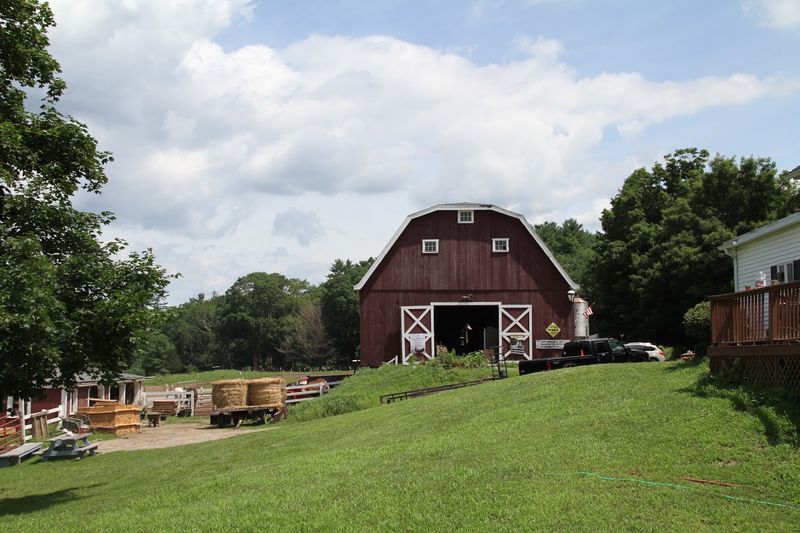
Trains used to rumble through Palmer so often it earned the nickname Town of Seven Railroads. That busy past shaped four villages: Bondsville, Thorndike, Depot Village, and Three Rivers.
Palmer grew from 12,140 residents in 2010 to 12,448 in 2020. Since then, things have shifted.
The town lost about 143 residents between 2020 and 2023. Projections point to roughly 12,352 by 2026, about 0.53 percent below 2020.
Retirement age is a big part of the story. The projected median age for 2026 is 47.8 years.
About 20.9 percent of residents are 65 or older.
Why does this matter? An older town may need more senior services and fewer school seats.
Local leaders keep working to attract young families and new businesses.
Palmer has real perks for both groups. It sits near the Mass Pike, so Springfield and Worcester are easy drives.
Homes are often more affordable than in eastern parts of the state.
Visitors can explore each village and spot old mills along the rivers. The pace is relaxed and the people are down to earth.
Take a slow drive, stop wherever looks interesting, and enjoy the quiet. A peaceful escape is sometimes the best gift you can give yourself.