
8 Pennsylvania Destinations Where Timber Rattlesnakes Have Been Officially Recorded
Some destinations advertise their wildlife with pride, while others simply let the wildlife announce itself without much warning. Pennsylvania has several spots that fall into the second category.
Timber rattlesnakes have been officially recorded across these locations for years, sometimes decades at a stretch. Hikers who spend enough time on these trails eventually understand why caution matters here more than elsewhere.
These snakes prefer rocky outcrops and sunny ledges, especially during the warmer months of the year. Sightings tend to spike in late spring once temperatures climb high enough to draw them out.
Wildlife officials continue tracking populations at each of these locations closely. None of this means visitors should avoid the trails entirely, only that awareness matters more here.
These destinations remain worth exploring, provided hikers respect exactly what shares the space with them.
1. Bear Meadows Natural Area
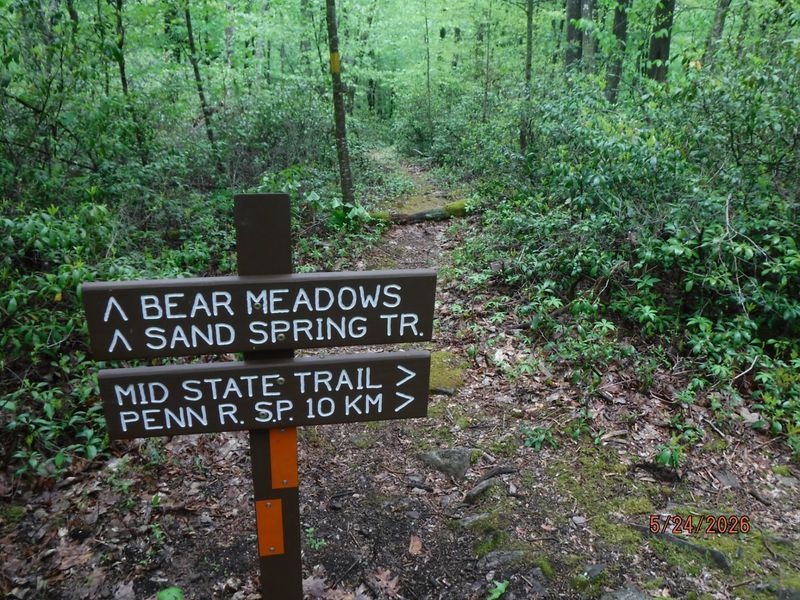
Not many places in Pennsylvania can claim to be a genuine fen wetland, but Bear Meadows pulls it off effortlessly. Bogs, black spruce trees, and old-growth forest all share the same soggy, spectacular space.
It feels like a place time forgot on purpose.
An observation platform gives you a front-row view of the whole ecosystem. You can watch birds, reptiles, and all sorts of wildlife without disturbing a thing.
Reptiles and amphibians get special protection here, and timber rattlesnakes are among those officially recorded residents.
The unique combination of wetland and forest creates microclimates that attract rare species. That means every visit can surprise you with something new.
Birders, naturalists, and curious hikers all find something worth talking about here.
Centre County does not get nearly enough credit for hiding spots like this. Bear Meadows sits quietly in the hills, doing its own remarkable thing.
Most people drive right past it without realizing what they are missing.
If you want a Pennsylvania experience that feels genuinely off the beaten path, this is your spot. Just stay on the boardwalk and keep your eyes open.
The snakes are not aggressive, but they do appreciate personal space.
2. Rothrock State Forest
Rothrock State Forest is the kind of place that makes you feel genuinely small in the best possible way. Over 96,000 acres of mountain ridges, rock-strewn trails, and dense forest stretch across Centre and Huntingdon counties.
It is big, bold, and unapologetically wild.
Chestnut oak, pitch pine, and mountain laurel dominate the ridgelines. Drop into the bottomlands, and you find cool streams lined with rhododendron.
The contrast between ridge and valley keeps every hike interesting and visually rewarding.
Timber rattlesnakes thrive in rocky ridge habitats exactly like the ones Rothrock offers. Warm south-facing rock outcrops are prime real estate for these reptiles.
Hikers who know this actually end up paying better attention to the trail, which is never a bad thing.
The forest has hundreds of miles of trails ranging from casual strolls to serious backcountry treks. Mountain bikers, hunters, and horseback riders all share this enormous landscape.
There is room for everyone, and then some.
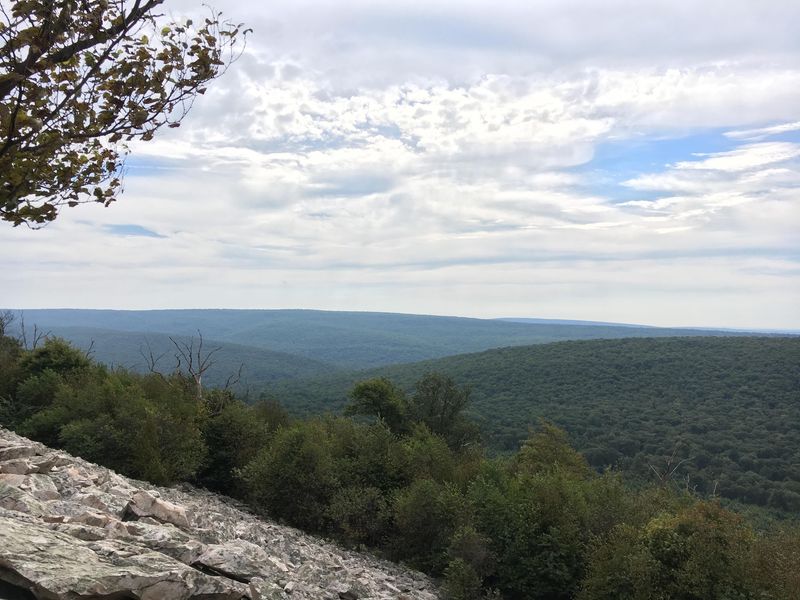
Vistas from the ridgelines on clear days are genuinely jaw-dropping. You can see for miles across rolling Pennsylvania hills.
It is the kind of view that makes you want to sit down and just be quiet for a while.
3. Little Juniata Natural Area
Geology nerds, this one is for you. Little Juniata Natural Area sits right at a water gap carved through Tussey Mountain, and the exposed sandstone talus slopes make the whole place look like a puzzle nature assembled over millions of years.
It is stunning in a rugged, raw kind of way.
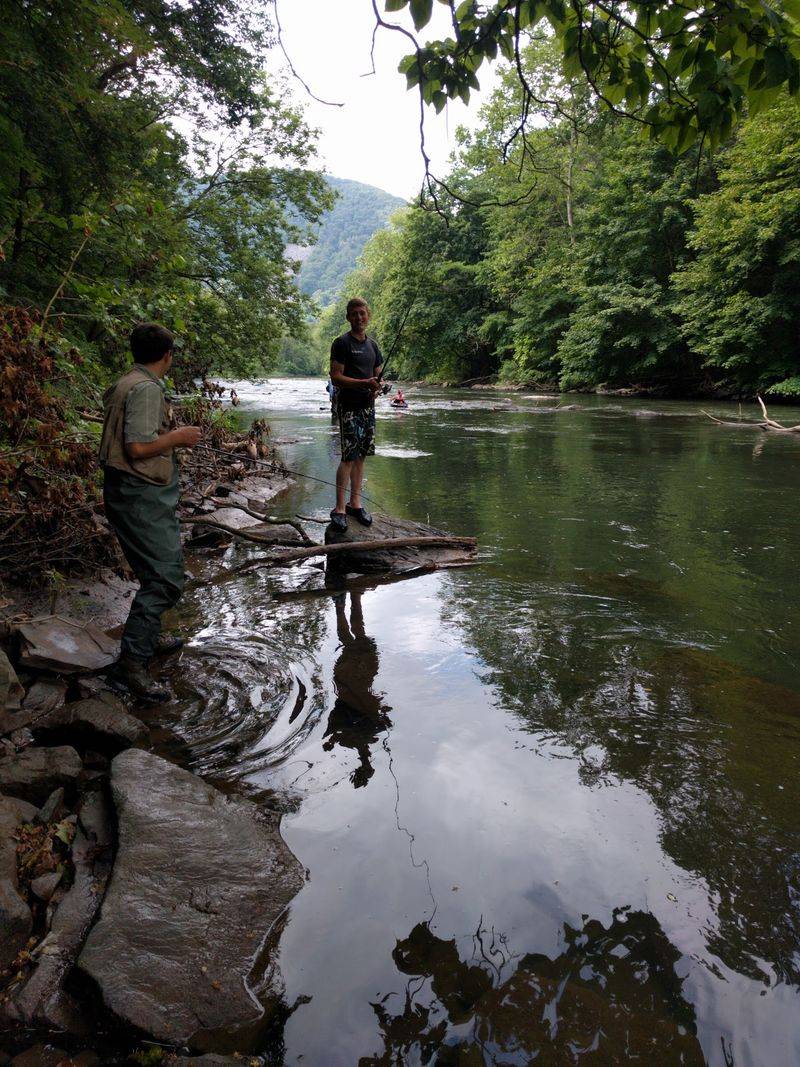
The Little Juniata River winds through lush forest at the base of the gap. Hemlocks and hardwoods crowd the riverbank and create dense shade.
The combination of rocky slopes above and cool forest below makes for a remarkably diverse habitat.
Timber rattlesnakes are officially recorded here, and honestly, the talus slopes explain everything. Rocky, sun-warmed, and largely undisturbed terrain is exactly what these snakes prefer.
Reptiles and amphibians receive formal protection in this natural area.
This spot sits within the larger Rothrock State Forest system, so you can pair a visit here with exploration of the surrounding landscape. Fewer people know about Little Juniata compared to more famous stops nearby.
That relative quiet is a genuine gift.
Bring good footwear because the terrain can be uneven and rocky. Watch your step near the talus fields, not just for snakes but because loose rock can shift unexpectedly.
The reward for careful hiking is a landscape that feels completely authentic and unspoiled.
4. Marion Brooks Loop Trail
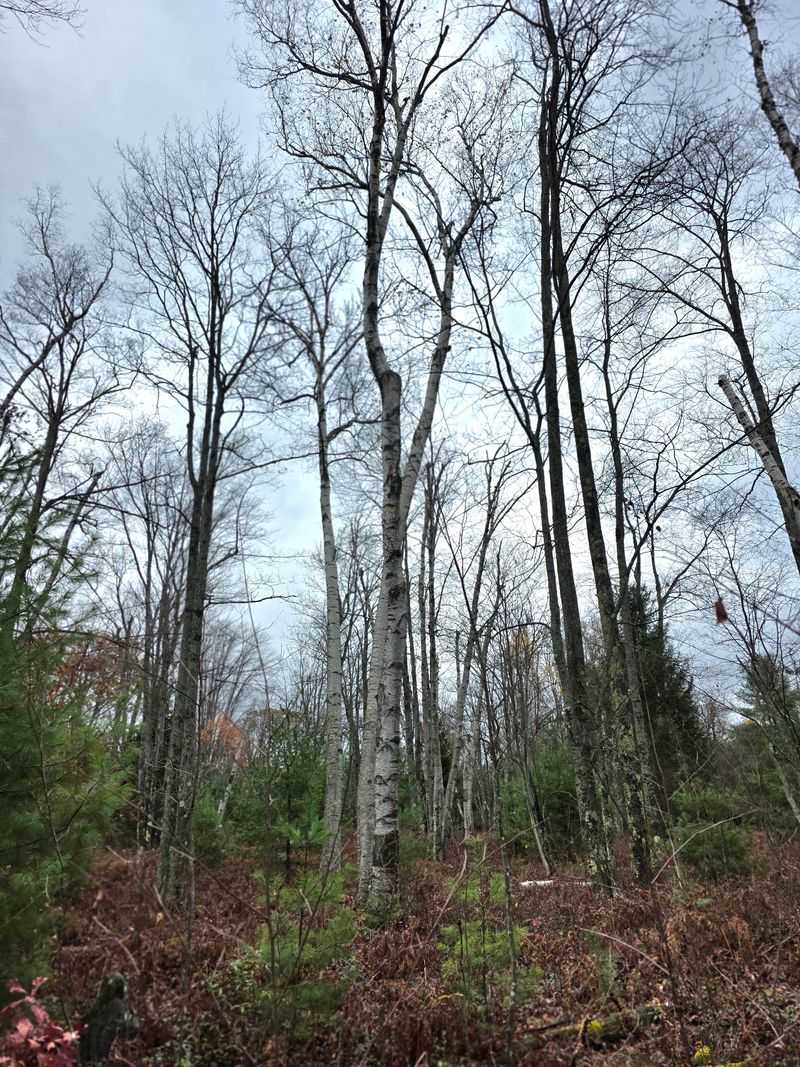
White birch trees in the eastern United States are not exactly common at large scale, which makes Marion Brooks Natural Area genuinely special. This spot holds one of the biggest stands of white birch on the entire eastern seaboard.
Walking through it feels like hiking through a black-and-white photograph that somehow came to life.
The three-mile loop trail winds through a surprisingly diverse landscape. You move from birch groves to mixed hardwood sections and back again.
The trail is not heavily trafficked, so quiet moments are practically guaranteed here.
Timber rattlesnakes are officially recorded in this area, and they are protected. The relative isolation of the loop means wildlife encounters of all kinds are genuinely possible.
Paying attention to your surroundings here is both smart and rewarding.
Elk County does not always make the top of Pennsylvania hiking lists, but Marion Brooks deserves a spot near the top. The birch trees alone are worth the drive.
Add the wildlife factor and the peaceful atmosphere, and you have a seriously underrated destination.
Fall is a particularly good time to visit because the birch leaves turn a warm golden yellow. The contrast against the white bark is something photographers dream about.
Pack your camera, bring water, and take the full loop without shortcuts.
5. Charles F Lewis Natural Area
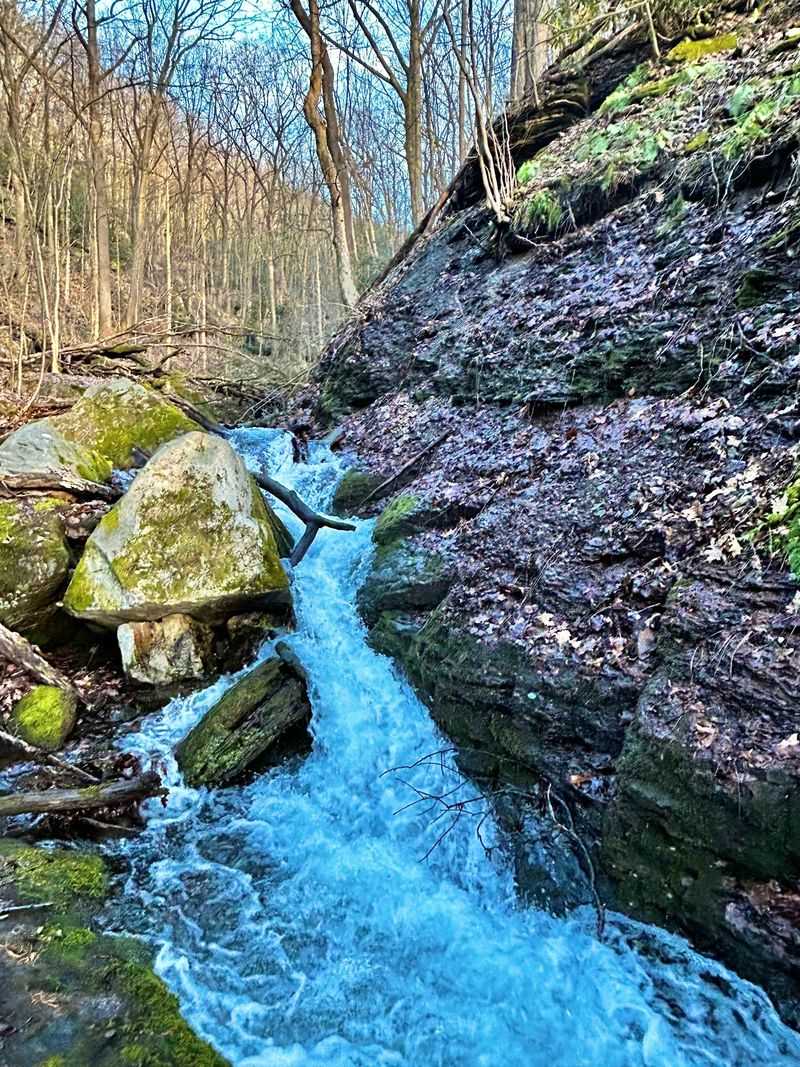
Clark Run carved a gorge through Gallitzin State Forest, and Charles F. Lewis Natural Area sits right in the middle of that dramatic landscape.
Waterfalls, rocky terrain, and a dense canopy overhead make every step feel like a discovery. Journalists have specifically praised the fall foliage here, and honestly, the reputation is well earned.
The gorge creates a sheltered microclimate that supports a wide variety of plant life. Ferns, mosses, and wildflowers fill the understory throughout the warmer months.
In autumn, the hillsides above the gorge explode with color that reflects off the stream below.
Timber rattlesnakes have been recorded here, and the rocky terrain makes perfect sense for that. Rocky gorge walls and sun-exposed ledges are classic rattlesnake habitat.
Hikers should stay on established paths and watch carefully near rock outcrops.
The natural area is part of Gallitzin State Forest, which spreads across several southwestern Pennsylvania counties. Access roads can be rough depending on the season, so a higher-clearance vehicle is sometimes helpful.
Planning pays off here.
Despite being genuinely beautiful, this area does not get the crowds that more famous Pennsylvania gorges attract. That means you can often have the waterfalls almost entirely to yourself.
Bring a snack, take your time, and enjoy the kind of solitude that feels increasingly rare. Find Charles F Lewis Natural Area at 11833 PA-403, Seward, PA 15954.
6. Roaring Run Natural Area
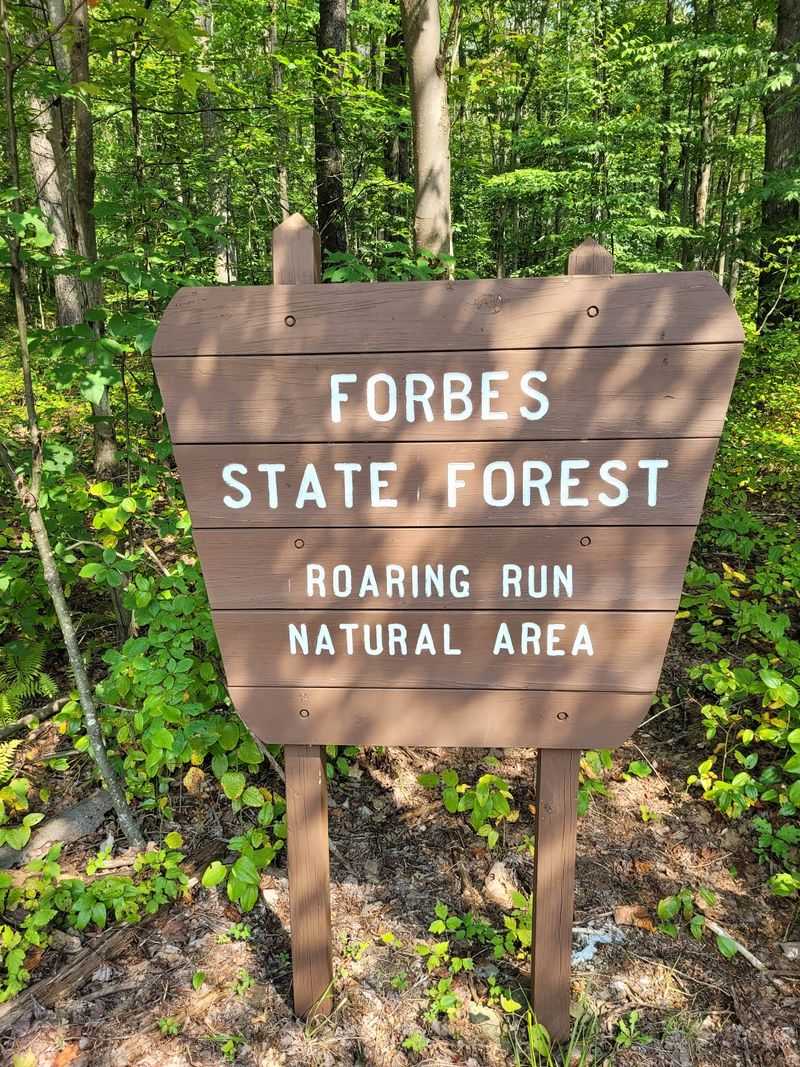
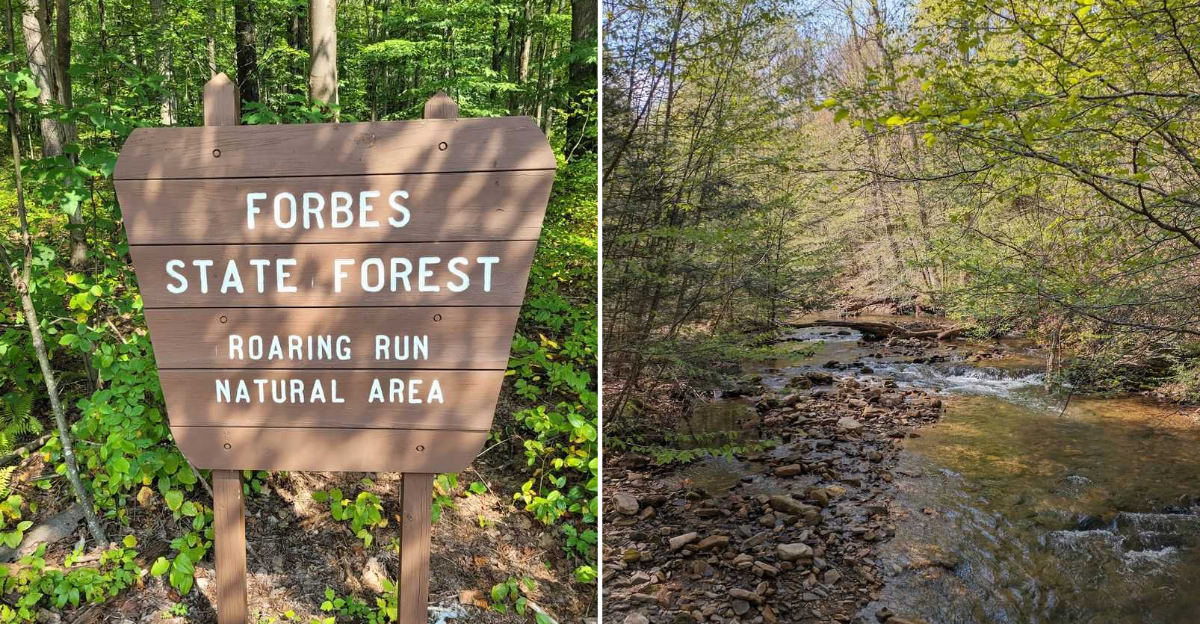
Roaring Run Natural Area might be the best-kept secret in Forbes State Forest.
A pristine mountain stream cuts through 3,593 acres of varied hardwood forest, and the whole place hums with a kind of wild energy that is hard to describe without sounding dramatic. But it really is that good.
Painter’s Rock is the headline attraction for views. The overlook delivers sweeping vistas across ridges and valleys, making the hike absolutely worth every uphill step.
On clear days, the panorama stretches farther than you expect.
Timber rattlesnakes are known inhabitants of this wild expanse. The mix of rocky outcrops, open ridges, and dense forest creates ideal conditions for them.
Knowing they are around adds a layer of alertness to the hike that actually sharpens the whole experience.
The stream itself is beautiful and cold, fed by natural springs and seasonal runoff. Aquatic life thrives in the clear water, and the forest canopy keeps temperatures comfortable even on warm summer days.
It genuinely feels like a backcountry experience without requiring a major expedition.
Champion is a small community, and Roaring Run sits nearby without much fanfare or signage. Finding it takes a little effort, but that is part of the charm.
Visitors who make the trip consistently leave with stories worth telling.
7. Frank E Masland Natural Area
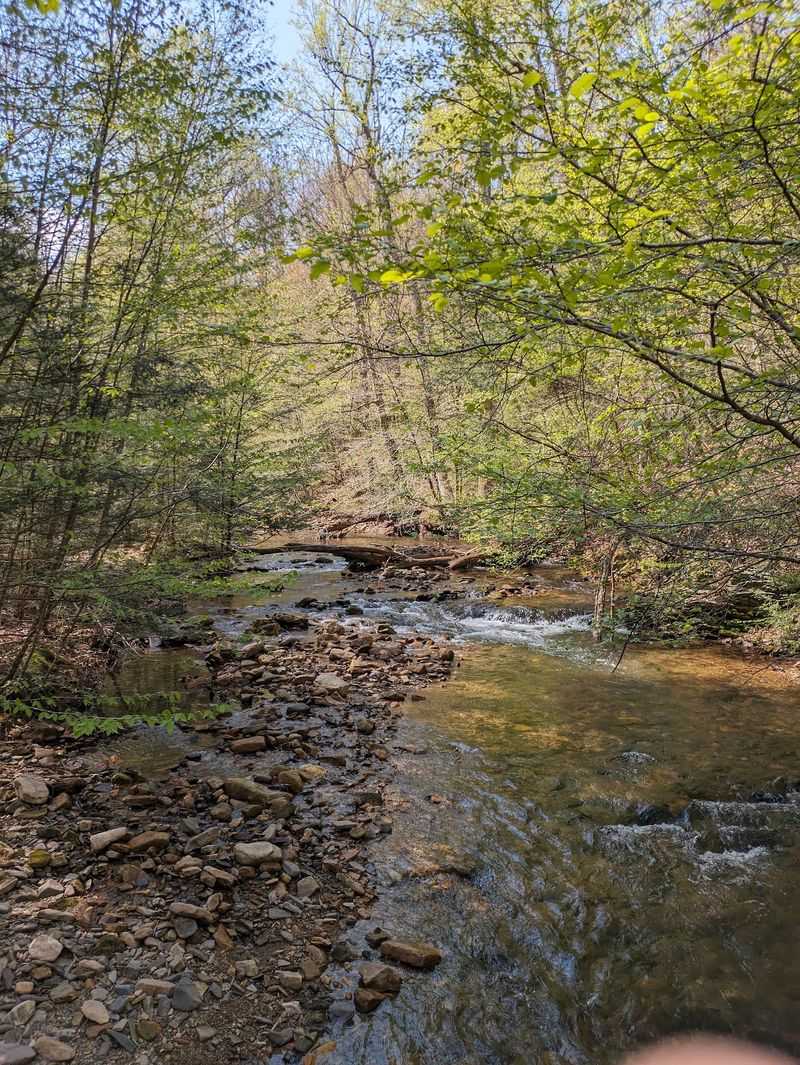
Frank E. Masland Natural Area has a comeback story worth knowing.
The forest here was severely affected by a gypsy moth infestation, and what you see today is a resilient woodland that is regenerating and reclaiming its former character. Nature is stubborn in the best possible way.
Covering 1,270 acres in Tuscarora State Forest, the area protects branches of North Laurel Run. The stream system supports diverse plant and animal communities throughout its length.
Exploring the primitive trail network here means experiencing a forest in active recovery, which is genuinely fascinating.
Timber rattlesnakes are officially recorded in this special protection zone for reptiles. The designation means wildlife here receives an extra layer of legal care.
Visitors are expected to respect that protection and keep disturbance to an absolute minimum.
The primitive trail system is exactly what it sounds like. Do not expect paved paths or interpretive signs every hundred yards.
This is a place for people who enjoy navigation, quiet, and the honest challenge of undeveloped terrain.
Toboyne Township in Perry County is not on most tourist itineraries, and that works entirely in Masland’s favor. The solitude here is genuine and consistent.
Wildlife sightings are frequent simply because the area sees so few human visitors on any given day.
8. Forrest H. Dutlinger Natural Area
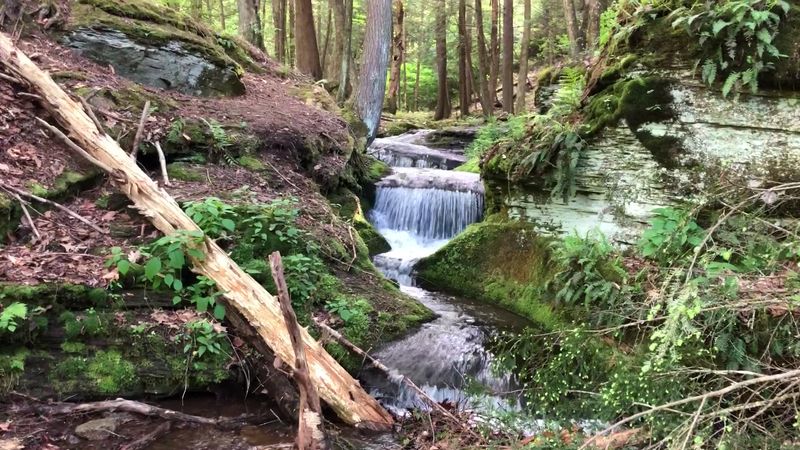
Standing among trees that are nearly 400 years old has a way of recalibrating your sense of time entirely. Forrest H.
Dutlinger Natural Area protects 158 acres of ancient hemlocks in Susquehannock State Forest, and some of those trees were already mature when the first European settlers arrived in Pennsylvania. That is not a small thing.
The old-growth character of this forest sets it apart from almost every other natural area in the state. Massive hemlock trunks rise from a forest floor carpeted in ferns and mosses.
The canopy overhead creates a dim, cathedral-like atmosphere that stops most visitors in their tracks.
Timber rattlesnakes are found throughout this majestic place, and the area carries formal designation as a reptile and amphibian protection zone. The combination of ancient forest and protected wildlife makes Dutlinger one of the most ecologically significant spots in the entire region.
Visiting here carries a quiet responsibility.
Clinton County and the surrounding Susquehannock forest region are known for rugged, remote terrain. Getting to Dutlinger requires some commitment in terms of driving distance and road conditions.
That commitment filters out casual visitors and keeps the forest genuinely undisturbed.
If you have ever wanted to experience Pennsylvania at its most primeval and untouched, this is the place to make that happen. Bring patience, bring respect, and bring good boots.
The trees have been here for centuries and plan to stay that way.