
10 South Carolina Beaches And Back Bays Travelers Should Watch For Jellyfish Alerts This Summer
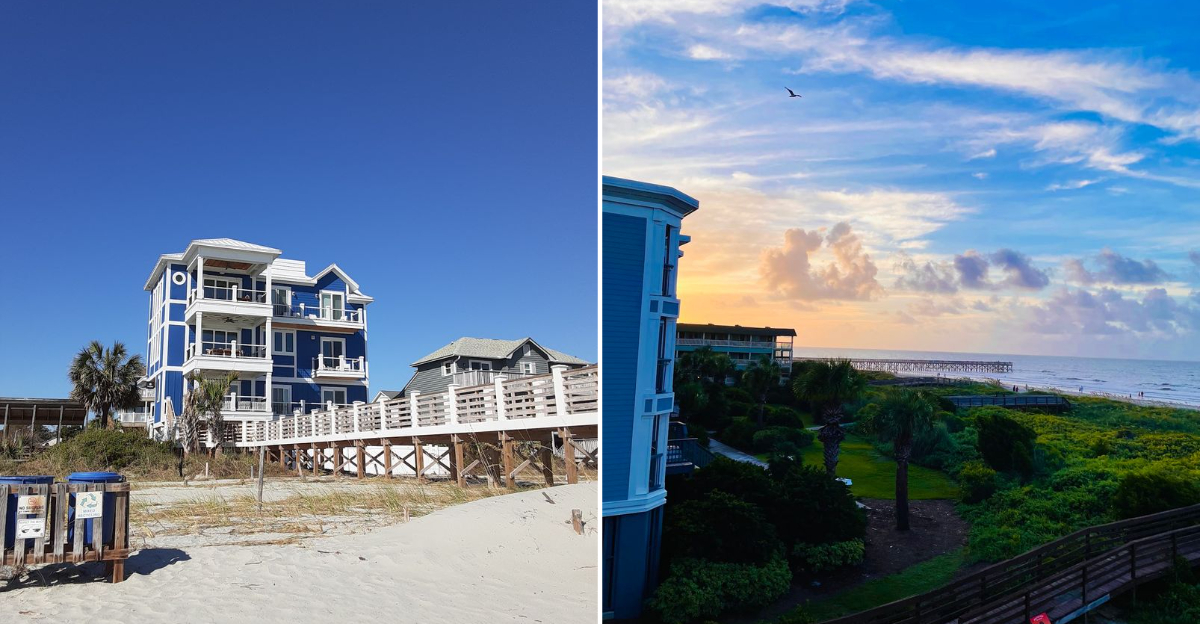
If your only experience with jellyfish has been through SpongeBob, these South Carolina beaches will change that. You’ll get the chance to see the real thing up close this summer.
Officials tracked increased jellyfish activity across these specific coastal areas compared to previous seasons. Warmer water temperatures likely contributed, creating conditions jellyfish tend to thrive in during peak summer months.
Back bays see their own spike too, sometimes catching swimmers off guard in calmer, shallower water. Lifeguards post alerts when sightings increase, though conditions can shift quickly throughout a single day.
Swimmers report more frequent encounters this year, prompting closer monitoring at several public beach access points. These locations remain worth checking before heading out, especially during the warmest stretches of summer.
1. Myrtle Beach
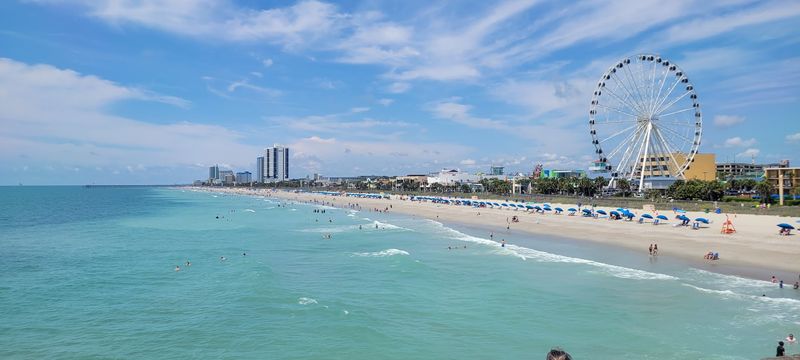
Millions of people flock to Myrtle Beach every summer, and honestly, who can blame them? Miles of warm sand, great weather, and nonstop energy make this place legendary along the Grand Strand.
Cannonball jellyfish are the most common visitors here. Locals call them “jelly balls,” and they usually cause only mild itching if you brush against one.
Sea nettles also show up during summer months. Their sting is a bit more unpleasant, so keep your eyes open when you wade in.
Strong currents can push jellyfish closer to shore fast. Police have issued warnings when large numbers wash up near areas like 66th to 72nd North Ocean Boulevard.
Blue flags on the beach mean dangerous marine life is nearby. Never ignore those flags, even if the water looks perfectly calm.
Jellyfish on the sand can still sting you. That soggy blob baking in the sun is not as harmless as it looks.
Water quality is monitored from May through October. Stay updated with local beach patrol reports before heading into the surf.
2. North Myrtle Beach
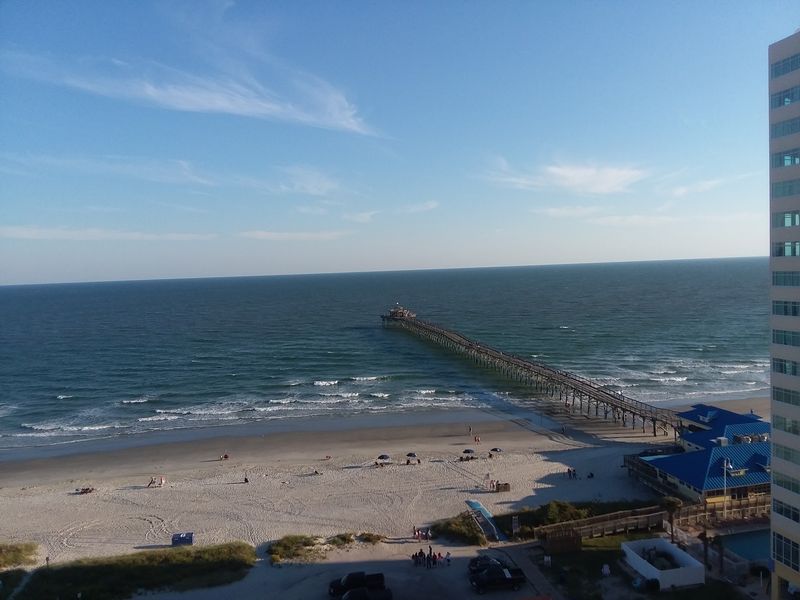
North Myrtle Beach has a slightly quieter vibe than its famous neighbor, but the jellyfish situation is just as real. Cannonball jellyfish show up here regularly, sometimes in surprisingly large numbers.
Most of the time, their sting just causes mild skin irritation. You might feel a little tingle, but nothing that should ruin your whole afternoon at the beach.
What does raise eyebrows is the occasional Portuguese Man o’ War sighting. That one is not a jellyfish at all, but it stings like one on a very bad day.
Cherry Grove Pier is a popular spot where water quality is closely observed. Locals and lifeguards keep a close eye on conditions near the pier during peak season.
Water quality advisories are posted when conditions change. Checking those updates before swimming is always a smart move, especially in July and August.
The back bay areas here also see jellyfish activity. Calm, warm water in the inlets creates ideal conditions for jellyfish to gather.
If you spot a purple flag flying on the beach, take it seriously. That flag means stinging marine life has been reported in the water nearby.
3. Surfside Beach
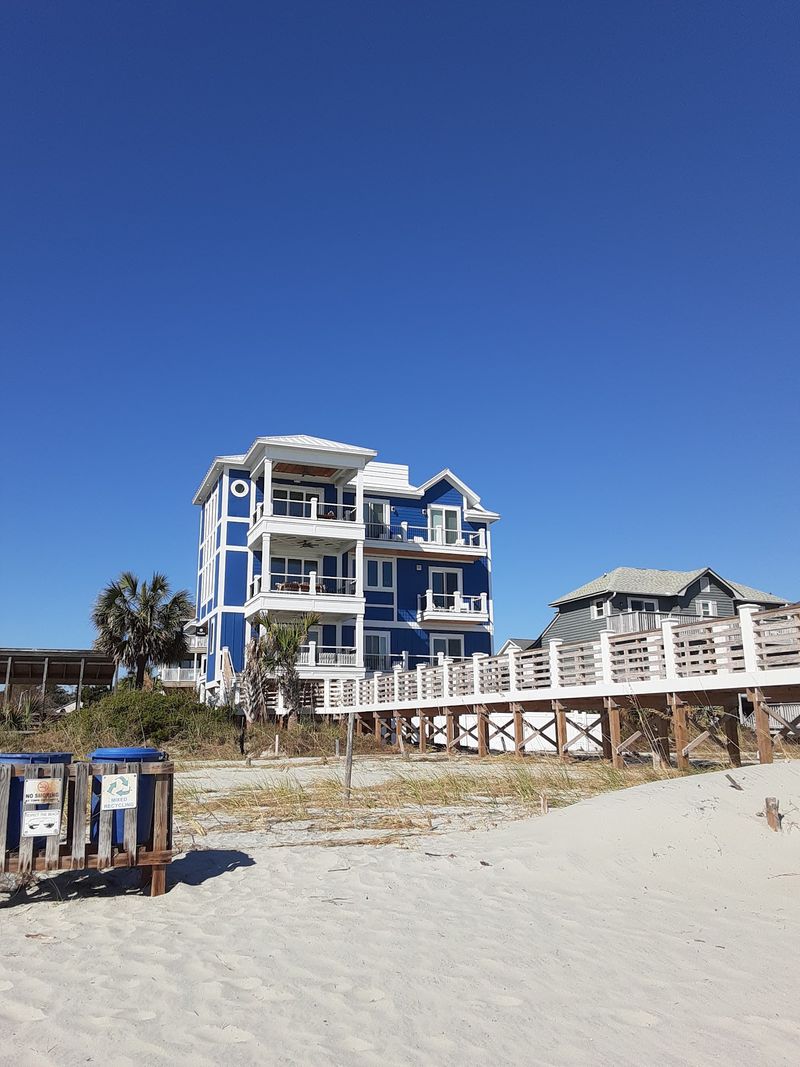
This spot proudly calls itself “The Family Beach,” and it really earns that name. It was also recognized as the world’s first autism-friendly travel destination, which makes it extra special for visitors of all kinds.
Moon jellyfish and cannonball jellyfish are the most common species spotted here. Their stings are typically mild, causing minor discomfort that usually fades quickly.
Sea nettles are a different story. They pack a more painful sting, and brushing against one can ruin your afternoon if you are not paying attention.
Portuguese Man-o-War tend to appear between November and April. Strong easterly winds can push these highly venomous creatures right onto the sand without much warning.
Purple flags signal dangerous marine life in the water. Always scan the flagpoles before you run into the surf, especially if winds have been strong overnight.
Even with jellyfish around, Surfside Beach has plenty to offer. There is a fishing pier, a water park, and mini-golf to keep everyone busy on land.
Swimming, surfing, and birdwatching are also popular activities here. The two miles of pristine beach give you plenty of room to spread out and enjoy the day.
4. Garden City Beach
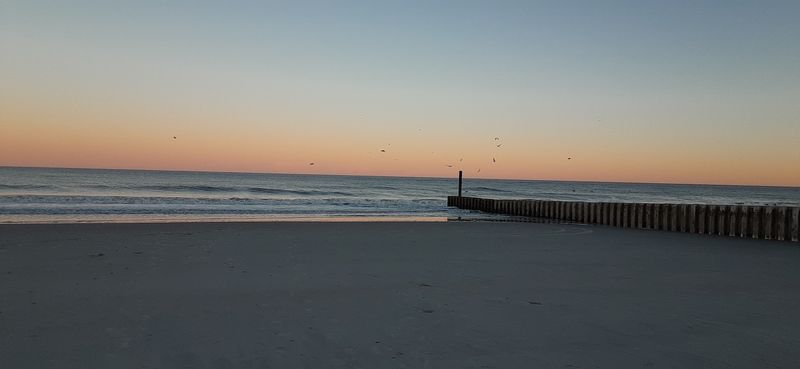
Garden City Beach sits just south of Surfside Beach and carries a wonderfully laid-back coastal personality. Fishing, crabbing, and exploring tidal creeks are everyday activities for people who visit regularly.
The Pier at Garden City is a favorite gathering spot for fishing fans and live music lovers alike. On a warm summer evening, it is one of the most lively places on this stretch of coast.
Where the inlet meets the ocean, conditions get interesting for jellyfish. Warm, calm water near the inlet creates a perfect environment for jellyfish to gather and drift.
Locals and dolphin watch tour guides have reported seeing large numbers of jellyfish in the area. Passengers on those tours sometimes spot jellyfish floating just below the surface in big clusters.
Reports of jellyfish washing ashore have come in due to changing water conditions. It is the kind of thing that can happen fast, especially after a shift in currents or wind direction.
Crabbing in the tidal creeks here is fantastic, but stay aware of what else might be floating nearby. Jellyfish can drift into shallow creek areas too, not just the open ocean.
The MarshWalk at Murrells Inlet is just a short drive away if you need a break from the water.
5. Murrells Inlet
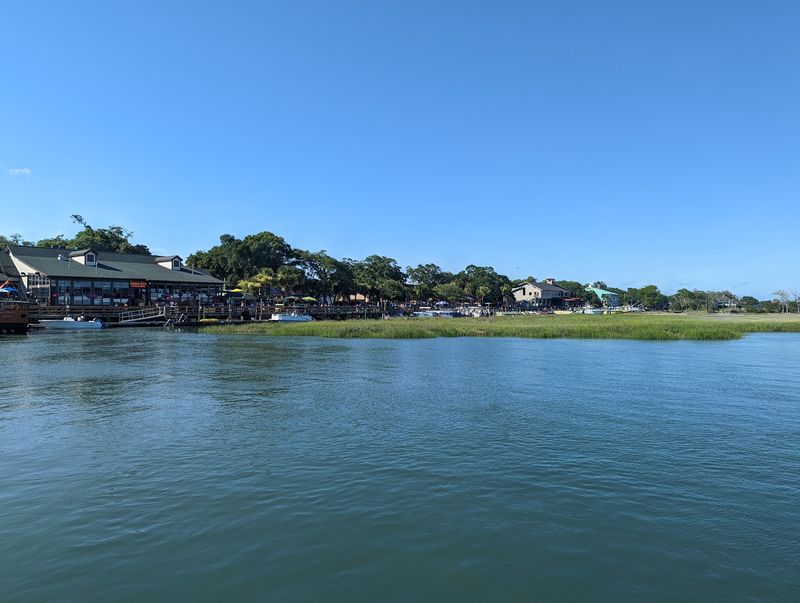
Murrells Inlet is known as the Seafood Capital of South Carolina, and it absolutely lives up to that reputation. Fresh catch, incredible waterfront views, and a historic fishing village atmosphere make this place unforgettable.
The MarshWalk is a half-mile boardwalk winding along the water’s edge. From there, you get stunning views of the salt marshes, and you can spot all kinds of wildlife without even getting your feet wet.
The salt marshes here are bursting with life. Migratory birds, marine mammals, and various fish species call these warm, nutrient-rich waters home throughout the season.
Large invasive Australian spotted jellyfish have been reported in the area. These creatures are not native to South Carolina and can appear in startling numbers when water conditions are just right.
Sea nettle stings have also been reported during summer months. The back bay and inlet areas provide the warm, calm water that sea nettles prefer when they are actively feeding.
Huntington Beach State Park and Brookgreen Gardens are both nearby for when you want to explore beyond the water. Both are worth a visit if you have an extra afternoon to spare.
Keep an eye on local marine reports before kayaking or paddleboarding in the inlet. Jellyfish can congregate in calm waters with little warning during peak summer heat.
6. Folly Beach
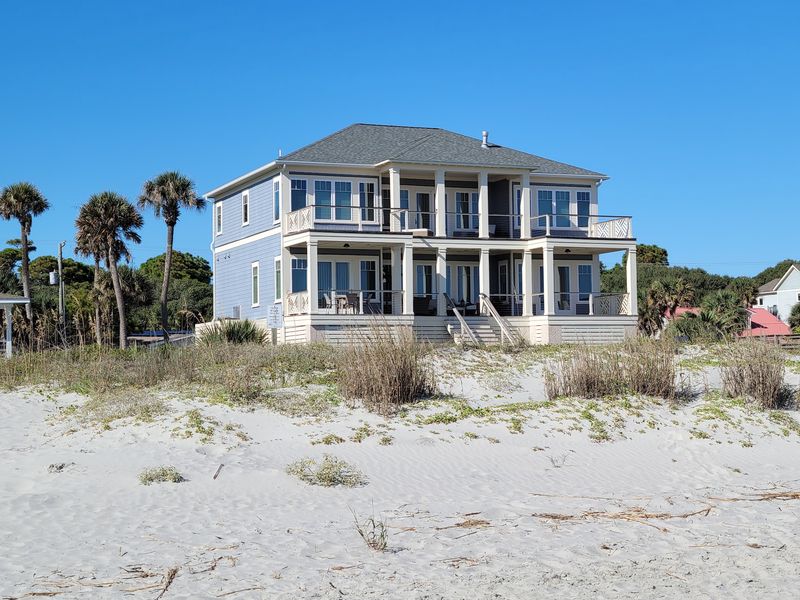
A place like this is Charleston’s go-to escape for surfers and beach lovers who prefer a laid-back, salty vibe. The energy here is fun, a little rebellious, and completely addictive once you experience it.
The Folly Beach Pier stretches over 1,000 feet into the Atlantic Ocean. Standing at the end of it gives you a spectacular view of the coast and a great chance to spot what is floating below.
July and August are when jellyfish sting reports really start climbing here. Wind and strong currents push cannonball jellyfish, moon jellies, and sea nettles much closer to the shoreline during those months.
Sea nettles can deliver a painful sting, though most jellyfish encountered here are relatively harmless. Still, knowing the difference between species could really save your skin, literally.
Sea wasps and Portuguese Man o’ War are the ones to watch for most carefully. Both can cause severe reactions, and neither one gives you much of a warning before contact.
“The Washout” is a legendary surf spot on the island’s west end. Surfers love it, but jellyfish love the same warm, churning water conditions that create good waves.
Check the flag system at the beach access points every single morning. Conditions at Folly Beach can shift quickly, especially when offshore storms push currents toward the coast.
Folly Beach located in Charleston County along East Ashley Avenue.
7. Sullivan’s Island
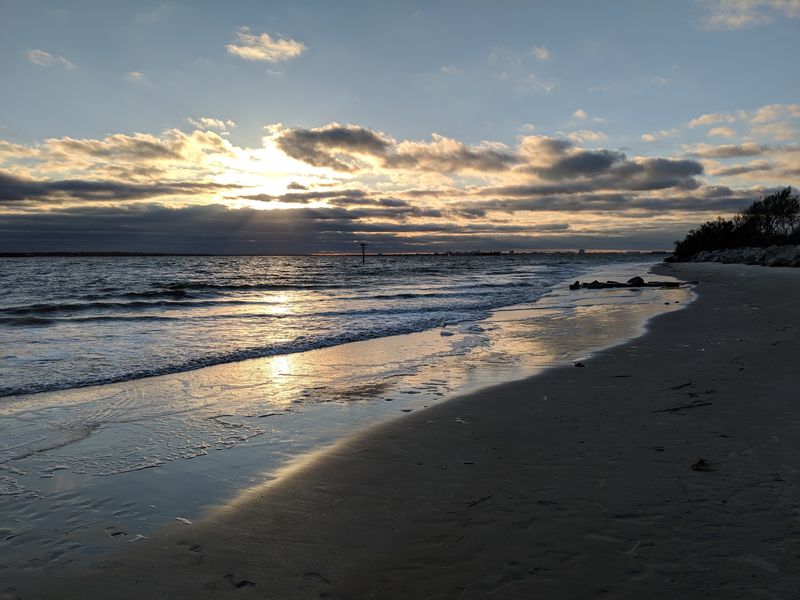
Sullivan’s Island has a different personality than most South Carolina beaches. Historic, quiet, and beautifully maintained, it feels like a place that takes its coastal environment seriously.
The Sullivan’s Island Nature Trail winds through a stunning maritime forest. It connects the Charleston Light to Fort Moultrie and gives hikers a real sense of the island’s layered history.
Out in the ocean, jellyfish, Portuguese Man-o-War, and stingrays are all present during summer. Wind direction and shifting currents play a big role in how close they drift toward swimmers on any given day.
Sea nettles and jellyballs are frequently reported here during the warmest months. Locals know to scan the water before wading in, and visitors should adopt the same habit quickly.
Breach Inlet, sitting between Sullivan’s Island and Isle of Palms, is a favorite dolphin-watching spot. It is gorgeous, but the currents there are strong, and the water conditions change rapidly.
Jellyfish tend to gather near areas with calmer water on the island’s back bay side. If you are kayaking or paddleboarding in those areas, keep your hands inside the board.
The historic architecture on the island is worth exploring between beach sessions. Fort Moultrie alone tells a story that stretches back to the American Revolution.
8. Isle Of Palms
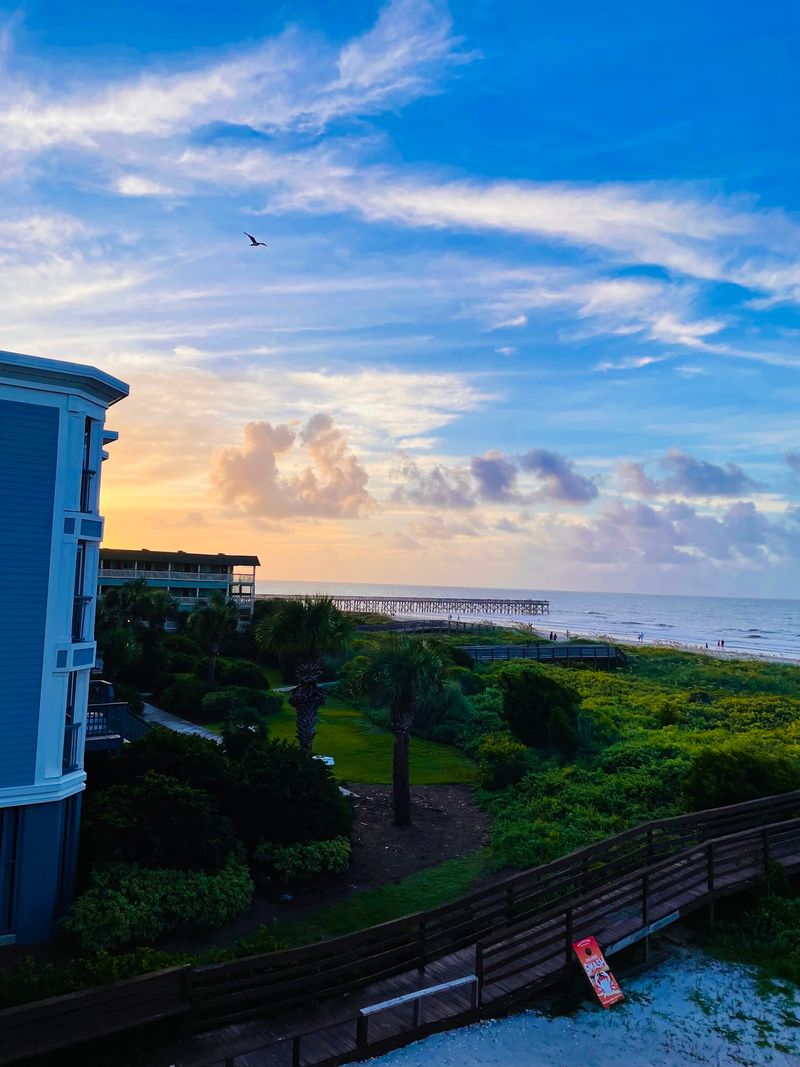
Isle of Palms is the kind of barrier island that immediately makes you exhale and slow down. Wide sandy beaches, calm water, and a polished yet relaxed atmosphere make it a top pick for families every summer.
Isle of Palms County Park has lifeguarded swimming areas, which is a huge comfort when jellyfish season is in full swing. Having trained eyes watching the water makes a real difference.
Cannonball jellyfish are found here year-round, not just in summer. They are the most common species encountered, and while their sting is mild, running into a cluster of them is still a surprise.
July brings the highest water temperatures of the year, and that is when jellyfish reproduction peaks. High numbers of sting reports follow shortly after, usually hitting their peak in late July and August.
Portuguese Man o’ War sightings have also been confirmed at Isle of Palms. Unlike cannonballs, these are genuinely dangerous and should be avoided at all costs, in or out of the water.
The marina here offers boat rentals and eco-tours that give you a fascinating look at the local marine ecosystem. Some tours even point out jellyfish species as part of the educational experience.
Always check local beach reports and flag conditions before swimming. Jellyfish activity here can spike fast when offshore winds shift direction.
9. Hilton Head Island
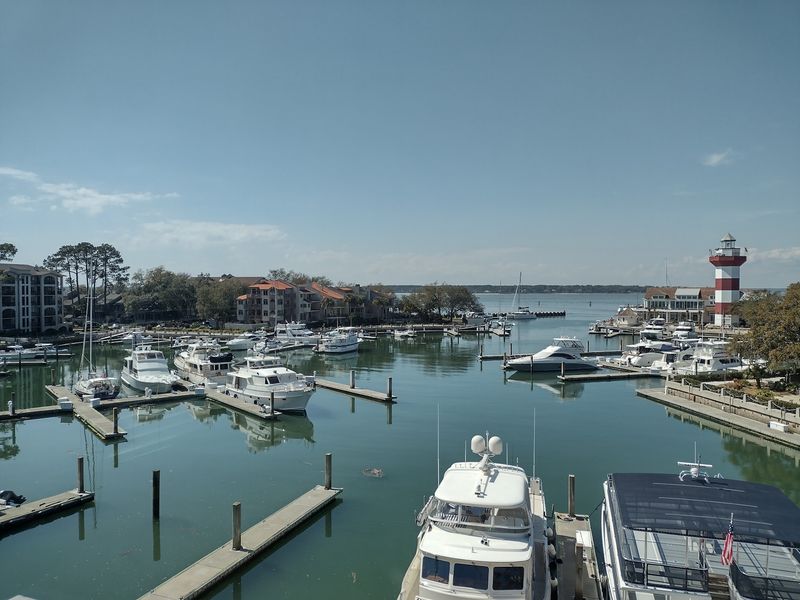
This spot is famous for beautiful beaches and calm, warm waters that stretch for miles. It was planned as an eco-friendly community from the very beginning, and that commitment to nature is visible everywhere you look.
Jellyfish activity starts picking up in late spring and really accelerates through the summer. Peak sightings happen in July and August, right when the most visitors are on the beach.
Cannonball jellyfish are the most common species encountered here. Their stings are mild and usually cause only temporary discomfort, but they can still startle you if you are not expecting them.
Sea nettles arrive in late summer and bring a more moderate sting with them. They tend to appear in back bay areas and calmer inlet waters where the temperature is highest.
Portuguese Man o’ War can show up too, and their stings are genuinely severe. Purple flags on the beach serve as the official warning when stinging marine life is present in the area.
Sea Pines Forest Preserve offers hundreds of acres of wilderness for those who want to explore away from the water. It is a great option on days when jellyfish flags are flying.
Hilton Head’s beach patrol and environmental monitoring programs are among the most active in the state. Staying connected to their daily updates is a smart habit all summer long.
10. Pawleys Island
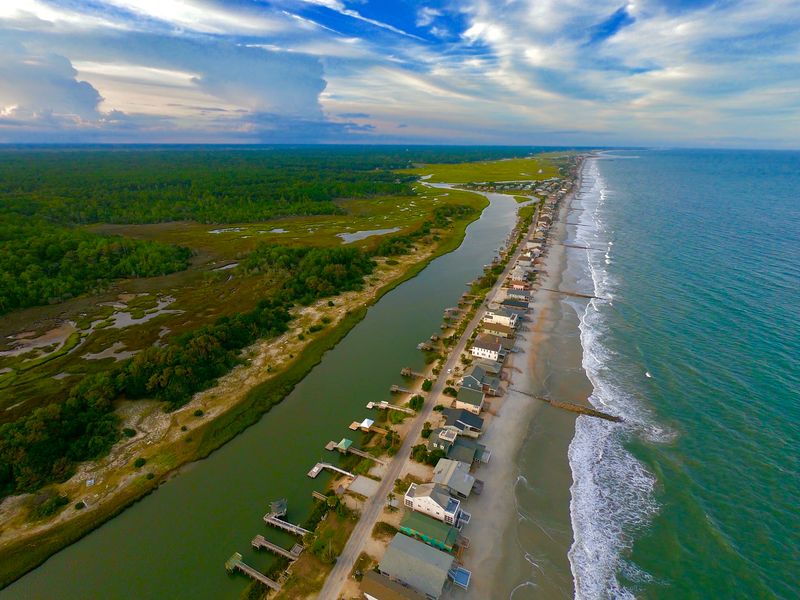
Pawleys Island has been named South Carolina’s Best Beach, and spending even one afternoon there makes it easy to understand why. Uncrowded shores, historic charm, and a genuinely relaxed pace set it apart from busier spots up the coast.
The island is separated from the mainland by a salt marsh, giving it a naturally protected and scenic quality. Kayaking through that marsh is one of the best low-key adventures you can have here.
Moon jellyfish are the most common species found in the waters around Pawleys Island. They cause only mild irritation, but their numbers can grow noticeably as water temperatures climb through August.
The Pink Meanie jellyfish has also been spotted here, and that one deserves extra respect. It is best to avoid contact entirely if you see one floating nearby in the water.
August tends to be the busiest month for jellyfish activity around the island. Warm currents and calm water conditions create an environment where jellyfish populations thrive and multiply.
Fishing, biking, and nature walks are all popular ways to enjoy the island when the water gets crowded with jellies. There is always something worth doing on land here if the ocean is not cooperating.
The salt marsh surrounding the island also sees jellyfish drifting in during high tide. Stay alert when paddling or wading in those quieter back bay channels.