
The Hidden Virginia Mountain Town Offering An Affordable Lifestyle For Around $1,200 A Month
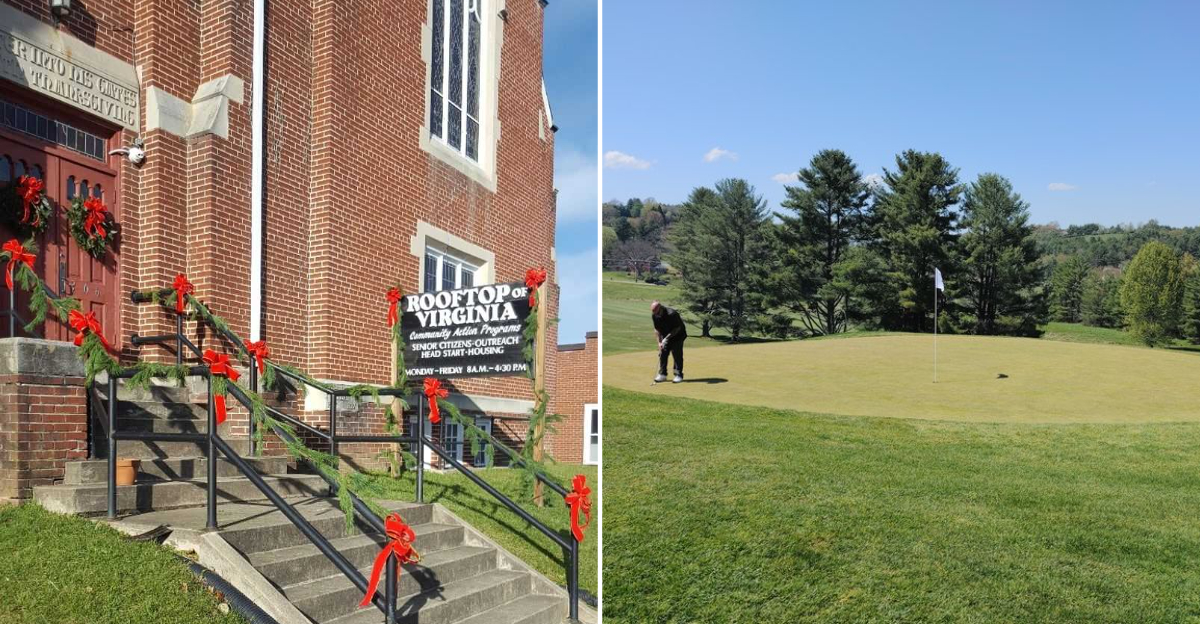
Quieter, more affordable places have become increasingly sought after. And it makes sense, especially after living somewhere that never leaves you a moment to stop and actually enjoy life.
This Virginia mountain town offers exactly that kind of lifestyle without the financial strain bigger cities tend to bring. Rent here still leaves room for groceries and everyday expenses without much creative budgeting required.
Locals talk about the cost of living the way people elsewhere talk about winning a small lottery. Mountain views stay just as scenic as pricier towns nearby, minus the price tag attached to them.
Coffee shops and diners charge what feels fair, not inflated to match rising costs elsewhere. This town quietly proves that affordable and beautiful still go hand in hand.
Cost Effective Housing Options In Mountain Regions
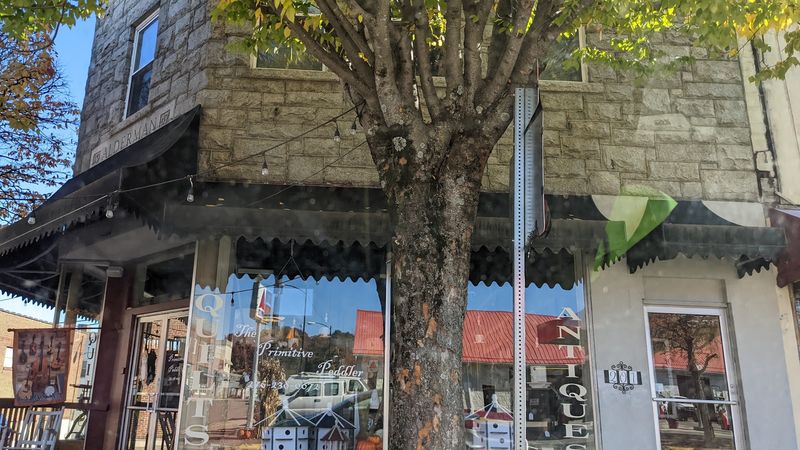
Housing here is the headline, plain and simple. Median home values sit well below national norms, which is the sort of number that makes people from bigger metros read it twice.
Rentals across all property types average at accessible price points, and plenty of listings land within a range that makes the affordable lifestyle idea hold up instead of being wishful thinking.
The overall cost of living runs noticeably below the national average, and housing specifically drops even further under that benchmark. That gap is where the real breathing room comes from.
Income-based options exist too. Northway Apartments and Harmony Village both offer affordable rents with eligibility guidelines, giving retirees and working families a path that does not depend on a big down payment.
The housing stock leans toward older single-family homes with porches, some brick ranches, and modest yards backing up to tree lines. Nothing flashy, which is part of the charm.
Utilities stay reasonable as well, with monthly bills remaining predictable. That consistency matters when budgeting tightly.
Yards big enough for a garden are common, and the growing season stretches from early May into mid-October. For anyone who has ever paid extra for a balcony, that trade sounds pretty great.
Local Employment Opportunities Within Mountain Towns
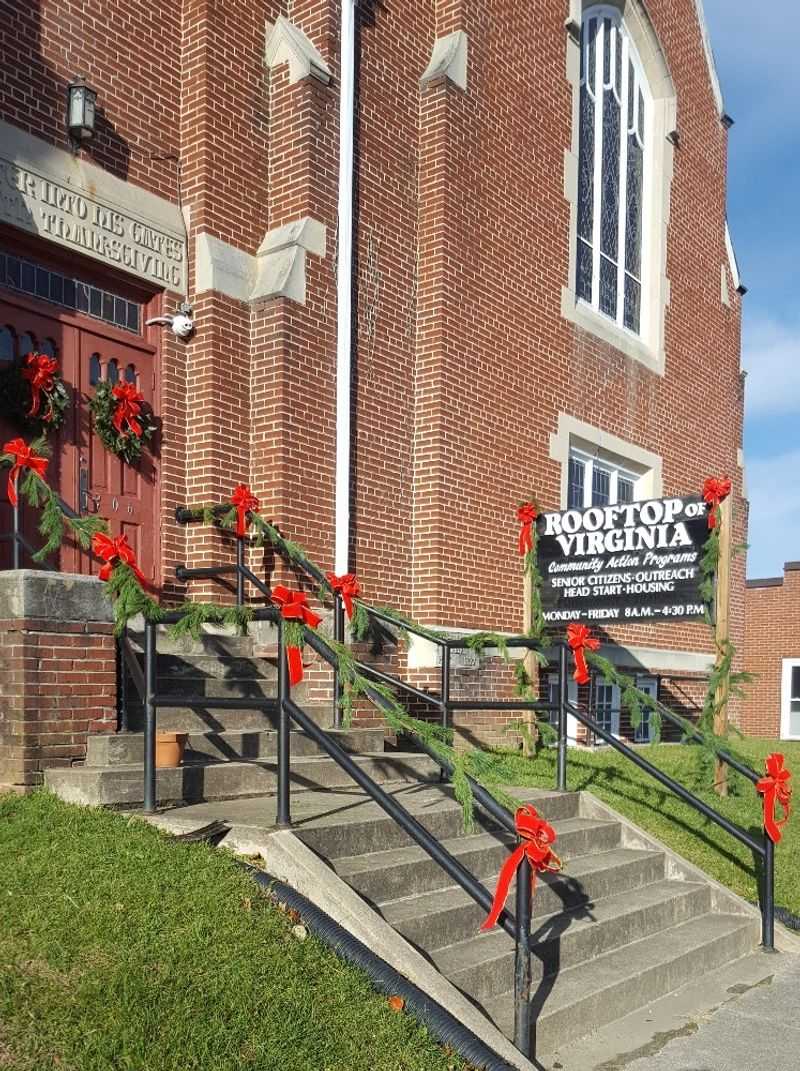
With roughly 6,700 residents, this is not a city where you scroll through thousands of job postings. The local market typically lists around 549 openings spread across 29 industries, which is small but surprisingly varied.
Healthcare carries real weight. Twin County Regional Healthcare employs a good chunk of the workforce, hiring licensed practical nurses, respiratory therapists, pharmacists, and medical assistants.
City government and the public schools round out the steady, benefits-included side of things. Those jobs turn over slowly, so patience helps.
Retail and service work fills in the rest, with Walmart acting as a major anchor alongside smaller shops and cafes. Cashiers, retail associates, baristas, and administrative assistants show up regularly in listings.
Manufacturing still matters in a way it does not in many small towns. The regional wood products and furniture industries provide production and assembly positions, a nod to the area’s long history of building things out of Appalachian hardwood.
Remote workers deserve a mention here as well. When housing costs run nearly 40% below the national average, a modest salary from anywhere stretches remarkably far.
The practical strategy is to line up work before moving, or bring a job with you. Small-town economies reward people who plan rather than showing up hoping something appears next Tuesday.
Community Events And Cultural Activities In The Mountains
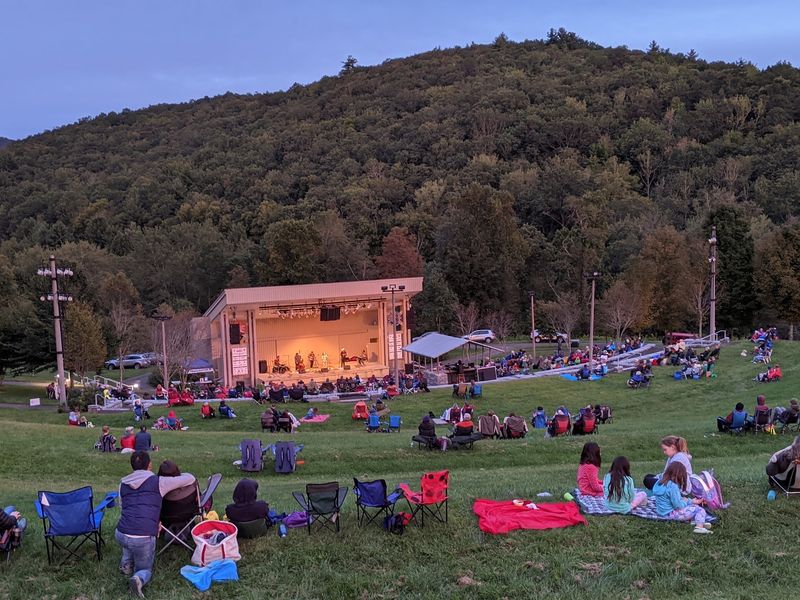
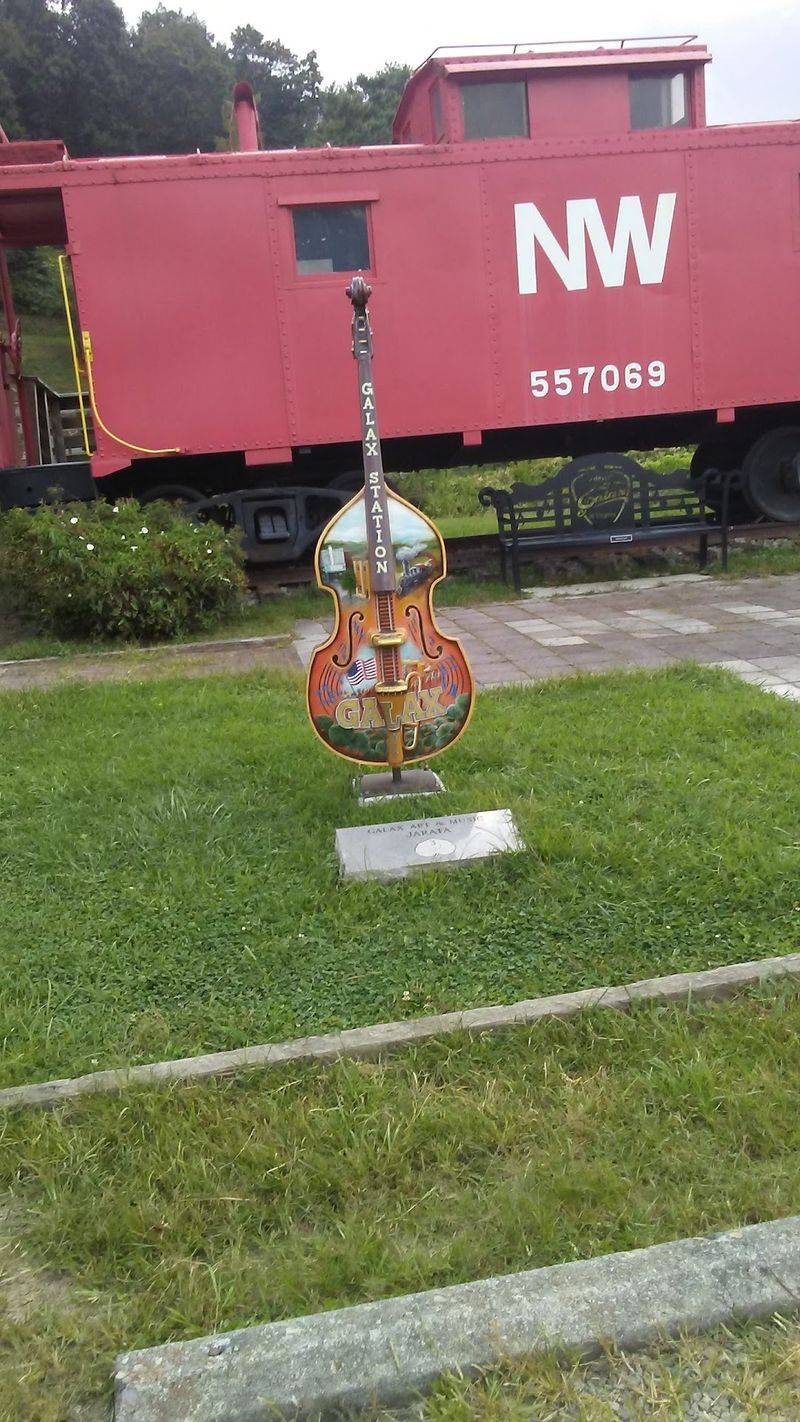
Here is the fact that puts this town on the map: it hosts the Galax Old Fiddler’s Convention, the oldest and largest fiddlers’ convention in the world. That is not a regional brag; that is a global title.
Every year during the first full week of August, Felts Park fills with old-time and bluegrass players for a full week of competitions, workshops, and jam sessions that spill into campsites long after the stage goes quiet.
The music calendar does not stop there. The Earl Scruggs Music Festival, HoustonFest, and the Big Block Party keep things going, while the Blue Ridge Music Center stages performances through the year.
Summer brings the Galax Fireman’s Carnival and Demolition Derby in mid-July, which is exactly as loud and entertaining as it sounds. Late July hosts the Smoke on the Mountain Barbecue Championship.
From May through October, the Galax Cruise In Car Show pairs up with the Farmers Market once a month. Live music, food, polished chrome, and kids running between vendor tables.
December closes the year with the Old Time Appalachian Christmas Festival, leaning into fiddle tunes and mountain traditions instead of mall carols.
For a city this size, the cultural output is genuinely lopsided in the best possible way. Entertainment costs stay low when the town supplies most of it.
Accessibility To Essential Services And Amenities
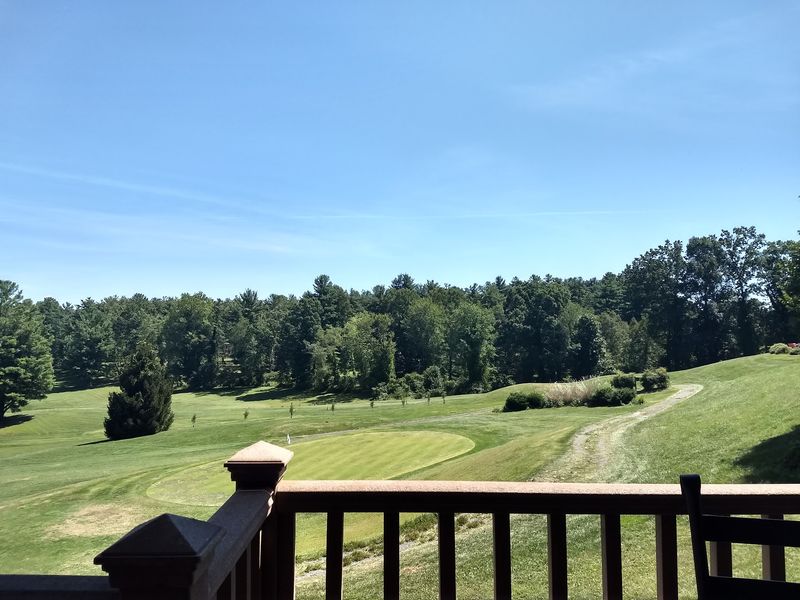
A common worry about small mountain towns is that anything serious means a long drive. That concern mostly dissolves here.
Twin County Regional Healthcare operates a 141-bed facility right in town, covering acute care, ambulatory care, and emergency services. Its specialty lineup includes cardiology, orthopedics, women’s health, behavioral health, and stroke care.
Carilion Clinic Family and Internal Medicine runs a local office for everyday checkups and ongoing prescriptions. Several additional regional hospitals sit within a 15 to 22 mile radius, so second opinions do not require an expedition.
Grocery shopping offers more choice than the population would suggest. Food City, Walmart, Horton’s, Grant’s IGA, Main Street Produce, and Dollar General offer everything you need.
Main Street Produce is worth calling out for anyone who likes local vegetables without farmers market hours limiting the schedule.
Utility costs stay steady and predictable. Electricity averages 13.4 cents per kilowatt-hour, with typical monthly bills near $121, which fits neatly into a tight budget.
Pharmacies, banks, hardware stores, and mechanics operate in the same compact downtown core. Errands that take two hours in a sprawling suburb often take thirty minutes here.
That efficiency is an underrated part of affordable living. Less driving, less waiting, less money spent circling parking lots.
Convenience adds up quietly over a year.
Outdoor Recreational Activities Unique To Mountain Areas
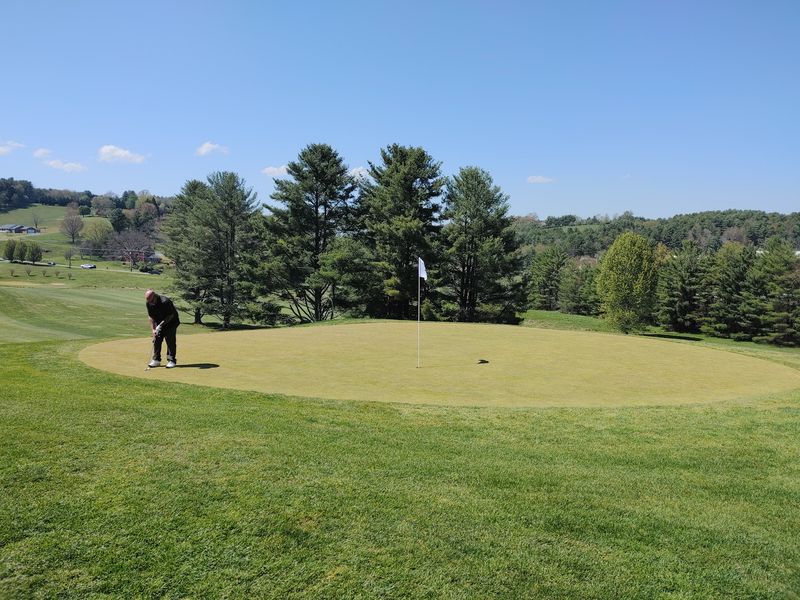
Imagine a park that is 57 miles long and only a few yards wide. New River Trail State Park works exactly that way, built on an abandoned railroad right-of-way.
The trail runs beside the New River for 39 of those miles, staying flat and easy because trains never liked steep grades either. Walkers, cyclists, and horseback riders all share it.
Old trestles and tunnels break up the ride, which turns a simple bike outing into something closer to industrial archaeology with better scenery.
Primitive campsites at spots like Cliffview let people stretch a day trip into an overnight without booking anything expensive. Foster Falls provides canoe and bike rentals plus boat launches for anyone arriving empty-handed.
The river itself pulls in anglers and tubers all summer. Floating slowly downstream on a hot July afternoon is basically the regional pastime.
Mountain bikers looking for actual climbing and technical lines head to the Hoover Mountain Biking Area, where the terrain stops being polite.
Here is the budget angle: outdoor recreation this good costs almost nothing. A trail pass, a bike, and a fishing license replace gym memberships and weekend entertainment expenses.
Fun detail worth knowing: the rail line that became this trail once hauled iron and timber out of these hills. Now it hauls families on bicycles instead.
Climate And Environmental Benefits Of Mountain Living
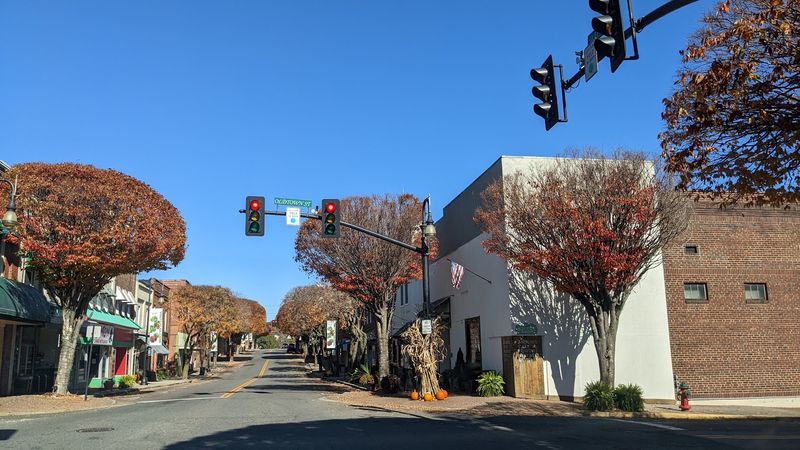
Four real seasons, none of them extreme enough to ruin your year. That is the short version of the weather report.
July highs average 81 to 82 degrees, warm but nowhere near the swampy misery of the Virginia coast. Muggy stretches do happen, so a fan earns its keep.
January lows sit around 23 to 28 degrees, cold enough for frost patterns on windows and genuinely satisfying sweater weather. Snowfall totals about 16 inches a year, mostly landing in February.
Rain spreads fairly evenly across the calendar, with annual totals between 45.9 and 47 inches. Nothing arrives as one dramatic monsoon season, which keeps gardens and creeks in decent shape.
The growing season stretches from early May through mid-October. That window handles tomatoes, beans, squash, and enough fall greens to keep a kitchen busy.
Elevation does the heavy lifting on air quality. Sitting inside the Blue Ridge Mountains among hardwood forests and rolling pastures means cooler nights and cleaner air than lowland cities get.
Fall is the showoff season, when the hardwoods turn every ridge into a color chart. Spring brings dogwood and redbud along the roadsides.
Lower cooling bills come with the territory too. Mountain summers simply demand less air conditioning, and that shows up on the monthly statement.
Educational Resources And Institutions Nearby
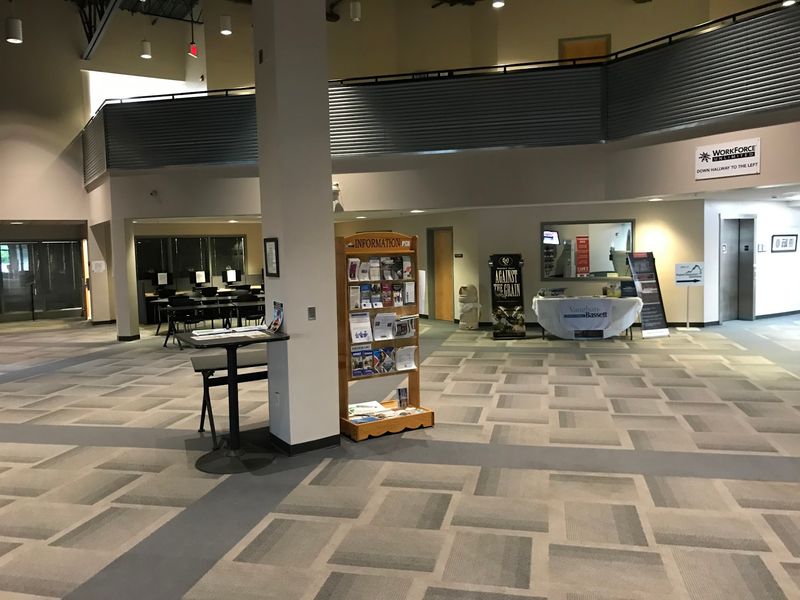
Families weighing a move usually check schools before anything else, and the numbers here hold up nicely. Galax City Public Schools is rated above average and serves PK through 12.
The district runs three schools: Galax Elementary for PK-5, Galax Middle for grades 6-8, and Galax High for 9-12. Total enrollment sits at 1,434 students with a 14-to-1 student-teacher ratio.
Galax High posts a 92.8% four-year graduation rate, which is strong for a district of any size. Small classes and teachers who know every family probably help.
Extracurriculars cover more ground than expected. Athletics, band, chorus, and career and technical education programs give students options beyond the standard academic track.
Higher education stays close by too. Wytheville Community College operates a campus at the Crossroads Institute right in town, offering associate degrees, diplomas, and certificates.
Those programs are split between university transfer pathways and occupational-technical fields like healthcare and information technology. Health professions training connects directly to jobs at the local hospital.
Surry Community College and New River Community College are both within a reasonable driving distance for anyone wanting different program options.
The affordability angle matters here as well. Starting at a community college while living in a low-cost town is one of the smartest financial moves a student can make.
Transport Infrastructure And Connectivity In Mountain Areas
Let’s be honest about one thing: this is a car town. The walk score is a blunt 0 out of 100, so a reliable vehicle is not optional.
US-58 and US-221 handle the main connections, threading through the mountains toward larger cities. Roanoke sits about 82 miles northeast, and Winston-Salem, North Carolina, is 68 miles southeast.
Those distances put real shopping, concerts, and specialists within a manageable day trip. Far enough for quiet, close enough for convenience.
Aviation options are more plentiful than the population suggests. Twin County Airport, a general aviation field located in nearby Hillsville, serves the city and surrounding counties.
For commercial flights, Mercer County Airport in West Virginia is the nearest medium-sized option at roughly 46.6 miles north, about a 1 hour and 35 minute drive.
The nearest major hub is Charlotte Douglas International, around 100 miles south and about 2 hours 31 minutes by car. Greensboro/High Point, Roanoke, and Tri-Cities Regional also fall within a reasonable driving range.
Fuel costs deserve a spot in any monthly budget here since errands and airport runs both involve mileage. Planning trips in batches keeps that number down.
The upside of mountain roads is that traffic jams barely exist. Trading a daily commute crawl for curves through hardwood forest is not a bad swap.