
The Maine Town Most Travelers Skip Is Basically A Postcard Come To Life
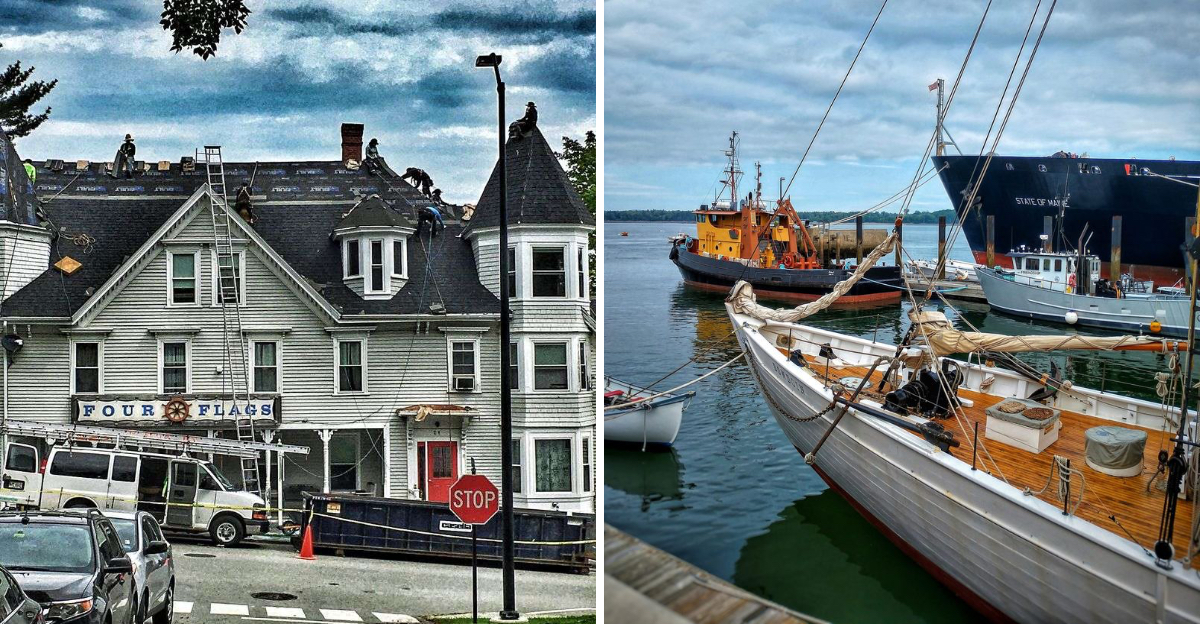
White clapboard houses. Towering elm canopies.
A harbor scene that looks lifted straight off an old postcard.
Most travelers speed right past this stretch of the Maine coast without a second glance. That’s exactly the mistake worth avoiding.
Cannons once guarded these shores, tall ships once ruled this harbor, and history still lingers on every quiet street corner.
Wander far enough and a working lighthouse comes into view, along with an old fort turned into rolling green lawns above the bay. Maine holds plenty of coastal towns, but few pack this much layered history into such a small, walkable patch of land.
What’s waiting around the next corner stays part of the fun. Go find it before everyone else catches on.
Four Flags, One Small Peninsula
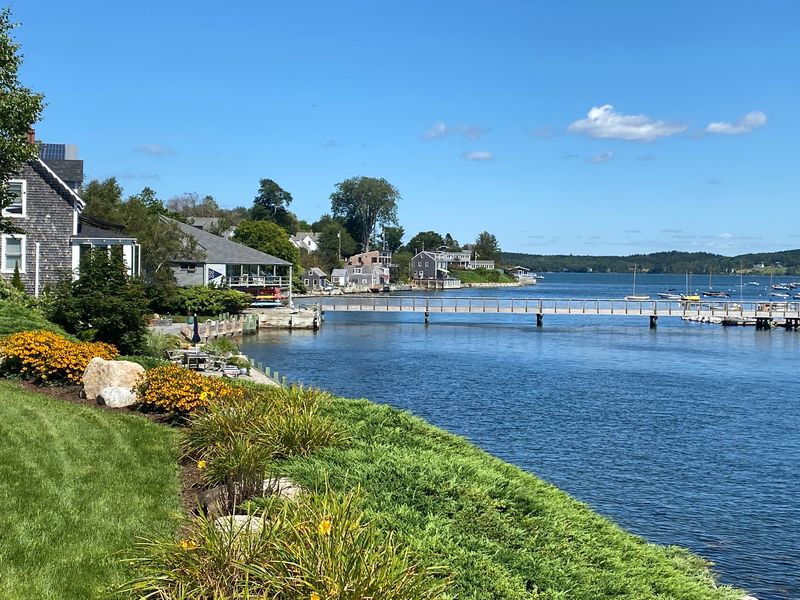
Four nations once fought over this quiet spot. French, Dutch, English, and American forces all claimed the peninsula that holds Castine, Maine.
The Tarrantine Abenaki knew the area as Majabigwaduce long before European ships arrived. A French trading post rose here in the early 17th century, predating Plymouth Colony’s founding by only a short stretch of years.
A French nobleman, the Baron de St. Castin, built up an influential post in the 1670s. The town later took his name when it officially formed in 1796.
The Dutch briefly seized control and damaged Fort Pentagoet in 1676. Power shifted back and forth for generations, and every shift left a fingerprint.
Why did so many want it? Location.
The peninsula guards the mouth of the Bagaduce River where it meets Penobscot Bay, a prize for anyone controlling trade and timber.
Historical markers scattered around town explain each chapter in plain language. Reading them takes an afternoon and turns an ordinary stroll into something closer to a treasure hunt.
Castine sits in Hancock County, on the coast of Maine in the United States. That layered past still shapes how the town looks today.
Elm Canopies and Federal Facades
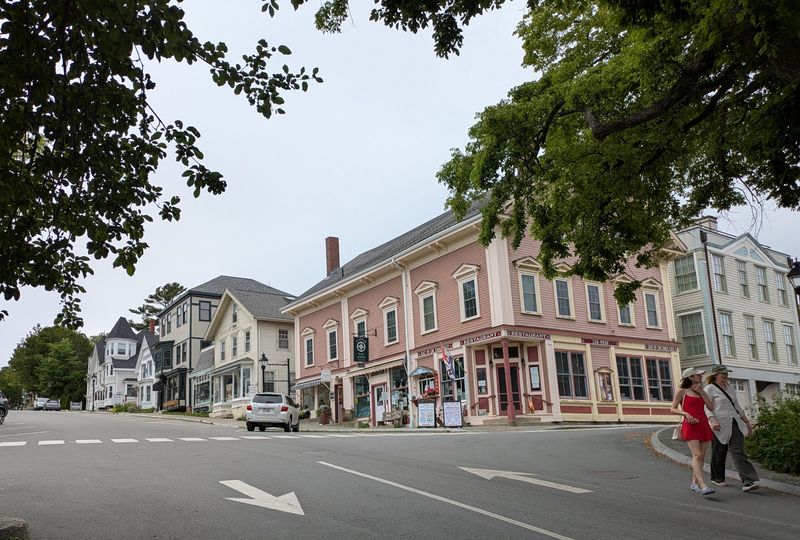
Grand elms arch over the streets here, forming green tunnels in summer. Community effort helped many of them survive Dutch elm disease, which wiped out elms in countless other towns.
Underneath those branches sit rows of Georgian and Federal homes. Most date to the 18th and 19th centuries, built when maritime trade brought real money to the harbor.
The Castine Historic District covers the entire southern tip of the peninsula. It joined the National Register of Historic Places in 1973 and takes in roughly 1,800 acres.
Railroads bypassed the town, which sounds like bad luck. It turned out to be preservation by accident, freezing the early 19th-century village feel in place.
A self-guided architectural walk works well here. Small signs and printed guides point out notable buildings, and the whole loop stays flat and manageable.
Summer residents have restored many houses with care. Fresh paint, original windows, and tidy gardens keep the streetscape looking sharp rather than staged.
Bring a camera with plenty of storage. Castine hands out photo opportunities on practically every corner, and the light in late afternoon flatters those white facades beautifully.
Earthworks With a View at Fort George
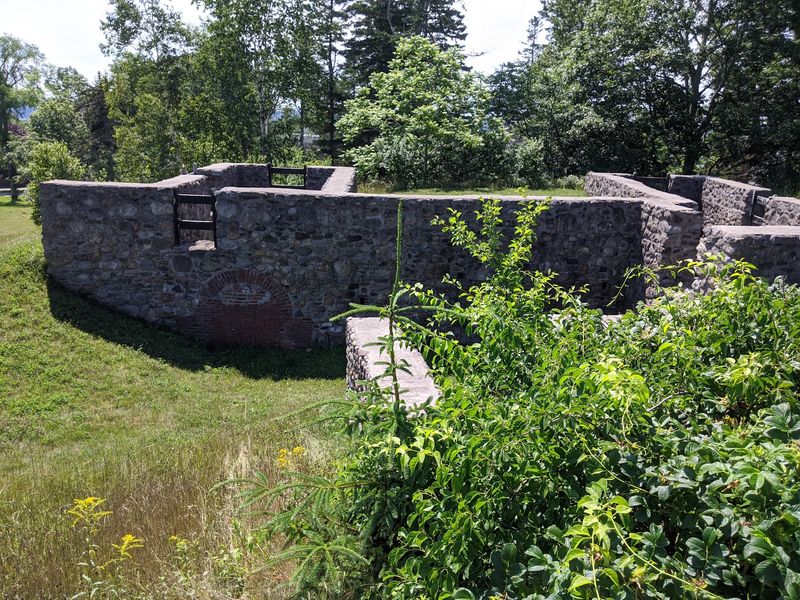
Grass-covered ramparts still trace a square on the high ground. British troops raised Fort George in 1779, aiming to control the entrance to Penobscot Bay.
Their bigger plan involved a new colony called New Ireland, built on the region’s rich timber supply. The lumber trade made this coastline valuable well beyond its size.
That same year, Massachusetts organized the Penobscot Expedition to take the position back. The Dutch briefly held the fort in 1676 before control passed on again.
British forces returned during the War of 1812 and held the fort again. They left for the final time in 1815.
Only the earthworks survive now, protected as a state-owned park. Interpretive signage fills in the details without turning the visit into a lecture.
The site sits open to the sky, so the wind can whip across it. A light jacket makes the walk more comfortable even in warm months.
Views from the ridge stretch toward the water and the rooftops of Castine below. Standing there, the strategic logic of the whole thing suddenly makes perfect sense.
A Lighthouse That Came Back to Life
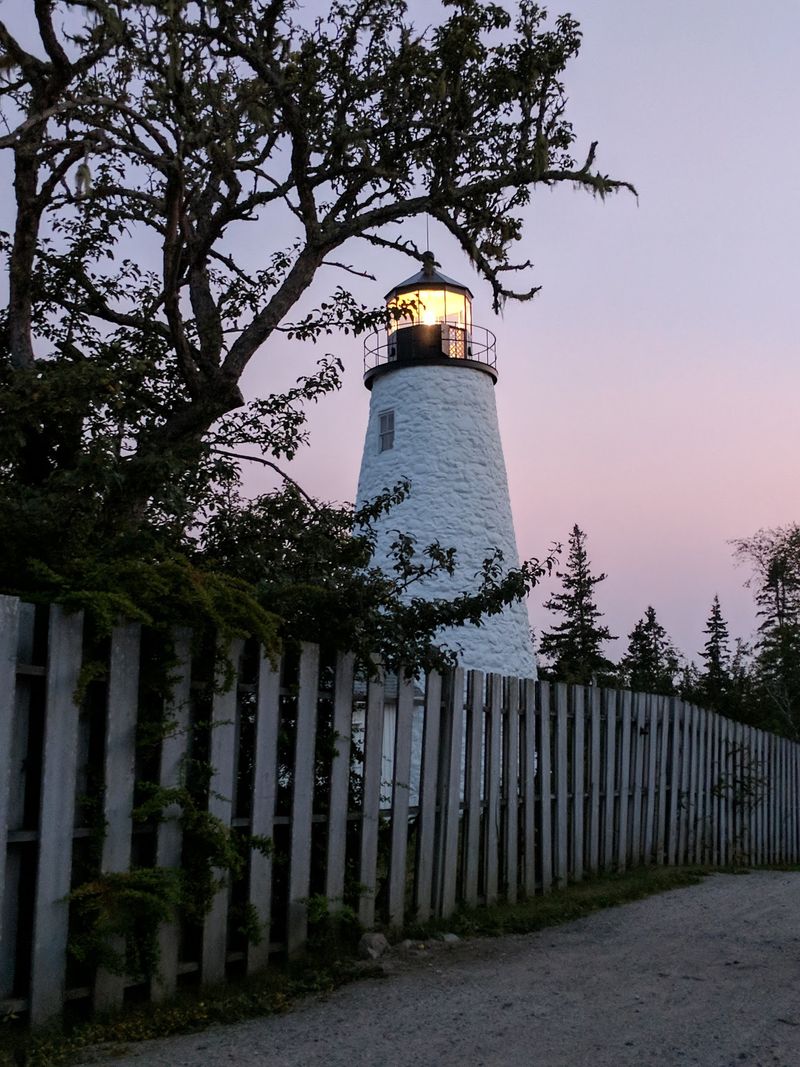
Storm damage brought this lighthouse out of retirement. Dyce Head Light first shone in 1828, guiding ships along the Penobscot River and into the harbor.
Officials decommissioned the stone tower in 1937 and installed a skeleton tower nearby. A strong storm in 2007 destroyed that replacement.
The solution felt almost poetic. Crews reactivated the original 1828 structure in 2008, and it works as an active navigation aid today.
Its appearance surprises people. Rather than a towering pillar, the light looks modest and almost house-like, blending into the wooded shoreline.
The keeper’s dwelling serves as a private residence, so respect matters here. Visitors are welcome to explore the grounds and take in the scenery.
On special open days, guests can climb the spiral staircase inside. Those occasions vary, so checking locally before planning around them makes sense.
A short path leads down toward the rocky shore below, where waves slap against the ledges. Panoramic water views open up in both directions.
Find it at the west end of Battle Avenue, Castine, ME 04421. Sunset turns the whole scene into something worth lingering over.
Where Future Ship Officers Train
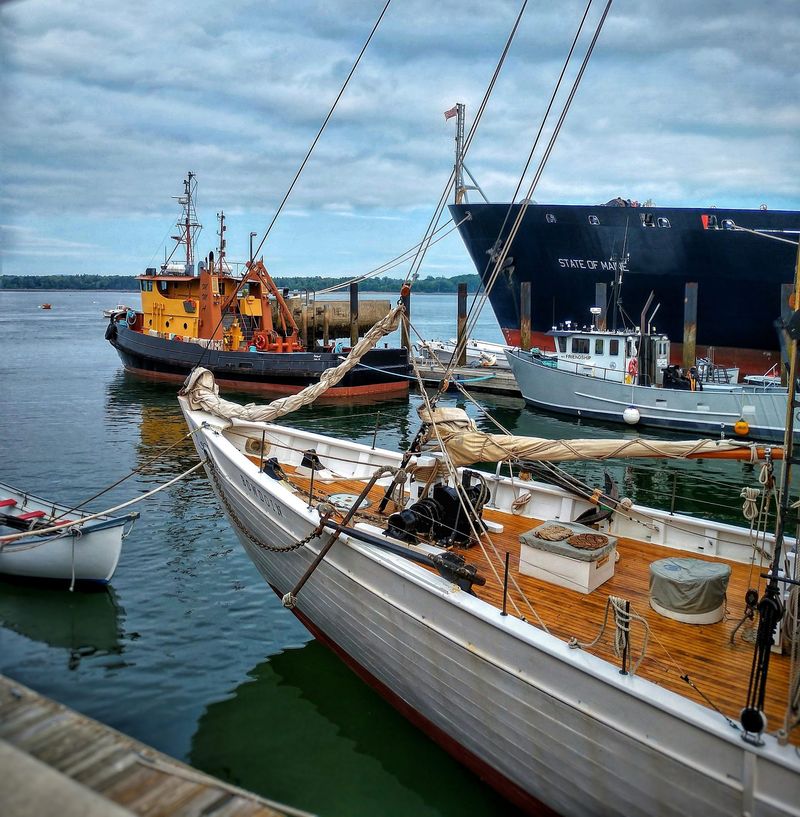
A 525-foot ship parked at the town pier tends to grab attention. That vessel, the training ship State of Maine, belongs to Maine Maritime Academy.
The college opened in 1941 and trains ship officers, marine engineers, and marine scientists. Its campus spreads across about 35 acres above Penobscot Bay.
Only six non-federal maritime training colleges operate in the United States. Having one anchored in a town this small gives Castine an unusual energy.
Students follow a regimental program alongside academic coursework in engineering, science, and marine technology. Uniforms on the sidewalk are a normal sight during the school year.
The training ship heads out on extended voyages, so it is not always docked. When it is in port, it looms over the waterfront and makes for a striking photograph.
Campus grounds and the pier area draw plenty of curious visitors. Watching cadets handle small boats in the harbor turns into unplanned entertainment.
The academy links the town’s seafaring past with a working present. Few places manage that connection so directly, and Castine wears it without any fuss.
Trails Through Witherle Woods

History hides under the moss here. Witherle Woods covers roughly 185 acres and offers about 6.5 miles of trails through classic coastal forest.
Remnants of colonial and post-colonial conflict remain scattered across the preserve. Archaeological digs have turned up artifacts tied to those periods.
The land opened to the public in 1985. Paths wind past viewpoints where the trees part and the bay appears without warning.
Footing stays reasonable, though roots and rocks show up often enough. Sturdy shoes beat sandals by a wide margin.
Nearby, the Rene Henderson Natural Area gives a shorter option. That 100-acre preserve holds forest, a small wetland, and easy loop trails.
Winter brings a different use. The small lake inside the Rene Henderson Natural Area can serve as an ice skating spot when conditions allow.
Bug spray earns its place in a daypack during early summer. Quiet mornings often deliver birdsong and little else.
Both preserves sit within easy reach of the village center in Castine. Trading pavement for pine needles takes only a few minutes, which feels like a small luxury.
Paddles, Pebbles, and Harbor Cruises
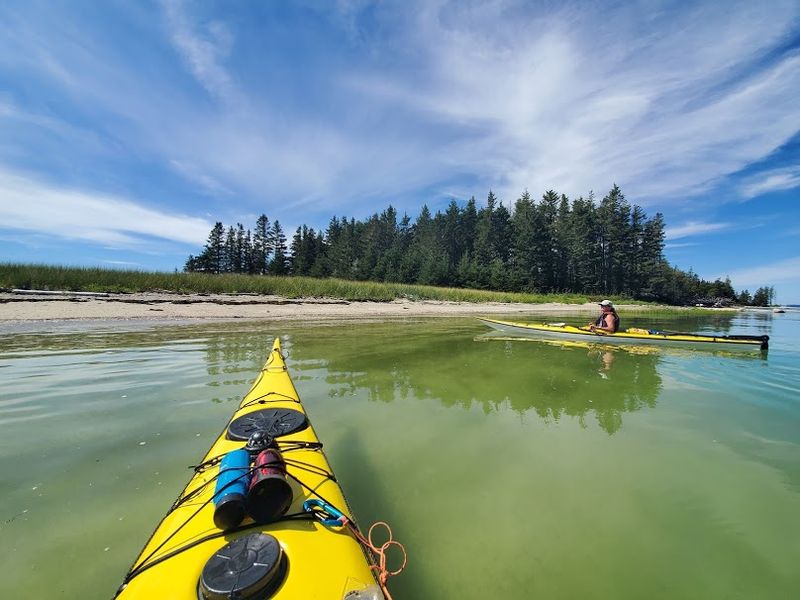
Calm water changes everything for beginners. The stretch where the Bagaduce River meets Penobscot Bay stays smooth enough for comfortable kayaking on many days.
Local outfitters rent gear and run guided trips. Paddling routes pass rock formations, moored sailboats, and shoreline that looks untouched.
Some specialty tours go out after dark to look for bioluminescent organisms in the water. Availability depends on season and conditions, so plans should stay flexible.
Wadsworth Cove Beach, known locally as Backshore Beach, gives swimmers a quieter option. The shore leans pebbly rather than sandy, and the water stays sheltered.
Boating and fishing keep the harbor busy through the warmer months. Guided harbor tours offer a seaward view of the peninsula that walkers never get.
Water temperatures in this part of Maine stay bracing. A quick dip usually satisfies most visitors more than a long swim.
Mornings often bring the flattest water and the least wind. Anyone hoping for glassy paddling conditions should set an early alarm.
Castine rewards people who get out on the bay, because the town looks even better from the water.
Museums That Hold the Town’s Memory
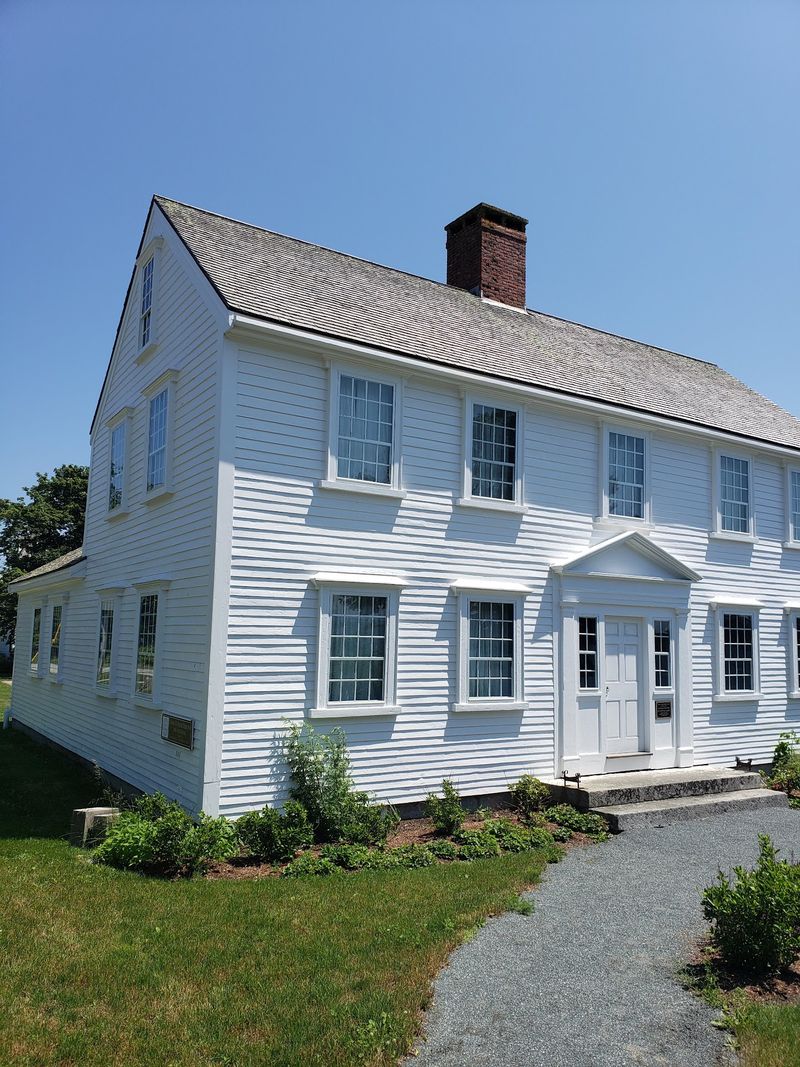
Free admission and ship models make a strong combination. The Wilson Museum holds an unexpectedly wide collection for a town of this size.
Exhibits range across prehistoric artifacts, local history items, and displays about the natural history of the Penobscot Bay region. Hands-on activities appear on certain days during the season.
The Castine Historical Society runs the other half of the story. It reopens each season with fresh exhibits exploring different chapters of the town’s past.
Topics rotate, which gives repeat visitors a reason to stop in again. Displays lean toward local voices and everyday life rather than grand pronouncements.
Both institutions operate seasonally, so timing matters. A quick check before arriving saves disappointment on a shoulder-season trip.
Together they explain how a peninsula this small ended up mattering so much. Maps, tools, and photographs fill gaps that the outdoor markers only hint at.
An hour inside makes the rest of the walking tour far richer. Castine starts to read like a continuous story instead of a pretty collection of old buildings.
The Green Heart of the Village
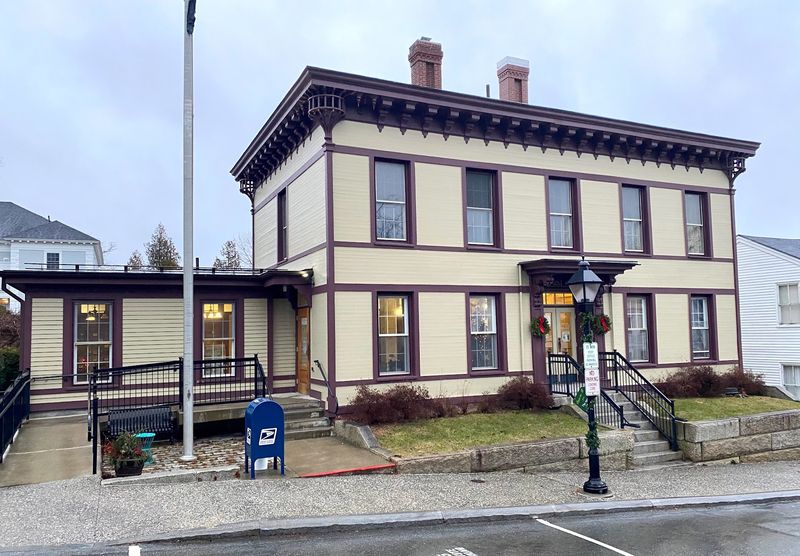
Every old New England town needs a common, and this one delivers. The Castine Town Common anchors the historic district with open lawn and mature shade.
Notable buildings ring the edges. The Unitarian Universalist Church, founded in 1790, stands proudly among them with its classic steeple.
Residents have gathered on this green for generations. Community events and seasonal celebrations still use the space.
A short walk away sits one of the country’s most remarkable small buildings. The Castine Post Office has operated continuously in the same structure since 1833.
That makes it one of the oldest post offices in the United States. Mailing a postcard from inside feels appropriate given the whole postcard theme.
Benches around the common invite a pause. Locals pass through, dogs get walked, and nothing happens quickly.
Parking near the common tends to be simple, even in summer. Once the car is settled, most of the historic district falls within a comfortable stroll.
Starting a visit here makes practical sense. The common sits close to everything worth seeing in Castine, which saves plenty of backtracking later.
Slow Days, Small Shops, and Harbor Tables
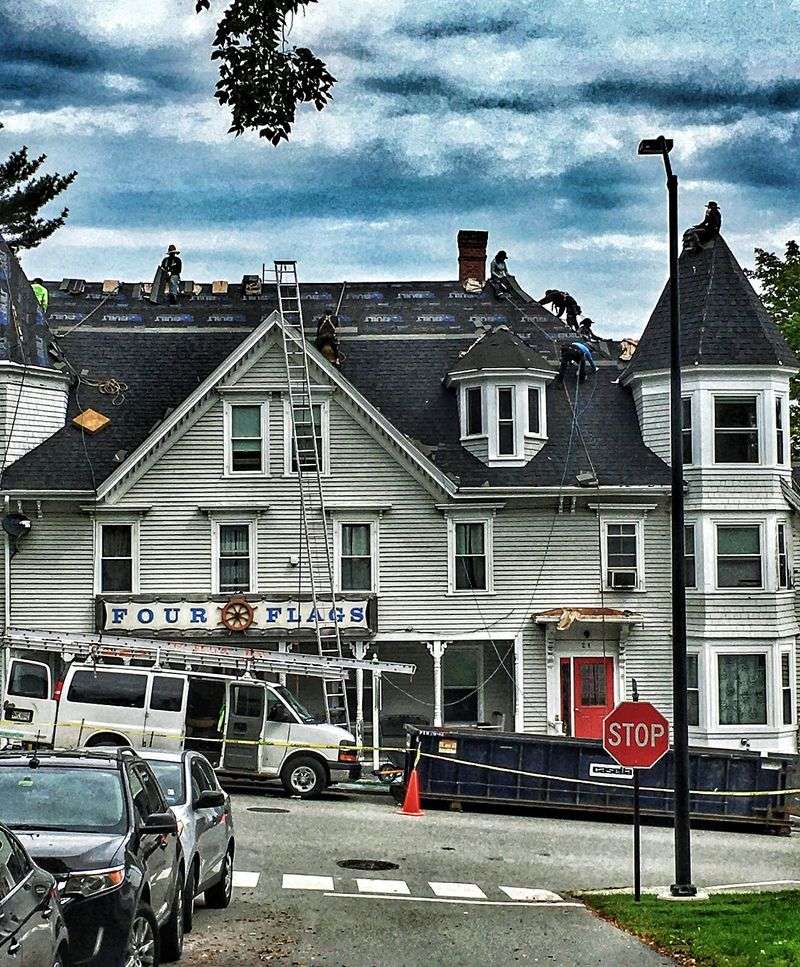
Nobody rushes here, and that is the point. Streets rarely fill up, even during peak summer weeks along the coast of Maine.
Year-round families and a steady summer population share the town without friction. The result feels lived-in rather than staged for visitors.
Small shops and galleries line a few short blocks. Browsing takes a pleasant hour, and the inventory leans local instead of mass-produced souvenir clutter.
Dining sticks close to the water. Restaurants near the harbor serve fresh lobster, chowder, and other local seafood with bay views attached.
Options range from refined New England menus to casual spots doing classic Downeast fare. Portions and prices vary, so a quick look at posted menus helps.
Seasonality drives almost everything. Many businesses reduce hours or close outside the warmer months, which keeps winter especially quiet.
Lodging exists but stays limited, so booking ahead during summer is wise. Day trips from nearby towns also work well.
What lingers after leaving Castine is the calm. A place this photogenic could easily be overrun, yet somehow it keeps its composure.