
The Mississippi Boat Yard Where You Can Step Aboard A Working Shrimp Boat Before It Heads Out
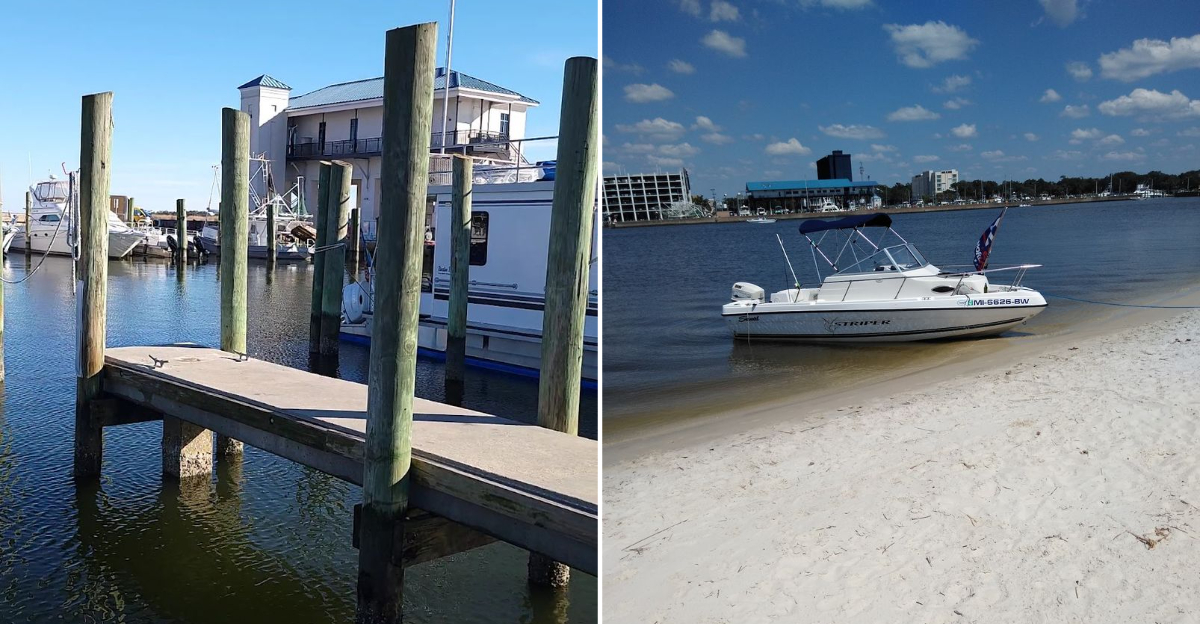
You can catch a real glimpse into a Mississippi fisherman’s life before the boat actually heads out to sea. This boat yard lets visitors board a working shrimp boat still preparing for its next trip.
Nothing about the experience feels staged or set up purely for tourists passing through. Crew members go about their normal routine, unbothered by visitors watching the process unfold.
Regulars know the best mornings to visit, timing trips around when boats typically prepare to leave. Nothing about the boats feels polished for display, since they’re actively used for real work daily.
Visitors unfamiliar with the industry often leave with a new appreciation for where their seafood comes from. This boat yard proved that sometimes the most authentic experiences happen where people actually work.
History Of Shrimp Boat Operations
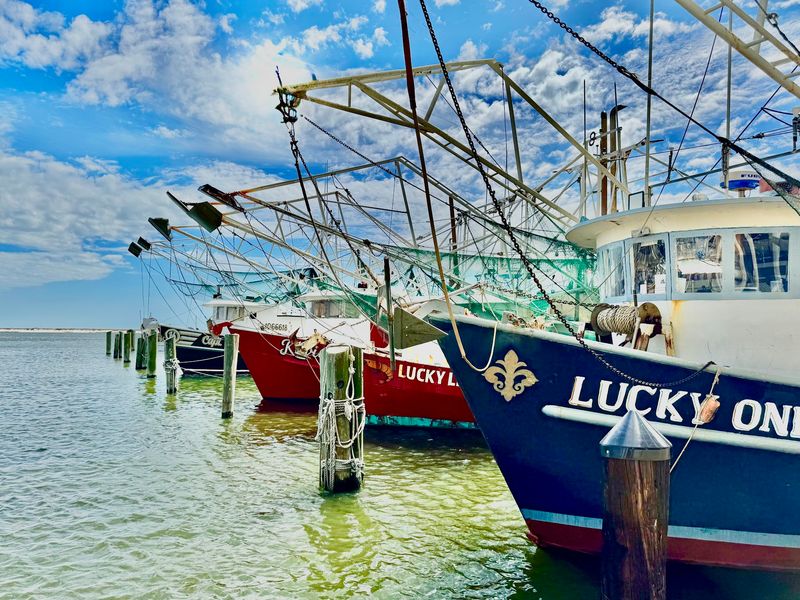
Long before diesel engines and GPS screens, Indigenous people around Biloxi caught shrimp using traps woven from local plants. Simple gear, great skill.
French settlers arrived with their own fishing traditions, and Vietnamese immigrants later added techniques that reshaped the whole Gulf Coast industry. By the late 1800s, the town had earned a bold nickname: The Seafood Capital of the World.
What changed everything was the shrimp trawl, a net dragged along the seafloor that could scoop up far more shrimp than a cast net ever could. Suddenly shrimping was not just dinner; it was business.
Artificial ice showed up in the mid-1800s, and railroads stretched farther inland. Shrimp could travel.
In 1881, Biloxi opened its first oyster packing operation, which canned shrimp too.
Motorized boats arrived in the early 20th century and made crossing the Gulf of Mexico much easier. Then came the otter trawl, an even bigger net that sent production soaring.
After World War II, newer vessels could pull several trawls at once, modernizing the fleet in a hurry. Families adapted, generation after generation.
That layered past is still visible along the docks today, where working boats sit alongside charter operations, and pelicans supervise everything. Anyone curious about Gulf seafood history can find it at 679 Beach Blvd, Biloxi, MS 39530.
Shrimp Boat Design And Features
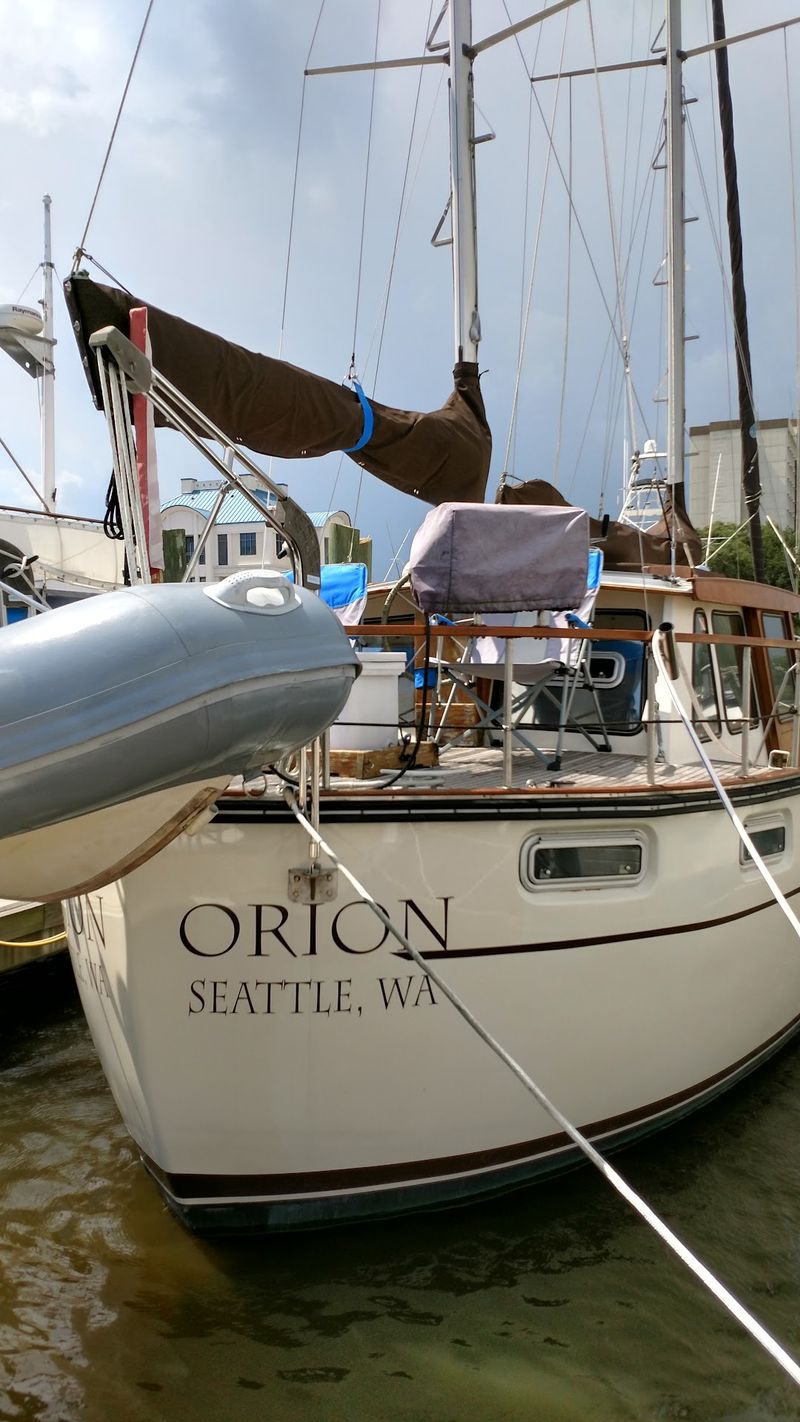
Picture a shrimp boat as a floating pickup truck built to haul nets instead of lumber. The earliest ones did it with wind alone.
Catboats and schooner-type vessels worked these waters first, powered entirely by sails. The Biloxi Schooner became a symbol of the city’s maritime identity, and its silhouette still shows up in local artwork and logos.
Then came the game changer. In the late 1800s, local shipbuilders perfected the Biloxi Lugger, one of the first gas-powered fishing boats around.
Luggers were tough and adaptable, with a shallow three-foot draw that let them slip through skinny water. Older keeled sailboats simply could not follow them there.
Those gasoline engines had enough muscle to drag funnel-shaped nets like the otter trawl, which ran roughly thirty to thirty-five feet long. Not exactly a fishing pole situation.
Modern trawlers look different again. Steel hulls handle rough Gulf weather, generator-powered refrigeration keeps the catch cold, and living quarters are actually comfortable enough for long trips offshore.
Walking the docks here means seeing that whole evolution parked side by side. Tall outrigger booms, coiled ropes, and patched nets tell you which boats work hardest.
The details are worth studying up close, because every scrape and weld on a hull represents a season somebody survived out on the water.
Daily Routine On A Shrimp Boat
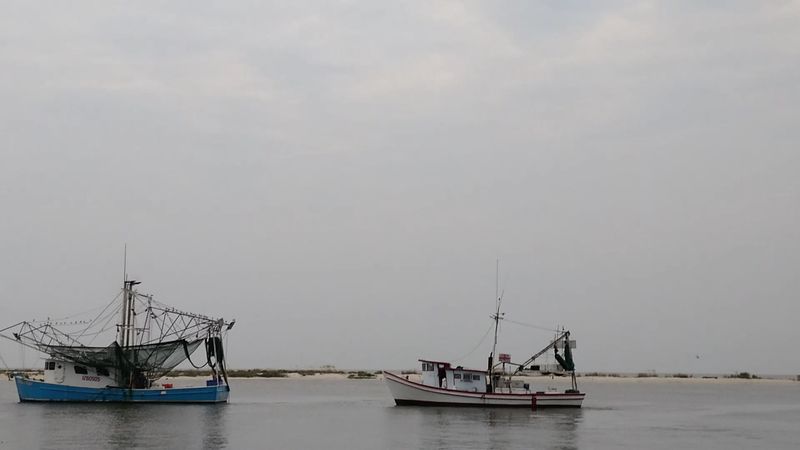
Alarm clocks mean nothing out here. Boats slip out of the harbor before dawn while the rest of the coast is still asleep.
Some crews stay out all night, running nets through the dark and steering back toward the docks as the sky turns pink. Coffee does a lot of heavy lifting on those trips.
The routine centers on the trawl nets. Setting them properly matters, because the gear has to spread open and drag correctly to sweep up shrimp along the bottom.
When the net comes up, the deck turns into a sorting station. Shrimp, small fish, crabs, and the occasional oddball creature all tumble out together.
On the shrimping trip that operates from these docks, the captain identifies the whole haul for passengers. Kids get to see a live crab up close without anybody losing a finger.
Technology helps more than people expect. GPS and radar make locating shrimp faster, which saves fuel and time.
Back at the harbor, the routine has one more chapter. Folks gather near the boats to buy shrimp straight off the deck, coolers open and ready.
Watching that handoff happen is honestly half the fun. It is commerce at its most direct, with zero middlemen and plenty of friendly conversation.
Safety Measures For Visitors
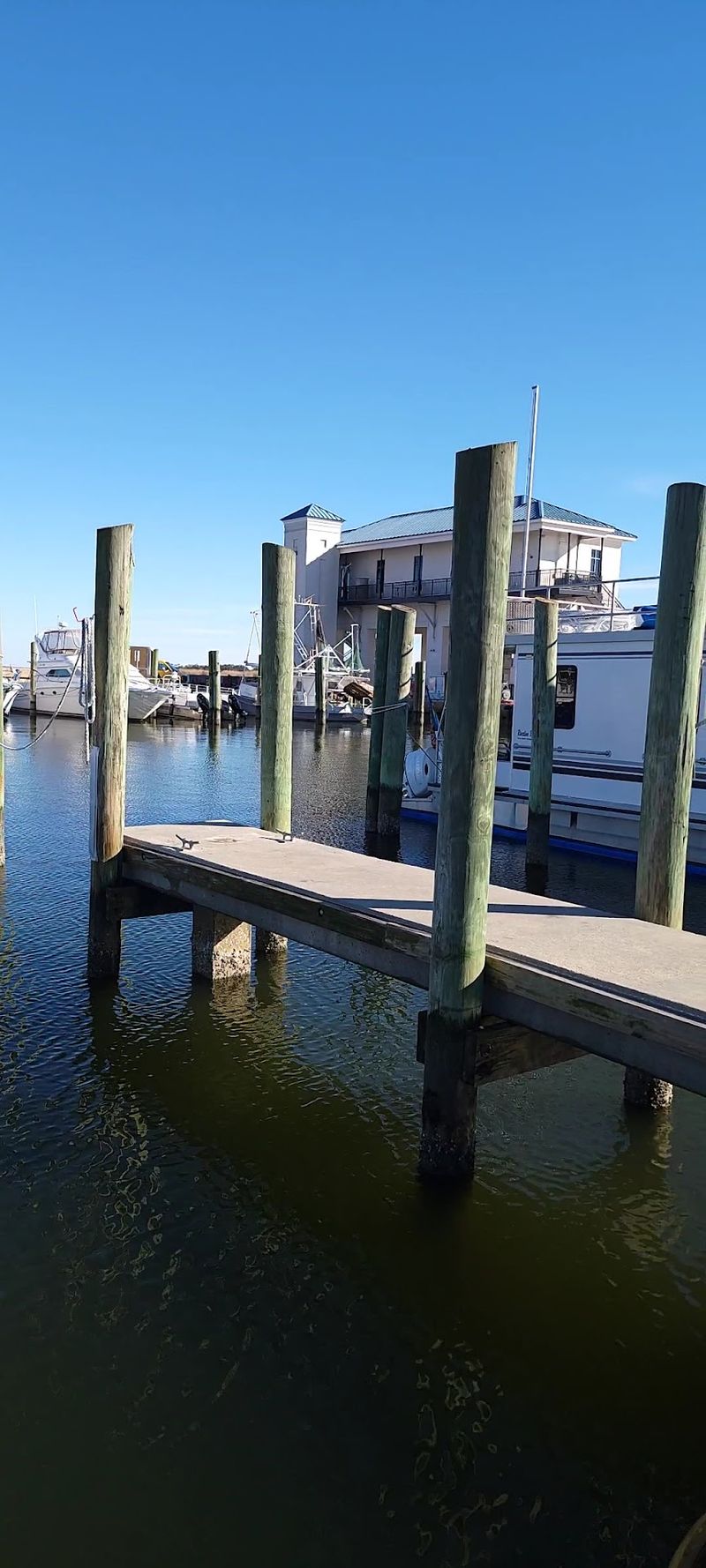
A working harbor is not a theme park, and that is exactly what makes it interesting. It also means paying attention pays off.
Docks stay wet, ropes lie coiled underfoot, and forklifts or ice trucks may be moving nearby. Closed-toe shoes with grip beat flip-flops every single time.
Trawlers tied up along the docks sometimes sell seafood right to the public, including shrimp, fish, and blue crabs. Standing back while crew members work keeps everyone comfortable.
For anyone who wants the full experience, the Biloxi Shrimping Trip departs from here. A net goes out, comes back loaded, and the captain walks passengers through everything caught.
That structured tour is the easiest way to be on the water without getting in the way of commercial operations. Life jackets and crew instructions are part of the deal.
Restrooms sit near the boat ramps, which helps when visiting with kids. Parking is straightforward, though the lot gets busy on warm weekends.
Talking with shrimpers is usually welcome, especially between tasks. Just avoid climbing onto a boat uninvited, since active vessels have gear and hatches that are not built for sightseers.
Bring water, sun protection, and patience. The harbor runs on tides and weather, not on schedules made for tourists.
Environmental Impact Of Shrimp Fishing
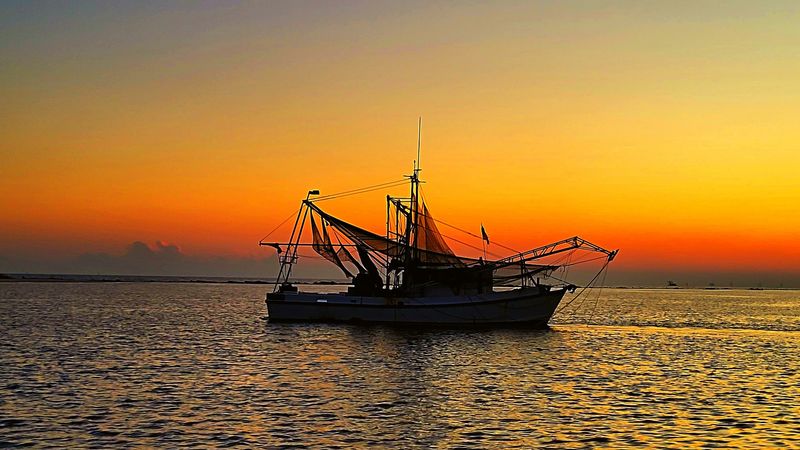
Dragging a net across the seafloor sounds rough on the ocean, and honestly, it can be. Which is why the rules have tightened considerably.
Trawls used in the Gulf of Mexico must include turtle excluder devices, known as TEDs, along with bycatch reduction devices. Both are designed to let unintended animals escape.
Sea turtles benefit most visibly from those requirements. Smaller fish and other ocean wildlife get a way out too.
Shrimpers also steer clear of coral reef areas, since those ecosystems take decades to grow and seconds to damage. Avoidance is cheaper than repair.
The Deepwater Horizon oil spill hit Gulf fisheries hard, closing waters for close to a year and raising loud questions about seafood safety. Families who had shrimped for generations suddenly had nowhere to work.
There was one strange silver lining. With boats sidelined, shrimp populations had time to reproduce without pressure from nets.
Conversations about sustainability happen right on these docks, between people whose livelihoods depend on the answer. Nobody wants an empty Gulf.
Visitors curious about wild-caught American shrimp will find that buying directly supports fishermen following those conservation rules. Asking questions at the dock usually gets an honest, unfiltered answer about how the season is going.
Equipment Used In Shrimp Catching
Fun fact for gear nerds: the star of shrimping is not the boat; it is the net. Everything else exists to drag that net properly.
Early shrimpers relied on cast nets and small seines, which worked fine for feeding a neighborhood. Then the otter trawl arrived in the early 20th century and changed the math entirely.
Otter trawls are big, funnel-shaped nets, wide at the mouth and narrowing toward the back so shrimp cannot wander out. They comb the seafloor where shrimp actually live.
Otter boards attach to the net’s opening to hold it wide as it is towed. Weights and buoys keep the whole shape balanced between bottom and surface.
Then there is the tickler chain, which is exactly as charming as it sounds. It drags ahead of the net, stirring shrimp up off the mud and into the path of the trawl.
Hauling all that back aboard used to break backs. Power winches now do the pulling, which is why smaller crews can handle heavy gear.
Along the docks, this equipment sits in plain view. Folded nets, rusted chains, and stacked boards look like clutter until somebody explains what each piece does.
After that, the whole deck reads like a machine.
Life Of A Shrimp Boat Crew Member
Shrimping in Biloxi was rarely a solo career. It was a whole family enterprise, with different jobs for different people.
Men generally owned boats or worked as fishermen, while women and children were often employed in the canneries. Child labor laws eventually ended that last part.
Early canneries leaned on seasonal workers, including Polish laborers who traveled in for the busy months. Later, starting in the 1970s, Vietnamese immigrants became central to the industry.
By 1989, roughly half of Mississippi’s shrimpers were Vietnamese, a shift that reshaped the fleet, the food, and the culture of the coast.
The work itself is demanding. Crews put in long hours, sometimes staying out all night, sorting catch under deck lights while the boat rolls.
Motorized boats and trawls around 1918 allowed smaller crews and moved ownership away from factories toward individual fishermen. That independence mattered enormously.
Fishermen also organized unions to push for better wages and conditions, because bargaining alone against a cannery rarely worked out well.
Costs remain brutal, with fuel eating a huge share of any trip’s earnings. Weather can erase a week’s plans overnight.
Still, the industry supports countless families and businesses along the Gulf Coast. Talking to someone unloading shrimp here means talking to somebody carrying on a family trade.
Seasonal Shrimping Practices
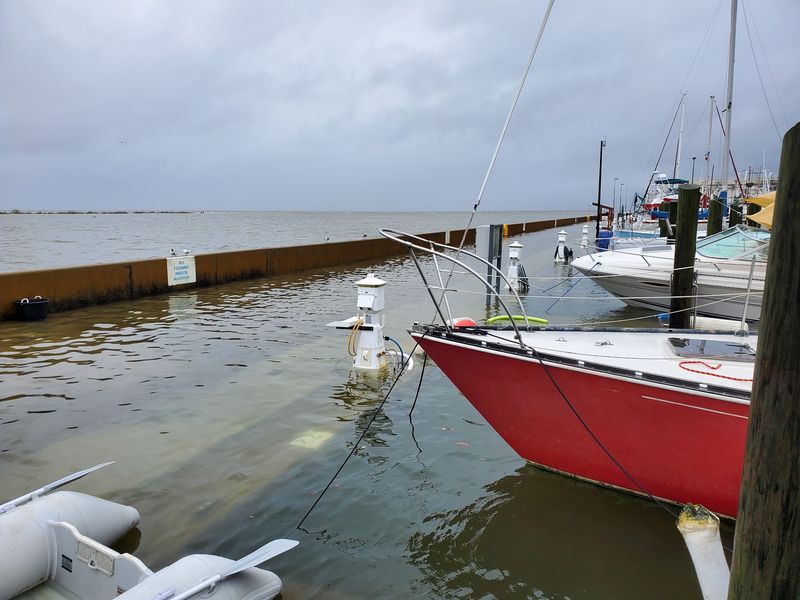
Timing decides everything in shrimping, and Mississippi’s calendar has real personality. Different shrimp show up at different times.
Brown shrimp make up about 75 percent of the state’s harvest, and they are thickest from June through October. Summer is when the fleet really goes to work.
Sweeter varieties keep things interesting. White shrimp and Mississippi pink shrimp run heaviest during fall and spring, and they have a noticeably different flavor.
The overall season typically opens around early June and stretches until December 31st. That is a long stretch of pre-dawn departures.
During peak weeks, shrimpers work almost nonstop, catching sleep in shifts and heading back out while the ice is still fresh. Nobody wastes a good run.
Closures happen too. State and federal waters can shut down to manage environmental problems or let populations rebuild, as happened after the Deepwater Horizon spill.
For visitors, knowing the season means knowing when the docks will be busiest. Summer mornings bring the most activity and the best odds of buying shrimp straight off a boat.
Sunrise and sunset both put on a show over the water here, with Deer Island sitting just offshore. Pelicans and seagulls handle the entertainment between boats.
Plan around June through October, bring a cooler, and enjoy the rhythm.