
The Nevada Observatory Night Perfect for Spooky Season Stargazing
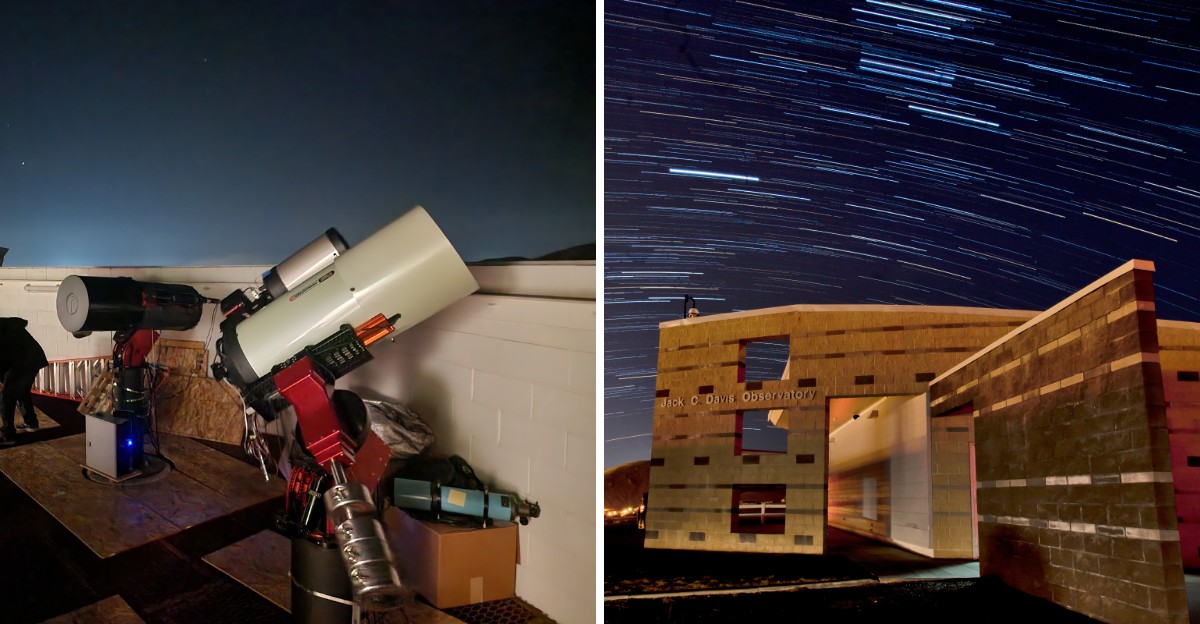
Spooky season just found its perfect rooftop. A lonely dome glows on a dark hill as the moon rises like a spotlight.
Cold air nips at your cheeks. Curious stargazers whisper in the shadows, then the roof slides open to a sky crammed with light.
Wait until you press your eye to the observatory telescope! Moon craters snap into focus so sharp they almost look haunted.
The best part? The whole night costs nothing, and friendly volunteers love tackling your wildest questions about black holes.
Nevada skies already put on a dazzling show, but autumn adds a chill that makes the dark feel mysterious. Toss a cozy hoodie in the car, because your favorite Nevada stargazing night might be waiting on that hill.
A Hilltop Dome With A Mysterious Glow
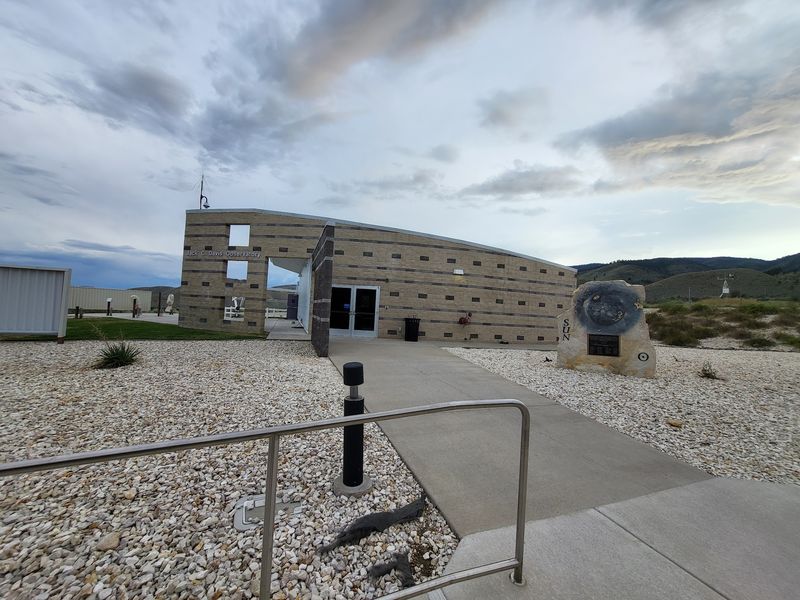
Spooky season loves a lonely building on a hill. The dome here fits that mood perfectly.
The Jack C. Davis Observatory sits on a rise behind Western Nevada College in north Carson City.
Its rounded roof catches the last light of sunset, then fades into the dark.
The building opened in 2003 as part of the college. It carries the name of the school’s founding president.
Size can fool people. It is a small observatory, but it works as a research-level facility for students and the community.
College classes in astronomy, astrobiology, and astrophysics use the space. On public nights, though, everyone gets a turn.
The view from the hill stretches over Carson City toward the wide Northern Nevada sky. City lights twinkle below while stars pop out above.
That contrast gives the place a quiet, eerie charm. It feels like a tiny outpost at the edge of space.
Arrive before dark to catch the dome against a fiery sky. Then watch the landscape slowly vanish into shadow.
Few settings set the stage for an autumn adventure quite this well. The hill does half the storytelling before the telescopes even open.
Telescopes That Bring The Moon Up Close
Ever wanted to stare a full moon right in its crater-covered face? Here is the chance.
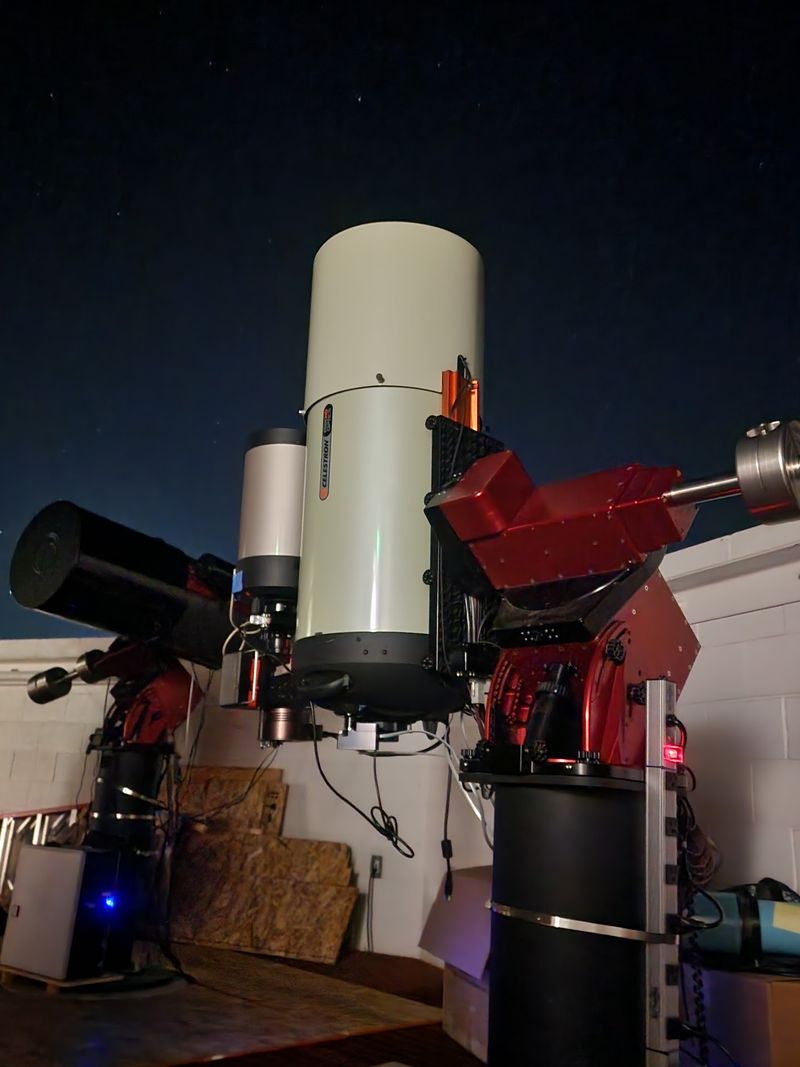
The Jack C. Davis Observatory houses three telescopes in total.
Three reflecting telescopes sit inside the observatory: two 16-inch scopes and one 10-inch scope, all ready for public viewing nights.
A third telescope stands outside. This refracting scope helps students study sunspots on our closest star.
One of the indoor telescopes also has a spectrograph. That tool splits starlight into colors, which helps scientists learn what stars contain.
Every telescope connects to a camera and the internet. Large groups can view images remotely, which keeps the learning going even beyond the hill.
For visitors, the payoff is simple. Moon craters, distant planets, and faraway stars appear in sharp detail.
A spooky October moon looks even more dramatic through the eyepiece. Shadows along the crater rims seem to stretch and creep.
Lines can form on busy nights, so patience helps. Each peek usually feels worth the short wait.
Ask the volunteers what the scope points at before stepping up. Knowing the target makes the view far more memorable, and it turns a quick glance into a real discovery.
Free Star Parties On Saturday Nights
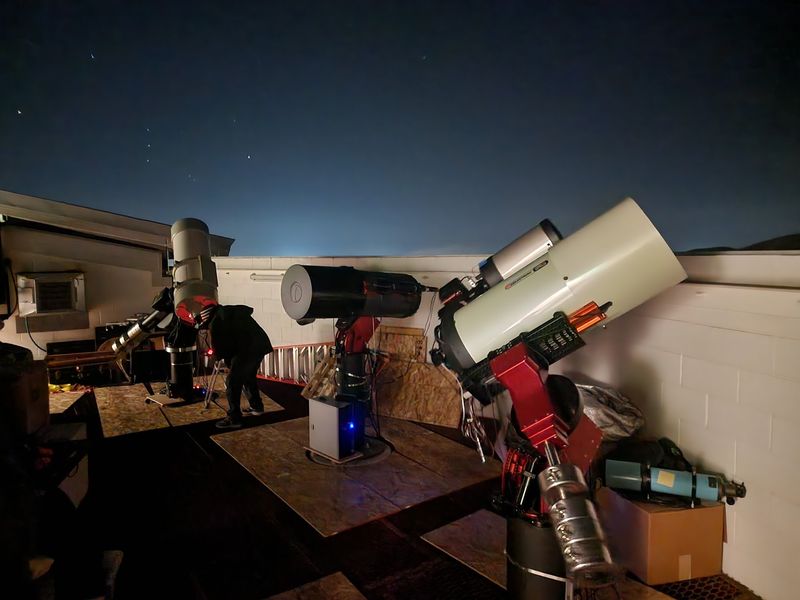
Free fun on a Saturday night sounds almost too good. Yet that is exactly what the Star Parties offer.
The Jack C. Davis Observatory hosts these public events on select Saturday evenings, usually about twice a month.
Nights often mix a lecture with guided telescope viewing. Guests learn something new, then step outside to see it overhead.
Volunteers from the local astronomy community help run the show. They love pointing out galaxies, planets, and star clusters to curious guests.
Kids especially light up during these events. Grandparents and parents often enjoy it just as much.
Some visitors bring their own telescopes too. The setup can make the hilltop feel like a friendly sky festival.
Fall Star Parties add a fun chill to the air. A cozy hoodie and a thermos of cocoa make the night feel extra festive.
Schedules can shift, and public access sometimes changes. Checking with the college before heading out saves a wasted trip.
Once the dates line up, the reward comes easy. A free night of cosmic wonder rarely disappoints anyone willing to look up.
Lectures That Make The Universe Feel Bigger
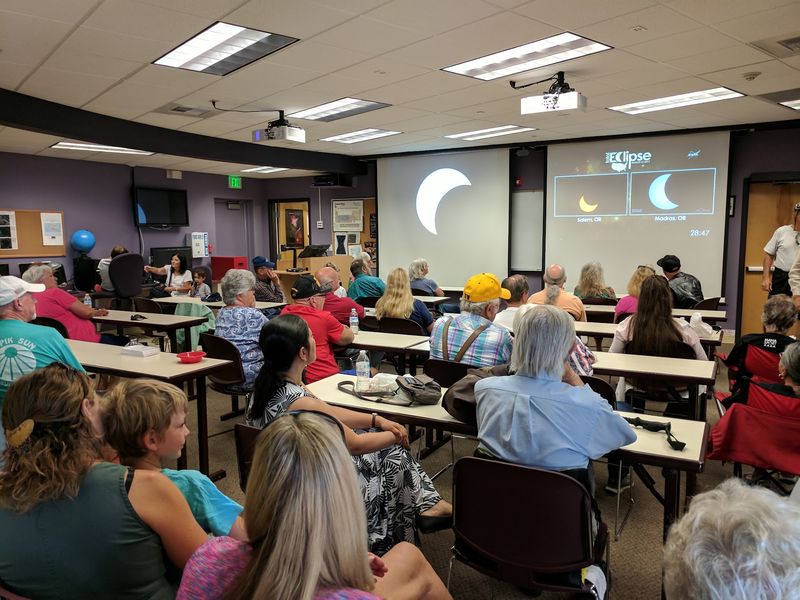
Cloudy night? No problem, because the brain still gets a cosmic workout.
Lectures form a big part of many Star Parties at the Jack C. Davis Observatory.
Speakers usually begin a short while after the doors open.
Topics cover a wide range. Past talks have included a tour of the universe and a look at Galileo as an astronomer.
Other sessions have explored science ideas like thermodynamics. Visitors often say the talks feel lively and easy to follow.
Spooky season pairs nicely with these talks. Stories about black holes, strange planets, and mysterious light feel perfect on a chilly evening.
Bring questions along. Speakers and volunteers tend to enjoy friendly curiosity.
Themes are not always announced far ahead. That surprise can add a bit of fun to the night.
Families with younger kids should plan for some sitting time. A small snack in a pocket can keep wiggly stargazers happy.
The lecture also builds anticipation. By the time the dome opens, everyone knows a little more about what hides above the clouds, and the sky feels less like a mystery and more like a neighbor.
Carved Planets Along A Shadowy Path
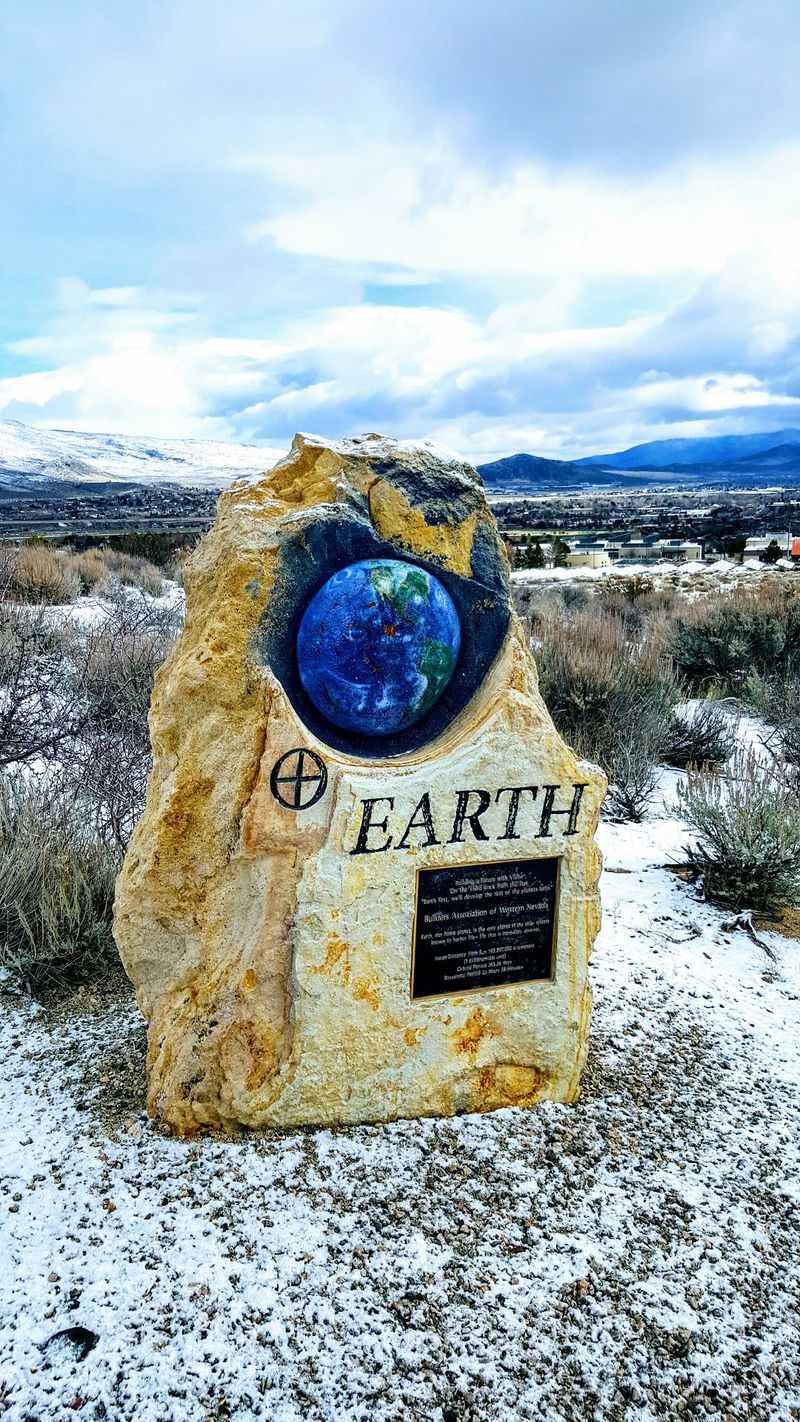
Saturn on a stone slab? It waits along the trail, right beside its planetary pals.
The Planetary Walkway links the Jack C. Davis Observatory to the main Western Nevada College campus.
Massive sandstone monuments line the route.
Each stone shows a carved image of a planet. Facts about that world appear on the monument too.
Here is a quirky bit of history. Local artists carved the monuments from sandstone pulled from a historic Carson City quarry.
They used sandstone from the prison’s old quarry. That backstory gives the path an unusual, almost mysterious character.
At dusk, the stones cast long shadows across the ground. The scene fits a spooky season outing perfectly.
Kids can turn the walk into a planet scavenger hunt. Reading each stone in order makes a fun lesson about our solar system.
Wear sturdy shoes for the walk. The ground can feel uneven in low light.
A red-filter flashlight helps here as well. It lights the way without ruining night vision.
Walking from planet to planet sets a curious mood. By the top, the real sky feels like the next chapter.
Darker Skies On The Edge Of The Sierra
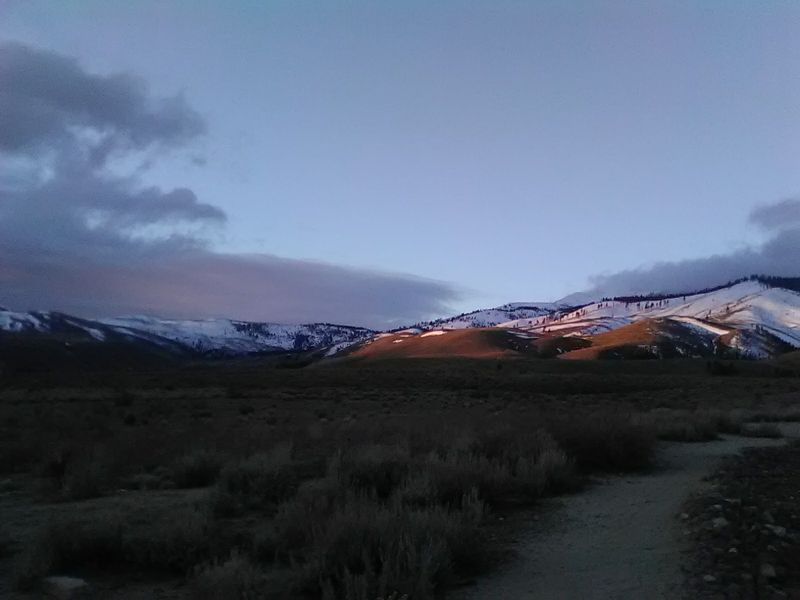
Darkness is the secret ingredient. This hill has more of it than much of the city below.
The Jack C. Davis Observatory sits on the eastern edge of the Sierra Nevada mountains.
Its raised spot offers wide views of the land around it.
Skies here stay darker than in much of Carson City. Some visitors mention a shield that helps block town lights.
Nevada as a whole has a strong reputation for stargazing. Open spaces, dry desert air, and high ground all help.
Those conditions often lead to clear nights and crisp views. Stars seem to sharpen rather than blur.
Fall can bring especially pleasant clarity, though weather never comes with a promise. Clouds and wind can still cancel the fun.
Moon phase matters too. A new moon usually brings the darkest sky and the best view of faint objects.
A bright full moon has its own spooky charm, though. It just washes out dimmer stars.
Pick the goal before choosing a date. Crater lovers want moonlight, while galaxy hunters want shadows, and either choice makes for a memorable evening above the valley.
Meteor Showers And Moon Nights
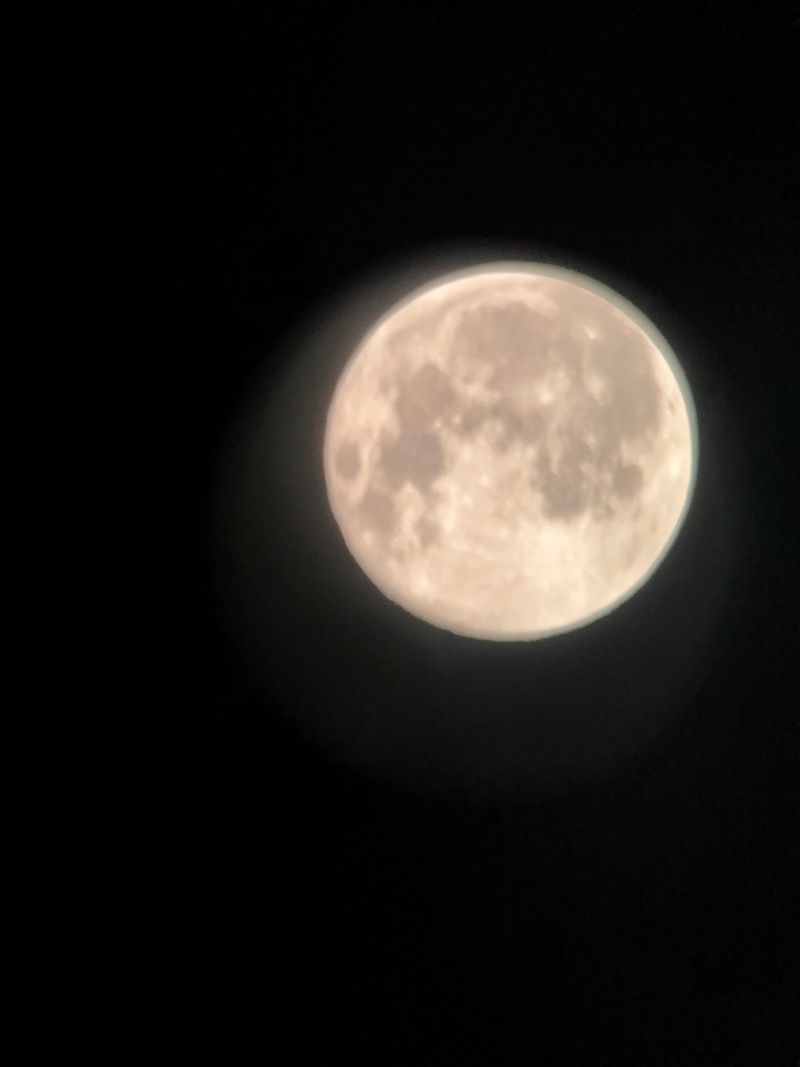
Shooting stars make wishes easy. Special event nights make them even easier to catch.
The Jack C. Davis Observatory schedules events tied to sky happenings.
Past examples include a Perseids Meteor Shower Party.
International Observe the Moon Night has also appeared on the calendar. That event often lands in the fall, which suits a spooky moonlit theme nicely.
Planet events get attention too. Saturn at opposition has drawn viewers hoping to spot its famous rings.
Eclipses have also brought people to the hill. Visitors have used the telescopes to watch partial views with proper care.
Exact dates change from year to year. Checking the college calendar keeps plans on track.
Event nights can draw bigger crowds than regular Saturdays. Arriving early helps grab a good place to stand.
Bring a blanket or a folding chair for meteor watching. Lying back makes the wide sky easier to scan.
Patience pays off during showers. Meteors arrive in random bursts, so quiet waiting becomes part of the thrill.
Each streak feels like a small spark of magic. Those moments tend to stick around long after the drive home.
A Science Hub For The Whole Community
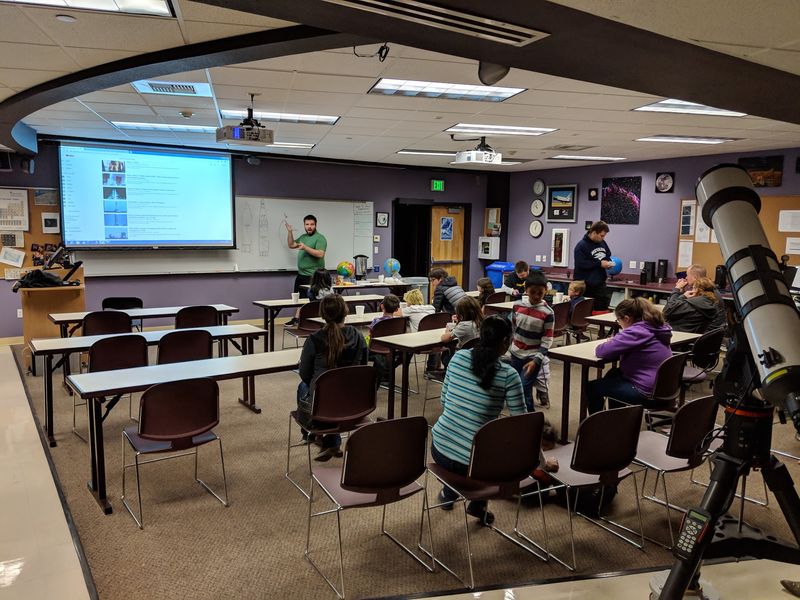
Stars are only half the story. The hill also buzzes with learning all year long.
The Jack C. Davis Observatory serves as a center for outreach in Carson City.
Classes and presentations share new developments in astronomy with students and the public.
A local astronomical society connects closely with the college and the observatory. Members support the community through education, social events, and service.
Many of the friendly helpers on public nights come from this group. Their knowledge and patience shape the whole experience.
Outside the dome stands a research-grade weather station. It collects weather data for study and analysis.
That detail surprises many first-time guests. Science here reaches beyond the night sky.
Young visitors often leave with fresh ideas about future careers. A single look through a telescope can spark a lifelong interest.
Teachers and homeschool families may find the outreach especially useful. Asking about learning programs could open new doors.
The place feels less like a museum and more like a clubhouse for curious minds. Everyone seems welcome to wonder out loud, and nobody needs to know a single constellation to belong.
Bundle Up And Bring A Red Light
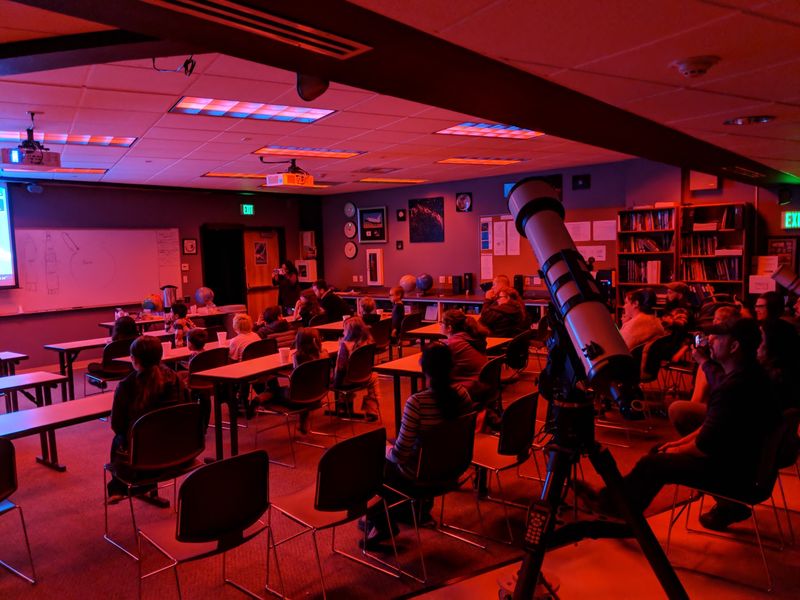
Chilly fingers and bright phone screens can spoil the magic. Smart packing fixes both.
Temperatures at the Jack C. Davis Observatory can drop sharply after dark.
Fall evenings in Nevada often feel colder than expected.
Layers work best. A warm jacket, a hat, and gloves keep the focus on the sky.
A flashlight with a red filter makes a big difference. Red light helps eyes stay adjusted to darkness.
White light from phones does the opposite. Dimming screens or skipping them helps everyone nearby too.
Comfortable shoes matter on the hill and the walkway. Paths can feel tricky once the sun disappears.
Doors open at the same early evening time all year, and lectures usually start about half an hour later, so arriving on time helps.
Getting there early also means catching sunset. Watching the sky shift from orange to deep blue makes a lovely warm-up act.
A small bag with water and snacks helps families. Kids handle waiting much better with a treat in hand.
With the right gear, the cold turns into part of the adventure. The spooky chill simply adds atmosphere to every view.
Planning The Perfect Spooky Sky Night
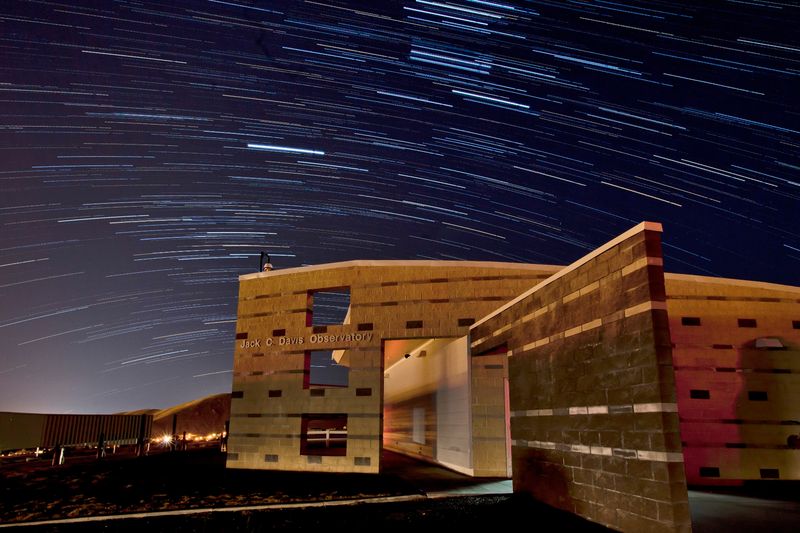
Good stargazing starts long before the first star appears. A little planning turns a nice evening into a great one.
The Jack C. Davis Observatory sits at 2269 Vanpatten Ave, Carson City, NV 89703, in the United States.
It rests behind the Western Nevada College campus.
Weather controls everything here. Wind and cloud cover can cancel viewing, so checking the forecast matters.
Public access may change at times. A quick call or calendar check prevents a disappointing drive.
Moon phase deserves a look too. Darker nights reveal more stars, while moonlit nights spotlight craters.
October and early November bring that classic spooky mood. Long nights give more time for viewing.
Pair the evening with a stroll down the Planetary Walkway. The carved stones make a fun opening scene.
Bring questions, warm layers, and a red light. Leave expectations flexible, since skies change quickly.
Even a cloudy night can still offer a lecture and friendly chats. Many guests return for a clearer second try.
In the end, this hilltop delivers wonder without a price tag. Few autumn outings mix science, mystery, and community quite so well.