
This Massachusetts House Was Built From 100,000 Newspapers, And You Can Still Read The Old Headlines On The Walls
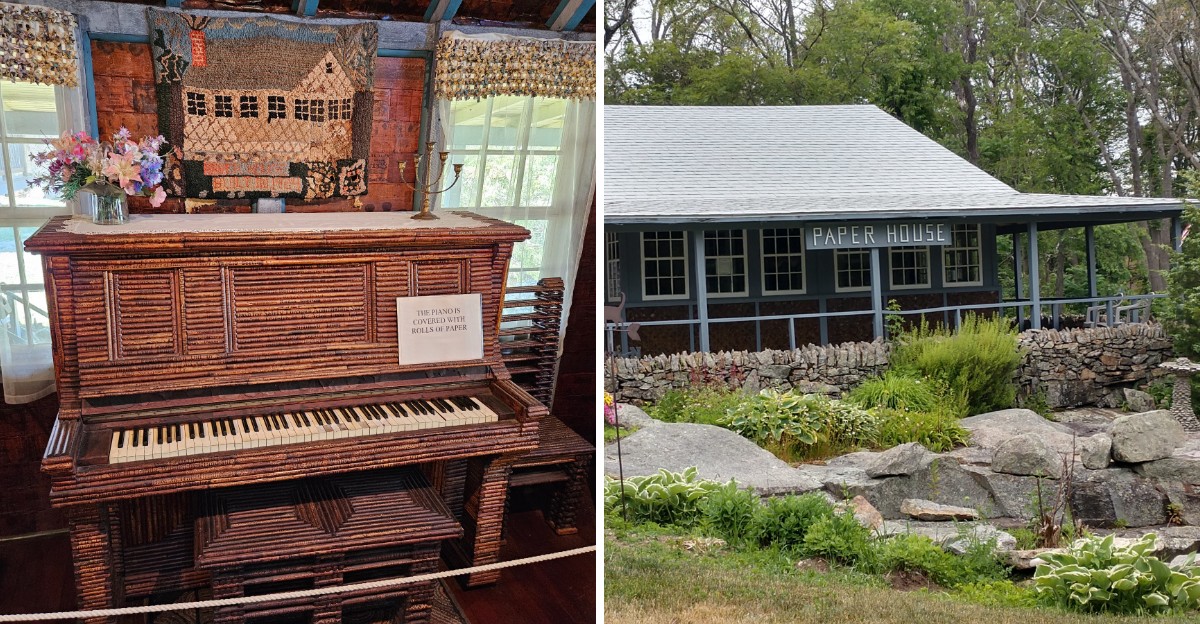
Picture a cozy little cottage glowing amber, its walls stitched together from 100,000 newspapers.
Yes, actual newspapers. Stacked, pasted, varnished, and still standing strong after a full century on the Massachusetts coast.
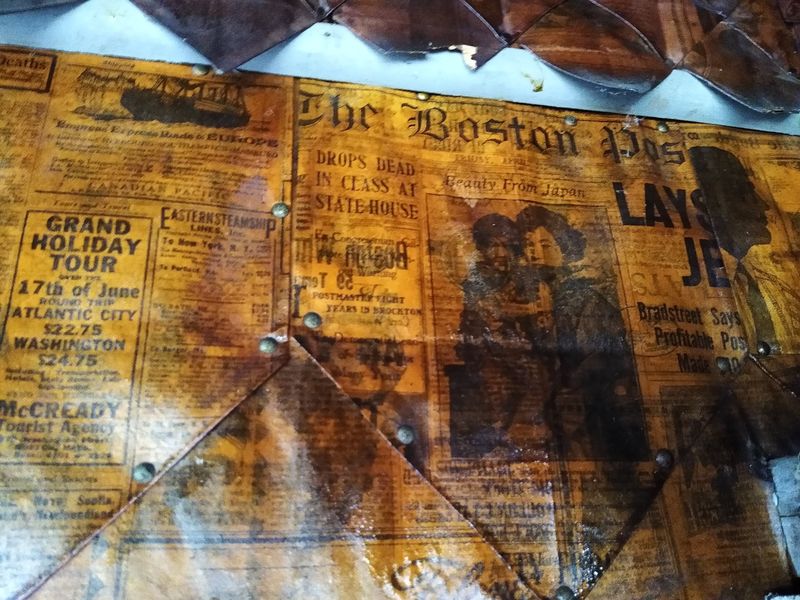
Lean close and the walls start talking. Old headlines from the Roaring Twenties pop out under that glossy shine, like a time capsule you can read standing up.
And the walls are only the warm-up. Wait until you spot what the furniture is made of, because the surprises keep stacking up around each corner.
Kids turn into detectives here, and grown-ups turn right back into kids.
Quirky road trips through Massachusetts rarely get better than a house built from yesterday’s news. Keep it in mind for your next coastal wander.
An Engineer With A Wild Paper Idea
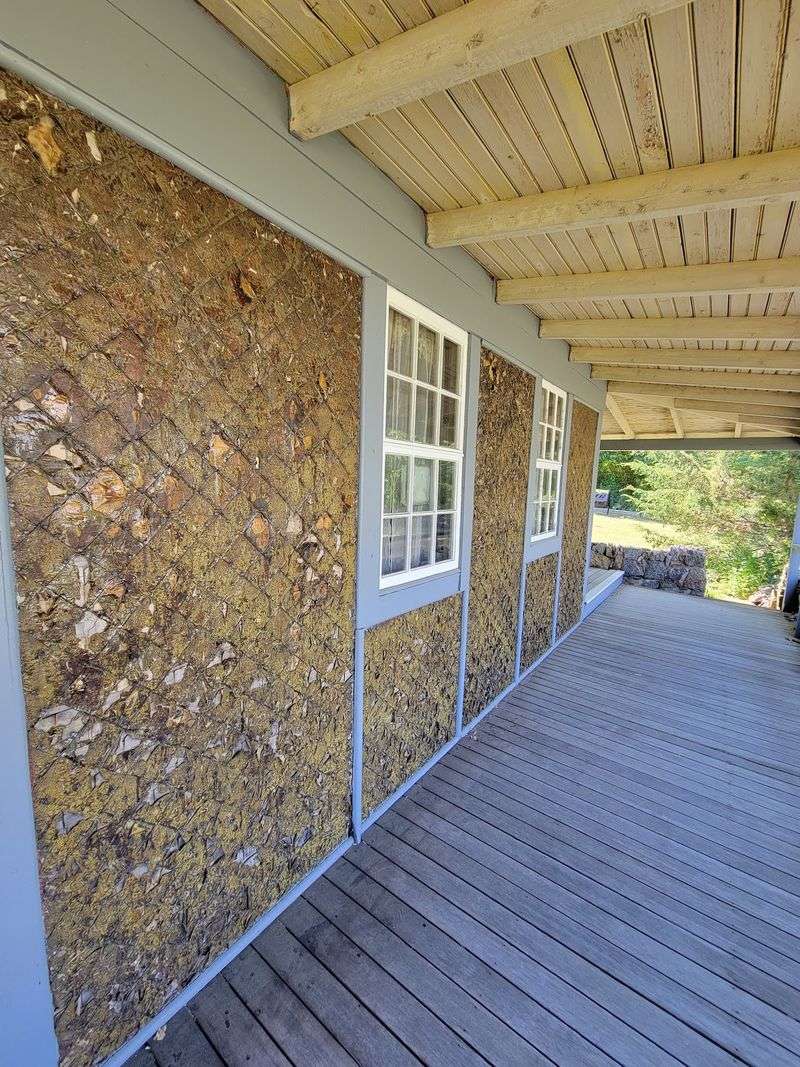
Who builds a summer home out of yesterday’s news? A curious mechanical engineer did, starting in 1922.
He loved tinkering and inventing. Records say he even designed machines that made paper clips.
His big question was simple. Could paper work as insulation, and could it last for years outdoors?
So he built a regular wooden frame, floor, and roof. Then he filled the walls with newspaper instead of boards.
The main structure of the Paper House was finished by about 1924. After that, he kept experimenting with paper inside the home.
Many visitors leave thinking about the patience this required. Folding, pressing, and gluing stacks of paper takes serious dedication.
The project also shows an early love of reusing materials. Long before recycling bins lined every street, he turned old papers into walls.
Kids especially enjoy this part of the story. It proves that a weird idea can become something real with enough effort.
Teachers and parents might use the visit as a fun science lesson. It sparks great talks about materials, weather, and testing ideas.
Massachusetts has plenty of grand historic homes. This one stands out because it started as a backyard experiment that simply refused to quit.
Walls Made Of 215 Layers
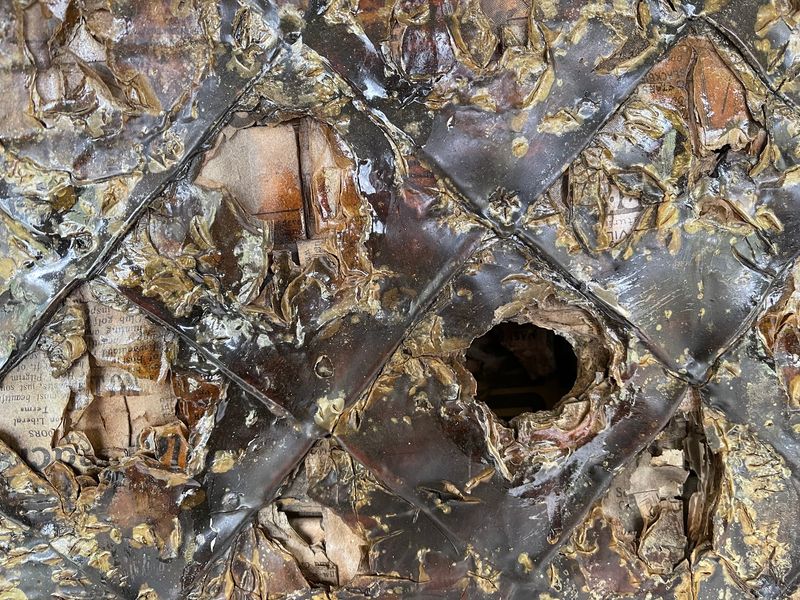
Paper walls sound flimsy, right? Think again, because these panels pack serious thickness.
Each wall holds roughly 215 layers of newspaper. Pressed together, the stacks form panels about one inch thick.
That adds up to an estimated 100,000 newspapers across the whole Paper House. It is a lot of reading material turned into building material.
The wooden frame does the heavy lifting for structure. The paper panels fill the spaces and create the actual walls.
Some visitors mention a spot where a small opening shows the layers up close. Peeking in helps explain how the whole thing works.
Look for the edges and seams of the panels too. They reveal the careful, steady method behind the build.
Try counting a few layers with your eyes, not your fingers. Touching the paper is not allowed, so hands should stay in pockets.
The thickness surprises almost everyone. It turns a silly-sounding idea into a sturdy shelter that has lasted around a century.
For anyone who loves building projects, this detail steals the show. Few places let you see construction this personal and this layered.
Flour, Water, And Apple Peels
Forget fancy store-bought glue. The secret sauce here came straight from the kitchen.
The builder mixed his own paste from flour and water. He added sticky extras, including apple peels, to help it grip.
That homemade glue bonded thousands of sheets together. It sounds like a school craft project, scaled up to house size.
Once the panels dried, they needed protection from the weather. That is where marine varnish entered the picture.
Several coats of varnish sealed the paper against rain and damp sea air. It also gave the walls their glossy, amber shine.
The varnish did another clever job. It helped keep many original headlines readable after all these years.
Over time, the exterior has been re-varnished to keep it safe. Careful upkeep lets the Paper House survive coastal winters without hiding the print.
Some outer areas may show weathering or peeling layers. That wear is part of the charm and the story.
Home cooks will grin at this detail. Who knew a pantry recipe could hold a house together for about a hundred years?
Headlines From The Roaring Twenties
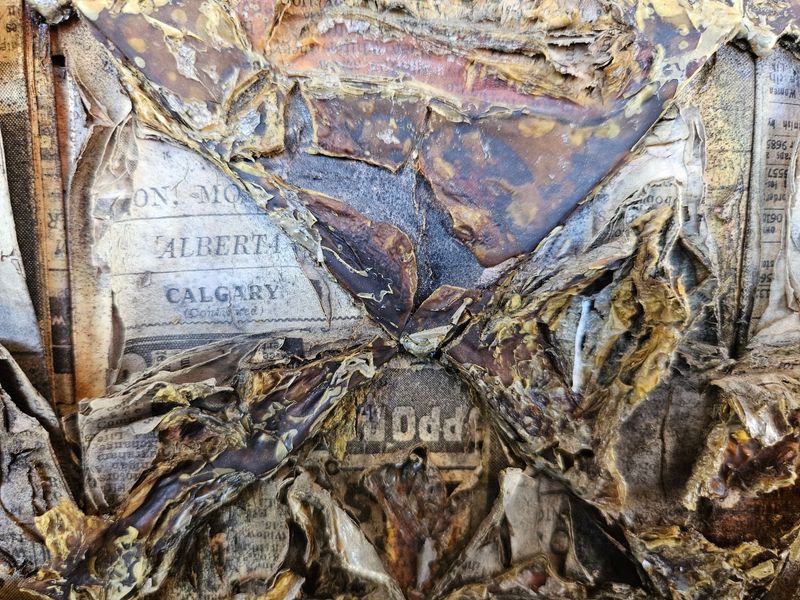
Ready for a history lesson without a textbook? Just lean in and read the walls.
Headlines and ads from the 1920s cover surfaces all over the Paper House. The print stays visible under its shiny coat of varnish.
Sharp eyes can find stories about the famous 1927 flight across the Atlantic. That trip made headlines around the world.
Other pages cover the 1928 presidential campaign. It feels like stepping into a time when news arrived on paper every morning.
One dramatic polar headline on the piano reads Dash for Safety Through Annihilating Seas, and it sounds like a movie poster from long ago.
Old advertisements can be just as fun. They show what products people wanted and how stores tried to sell them.
Bring a curious mindset and some patience. The best finds often hide in corners or along the edges of furniture.
Families can turn it into a scavenger hunt. Who can spot the oldest date or the funniest ad first?
Reading these walls connects visitors to everyday life a century ago. It is history you can actually see, one column at a time.
Furniture You Could Read Cover To Cover
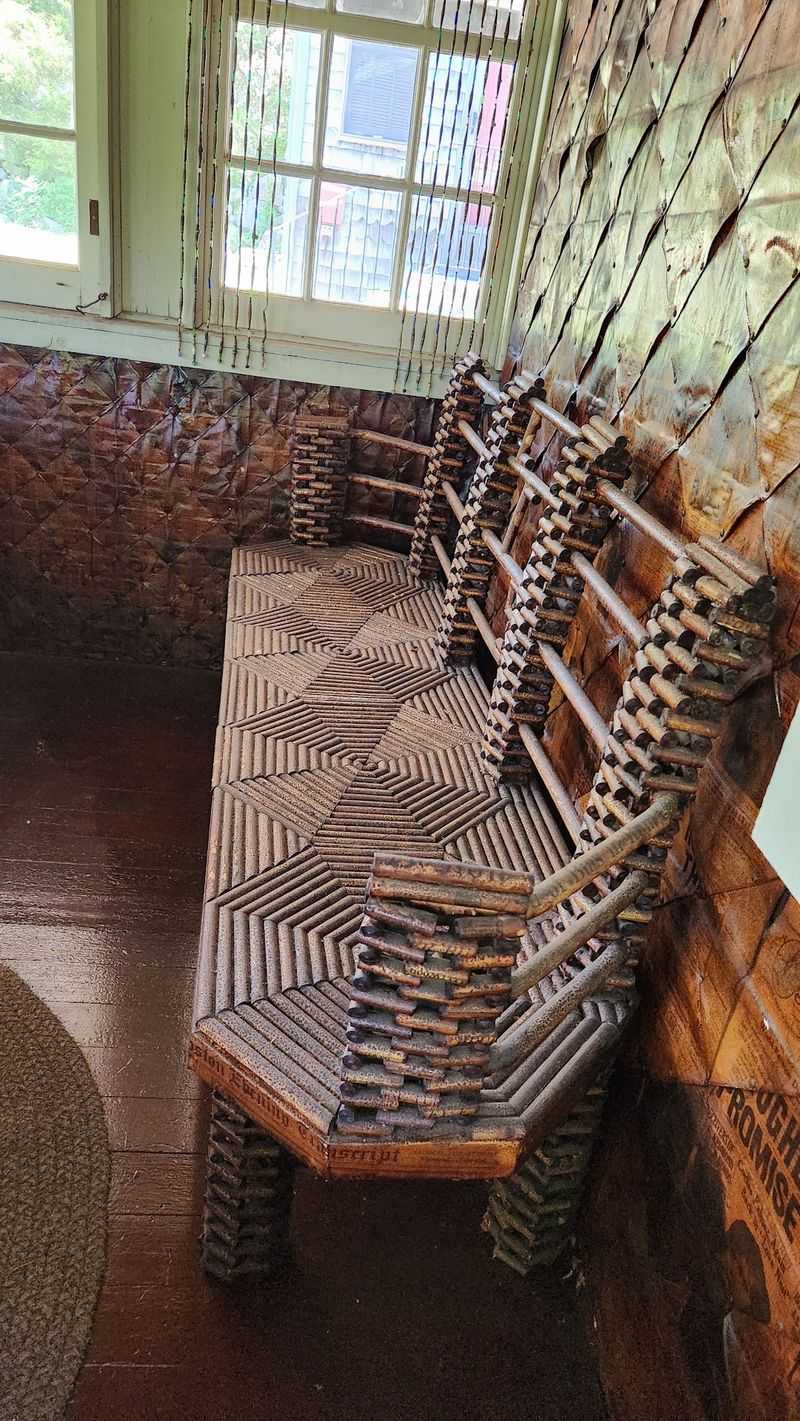
Chairs made of newspaper? Yes, and they actually work.
After the walls passed the test, the builder turned to furniture. He rolled newspapers into tight logs, then shaped them into useful pieces.
Inside, look for a writing desk, a dining table, and several chairs. A settee, a cot, lamps, and a bookshelf join the collection.
The pieces look sturdy and fully functional. Each one shows rows of rolled paper tubes, varnished to a soft glow.
The writing desk reportedly features papers about the famous Atlantic flight. Fitting, since desks are where news gets written.
A radio cabinet adds another playful touch. It mixes old technology with old news in one quirky package.
Watch for small personal marks too. The builder carved his initials into some of the chairs.
Every item inside the Paper House rewards a slow look. Patterns, dates, and fonts change from piece to piece.
Remember the golden rule here. Admire the furniture with your eyes, and keep hands, bags, and elbows clear of every surface.
A Piano Wrapped In Polar Adventures
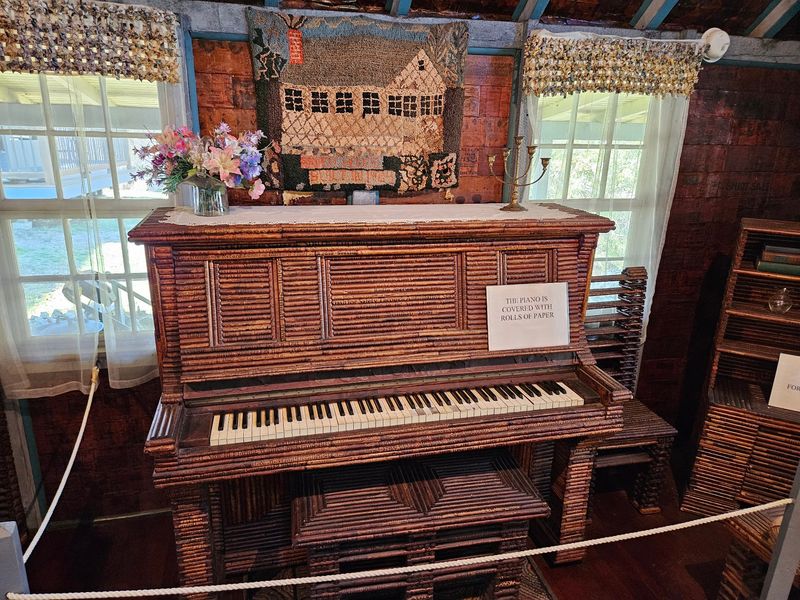
Music meets the morning paper in one of the coolest pieces inside. Meet the newspaper piano.
A real piano sits in the room, covered entirely in newsprint. The stories on it report on famous polar expeditions of the era.
It makes a perfect pairing. Icy adventures wrapped around an instrument that once warmed up family evenings.
Visitors often call the piano a highlight of the Paper House. Some even note that headlines line up neatly to face the viewer.
That kind of detail shows real care. The builder wanted the reading experience to feel smooth and intentional.
Take a moment to scan the keys area and sides. The layout of the clippings changes as you move around it.
It may be tempting to play a tune. Still, remember the strict no-touching rule for all paper surfaces.
Photography is allowed inside, so the piano makes a great picture. Step back a little to capture the whole thing.
Music lovers and history fans both get something special here. It plays a quiet song of the 1920s without a single note.
A Clock That Covers 48 States
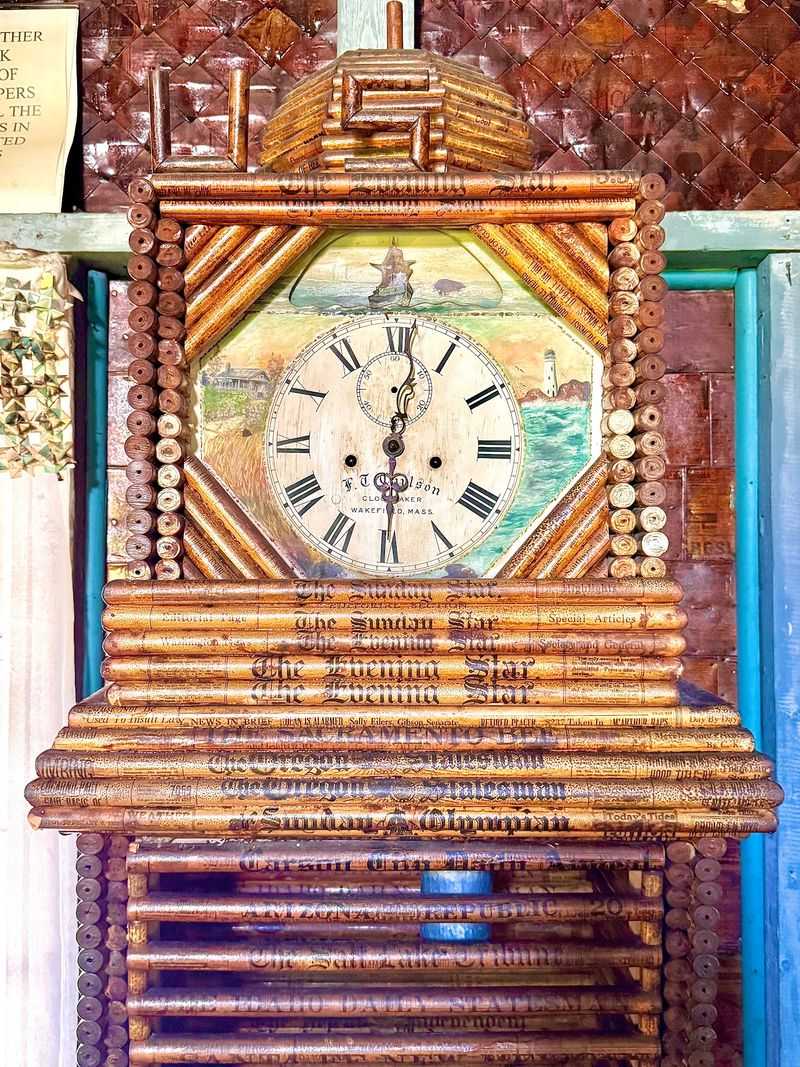
Tick, tock, read the clock. This grandfather clock tells more than time.
Built from paper, the tall clock holds newspapers from each of the 48 states. That was the full count back when it was made.
Finding every state could keep visitors busy for a while. It is like a geography quiz built into a piece of furniture.
Look closely for a page from Massachusetts among the others. Spotting the home state adds a fun local twist.
The draperies deserve attention too. They are made from magazine covers, woven or arranged into curtains.
Those curtains bring color and texture to the small room. They prove the builder thought about style, not just science.
The Paper House keeps surprising guests in every corner. Even everyday items get a clever paper makeover.
For kids, the clock sparks easy questions. Why only 48 states, and which two came later?
Answering that turns a quick look into a mini history lesson. Time well spent, in every sense of the phrase.
Brick Fireplace, Paper Mantel
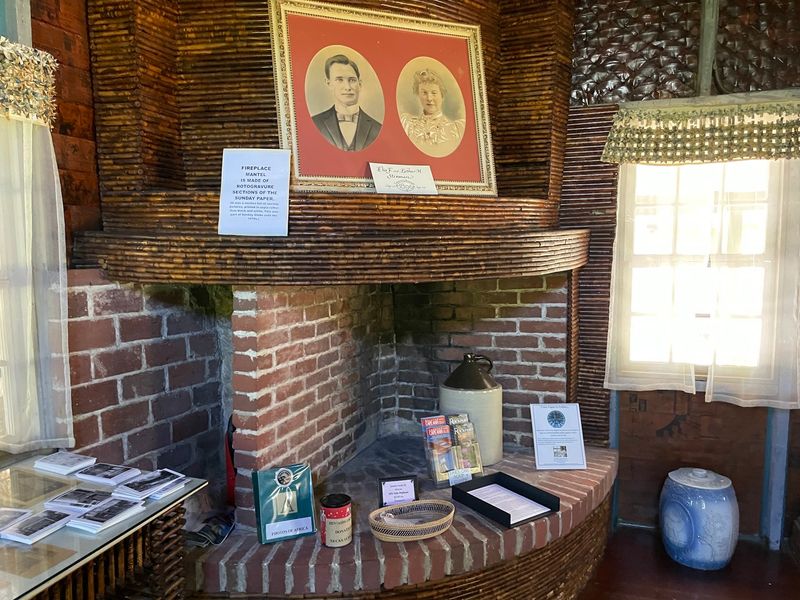
A fireplace in a paper house sounds like a bad joke. Luckily, the builder had some common sense.
The fireplace and chimney are made of brick. That practical choice keeps heat and flame away from the walls.
Here is the funny part. The mantelpiece above it is made of paper.
Technically, the fireplace could be used. Still, lighting a fire inside a varnished paper house would be a very poor idea.
That mix of caution and cleverness shows up all over the Paper House. The roof and floor are also wood for strength.
In the 1930s, a porch with an extended roof joined the house. It gives the exterior paper walls extra shelter from rain and snow.
These choices helped the house survive near the Massachusetts coast. Salt air and stormy seasons can be rough on any building.
Visitors should note a strict no-smoking rule. It protects this fragile treasure for future guests.
The fireplace makes a great conversation starter. It perfectly sums up a house where creativity and caution shared the same room.
From Summer Hideaway To Family Museum
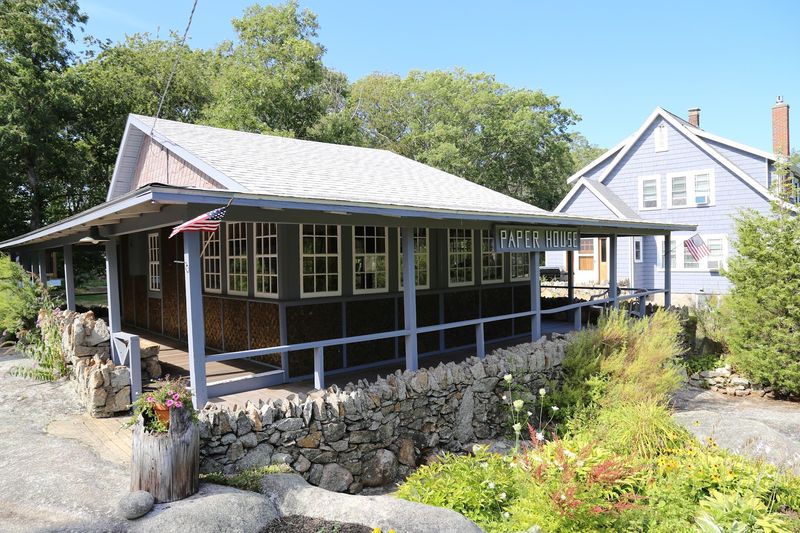
Most summer homes stay private. This one became a tourist stop almost right away.
The builder and his wife used the Paper House as a summer retreat until 1930. It was their cozy seasonal escape.
Word spread fast about the strange newspaper cottage. By 1927, curious travelers were already stopping by to see it.
Visitors kept arriving through the 1930s, and the house became a full museum with an admission fee after the builder passed away in 1942.
That shift opened its doors to the public for good.
Today, descendants of the original builder continue to run it. Keeping it in the family adds a warm, personal feel.
That ongoing care matters. Paper needs regular attention, and the family has kept the house looking strong.
Visitors often thank the owners for preserving this piece of Massachusetts history. The neat grounds and rock garden show that effort.
The museum remains small and simple. There are no fancy exhibits, just the house and its remarkable contents.
That simplicity is part of the magic. It feels less like a big attraction and more like a peek into a family’s long-running passion project.
Smart Tips For A Smooth Visit
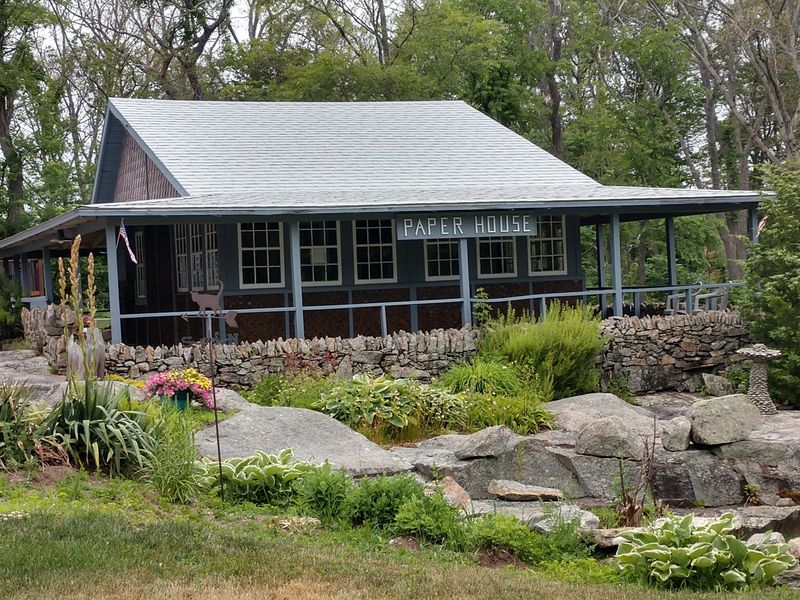
Planning a stop? Good news, it is easy and laid-back.
The Paper House sits at 52 Pigeon Hill Street in Rockport, Massachusetts, in the United States. It hides inside a quiet residential neighborhood.
To get there, follow Route 127 North toward Pigeon Cove. Then turn onto Curtis Street and continue to Pigeon Hill Street.
Parking is usually on the street. Be respectful, since neighbors live right next door.
Tours are self-guided, so you explore at your own pace. Admission works on an honor system, with a small suggested cash fee for adults and children dropped into a box nearby.
Photos are welcome inside. Touching paper surfaces and smoking are strictly off-limits.
The interior is small and a bit enclosed. Visit in small groups so everyone gets a good look.
Most guests spend a short time here. It pairs nicely with a wider day exploring Rockport and the coast.
Opening seasons can vary, so check ahead before driving out. Then enjoy one of the quirkiest stops in Massachusetts, where every wall has a story worth reading.