
This Massachusetts Thrift Store Gives Old Furniture A Second Life While Teaching Valuable Job Skills
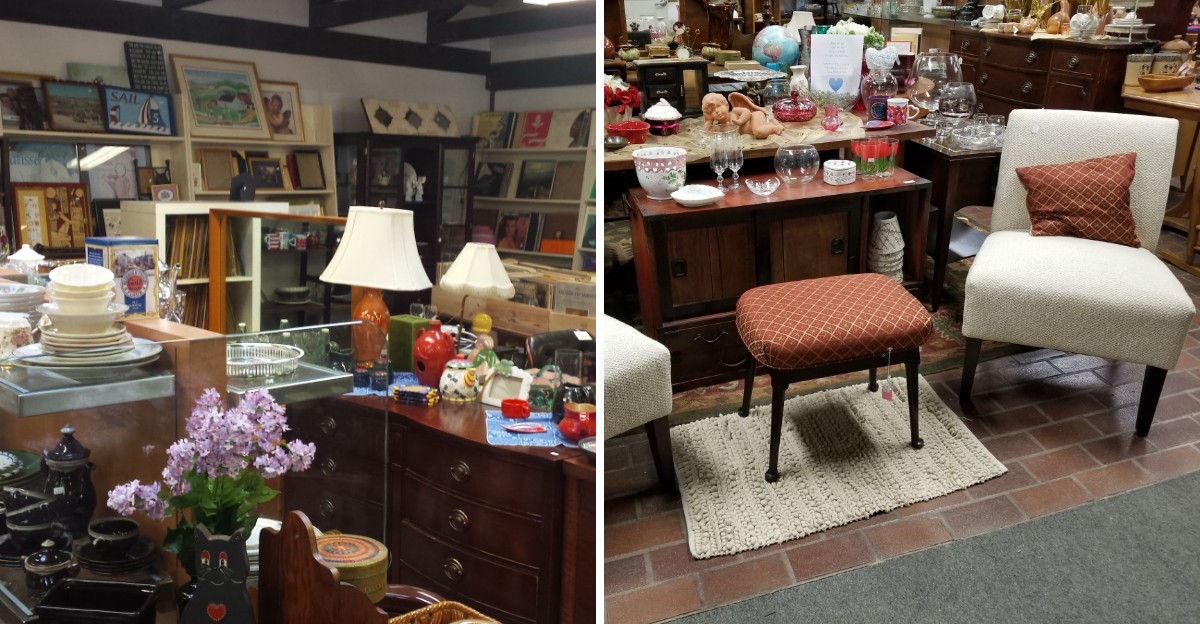
A wobbly old chair gets sanded, polished, and reupholstered here, and the person fixing it is rebuilding their own future too. The workshop teaches traditional furniture restoration to adults and teens with brain injuries and mental illness.
The thrift store out front sells clothing, jewelry, furniture, and household goods. Every purchase helps fund the training program in the back.
That is shopping with a bonus round.
This Massachusetts nonprofit has helped more than 400 people since it started. Many participants move into jobs in their chosen fields within six months to a year.
I can’t help but appreciate a place where a dresser and a career get fixed side by side.
I’d probably start with the furniture, just to see what got rescued this week. Then I’d wander toward the jewelry and the quirky kitchen finds.
A Workshop Where Broken Furniture Gets A Fresh Start
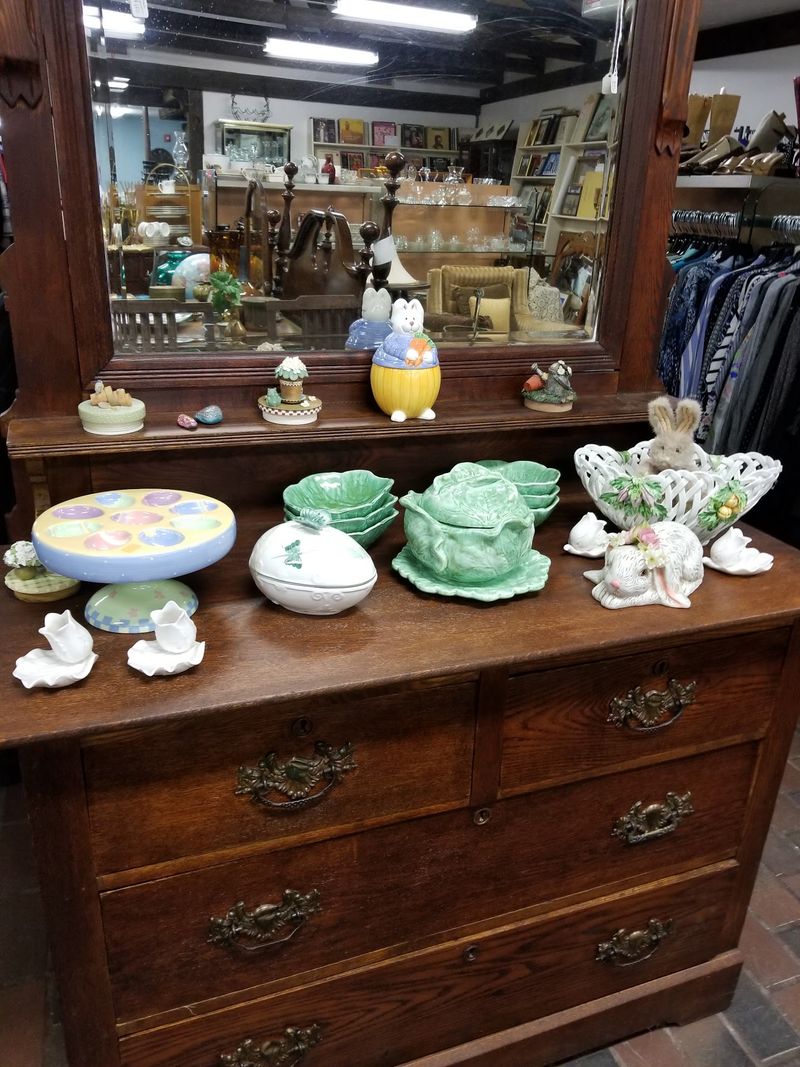
Sandpaper, stain, and patience do the heavy lifting at Restoration Project Nonprofit Resale Store & Vocational Program. Donated chairs, tables, and dressers arrive tired, and they leave looking ready for another few decades.
Participants learn traditional methods of restoration, finishing, and upholstering. That means sanding rough surfaces, cleaning off years of grime, and polishing wood until it shines again.
Repairs go beyond the surface too. A loose spindle or a cracked leg gets fixed instead of tossed.
Honestly, that’s more effort than most of us give our own furniture.
Reupholstering is part of the lesson plan as well. Faded fabric gets swapped for fresh material, and a sad old seat suddenly looks like it belongs in a catalog.
The work is slow and careful on purpose. Each step teaches focus, planning, and follow-through, which are skills that matter in any job.
So when you spot a restored piece in the store, take a closer look. Somebody spent real hours bringing it back.
That table didn’t just get lucky, it got trained hands.
Good luck walking past a refinished dresser without running your hand along the top.
The Real Mission Is Rebuilding Lives, One Project At A Time
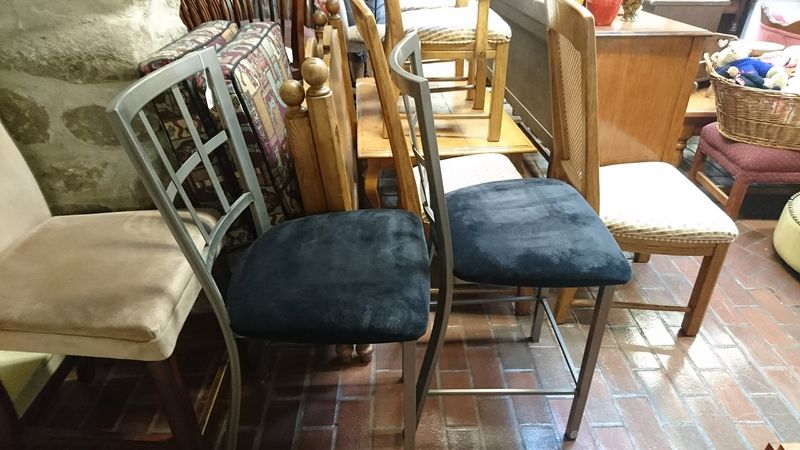
Furniture is only half the story here. The bigger goal is helping people with neurological challenges get back to self-sustaining lives.
Restoration Project serves adults and adolescents living with mental illness and brain injuries. That includes traumatic brain injuries, PTSD, and special education high school students.
Why furniture, of all things? The hands-on work is therapeutic.
Focusing on one careful task helps calm the mind and builds a strong sense of accomplishment.
The training methods are designed to improve cognitive functioning. They help counteract some of the effects that neurological disorders can have on memory, attention, and planning.
Think about how good it feels to finish a tough puzzle. Now imagine that feeling attached to a beautiful chair you rebuilt yourself.
That’s powerful stuff.
The program is award-winning, and it’s easy to see why. It treats people as capable learners, not as problems to manage.
Every sanded edge becomes a small win. Stack enough small wins together, and confidence starts showing up for work too.
I would definitely make time to learn more about this side of the place before shopping. It changes how every price tag feels.
Behind The Register Is A Whole Job Training Classroom
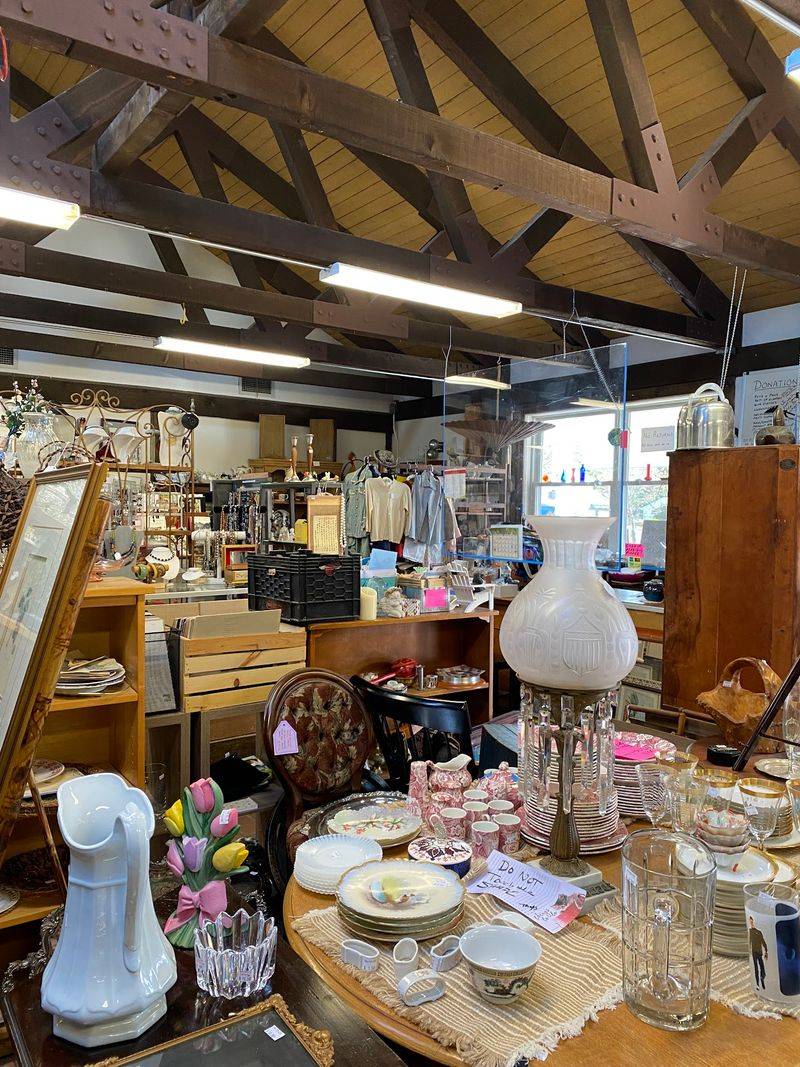
Ringing up your purchase might look simple. For participants, though, the cash register is part of a real-world training ground.
The attached thrift store gives people hands-on retail experience. They learn how to organize merchandise, set up displays, and handle sales at the counter.
Some participants may also help with online sales on sites like eBay or Etsy. That’s a pretty modern skill set to pick up while working in a secondhand shop.
These are transferable skills, which means they travel well. Customer service, inventory, and money handling show up in tons of jobs beyond thrift stores.
The program offers transitional employment, a stepping stone between training and a regular job. It gives participants a chance to practice in a supportive setting first.
A career counselor and a job developer help guide the next steps. Many participants move into employment in their chosen fields within six months to a year.
So here’s a friendly tip. Be patient and kind at checkout.
The person helping you might be learning something new that day.
Your smile could be part of their success story, and that costs you exactly nothing.
Bring A Tote Bag Because The Shelves Keep Changing
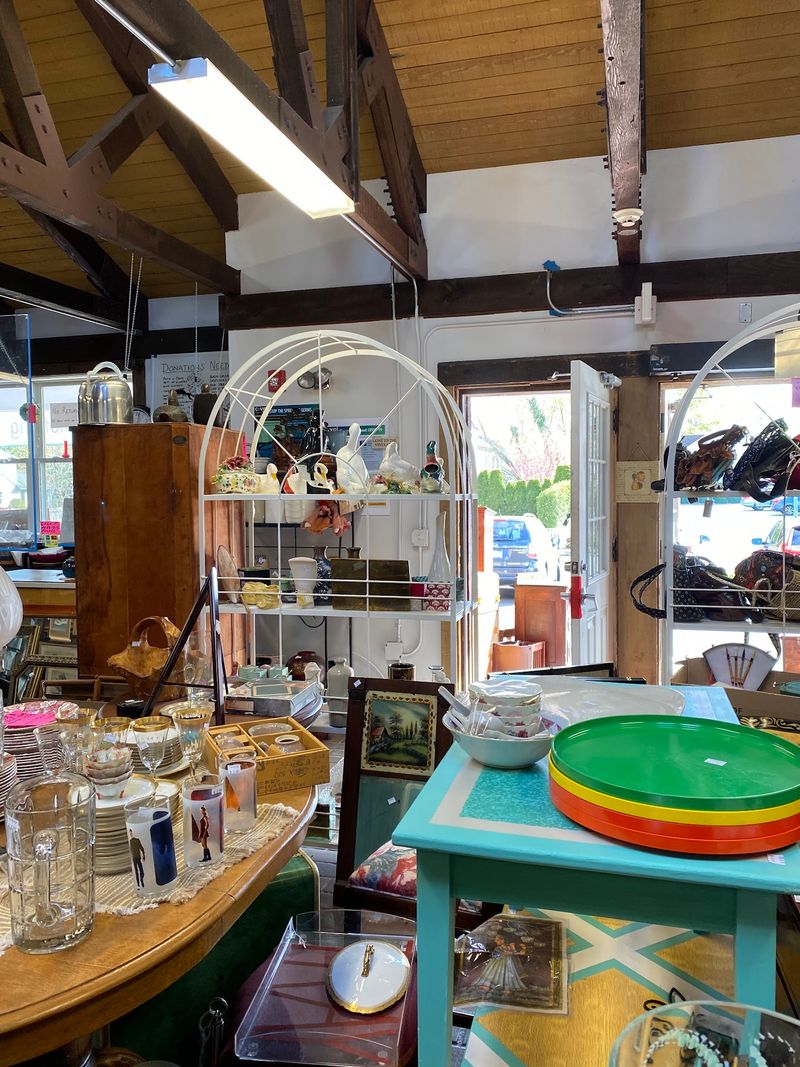
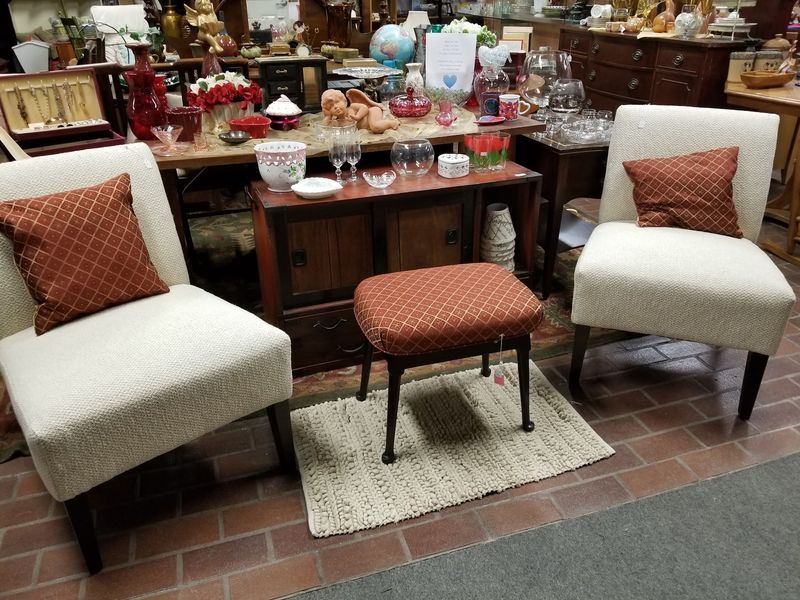
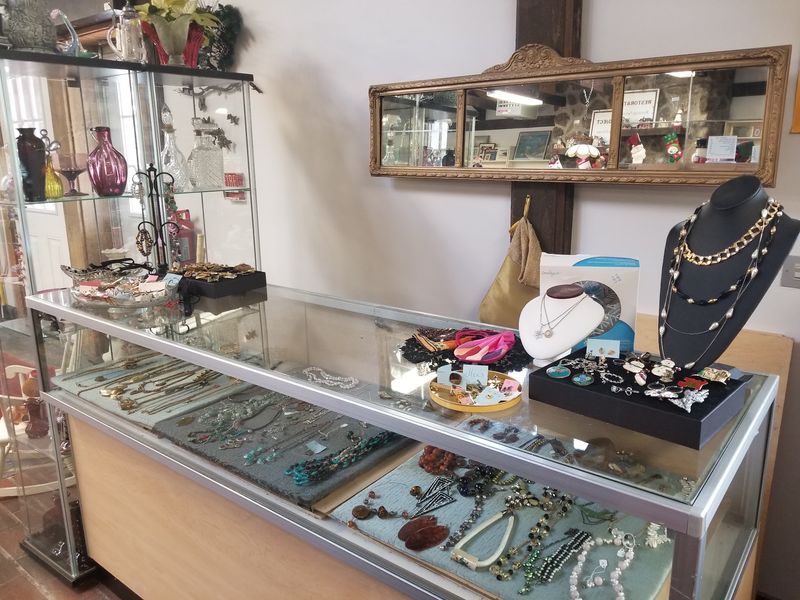
Clothing racks, jewelry cases, kitchen gadgets, and framed art all share the floor at this Belmont shop. It’s an ever-changing mix, so what you see today might be gone tomorrow.
The store carries quality clothing and fashion accessories. You’ll also find furniture and household goods, which makes it a fun stop for apartment hunters and decorators.
Because everything comes from donations, the selection is wonderfully unpredictable. One week brings vintage plates, and the next might bring a funky lamp you never knew you needed.
That surprise factor is the whole fun of thrifting. You’re not shopping from a list.
You’re hunting.
Some items carry special pricing, so it pays to look closely. The store has also added date codes to its price tags to help items sell in a more timely way.
My advice? Give yourself time to browse every corner.
The best finds often hide behind something boring.
Also, check the small decorative pieces carefully. Tiny treasures have a sneaky habit of showing up on lower shelves.
And yes, you will probably leave with something you didn’t plan to buy.
Your Old Dresser Could Fund Someone’s New Career
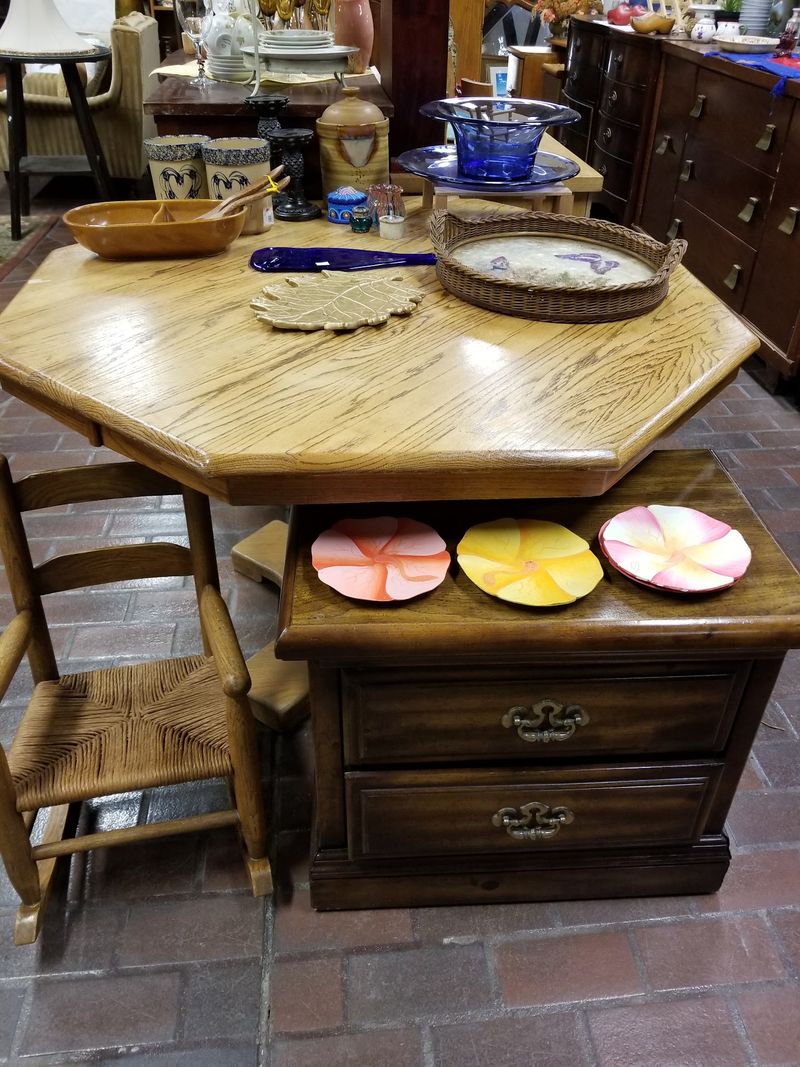
Cleaning out the basement just got a lot more meaningful. Donations of saleable items are accepted and appreciated, and the proceeds go straight to supporting the vocational program.
That means your extra lamp or unused dishes do double duty. They clear space in your home and help someone build real job skills.
Furniture donations are especially useful here. A worn piece can become a training project in the workshop before landing back on the sales floor.
Before loading up the car, though, think like a shopper. Would someone actually want to buy this item?
If yes, it’s probably a good candidate.
Clean things up a little before dropping them off. A quick wipe-down helps the store and shows respect for the people sorting through donations.
Clothing, accessories, and household goods all fit the store’s mix. Broken junk, not so much.
It’s a satisfying cycle when you think about it. Your stuff gets a second life, the store raises funds, and participants gain experience.
Honestly, that beats letting an old bookshelf gather dust in the garage for another decade. Your future self, and your garage, will thank you.
A Mother’s Promise Started It All Back In 1993
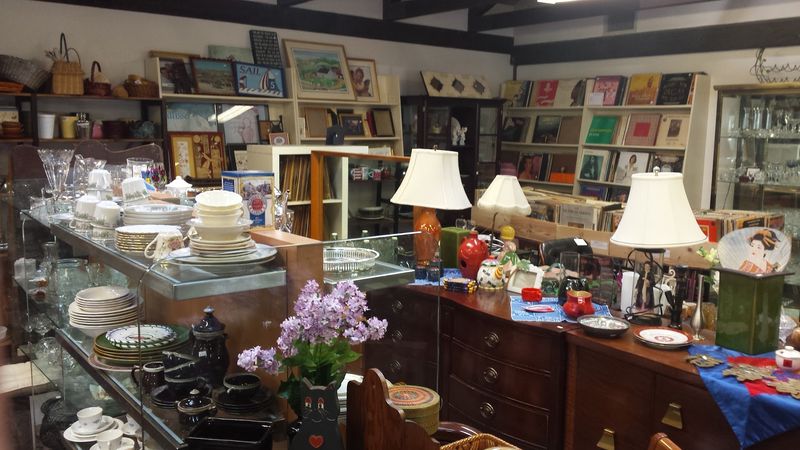
Eloise Newell founded the Restoration Project in 1993. She continued the program as a way to serve others after the loss of her son.
That origin gives the whole place a deeply personal heartbeat. It grew from love and a wish to help people facing tough neurological challenges.
The program began in Eloise Newell’s home workshop before later operating in West Concord, Massachusetts. For many years, it quietly helped participants rebuild skills and confidence there.
Over time, the program kept growing. More than 400 individuals have taken part since it began, which is a lot of lives touched by sanding blocks and patience.
It’s rare to find a shop with a story this meaningful behind the counter. Most stores start with a business plan.
This one started with a promise.
Knowing the history makes browsing feel different. That vintage mirror or restored side table connects to decades of steady, caring work.
So the next time a price tag catches your eye, remember the bigger picture. You’re supporting a mission that has lasted more than thirty years.
Not bad for an idea that began with one family’s heart.
Why A Move To Belmont Changed Everything
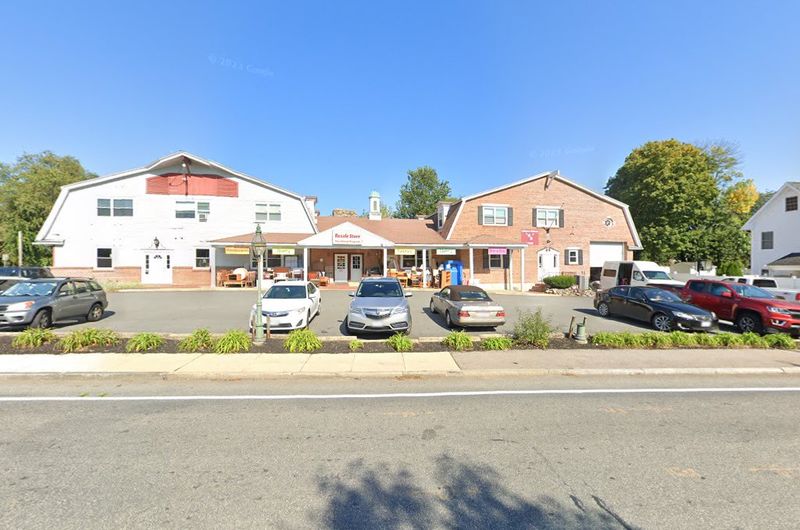
In 2016, the program packed up and moved to Belmont. The goal was simple: make it easier for participants to reach.
You’ll find it today at 334 Pleasant Street, Belmont, MA 02478. The location sits in a pleasant neighborhood close to the Boston area.
The move did something else important too. It made room for the connected thrift shop, which now helps fund the vocational program.
Talk about a smart upgrade. The store gives participants a place to practice retail skills while also bringing in money for training.
Parking can be limited, so plan ahead a bit. A little patience in the lot goes a long way.
The shop is open seven days a week. Hours run 10 AM to 5 PM Monday through Saturday, and 11 AM to 5 PM on Sunday.
That Sunday schedule is handy for weekend thrifters. You can sleep in, grab breakfast, and still have plenty of browsing time.
For a Massachusetts shopping stop with purpose, the timing and location make it easy to fit into a lazy afternoon. Your Saturday plans just got a little more interesting.
Skilled Hands And Kind Hearts Are Always Welcome
Got a knack for woodworking? Restoration Project could use your talents.
Skilled volunteers help repair donated furniture and keep the workshop humming.
Not handy with tools? No problem at all.
Resale store volunteers help organize merchandise and assist with sales on the floor.
There’s also a special role for furniture program volunteers. They offer one-on-one support to participants working through projects in the shop.
That kind of personal attention can make a huge difference. Learning feels easier when someone patient is right beside you.
Volunteering here is a great fit for retirees, hobbyists, or anyone who loves seeing tangible results. You get to watch both furniture and people grow stronger.
It’s also a neat way to learn something yourself. Spend enough time around restoration work, and you might finally fix that wobbly kitchen chair at home.
The organization relies on community support to keep things running. Volunteers help stretch resources and make the program more personal.
So if your weekends feel a little empty, here’s a thought. Trade one Netflix binge for a few hours of meaningful work.
Your couch will survive without you.
Smart Shopping Moves For Your First Visit
Timing your trip can help your wallet. The store has offered 25% off days on items like clothing and household goods, so keep an eye out for those.
Clothing deals are worth watching too. Promotions such as buy three, get one free have popped up, which is great news for wardrobe refreshers.
Price tags now carry date codes. That system helps older items move along, so it’s smart to check them as you shop.
Go in with an open mind rather than a strict list. Jewelry, vintage pieces, and small kitchen appliances all appear in the mix.
Furniture lovers should look extra carefully at restored pieces. Those are the stars of the show and the clearest link to the training workshop.
Bring patience along with your shopping bag. The staff works alongside a vocational program, and kindness makes the visit better for everyone.
Finally, think of each purchase as a small investment. Your money helps fund training for people rebuilding their lives in Massachusetts.
A cute teapot that supports job skills? That’s a souvenir with a story, and you’ll actually want to tell it.