
This Nevada Lakeshore Is Scattered With Colorful Stones Worth A Closer Look
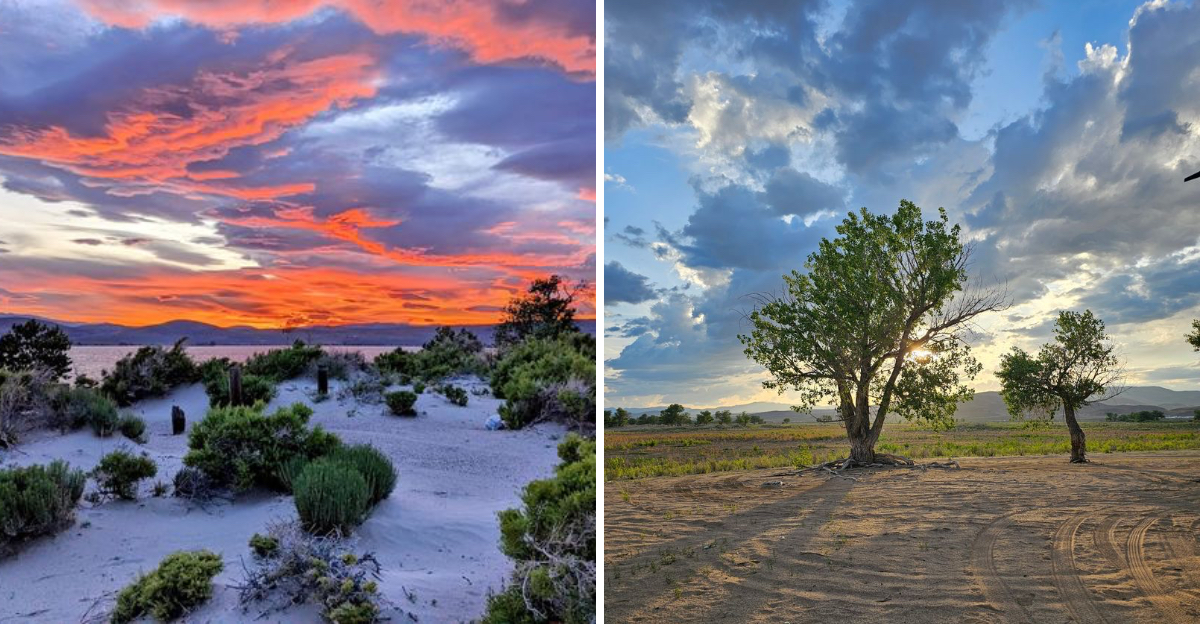
Colorful rocks are hiding in plain sight along this Nevada shoreline, and they are begging for a closer look. Streaks of jasper, chunks of agate and flecks of petrified wood wait in the sand.
Sunlight catches every piece the second you crouch down, and no two finds look quite the same. That alone makes the hunt addictive.
Beyond the rocks, fishing rods bend along calm water while paddlers glide through quiet coves. Wild horses wander the ridges above as cottonwoods blaze gold along the banks each season.
Bring a bag anyway. Bring patient eyes too, because Nevada desert ground rarely gives up its best pieces on the first pass, and once you spot your first colorful find, slowing down becomes surprisingly hard.
A Legacy Shaped By Water And Human Ambition
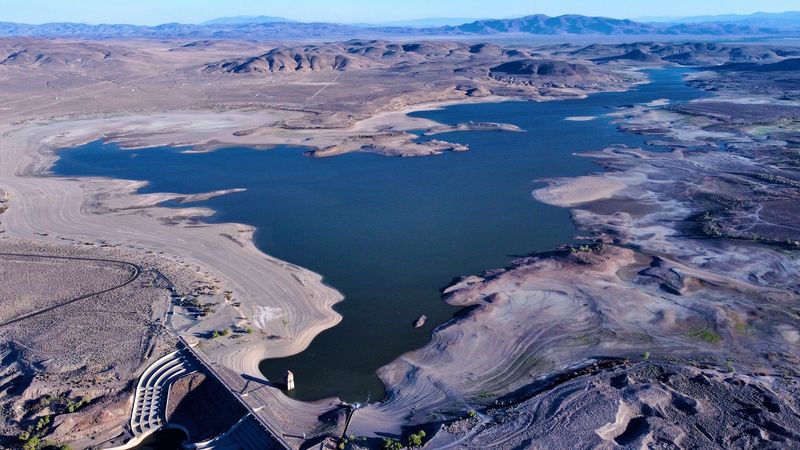
Few reservoirs in the American West carry as much historical weight as this one. Lahontan Reservoir takes its name from ancient Lake Lahontan, a colossal glacial lake that dominated much of northern Nevada during the last Ice Age, roughly 23,000 to 15,000 years ago.
Traces of that prehistoric shoreline are still visible, etched into the surrounding mountainsides like silent watermarks from another era.
The modern reservoir owes its existence to the Newlands Project, one of the earliest irrigation initiatives launched under the 1902 Reclamation Act. Construction on Lahontan Dam began in 1911 and finished in 1915.
At 162 feet high and 1,700 feet long, it was once the largest earthfill dam in the United States.
The dam was designed to divert water from the Truckee and Carson River Basins, primarily to irrigate farmlands near Fallon and generate hydroelectric power. Nevada officially recognized the site as a State Recreation Area in 1971.
Beneath the water, portions of 19th-century stagecoach routes still rest on the lake floor, adding another quiet layer to an already layered story.
Colorful Stones And The Art Of Rockhounding
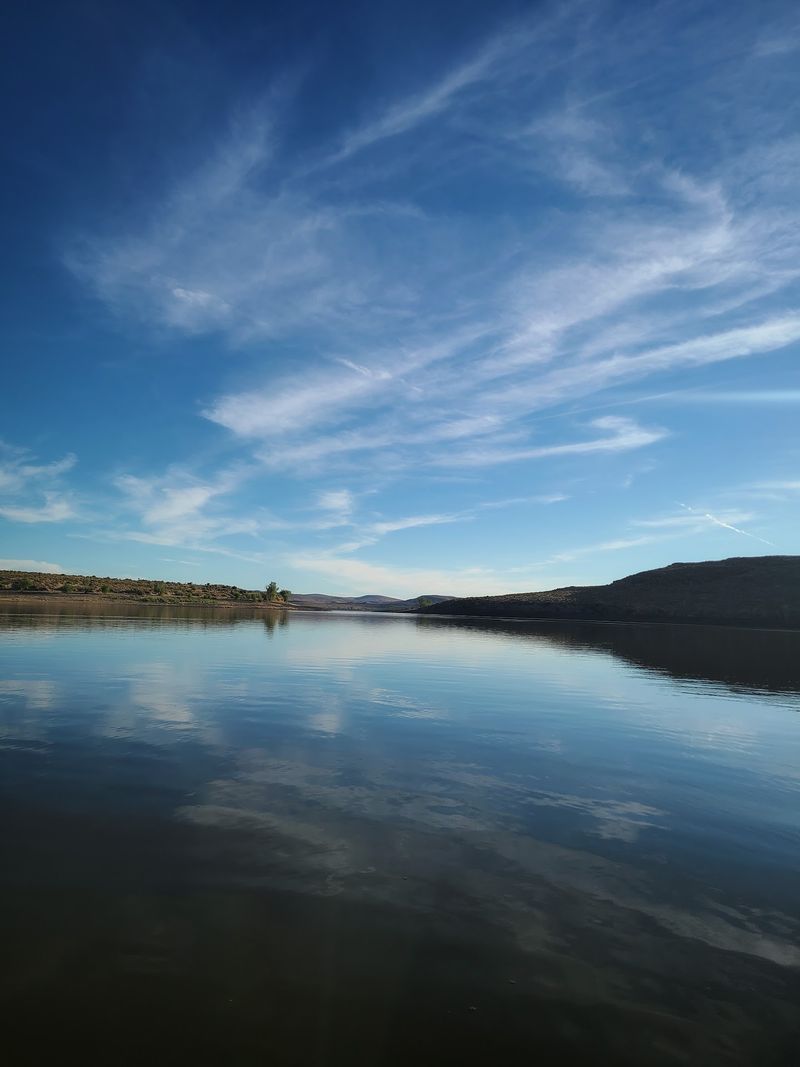
Pick up almost any rock along this shoreline and there is a decent chance it has a story millions of years in the making. Lahontan Reservoir is a well-regarded rockhounding destination, and the ancient Lake Lahontan shoreline sediments exposed around the water hold a surprising variety of beautiful specimens.
Agate, chalcedony, jasper, and petrified wood are among the most commonly found treasures here.
The geology of the area tells the tale. The ground consists largely of alluvium that formed over the last three million years.
Petrified wood, known for its toughness, often travels as float and collects in worked gravels along the reservoir’s edges. Rock fragments in the broader drainage area primarily include basalt and andesite.
Ancient volcanic flows dot the surrounding mountains as well.
Lower water levels expose more shoreline, and that is when the best finds tend to surface. Walking the slopes and washes gives the highest chance of spotting surface float pieces.
Karen Road is noted as a nearby access point for geological exploration. Always verify current collecting regulations with Nevada State Parks before pocketing any specimens.
Desert Geography That Keeps Surprising You
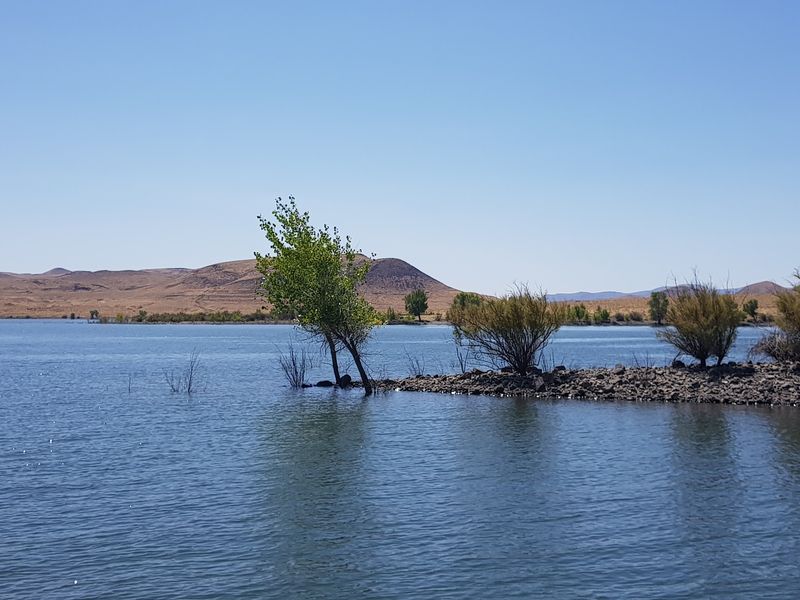
Spread across Churchill and Lyon Counties in Nevada, Lahontan Reservoir defies the idea that a desert lake should be simple. When full, the reservoir stretches across up to 11,200 acres and offers roughly 69 miles of shoreline.
It features several distinct lobes connected by narrow straits, giving the landscape a complex, almost puzzle-like shape that rewards exploration from multiple angles.
The surrounding high desert environment is dominated by sagebrush communities, though native cottonwoods and willows add splashes of green along the shoreline. Most of the park sits below 4,000 feet in elevation.
Rainfall averages less than six inches annually, making sunny skies the reliable default for most of the year.
Summer daytime temperatures can climb near or above 100 degrees Fahrenheit, though nights frequently drop below 50 degrees, offering real relief. Winters can bring cold snaps and occasional snow.
Water levels fluctuate dramatically depending on Sierra Nevada snowpack each year. Late summer often brings algae blooms in the upper basin, so checking current advisories before visiting is always a smart move.
Fishing The Desert Waters Like A Local
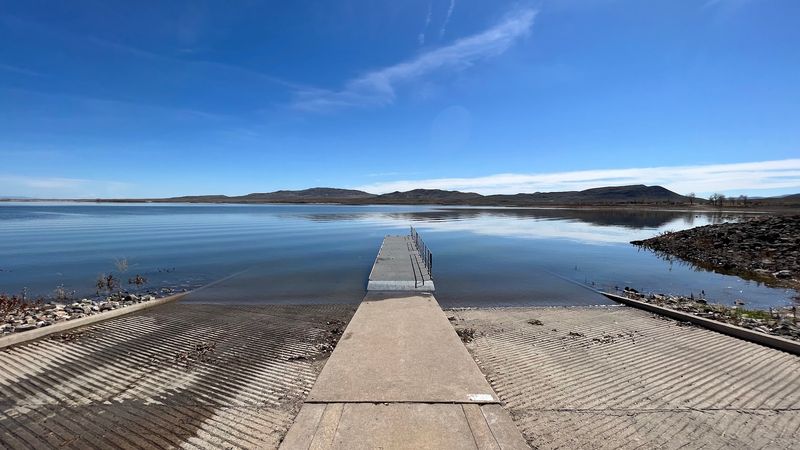
Cast a line into Lahontan Reservoir and the variety of what might bite back is genuinely impressive. Walleye, white bass, hybrid wiper, and various catfish species are all present.
Trout options include brown, rainbow, and the native Lahontan cutthroat. Largemouth bass, spotted bass, black crappie, bluegill, and common carp round out a remarkably diverse fish population for a high desert reservoir.
The best fishing windows typically run from April through July, with October offering another productive stretch. Walleye respond well to nightcrawlers, live minnows, and jigs in spring.
Catfish favor nightcrawlers, chicken livers, and minnows. White bass and wiper can be targeted by casting small spoons or trolling during schooling periods.
Bass species tend to hold near submerged structures.
Before fishing, consulting Nevada Department of Wildlife regulations is essential. A daily creel limit of 15 game fish per person applies.
Mercury contamination from historic mining upstream has left fish here with elevated levels, and current state guidance recommends against eating any fish caught from these waters, so checking the latest health guidance before your trip matters.
Boating And Water Sports On A Desert Playground
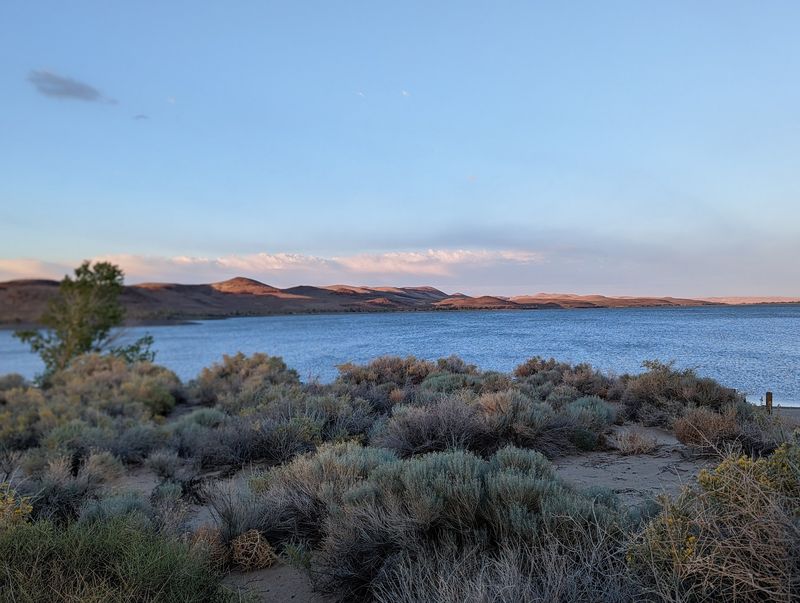
Open water, warm summers, and minimal crowds on weekdays make Lahontan Reservoir a serious playground for anyone who loves being on the water. Motorized boating and water-skiing are both permitted, and the reservoir’s size means there is usually room to spread out.
Paved boat launch facilities sit on both sides of the park, making access straightforward for most vessels.
Kayaking and canoeing are excellent options for those who prefer a quieter pace. The calm, sheltered coves scattered throughout the reservoir’s complex shoreline make these activities especially enjoyable for beginners.
Paddleboarding has also become a popular choice, particularly during the calmer morning hours before afternoon winds pick up.
One memorable paddling adventure involves launching from Fort Churchill State Historic Park and canoeing directly down the Carson River into the reservoir. This route combines natural scenery with a sense of historical connection, passing through terrain that has changed very little over the centuries.
The journey is best attempted in spring or early fall when temperatures are manageable and water levels tend to be more cooperative along the river corridor.
Camping Where The Stars Actually Show Up
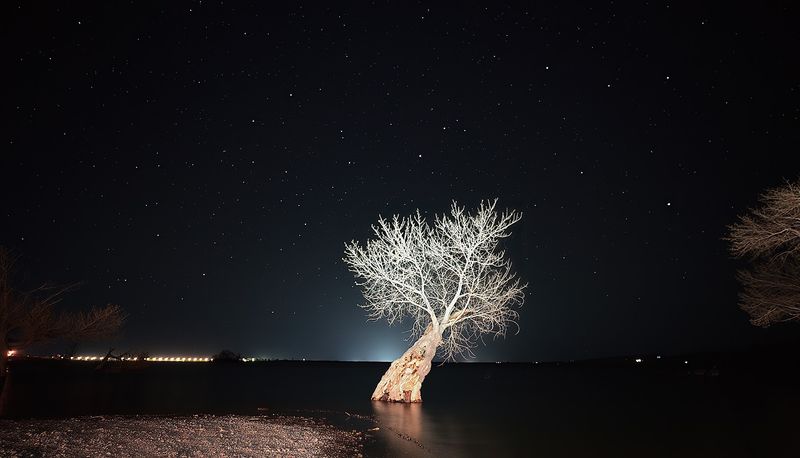
Camping at Lahontan Reservoir means trading city noise for something far more satisfying: genuine quiet, wide open skies, and the kind of darkness where stars actually perform. Developed campgrounds like Silver Springs Beach offer restrooms, picnic tables, and grills.
Some sites include electrical hookups for RVs, which is a welcome convenience in such a remote desert setting.
Primitive on-the-beach camping is permitted in most areas outside day-use and boat ramp zones. A 14-day camping limit applies within any 30-day period.
Sanitary dump stations are conveniently located near both park entrances. Showers and flush toilets in developed areas typically close from October through May, so planning around that seasonal schedule makes a real difference in comfort.
Fall tends to be the most pleasant season for camping here. Temperatures are mild, reservoir levels are often more dependable, and the cottonwood trees along the shore shift to gold.
Summer draws the largest crowds, largely because warm water makes swimming irresistible. The park remains open year-round, giving Nevada visitors a flexible option for desert escapes across all four seasons.
Hiking And Riding Through High Desert Terrain
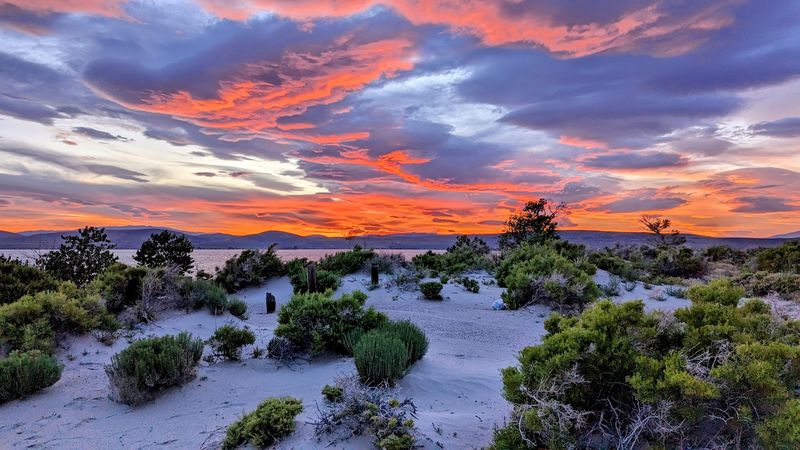
Beyond the waterline, the Lahontan landscape opens up into miles of high desert terrain that rewards those willing to explore on foot or horseback. Hiking along the reservoir’s lengthy shoreline offers sweeping views of the lake and surrounding mountains.
The terrain is rugged but accessible, and the sense of scale here is hard to find anywhere else in Nevada.
Equestrian visitors have a dedicated setup waiting for them. The Silver Springs portion of the park features a large equestrian area with substantial parking for trucks and trailers, several paddocks and corrals, and covered pavilions with barbecues and tables.
From here, riders can access hundreds of miles of sandy trails weaving around the lake and through the broader desert.
Fall is widely considered the best season for riding, when cottonwood trees blaze gold along the shore and temperatures stay cooperative. The area receives very little snow, making winter riding feasible as well.
Spring rides can bring insects, so packing repellent is wise. Wildlife sightings add an extra dimension to any trail outing, with wild horses, bobcat, fox, deer, and a rich variety of birds all calling this landscape home.
Wildlife That Thrives In An Unlikely Place
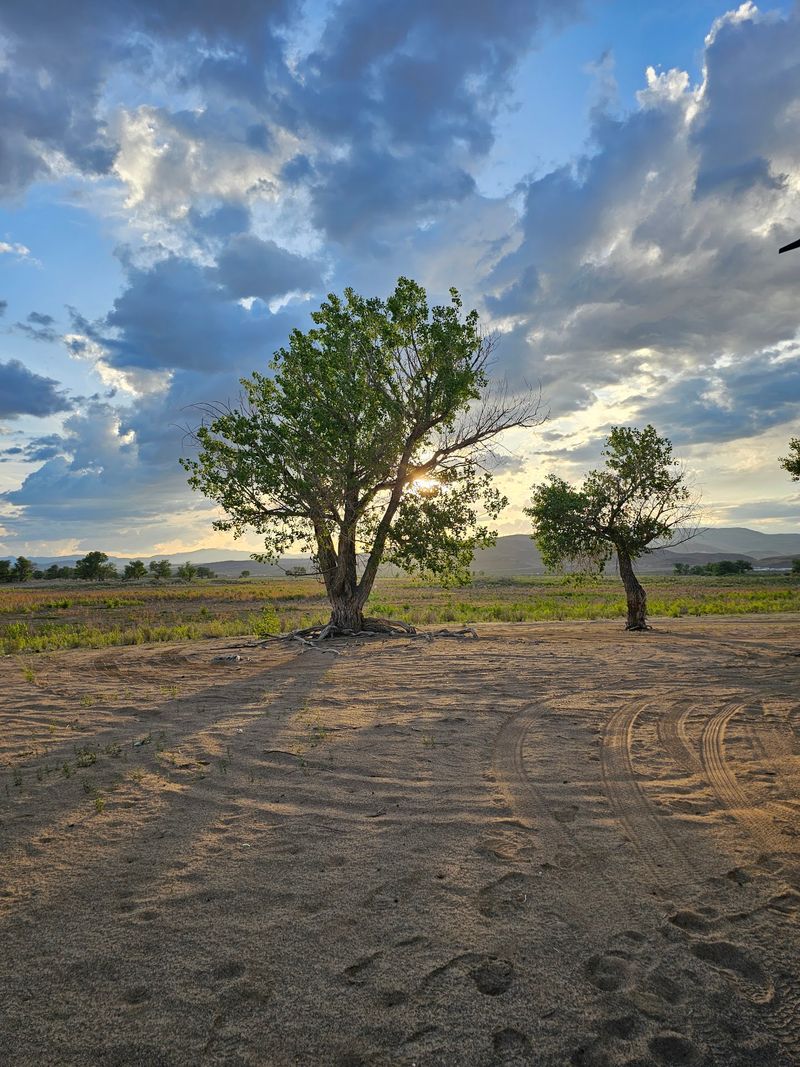
The high desert surrounding Lahontan Reservoir supports a surprising amount of wildlife, and visitors who slow down long enough tend to be rewarded. Migratory waterfowl use the reservoir as a key stopover during seasonal movements.
Pelicans, herons, egrets, and hawks are frequently spotted along the shoreline and above the water. Lahontan even serves as a nesting site for bald eagles, which adds real weight to any early morning walk along the lakeshore.
Terrestrial wildlife is equally active. Wild horses roam freely across the surrounding desert, offering one of the more iconic Nevada experiences available without a guided tour.
Bobcat, fox, and deer also inhabit the area, though they tend to be most visible during dawn and dusk hours when temperatures are cooler.
The combination of open water, marsh edges, and sagebrush uplands creates a mosaic of habitats that supports biodiversity well beyond what the landscape initially suggests. Bringing binoculars is always a smart call here.
Hunting is permitted in designated areas of the park, and those interested should consult Nevada State Parks for current regulations and any required licensing before heading out.
Petroglyphs That Predate The Reservoir Itself
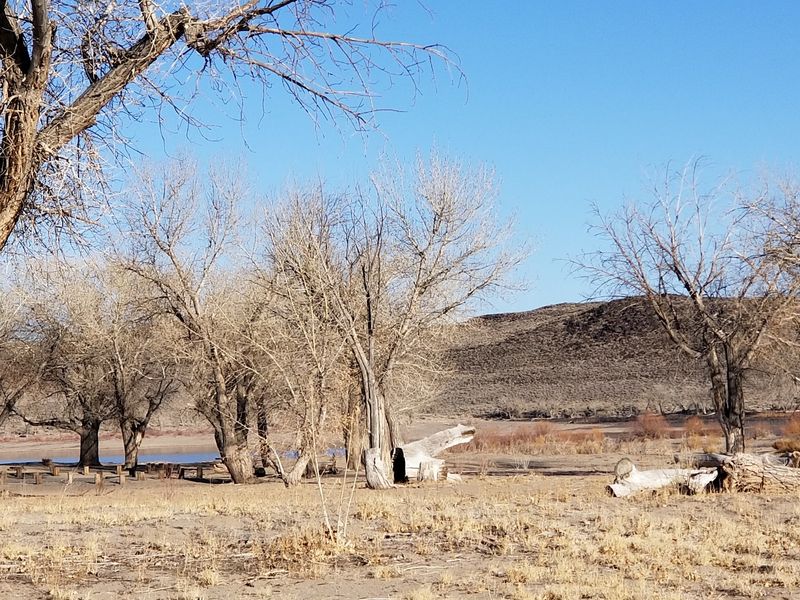
Long before the dam was built or the reservoir filled, people were leaving their marks on the rocks above what is now the waterline. The Lahontan Reservoir Petroglyph Site in Lyon County, Nevada, is one of the larger rock art sites in northwestern Nevada.
Situated above the modern shoreline, it spans approximately 5.5 acres and overlooks what was once a productive marsh environment thousands of years ago.
Tufa deposits at the site confirm that this area was submerged beneath Pleistocene Lake Lahontan during the Ice Age. By around 9,000 years ago, that ancient lake had largely receded, leaving behind playas and marshes.
The petroglyph site overlooks a marsh environment that came and went over roughly the past four thousand five hundred years, and tufa deposits confirm the ground was once submerged beneath ancient Lake Lahontan during the Ice Age.
A survey documented 208 rock art boulders, densely distributed in two main concentrations. The designs are primarily abstract, with curvilinear motifs dominating the imagery.
Representational figures are notably rare, which appears to be characteristic of rock art across northwestern Nevada. The presence of such focused artwork suggests these visits were intentional, with the rock art itself serving as the primary purpose of the journey.
Planning A Visit To This Nevada Desert Escape
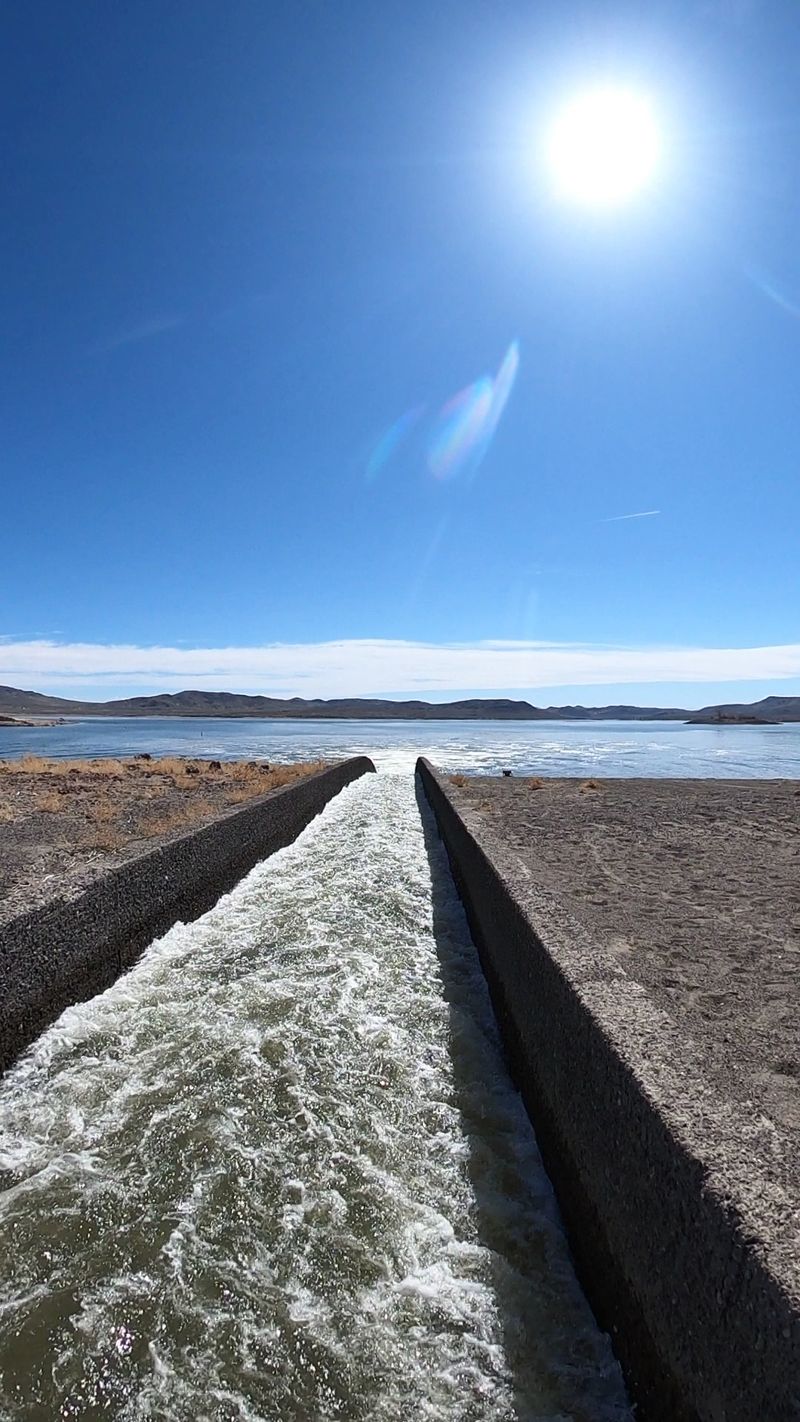
Getting to Lahontan Reservoir is straightforward once you know the right access points. The main park entrance and Ranger Station are located at the end of Fir Avenue, roughly 1.5 miles east of US 95.
Another key access point is the Churchill Beach boat launch along U.S. Highway 50, approximately one mile west of Lahontan Dam.
The reservoir sits about 18 miles west of Fallon and 45 miles northeast of Carson City, Nevada.
Spring and fall offer the most comfortable conditions for most activities. Fall is particularly reliable for fishing, paddling, and camping, with mild temperatures and dependable water levels.
Summer brings intense heat but warm water ideal for swimming. Winters are cold and quiet, with the park remaining open year-round for those who prefer solitude over sunshine.
Entrance fees vary between Nevada residents and out-of-state visitors. Developed picnic areas provide restrooms, showers, tables, and grills, though shower facilities typically close from October through May.
Soft sand roads in certain areas require four-wheel drive vehicles. Rockhounding enthusiasts should verify current collecting regulations before gathering specimens.
Mercury advisories regarding fish consumption are active, so checking current health guidance before fishing is always recommended.