
This Small Midlands South Carolina BBQ Restaurant Has Quietly Served Since 1957
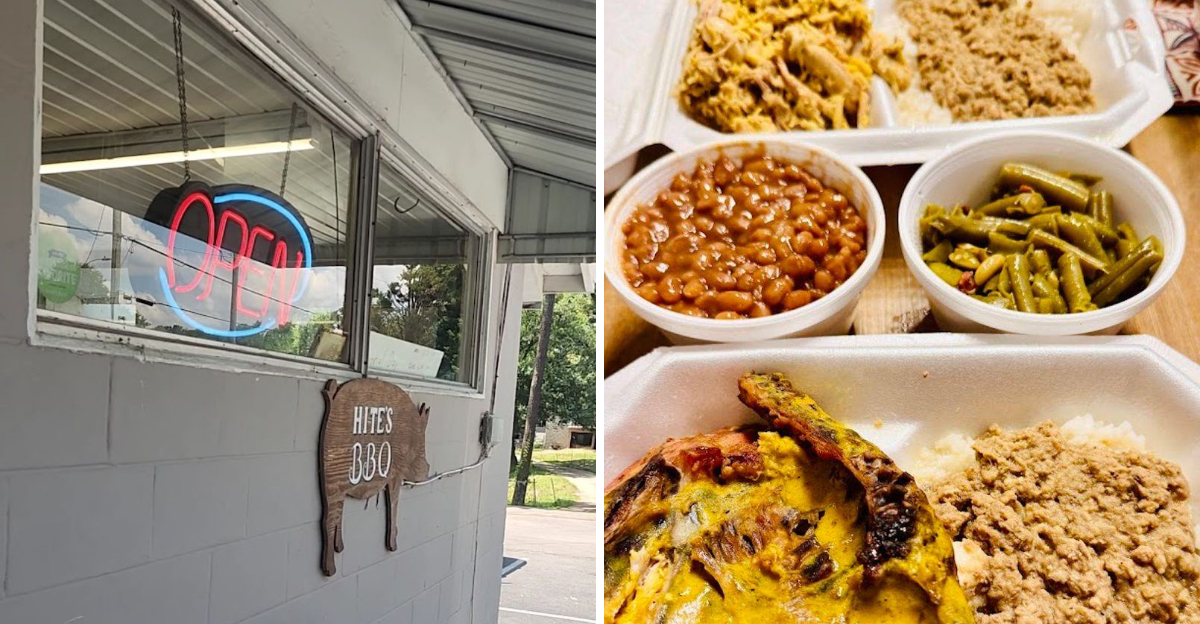
What does it take for a restaurant to stay legendary while opening its doors only two days a week? In South Carolina, wood smoke and family history do the rest.
Picnic tables line a quiet pond while cords of oak and hickory feed a pit house that never stops working. Whole hogs cook slowly for hours, turning into pork so tender it barely needs the mustard sauce on top.
There’s no dining room, no fuss, just plates piled with hash, rice, and crackling skins fresh from the fryer.
Few spots in South Carolina blend farm roots, decades of tradition, and a menu people plan entire weekends around quite like this one. Curious what keeps generations of regulars driving back for more, week after week?
A Legacy Forged In Smoke And Time
Few restaurants make it past a decade. Fewer still survive long enough to become a community institution.
Hite’s Bar-B-Que has been doing exactly that since 1957, quietly anchoring itself into the culinary identity of South Carolina.
It started as a humble side project for a farmer looking to earn extra income. That modest beginning grew into something far bigger.
Three generations of the same family have kept the pits burning, honoring the original methods without cutting corners.
The founding ethic was straightforward: good meat, honest preparation, real wood fire. That philosophy has never shifted.
While the restaurant world around it changed dramatically, this place stayed the course.
Longevity like this does not happen by accident. It happens when a community keeps showing up, decade after decade, because the food delivers.
Over sixty years of consistent, wood-smoked barbecue is not a lucky streak. It is a statement of purpose that speaks louder than any marketing campaign ever could.
The Address That Locals Know By Heart
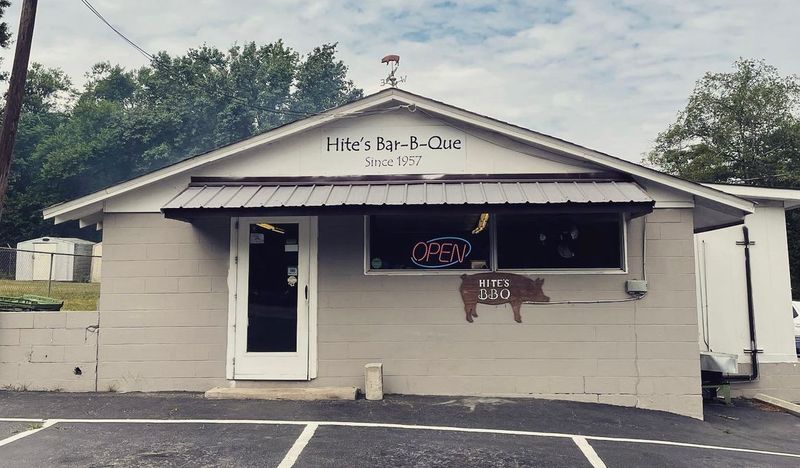
Drive down Dreher Road and you might almost miss it. The building does not announce itself with bright signage or elaborate landscaping.
At 240 Dreher Rd, West Columbia, SC 29169, the place sits modestly along a residential stretch, blending into its surroundings like it has always belonged there.
That quiet confidence is part of the appeal. There are no garish banners competing for attention.
No giant menu boards visible from the road. Just a plain cinder-block structure with a loyal following that has kept it alive for generations.
West Columbia sits just across the Congaree River from the state capital, making this spot surprisingly accessible despite its low-key location. The surrounding neighborhood maintains a relaxed, unhurried feel that suits the restaurant perfectly.
Finding it feels like discovering something that was never meant to be hidden, just never needed to shout. That understated confidence is a South Carolina trait, and this address has embodied it for longer than most businesses have existed.
Wood, Fire, And The Slow Art Of Pit Cooking
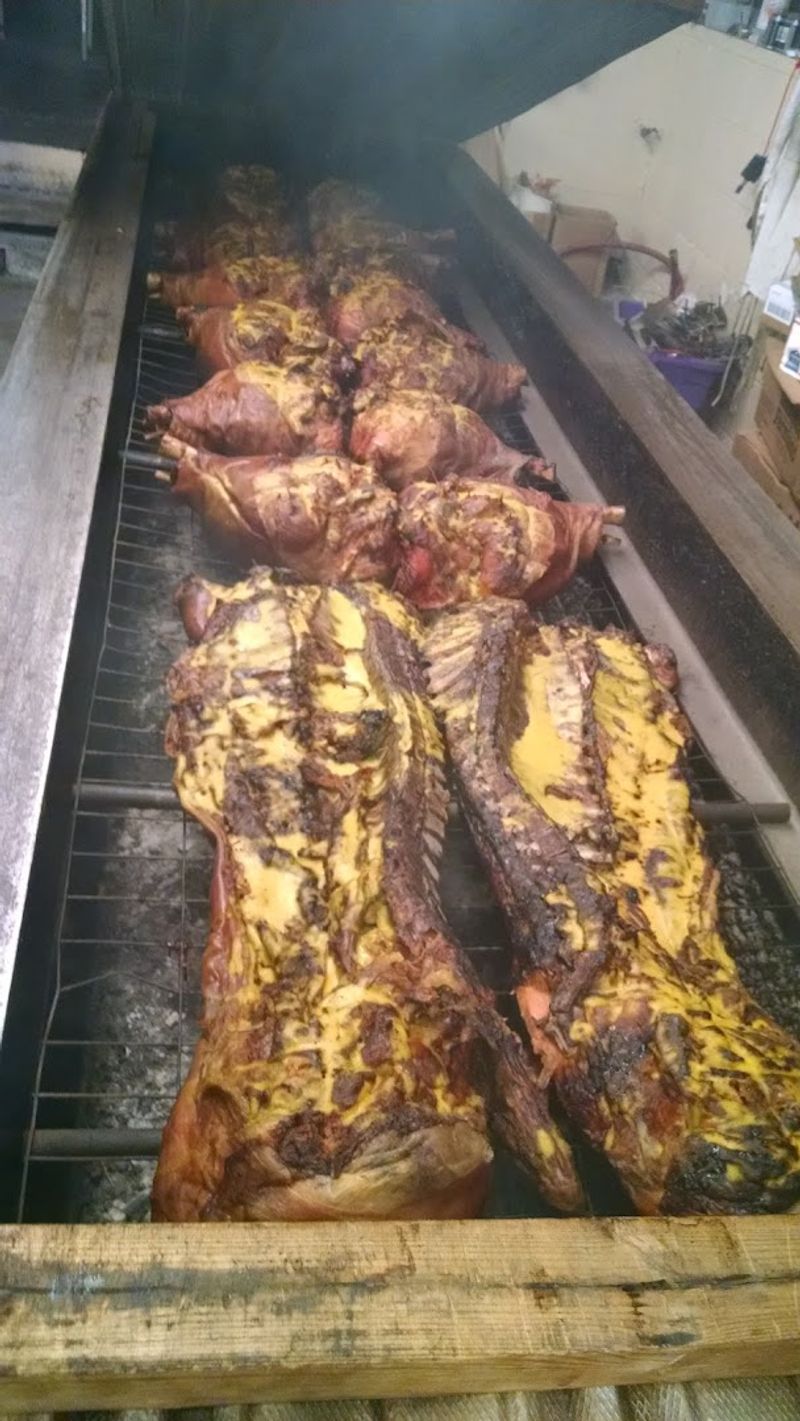
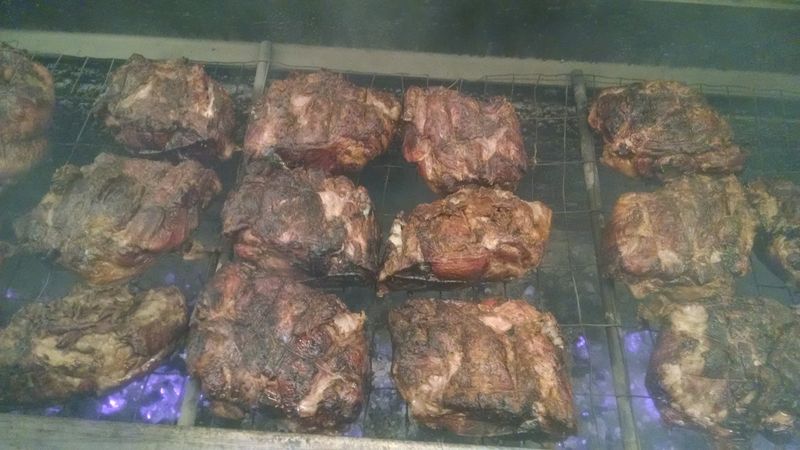
Real barbecue takes time, and this place refuses to rush it. Behind the main building, cords of oak and hickory wood stand stacked and ready.
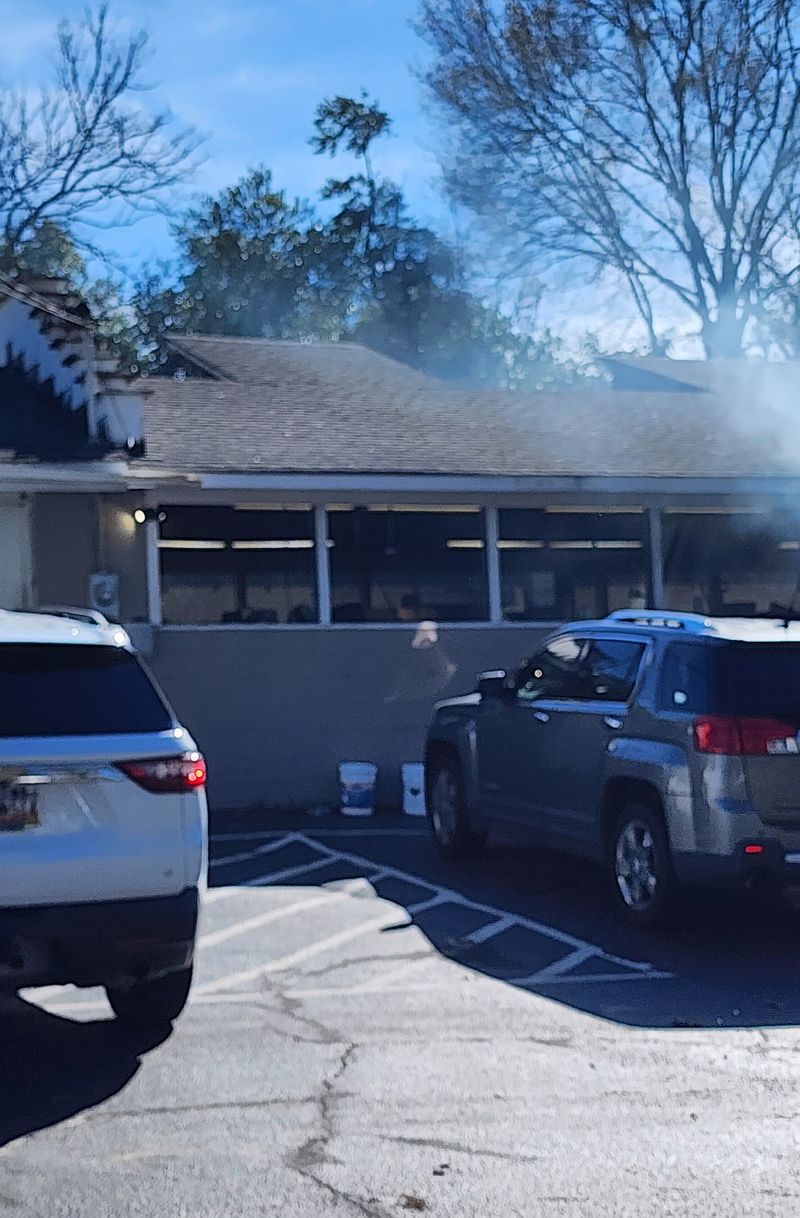
A pit house with screen windows quietly exhales fragrant smoke into the surrounding air, signaling that something worth waiting for is happening inside.
Whole-hog cooking is the tradition here. The meat goes low and slow over real wood, absorbing layers of smoky depth that gas-fired shortcuts simply cannot replicate.
This method is a cornerstone of South Carolina barbecue culture, and it demands both patience and skill.
The result is pork that pulls apart with the right resistance, carries a genuine smoke ring, and tastes like it was cooked with intention. Every bite reflects hours of careful tending.
Wood-fired cooking is increasingly rare in a world chasing convenience. Finding it practiced this faithfully, using methods unchanged since the restaurant’s earliest days, is something that barbecue enthusiasts travel significant distances to experience firsthand.
Hash And Rice: The Dish That Defines The Region
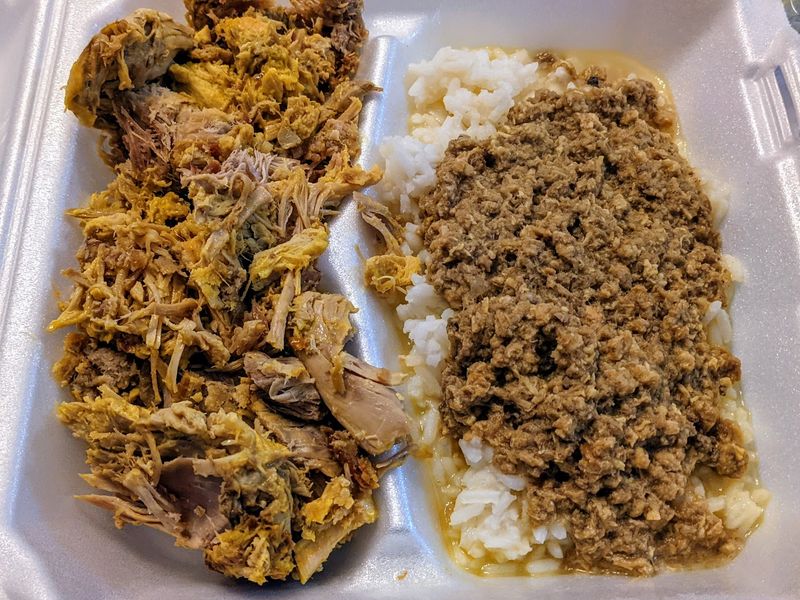
Hash and rice is not a dish you find everywhere. Outside of South Carolina, most people have never encountered it.
Inside the state, particularly in the Midlands region, it is a point of pride and a test of a barbecue kitchen’s true character.
At this West Columbia institution, the hash is a slow-cooked pork stew with a savory, earthy depth. It clings to white rice with exactly the right consistency.
The flavor is bold without being aggressive, rich without being heavy.
Regulars who claim not to enjoy hash elsewhere often make an exception here. That kind of loyalty speaks to something beyond personal taste.
It reflects a dish prepared with genuine care and a recipe refined over decades.
Skipping the hash and rice at this stop means missing the most distinctly regional element on the menu. It is a taste of South Carolina cooking at its most traditional, and it has earned its devoted following through consistency alone.
The Rib Cut That Regulars Race To Claim
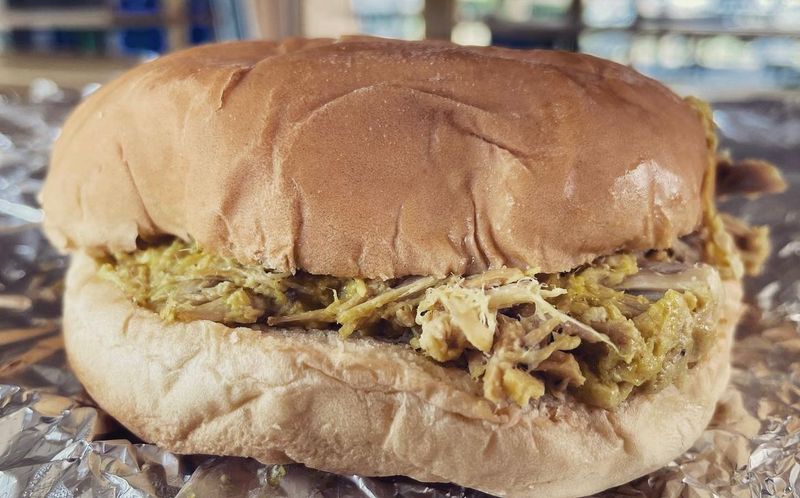
Ask the regulars what to order first, and many will give the same answer without hesitation. The rib cut is the crown jewel of this menu, and it tends to disappear fast.
Arriving early is not just a suggestion here. It is a survival strategy.
This portion comes from the midsection of a smoke-cooked hog. Crackly skin clings to a thick stripe of belly, which rests barely attached to a quartet of ribs.
The textures work together in a way that feels almost architectural.
The smoke penetration on this cut is remarkable. Every layer carries flavor, from the outer crust to the interior meat.
Nothing about it feels rushed or incomplete.
Connoisseurs of traditional barbecue understand what this cut represents. It is not a menu item designed for casual interest.
It is the kind of thing people plan their Fridays around, driving across South Carolina to secure a portion before the supply runs out for the week.
Mustard Sauce And The Flavor Of A State
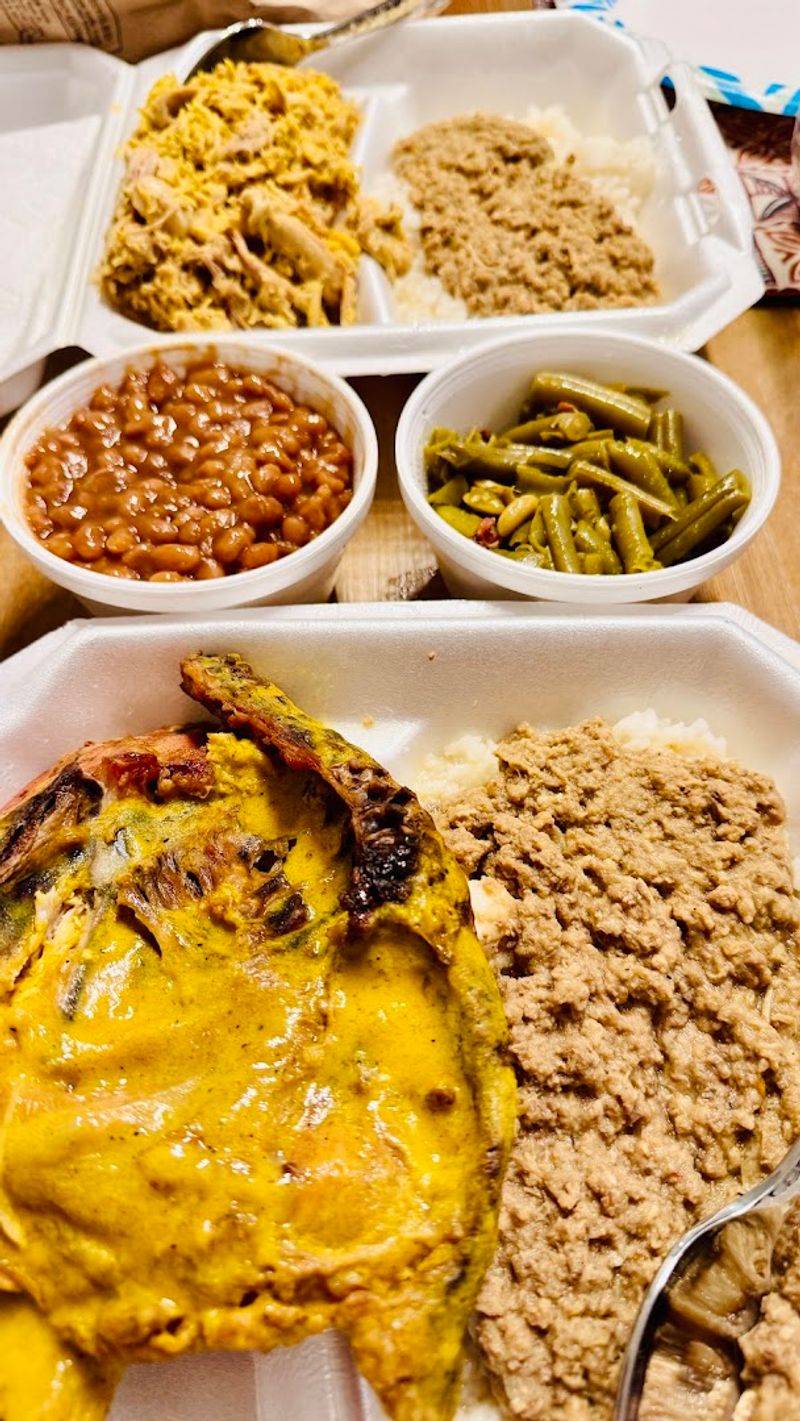
Mustard-based barbecue sauce is the signature of South Carolina, and this restaurant has been making its version the same way since 1957. The sauce carries a tangy backbone with a subtle sweetness underneath.
It complements the smoky pork without fighting for dominance.
The balance in this sauce is what sets it apart. Too much vinegar and it overwhelms.
Too much sweetness and it becomes a condiment rather than a companion. Here, the proportions have been dialed in through decades of practice.
A sweet red sauce is also available for those who prefer a more familiar flavor profile. Both options have their fans, and ordering a plate gives visitors the opportunity to try each alongside the smoked meat.
For anyone new to South Carolina barbecue traditions, the mustard sauce is the essential starting point. It tells the story of regional cooking in a single taste, connecting every bite back to a culinary heritage that stretches well beyond this one beloved restaurant.
Pork Skins Worth Planning A Trip Around
Factory-made pork rinds have nothing in common with what comes out of this kitchen. The pork skins here are made fresh on-site, seasoned with wood smoke and just enough salt to make them genuinely hard to stop eating.
The difference is immediate and undeniable.
The texture is the real achievement. A firm, satisfying crunch gives way to a subtle chew that keeps the experience interesting.
These are not brittle or greasy. They are precisely what fresh, well-made pork skins should be.
The smoked flavor runs deep into every piece. This is not a surface-level seasoning situation.
The smoke is part of the product, absorbed during the cooking process and locked in during preparation.
Supply is limited, and word has spread far enough that they often sell out well before closing. Calling ahead or arriving early is the practical move.
Many visitors who came for the barbecue leave declaring the pork skins the most memorable part of the entire stop.
Outdoor Dining With A Pond View
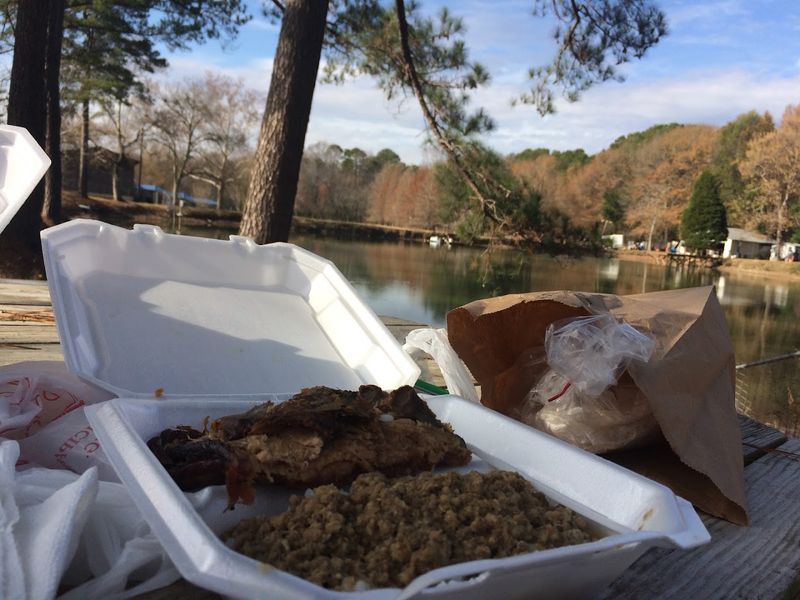
There is no indoor dining room here. That is not an oversight.
It is simply how this place has always operated, and the outdoor setup more than compensates. Picnic tables scatter across the property, positioned with a view of a calm, tree-lined pond that gives the whole scene a pastoral quality.
Eating outside with a plate of smoky barbecue and a cup of hash and rice, beside a quiet stretch of water, creates a dining experience that feels genuinely removed from the everyday. The setting reinforces the unhurried spirit of the food.
Many visitors choose to eat at the tables. Others take their order back to the car or head home.
Both approaches work perfectly because the food holds well and the portions are generous enough to feel like a proper meal wherever you land.
This casual, al fresco approach is part of what makes the experience feel authentic. South Carolina summer air and slow-cooked pork make surprisingly good company.
Two Days A Week, And Worth Every Bit Of Planning
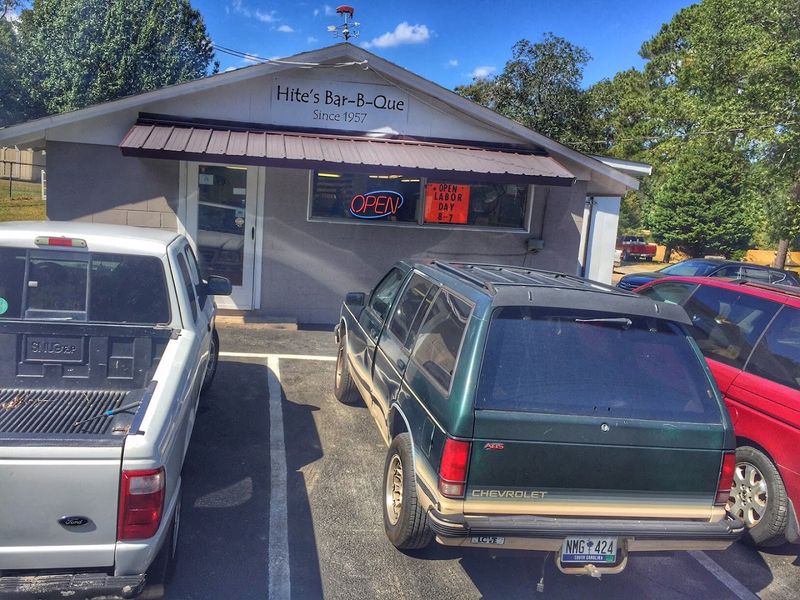
Operating just two days a week sounds like a limitation. At this West Columbia institution, it reads more like a philosophy.
Friday and Saturday are the only days the pits fire up for customers, and that restricted schedule has become part of the restaurant’s identity.
Good barbecue cannot be rushed. The preparation that goes into each weekend of service takes the entire week to execute properly.
Sourcing, seasoning, tending the wood, monitoring the pits – none of that happens quickly or carelessly.
The limited schedule also creates a sense of occasion. Visiting here is not a spontaneous Tuesday errand.
It requires a small amount of intention, and that intention makes the meal feel more meaningful when it arrives.
Regulars build their Fridays around it. First-timers plan road trips with it as the destination.
The two-day schedule has not hurt this restaurant’s reputation in South Carolina. If anything, it has deepened the sense that what happens here is worth organizing your week around.
Southern Hospitality In Every Transaction
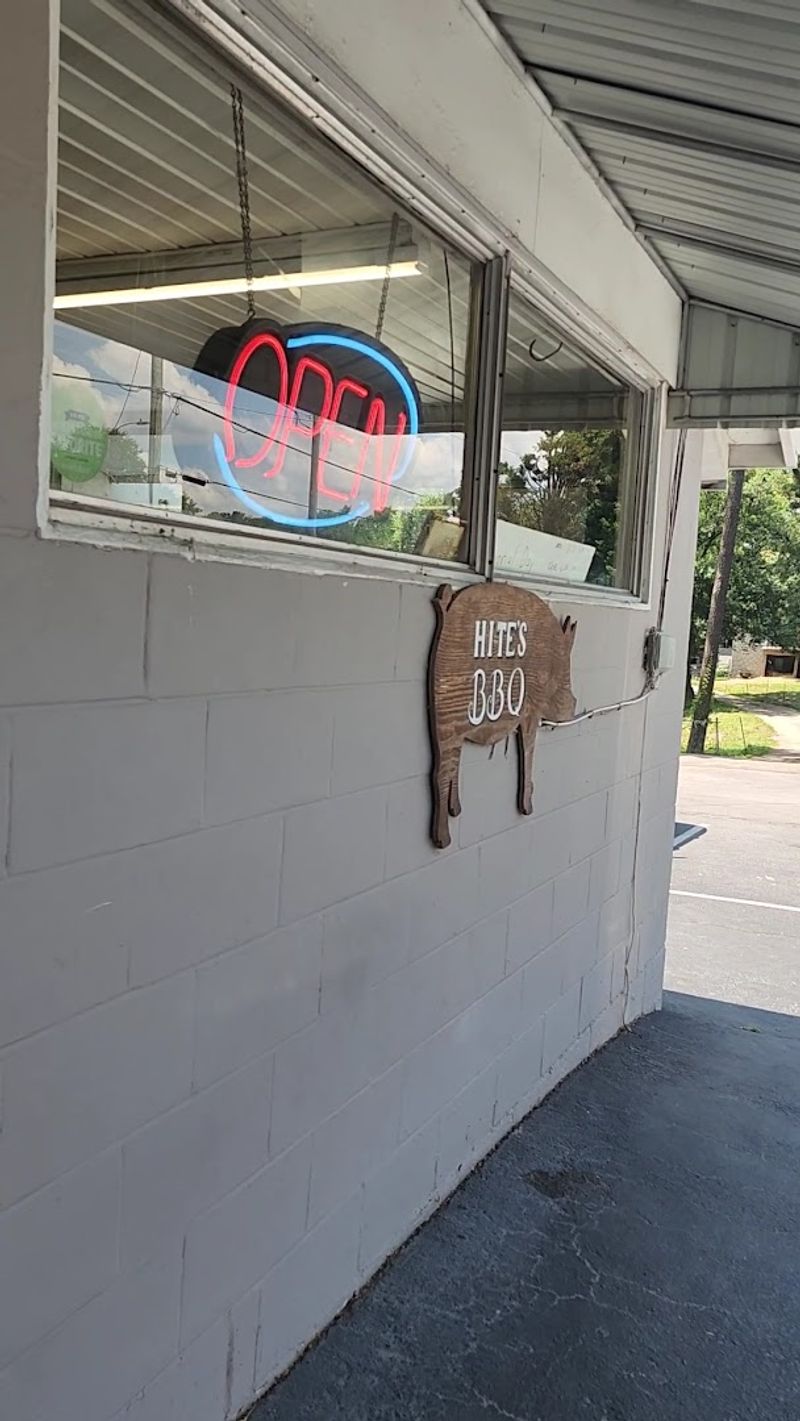
The service at a take-out barbecue counter does not allow for long, elaborate interactions. Orders move quickly, portions are packed efficiently, and the line keeps flowing.
What remains consistent, across many visits and many years, is a baseline warmth that makes the transaction feel personal.
Customers who have been coming for decades are greeted with the ease of familiarity. New visitors are handled with the same straightforward friendliness.
There is no pretension here, no performance of hospitality. It simply exists as a natural extension of the operation.
The staff moves with practiced efficiency. They know the menu, they know the rhythm, and they know what people are coming for.
That confidence translates into a smooth, low-stress experience even during busy periods.
Southern hospitality often gets reduced to a cliche, but in places like this, it shows up as something more grounded. It is the quiet assurance that you are welcome here, your order matters, and you will leave satisfied.
That is a genuine South Carolina tradition.
The Farm Ethic That Built This Place

The roots of this restaurant go directly back to farm life. The original founder raised hogs, grew corn, and cultivated sweet potatoes alongside running the barbecue operation.
That agricultural foundation shaped everything about how the food is approached and prepared.
Self-reliance and honest labor were the founding values. They have not been abandoned.
The current generation maintains other work during the week, returning to the pits on weekends with the same dedication that started the whole enterprise decades ago.
This connection between farming and barbecue is not incidental. It reflects a South Carolina tradition of using the whole animal, wasting nothing, and taking pride in food that comes from real work rather than industrial shortcuts.
The property itself still carries evidence of that agricultural spirit. Chickens roam near the pond, giving first-time visitors a glimpse into a way of life that feels increasingly rare.
The farm did not just inspire this place. It created it.
Why This Quiet Spot Keeps Drawing People Back
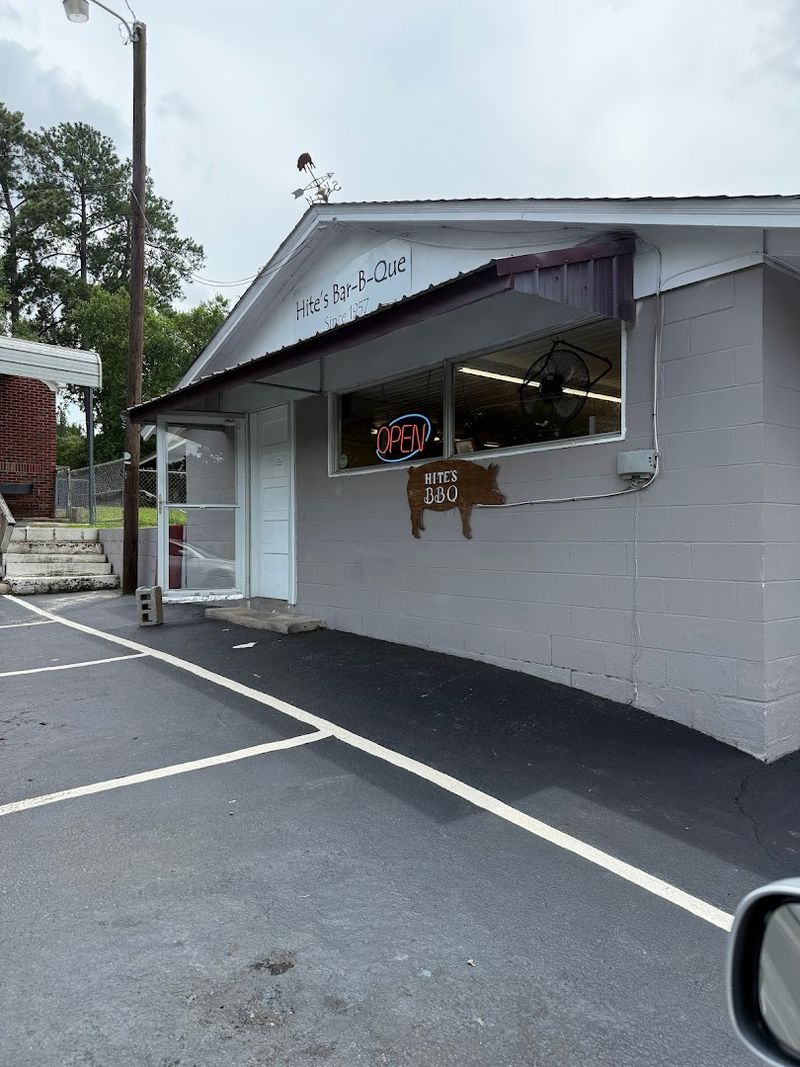
Repeat customers are the most honest form of review a restaurant can receive. At this West Columbia spot, people return not because it is trendy or because a food television program featured it, but because the food delivers reliably, week after week, year after year.
Some visitors have been coming since childhood, now bringing their own children along. That kind of multi-generational loyalty is rare in the restaurant industry.
It reflects something deeper than a single great meal. It reflects a consistent experience that becomes part of a family’s rhythm.
The setting, the smoke, the mustard sauce, the hash and rice, the pork skins – all of it adds up to something that feels irreplaceable. South Carolina has many barbecue options, but few carry this particular combination of history, method, and atmosphere.
Hite’s Bar-B-Que does not need to reinvent itself or chase a new audience. The audience already knows where to find it, and they keep showing up on Fridays and Saturdays with hungry expectations that rarely go unmet.