
The Massive Mississippi Car Exhibition Where You Can Walk Past More Than 50 Restored Classics In One Afternoon
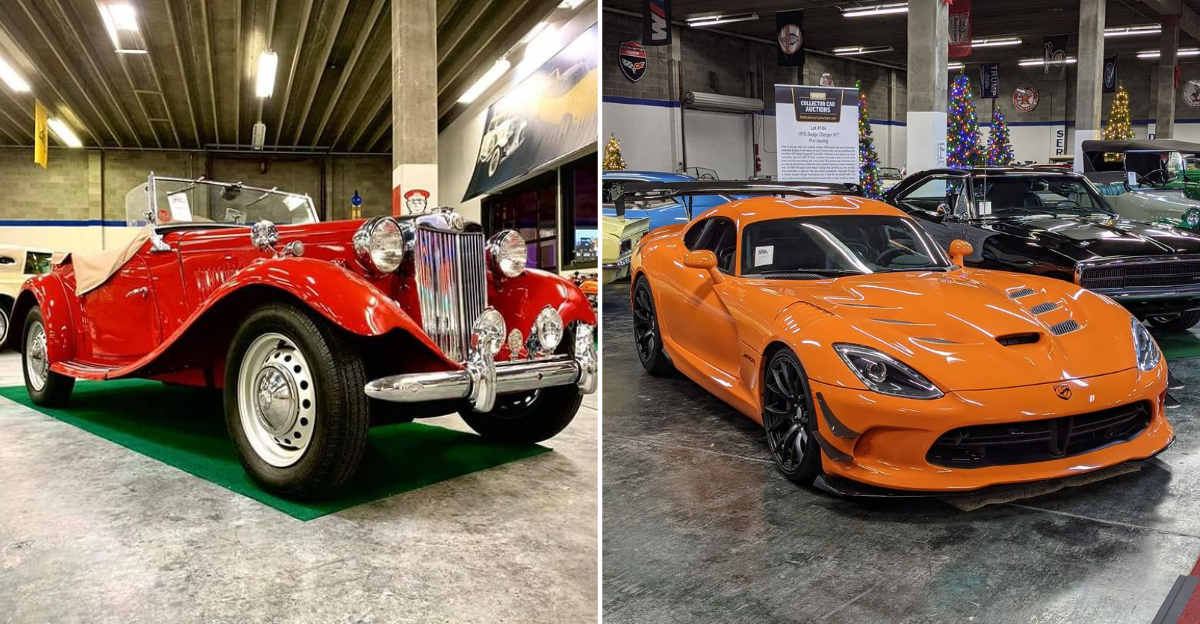
Car enthusiasts can find everything they’ve always dreamed of right here. This Mississippi exhibition lets visitors walk past more than fifty restored classics in a single afternoon.
Each vehicle is displayed with real care, restored to match its original condition down to the smallest detail. Nothing about the collection feels randomly assembled, since every car tells its own specific story.
Regulars treat repeat visits as necessary, since one trip rarely covers everything on display. Owners often share history behind their vehicles, adding context most static displays never bother providing.
Families and car lovers both find something worth their attention throughout the entire event. This exhibition proved that sometimes the best afternoons are spent walking among machines built decades ago.
History Of Classic Car Restoration
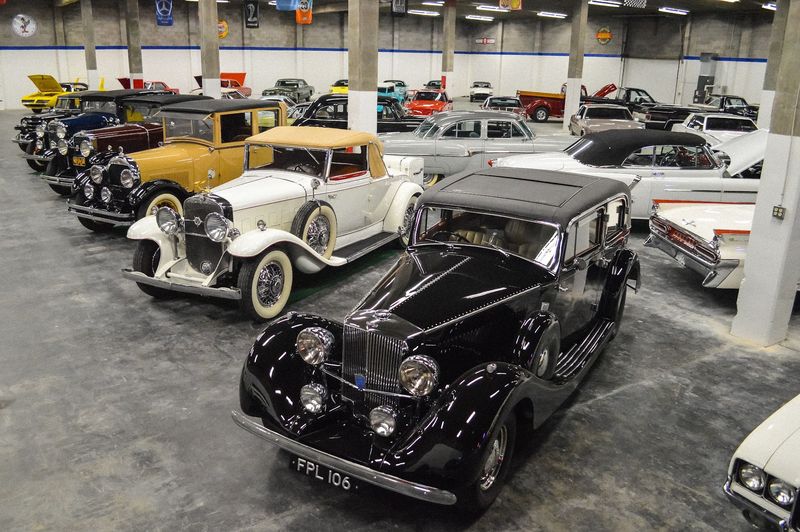
Restoring old cars became a real hobby back in the 1930s, then exploded after World War II. Factories that had been building weapons went back to building vehicles, so parts got easier to find.
Some early restorers even pulled components off surplus military machines and made them work. Resourcefulness was half the skill.
The 1950s and 1960s became the golden stretch for American cars. Mustangs and Corvettes arrived, muscle cars followed, and hot rod culture turned wrenching into a national pastime.
By the 1960s, enthusiasts were rebuilding Model Ts, Bel Airs, and Jaguar E-Types in home garages. Clubs like the Antique Automobile Club of America stepped in and set actual standards for what counted as a proper restoration.
The 1970s and 1980s brought better paint chemistry and much smarter rust prevention. Restorers finally had tools that could win the war against corrosion instead of just delaying it.
Arguments broke out too. Purists insisted on original parts only, while others embraced resto-modification, blending vintage bodies with modern performance that could be reversed later.
Both camps show up in the inventory at a place like this, which makes browsing more interesting. One car is a time capsule; the next one hides a surprise under the hood.
Anyone curious can find the collection at 390 Commerce Park Dr, Jackson, MS 39213.
Guide To Iconic American Cars
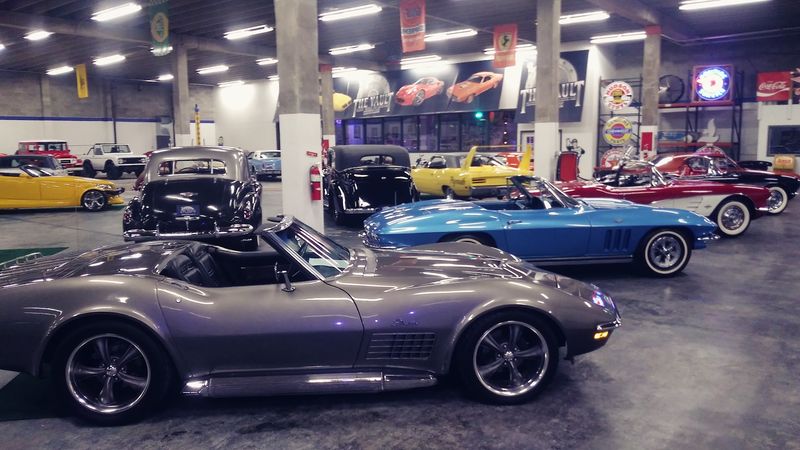
Corvettes tend to steal attention fast, and there’s usually more than one waiting. A 1959 convertible, a 1965 Stingray, even a 2004 Z06 can share the same floor.
Seeing three generations of the same nameplate lined up says more about design evolution than any textbook chapter.
Beyond the Corvettes, the mix leans heavily American. Ford, Chevrolet, Cadillac, Pontiac, and Dodge cover the decades when horsepower numbers were bragging rights.
Oddballs sneak in as well. A 1956 Chevy NAPCO 4×4 is the kind of truck most people didn’t know existed until it’s parked right there, sitting tall on knobby tires.
Mississippi has real ties to this history, which makes the whole thing feel closer to home. Elvis Presley, born in Tupelo, collected Cadillacs, including that famous pink 1955 Fleetwood.
Morgan Freeman, from Charleston, Mississippi, is another well-known admirer of old automobiles. The state has been quietly car-obsessed for generations.
Walking the rows works best slowly. Read the placards, look at the badges, then compare a 1960s dashboard to a modern one and notice how much has vanished.
Vintage motorcycles occasionally join the lineup too. Two wheels, chrome tanks, and considerably less legroom than any Cadillac ever offered.
Understanding Restoration Techniques
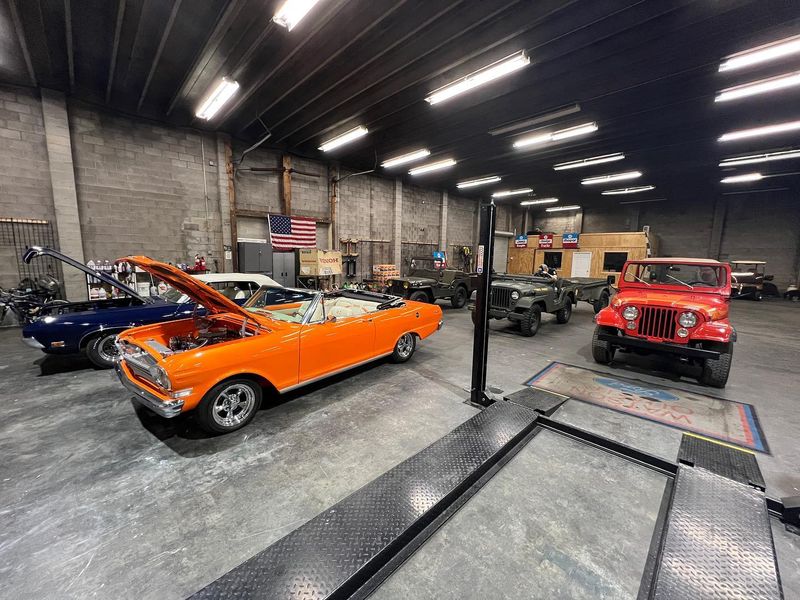
Every restoration starts with an unglamorous inspection. Body condition, rust depth, frame straightness, engine health, wiring all of it gets graded before a single bolt comes loose.
That checklist decides how big the project becomes.
Preservation work keeps a car as original as possible. Partial restoration fixes only what’s broken, while a full frame-off teardown strips the vehicle to its chassis and rebuilds from there.
Restomodding sits in its own lane. Vintage sheet metal stays, but modern brakes, engines, or safety gear get added, often in a way that can be undone later.
Disassembly is where patience matters most. Parts get labeled, bagged, and photographed, because nobody remembers where that one weird bracket went eight months later.
Rust is the real villain. Sandblasting and chemical strippers handle surface damage, while badly corroded panels get cut out and replaced, then sealed with inhibitors and primer.
Bodywork follows with hammering, filler, and endless sanding until reflections stop looking wavy. It’s tedious, repetitive, and completely necessary.
Engines and transmissions get rebuilt to service manual specs, not guesswork. Worn bearings and gaskets come out; correct replacements go in.
Paint arrives last. Multiple coats, sanding between each, then clear coat for that mirror shine.
Sometimes gentle scrubbing revives a part that looked doomed.
Recognizing Authentic Classic Features
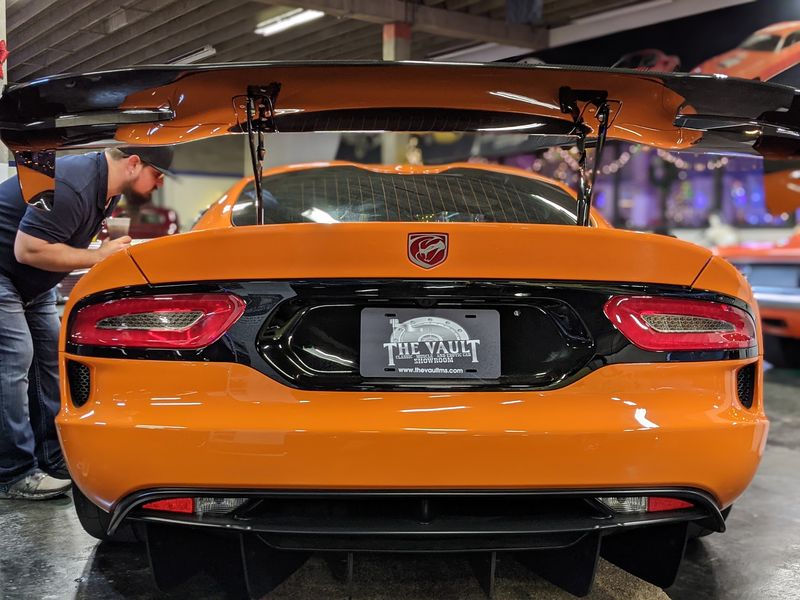
Paperwork sounds boring until it’s worth thousands of dollars. Vehicle Identification Numbers, service records, and certificates of authenticity separate a genuine article from a convincing lookalike.
Serious collectors chase matching numbers, meaning the original engine, chassis, and major components never got swapped out.
A car with matching numbers usually holds value better than one wearing a replacement drivetrain. Same body, very different story.
Inspection goes well past the folder of receipts. Bubbling paint near wheel wells, mismatched panel gaps, and fresh undercoating can all hint at repairs somebody would rather not mention.
Sound matters more than people expect. A flathead idles nothing like a small block, and an experienced ear catches trouble before a gauge does.
Test drives reveal character quickly. Steering feel, brake response, and how the transmission shifts tell you whether the mechanical work was done properly or just made pretty.
Interiors deserve a slow look too. Correct gauge faces, period-appropriate upholstery patterns, and original knobs are details restorers either nail or fake.
Walking a floor with fifty-plus restored cars is honestly great practice. Compare a well-documented example to one that’s been modified, and the differences start jumping out.
Staff who work around these vehicles daily can point out what to check. Asking questions costs nothing and teaches plenty.
Tips For Preserving Vintage Automobiles
Storage does more for an old car than any single repair. A clean, enclosed, climate-controlled garage keeps moisture and temperature swings from quietly eating metal.
Condensation is the sneaky one. Big temperature changes create it, and it starts rust in places nobody checks.
Regular maintenance keeps small problems small. Oil, spark plugs, fluid levels, and tire pressure all deserve a look on a schedule, not whenever something starts making noise.
Cleaning matters inside and out. Grit and road contaminants wear down paint and dry out upholstery faster than most owners realize.
Harsh detergents are the enemy of vintage finishes. Products made specifically for classic paint and older trim protect delicate surfaces instead of stripping them.
Wax and protective clear coats keep the shine alive. Touch up paint chips quickly, especially around rockers, wheel arches, and door bottoms where rust likes to start.
Long-term storage has its own routine. Top off fluids, disconnect the battery or hook up a trickle charger, and keep tires properly inflated to avoid flat spots.
Driving helps too. Thirty minutes once a month circulates fluids, keeps seals from drying out, and reminds the engine what it was built for.
Cars sitting untouched for years usually need far more work than ones driven gently and regularly.
Exploring Mississippi Automotive Heritage

Mississippi’s car story begins around 1900 with horseless carriages rattling down dirt roads. Not exactly high-speed, but it counted.
Southern Motor Works, based right in Jackson, became one of the state’s notable early automobile manufacturers in the early 1900s.
Hot rod culture landed hard in the 1950s and never really left. Chopped fenders and loud exhausts became a Saturday night tradition.
Today the state hosts plenty of shows and rallies, including the Mississippi Gulf Coast Hot Rod and Custom Car Show and the Jackson Auto Classic.
Cruisin’ the Coast is the giant of them all, pulling enthusiasts to the Gulf Coast in serious numbers. Entire towns turn into rolling exhibitions.
Famous Mississippians fed the passion too. Elvis, the Tupelo kid, stacked up Cadillacs, including that pink 1955 Fleetwood everybody recognizes instantly.
Morgan Freeman, born in Charleston, is another native with a documented soft spot for older automobiles.
Museums have come and gone. The Tupelo Automobile Museum closed in 2019 after displaying over a hundred vehicles, among them an Elvis 1976 Lincoln Mark IV.
Newer spots keep the tradition going. The Good Old Days Museum opened in Wesson in 2023, showing early twentieth-century cars and trucks like Model Ts and Model As.
Jackson’s indoor collection fits neatly into that lineage, offering fifty-plus restored machines under one roof year-round.
Spotlight On Engine And Transmission Types
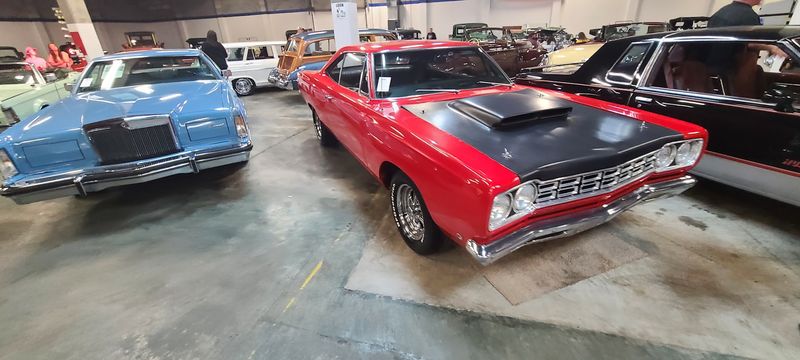
Popped hoods are where the real conversations happen. Walk the floor, and the engine variety alone justifies the trip.
A 2023 Dodge Challenger SRT Black Ghost brings a 6.2L supercharged Hemi backed by an eight-speed automatic. Modern muscle, unapologetically loud.
Then there’s the 2021 Challenger DragPak with a 5.8-liter supercharged V8 and a Turbo 400 three-speed automatic. That transmission choice tells you exactly what it was built to do.
Not everything roars. A 2016 Mercedes-Benz custom Airstream Interstate EXT touring coach runs a 3.0L V6 turbo diesel with an automatic, built for long highway hauls.
Manual fans get their moment too. A 2008 Ford Mustang GTR pairs a 4.6-liter V8 with a five-speed stick, which means three pedals and actual work.
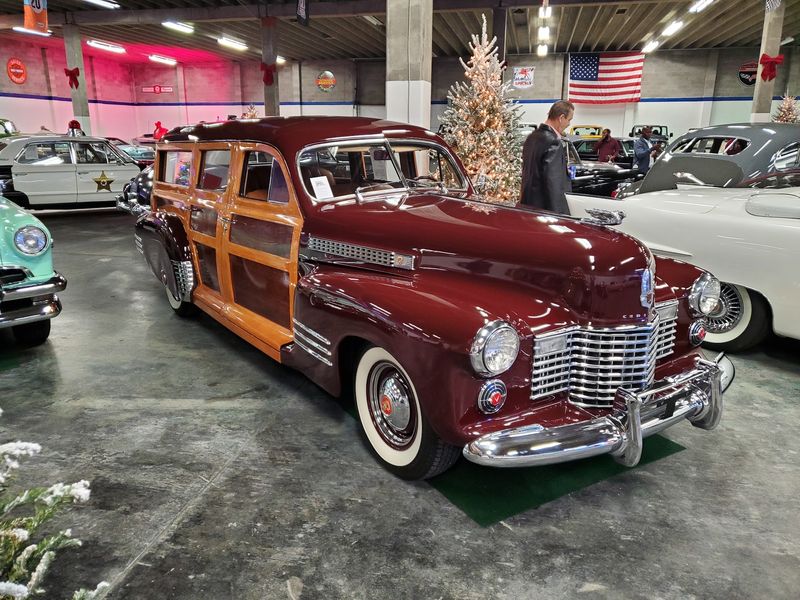
Older machinery is where it gets genuinely fascinating. A 1941 Cadillac Club Coupe once ran a 346 Cadillac flathead with a three-speed stick shift.
Go back further, and a 1933 Packard 1001 Coupe-Roadster shows up with a 320 cubic inch straight eight. Long, smooth, and beautifully odd by today’s standards.
Lining these up side by side turns into an accidental engineering lesson. Flatheads, straight eights, big-block V8s, and supercharged monsters, each solving speed differently across ninety years.
Insights Into Classic Car Collecting
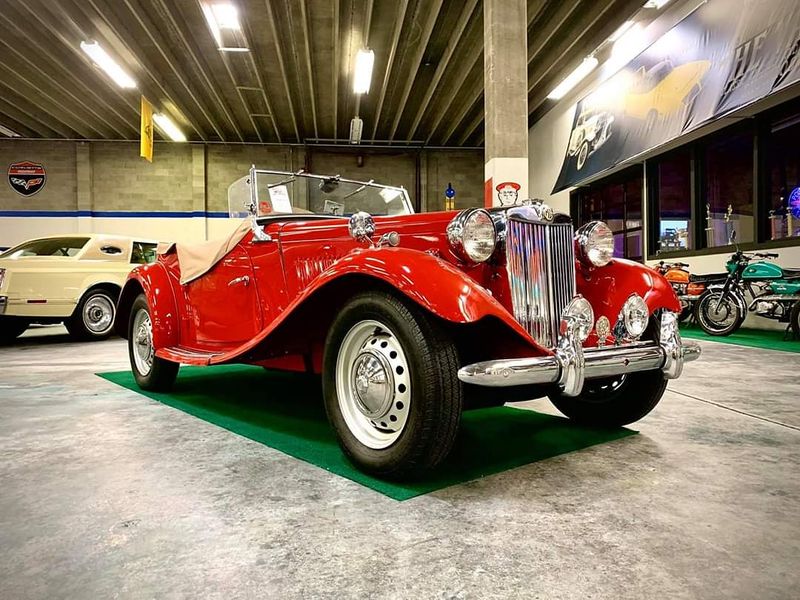
Collecting old cars is part hobby, part history project, part financial gamble. Plenty of collectible vehicles have gained value over decades while ordinary cars did the opposite.
Value comes down to a few things. Historical importance, rarity, current demand, condition, and originality, especially matching numbers on major components.
New collectors do better with a clear focus. Picking one era, one make, or one specific model prevents the garage from becoming a random pile of projects.
Learning comes before buying. Books, magazines, car clubs, shows, and auction results teach what things actually sell for versus what sellers hope.
Budgeting honestly saves heartbreak. Purchase cost is just the opening chapter, with maintenance, storage, insurance, and possible restoration filling out the rest.
Professional inspections are worth every penny. Verifying documentation and authenticity before money changes hands protects the buyer from expensive surprises.
Once a car is home, care determines whether it holds value. Proper storage and consistent maintenance matter as much as the original purchase decision.
Top-tier examples command serious money, but the market has room at many levels. Plenty of enthusiasts build satisfying collections without chasing headline cars.
The community is honestly half the appeal. Swapping stories, hunting parts, and comparing notes with other owners tends to outlast any single vehicle in the garage.