
The Montana Steakhouse That Became A Local Legend By Serving T-Bones Since The 1950s
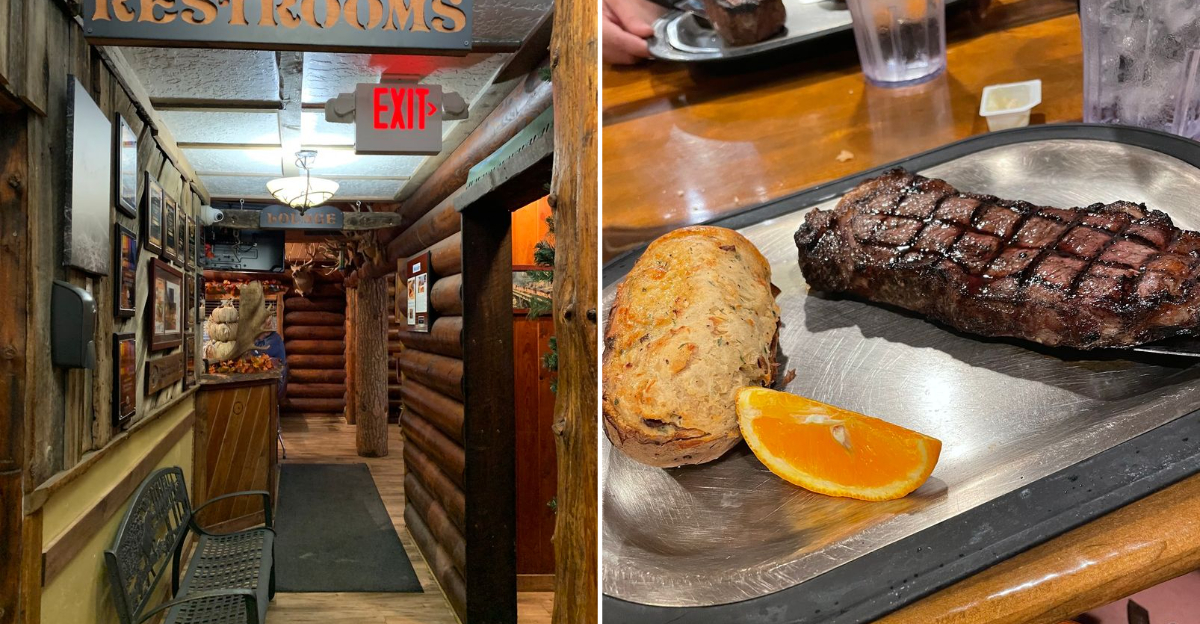
Soon this Montana steakhouse enters its eighth decade of business, and that’s no small accomplishment. T-bones here have stayed the star of the menu since the 1950s, prepared the same simple way for generations.
Cuts get trimmed and prepared fresh each day instead of arriving pre-portioned from somewhere else. Nothing about the process gets rushed just to keep up with a busy dinner rush.
Regulars return knowing exactly what they’ll get, cooked exactly how they like it. Portions stay generous without needing to announce it on the menu.
That kind of reliability took decades to build and shows no sign of fading. This steakhouse earned its legendary status the honest way, one perfectly grilled T-bone at a time.
History Of T Bone Steaks In Montana
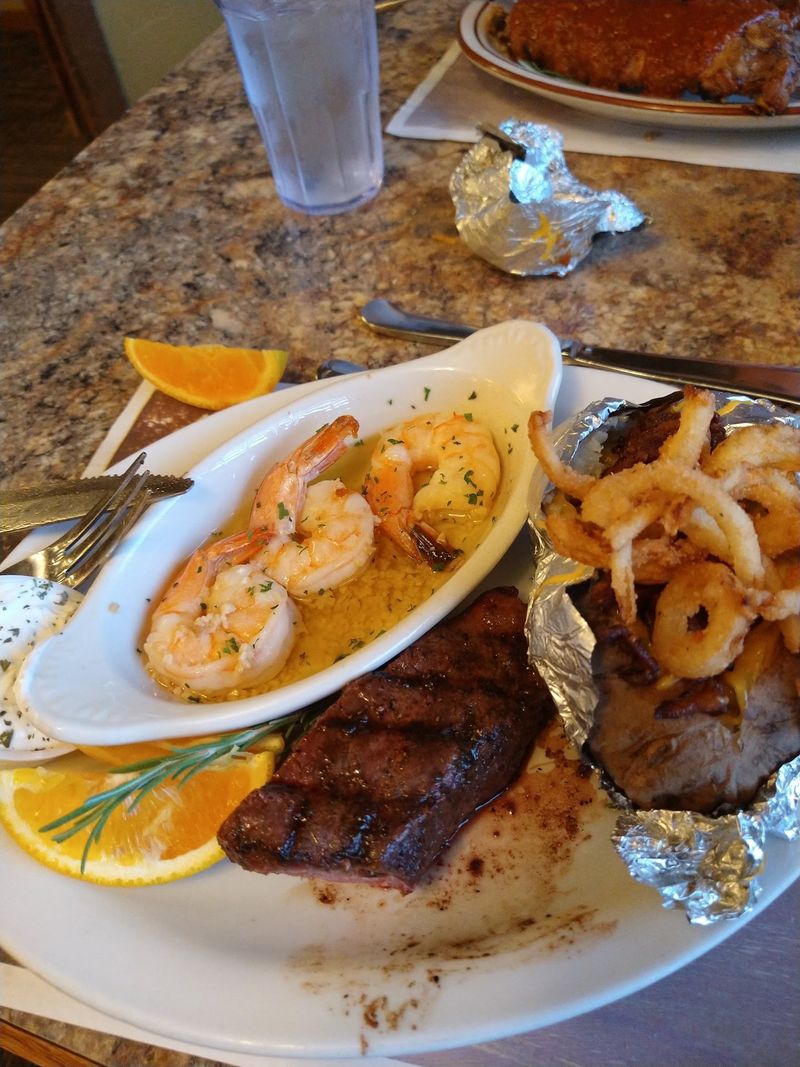
Back in 1951, a log building in a small farming town started grilling beef for ranchers, and it never really stopped. That’s the short version of how The Land of Magic became one of Montana’s most recognized steak destinations.
The recipes have stuck around longer than most businesses do. Jay and Beth McCurry took over in 2007 and kept the original formulas intact instead of modernizing everything into something unrecognizable.
Manhattan sits in the Gallatin Valley, surrounded by farmland and cattle country. Beef isn’t an imported novelty here.
It’s the local economy, which is part of why a steakhouse in a town this size earned such a big reputation.
Certified Angus Beef anchors the menu, and the portions lean toward what Montanans consider reasonable rather than what a coastal restaurant might call excessive. Decades of repeat customers have helped set that standard.
Hunters, ranch families, and travelers heading toward Yellowstone have all found their way to the same dining room over the years. Some drive in from Bozeman, roughly twenty minutes east, just for dinner.
Longevity like this doesn’t happen by accident in the restaurant world. Staying open for more than seventy years takes consistency, and this place built its name on doing the same things well, over and over.
You can find it at 11060 Front St, Manhattan, MT 59741.
Unique Cooking Techniques For Perfect Steaks
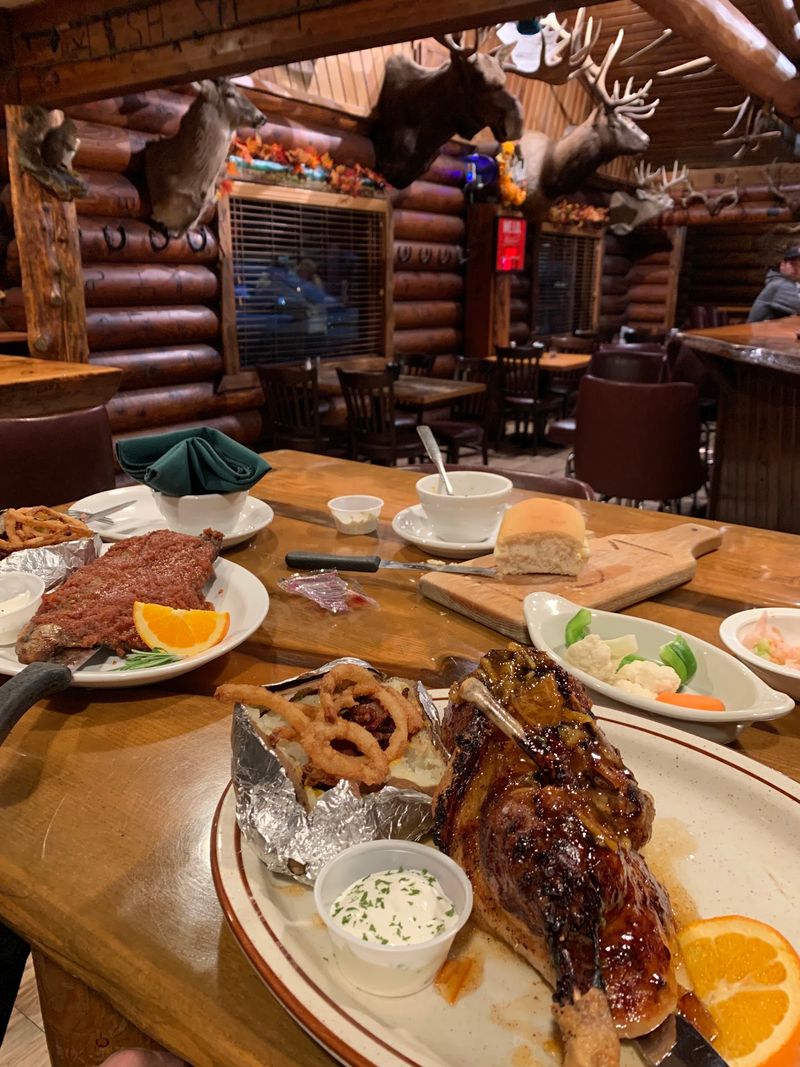
Ask about the seasoning, and you won’t get a straight answer. A secret blend of spices has been used on the steaks since the doors first opened, and the recipe has stayed in-house ever since.
That seasoning does real work. Steaks come out flavorful enough that sauce becomes optional, which is exactly how a lot of beef purists prefer things.
Prime rib gets different treatment altogether. It arrives garlic-crusted and grilled to whatever temperature a diner requests, with au jus on the side and horseradish that has genuine heat behind it.
The 16 oz. prime rib shows up on more tables than almost anything else on the menu. Garlic and beef is a combination that’s hard to argue with.
Grilling to order matters here because the cuts run thick. A petite filet, a flat iron, or a ribeye all cook differently, and the kitchen adjusts rather than treating everything the same way.
There’s a temperature chart available to help diners pick their doneness, which removes the guesswork for anyone who’s ever second-guessed the difference between medium rare and medium.
Pacing runs slow on purpose. Dinner is treated as the main event rather than something to rush through, so steaks get the time they need on the grill before anything leaves the kitchen.
Local Ingredients Sourced For Fresh Quality
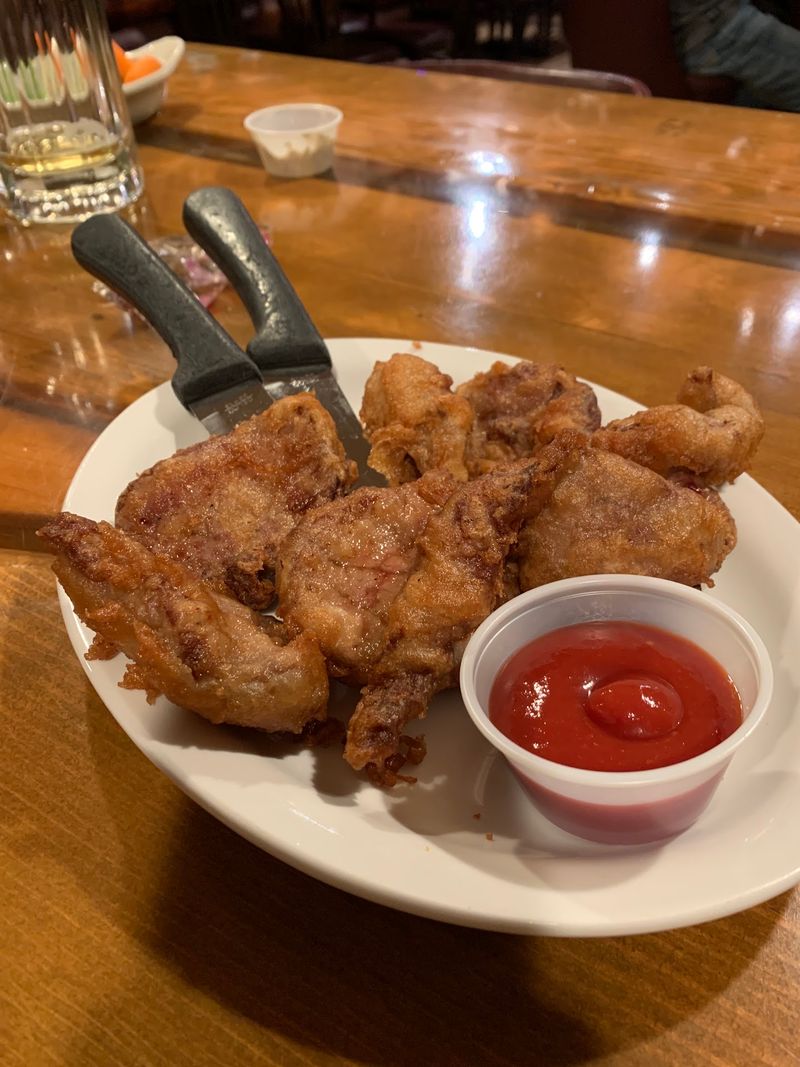
Here’s a detail most people don’t expect from a roadside steakhouse. The potatoes used for the famous twice-baked spuds are grown just a short distance from Manhattan itself.
Short supply chains show up on the plate. A potato that traveled a few miles tastes different from one that crossed several states in a truck.
Beef comes from the Certified Angus Beef program, a brand standard that sets specific requirements for marbling and quality. That consistency is a big reason the ribeye and filet keep their reputation.
Montana sits in the middle of serious cattle country, so serving quality beef isn’t a marketing angle out here. It’s closer to a civic duty.
Wilcoxson’s ice cream handles dessert, and that’s another Montana name. The creamery has been making ice cream in Livingston since 1912, which fits perfectly with a restaurant that’s been around since 1951.
Bread arrives as a warm mini loaf, baked in-house rather than pulled from a bag. It tends to disappear before the entrees show up.
Regional sourcing gives the whole meal a sense of place. From the potato in the foil to the scoop of vanilla at the end, a lot of what lands on the table started somewhere within driving distance of the front door.
Signature Side Dishes Complementing The Meal
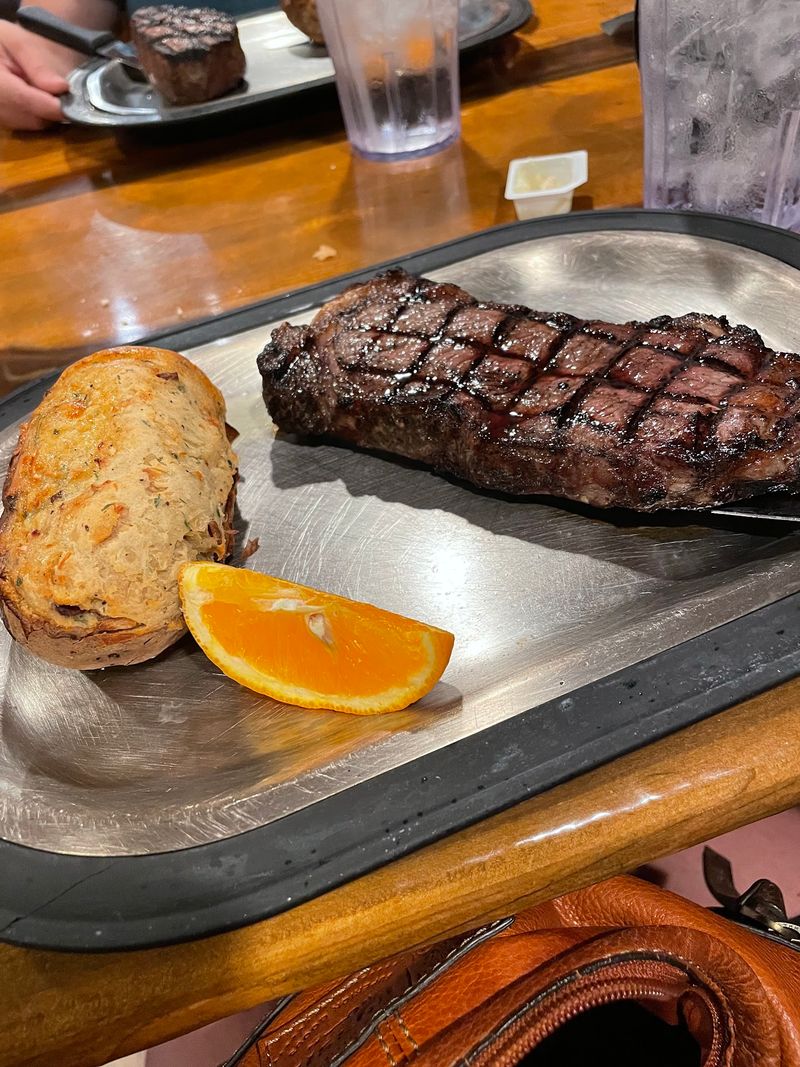
The twice-baked potato has developed its own fan club. Crispy outside, soft and loaded inside, packed with Parmesan and bacon, it gets mentioned nearly as often as the steaks do.
Every dinner comes with a full lineup of extras. A relish tray arrives first, stocked with fresh vegetables like cauliflower and a dip, followed by a warm mini loaf of bread.
After that, diners choose between a fresh salad or a shrimp. Both come standard, not as upcharges, which is part of why the meals feel so complete.
Potato choice comes next. There’s a plain baked option for traditionalists, though the twice-baked version is what most tables end up ordering.
Dessert is built into dinner too. A scoop of Wilcoxson’s ice cream closes things out, usually vanilla or orange sorbet, and it’s a small portion that lands exactly right after a big steak.
The whole progression follows old-school supper club logic. Nothing is deconstructed, foamed, or served on slate.
It’s a sequence of familiar courses arriving in a familiar order.
Plan accordingly, because the sides add up fast. Between the veggie tray, bread, starter, potato, and ice cream, leaving with a to-go box is a fairly common outcome.
Customer Favorites And Classic Menu Options
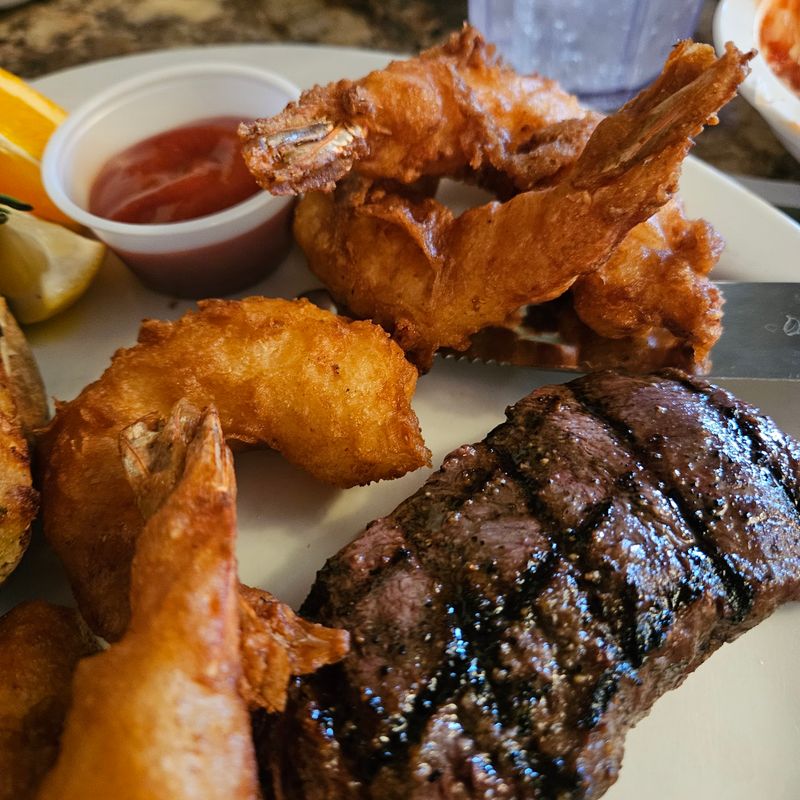
Prime rib rules the menu. The 16 oz. cut with its garlic crust gets ordered constantly, and it comes with au jus and horseradish sharp enough to clear your sinuses.
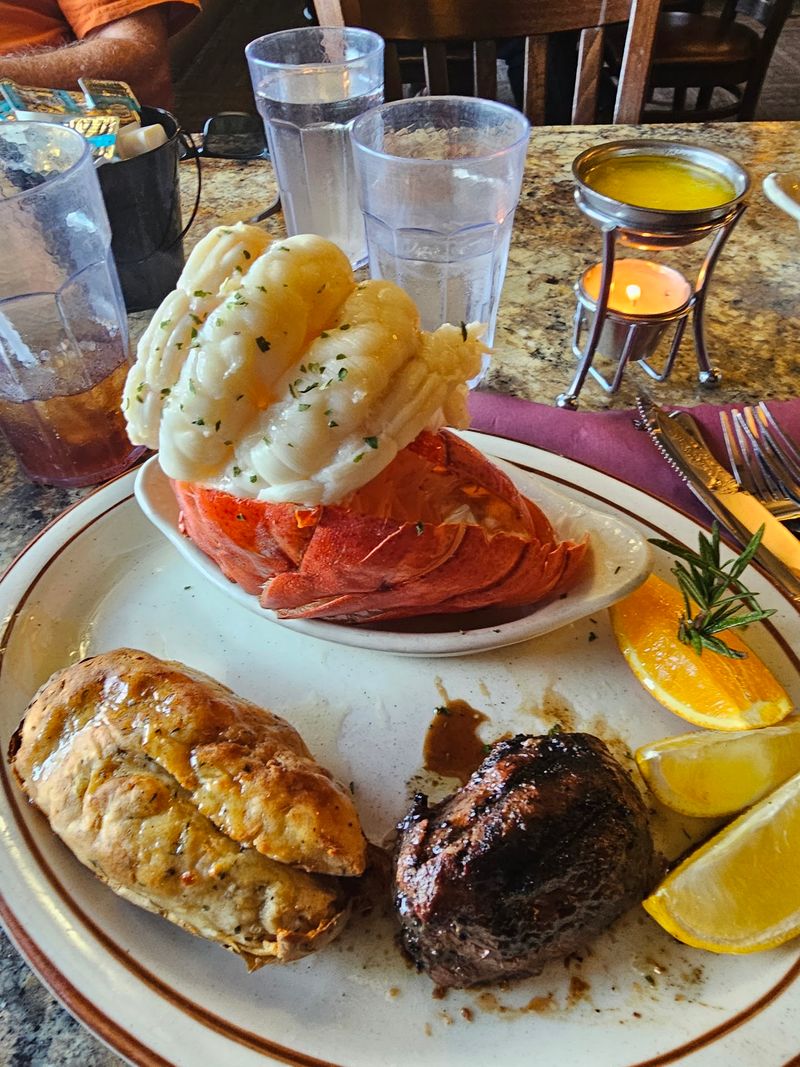
Certified Angus Beef options fill out the rest of the steak section. Ribeye, filet mignon, flat iron, and a petite filet all appear, so appetite size doesn’t limit the choices.
Seafood holds its own here too, which surprises people in a landlocked state.
Snow crab, lobster, and breaded shrimp round out the ocean side of things. Escargot stuffed into mushroom caps shows up as an appetizer, along with mussels in garlic butter.
Then there’s the orange magic duck, which might be the most distinctive item on the whole menu. Juicy, citrus-forward, and not something you’ll find at the next place down the highway.
Burgers and chicken exist for anyone who wandered in wanting something simpler. Both are done well enough that nobody feels shortchanged.
Fried pickle spears make a solid opening move on the appetizer list. The menu leans classic across the board, which is exactly the point at a place that has kept its recipes for seventy-plus years.
Evolution Of Steakhouse Ambiance Over Time
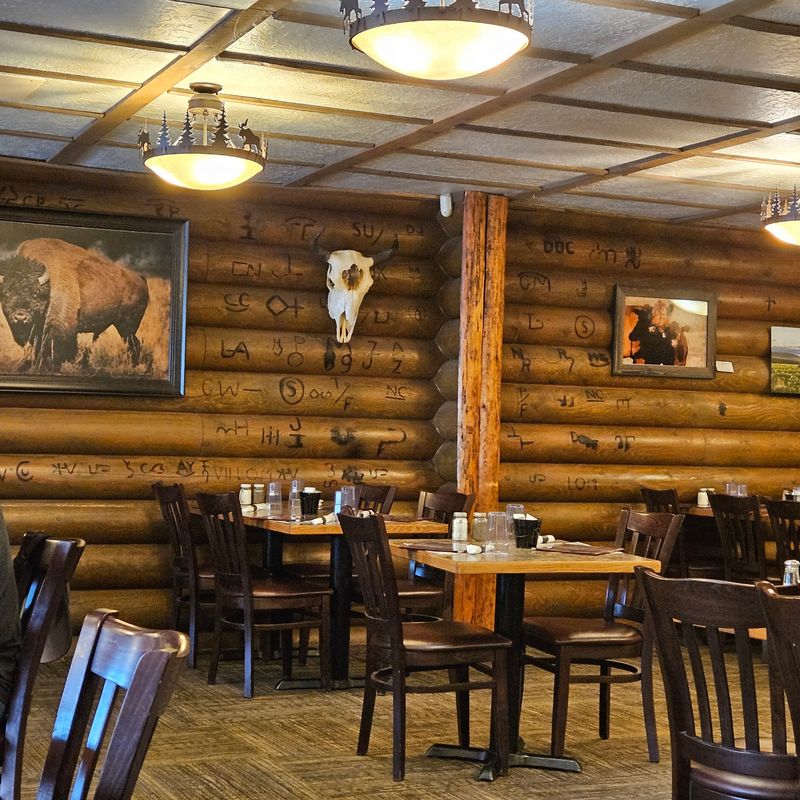
Cattle brands burned into the log walls tell a story most restaurants can’t match. Ranchers used to bring branding irons in and mark the wood themselves during parties that got a bit rowdy.
Those gatherings ended years ago, but the brands stayed. They cover walls and doors, functioning as an accidental history of local ranching families.
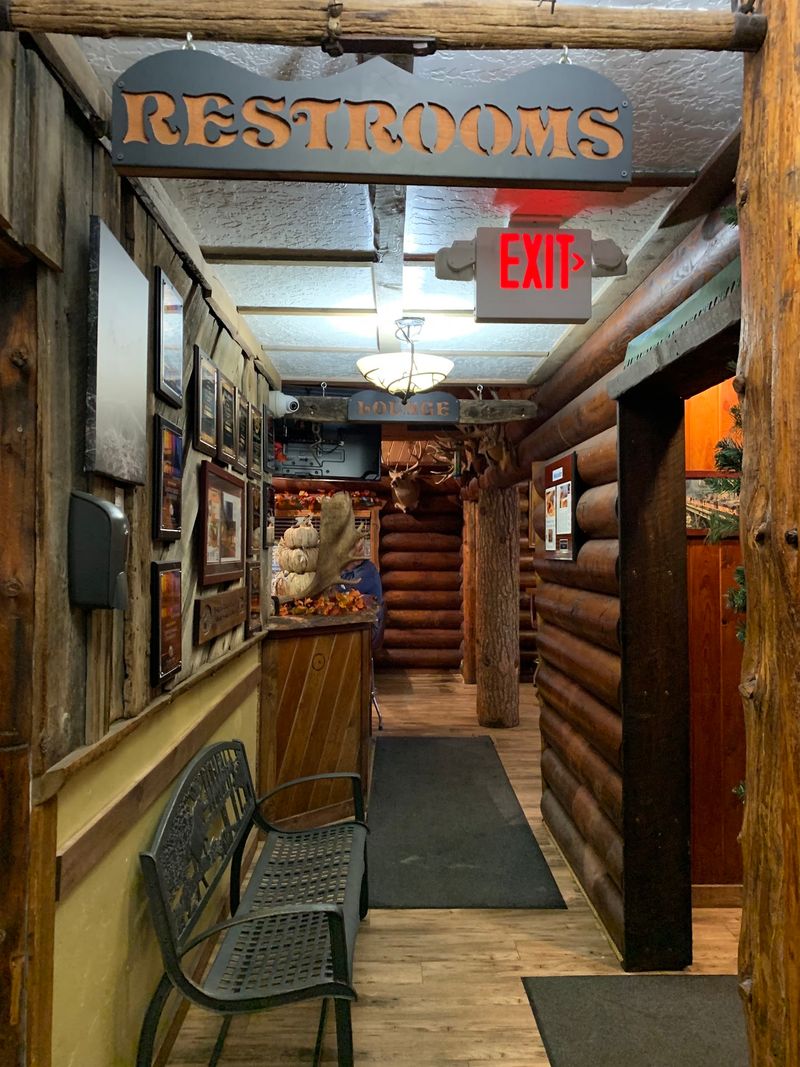
The building itself is an old-fashioned log structure with lacquered wood, antlers, and mounted wildlife filling nearly every surface. There’s even a taxidermy squirrel somewhere in the mix.
Lighting stays warm and low, and the ceiling fixtures pull the whole western look together. It reads like a hunting lodge that grew a serious kitchen.
The bar side carries some of the most impressive mounts in the building. Seating there runs limited, maybe eight to ten spots, and the same full menu is served.
Atmosphere lands somewhere between cowboy saloon and proper dining room. The midcentury supper club format has never been updated, and that’s precisely what regulars come for.
Nothing about the room chases trends. Decades of small additions have layered on top of each other, creating a space that feels genuinely aged rather than styled to look that way by a designer with a mood board.
Community Events And Traditions Around Dining
Bobcat game days change everything. After MSU football wraps up in Bozeman, this dining room fills fast with fans making the drive west.
The crowd mixes in a way few restaurants manage. Hunters in camo, ranchers straight off the tractor, tourists heading to Yellowstone, and families celebrating birthdays all end up at neighboring tables.
A come-as-you-are policy keeps things easy. There’s no dress code, so nobody has to change out of work clothes before dinner.
The main dining room holds up to 90 people, which makes it a practical spot for bigger gatherings. Wedding receptions, retirement parties, and corporate dinners all get hosted here.
Anniversaries and birthdays make up a steady share of the reservations. For plenty of Gallatin Valley families, this is the default special-occasion restaurant, passed down like a family recipe.
Doors open at 4 PM seven days a week and close at 9:30 PM. That early start suits ranch schedules and travelers who’ve been on the road since morning.
Hospitality is a point of pride, and the owners are often around the building. Over seventy years, the place has shifted from a roadside stop into something closer to a community gathering hall that happens to grill excellent steaks.
Tips For Enjoying The Ultimate Steak Experience
Call ahead. The dining room books first, then the bar tables get filled, and busy nights leave walk-ins waiting or turned away entirely.
Reservations matter most on weekends and after big local events. Phone the restaurant directly at 406-284-3794 rather than hoping for luck at the door.
Getting there is simple from the interstate. Exit 283 off I-90 puts you close, and the drive from Bozeman takes roughly twenty minutes.
Arrive hungry, because the meal includes far more than the entree. Between the veggie tray, bread, starter, potato, and ice cream, appetites get tested.
Use the temperature chart when ordering. It removes any confusion about doneness levels and helps the kitchen hit the mark on thick cuts.
Servers know the menu well and will steer indecisive diners toward good choices. Asking for a recommendation is a smart move on a first visit.
Skip the steak sauce until you’ve tasted a bite plain. The house spice blend is doing plenty of work already.
Consider the bar side if the dining room is full, since the same menu is served there under some seriously impressive mounts. Dress however you’d like, take your time, and let dinner stretch out the way it’s meant to here.