
This Massachusetts Farm Became A Sanctuary For Rescued And Surrendered Animals
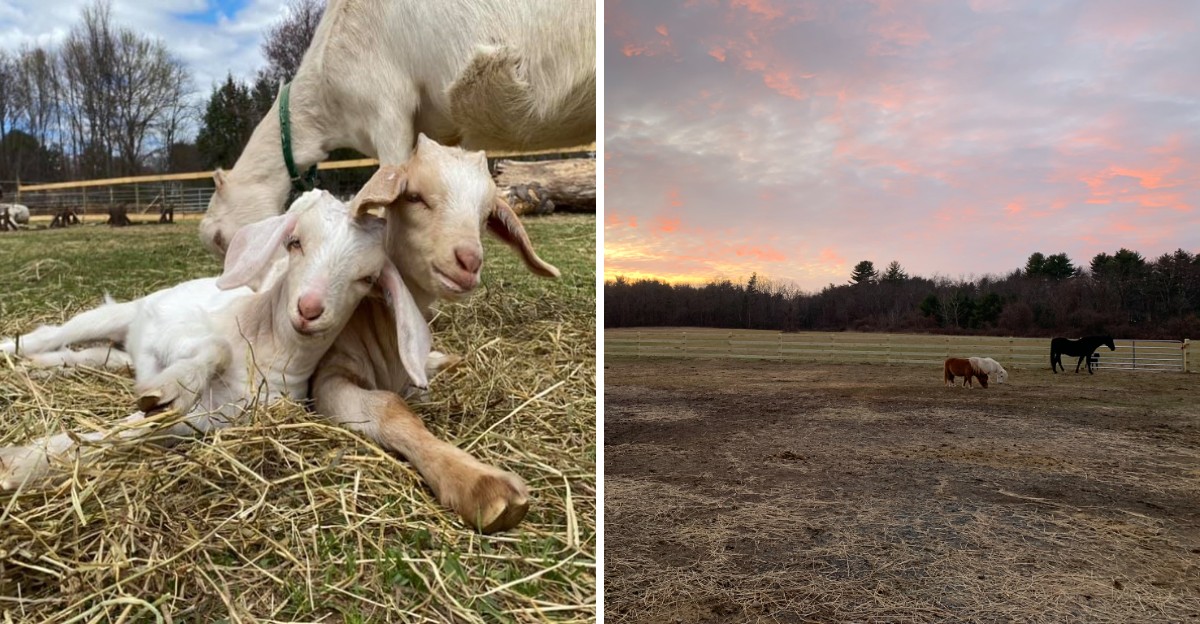
A quiet farm can become a lifeline when animals have nowhere else to go.
Massachusetts has a sanctuary where rescued and surrendered animals are given space, care, and a permanent place to call home.
Goats, pigs, horses, donkeys, chickens, and other farm animals have all found safety here after difficult circumstances or changing situations with previous owners.
What does a second chance look like for an animal? Sometimes, it is as simple as regular meals, patient care, room to roam, and people willing to give them time.
That mission shapes everything about the farm. Visitors get to see animals living at their own pace while learning more about rescue, responsibility, and compassion.
Each resident has a different story, but the goal remains the same. Give them a safe future and let them enjoy the kind of peaceful life every animal deserves.
The Farm That Started With Two People And A Big Idea
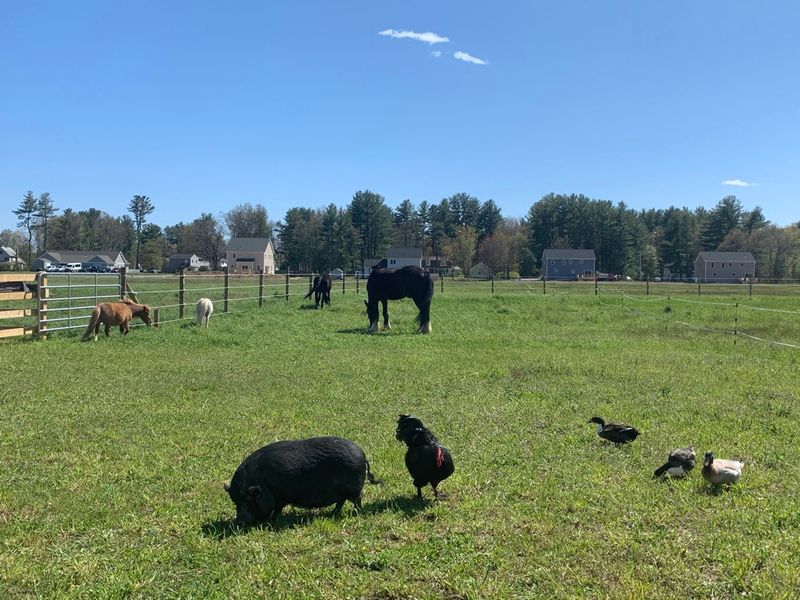
Back in 2020, while most of the world was hitting pause, Robin and Kerry Plourde were building something. The couple founded a non-profit refuge for farm animals with nowhere else to go.
Their goal was straightforward. Animals that had been surrendered, neglected, or mistreated would get long-term care instead of another uncertain chapter.
Whip City Animal Sanctuary opened on 12 acres in Westfield, Massachusetts. The name nods to Westfield itself, long nicknamed the Whip City for its buggy whip manufacturing history.
Robin and Kerry did not wait for perfect conditions. They already had rescues of their own before the gates officially opened, including Thomas the turkey and Eddie the rooster.
Those two feathered residents were essentially the founding members. Everything that followed grew out of that small, stubborn act of kindness.
The mission has stayed simple and consistent. Shelter, good food, and veterinary care, provided for as long as each animal needs it.
No breeding happens here. No animals leave for auction. Residents stay, settle in, and get to be themselves.
That commitment takes real money and real hours. Both founders work additional jobs to help keep the operation funded.
It is a genuinely grassroots effort, built slowly and honestly. And the results are wandering around the pastures every single day.
Horses With Second Chapters Worth Hearing
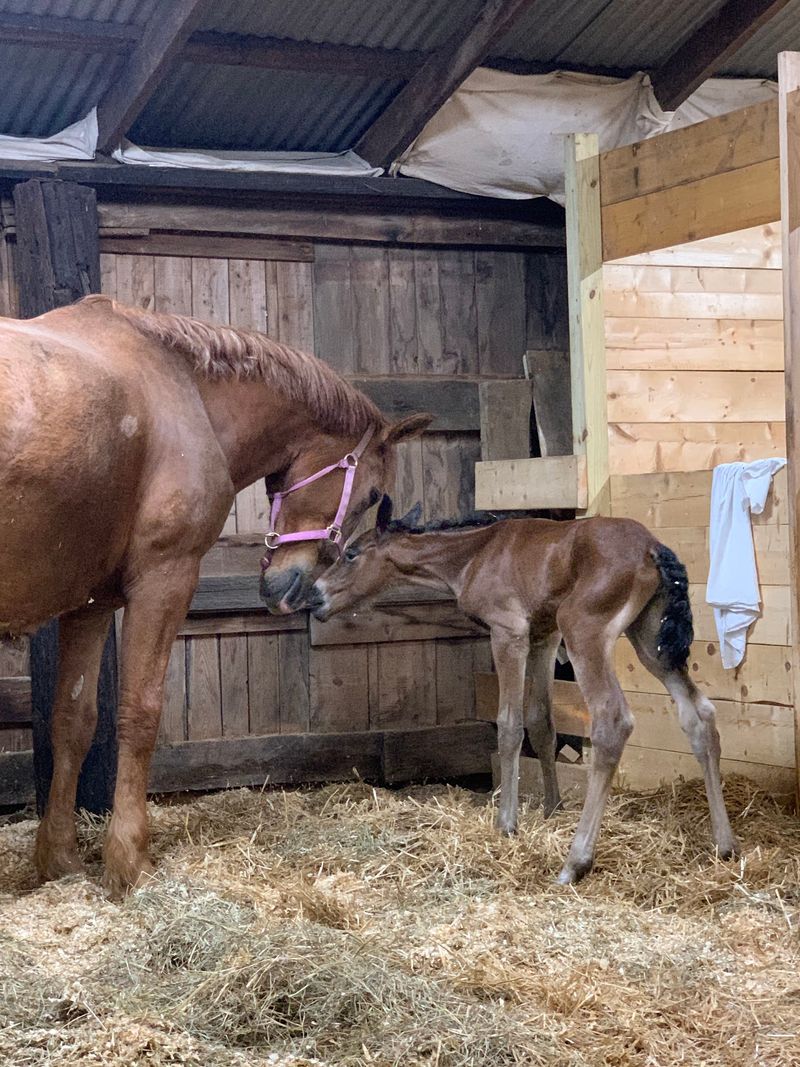
One horse bounced between homes before finally finding steady ground. Adoption attempts kept falling through until a permanent home became possible here.
His story is not unusual among the equine residents. Each horse arrived carrying some version of instability, and each one now has a place where that uncertainty has ended.
Another mare arrived pregnant and underfed after years as an Amish workhorse. Her rehabilitation required patience, proper nutrition, and consistent veterinary attention.
Two miniature horses also came after being removed from an overcrowded situation. Small in stature, they bring plenty of personality to the pasture.
Miniature horses often surprise people. They are smart, opinionated, and fully capable of bossing around animals several times their size.
A donkey rounds out the hoofed crew and adds his own commentary to the daily soundtrack. Donkeys are naturally alert and often quick to notice changes around them.
Watching the animals graze together gives the pasture a calm rhythm. Nobody is rushing, and nobody has anywhere else they need to be.
Horses can live well into their twenties and thirties with proper care. That means every intake can become a decades-long commitment.
Staff and volunteers learn each animal’s temperament and habits over
Pigs, Goats, And The Art Of The Belly Rub
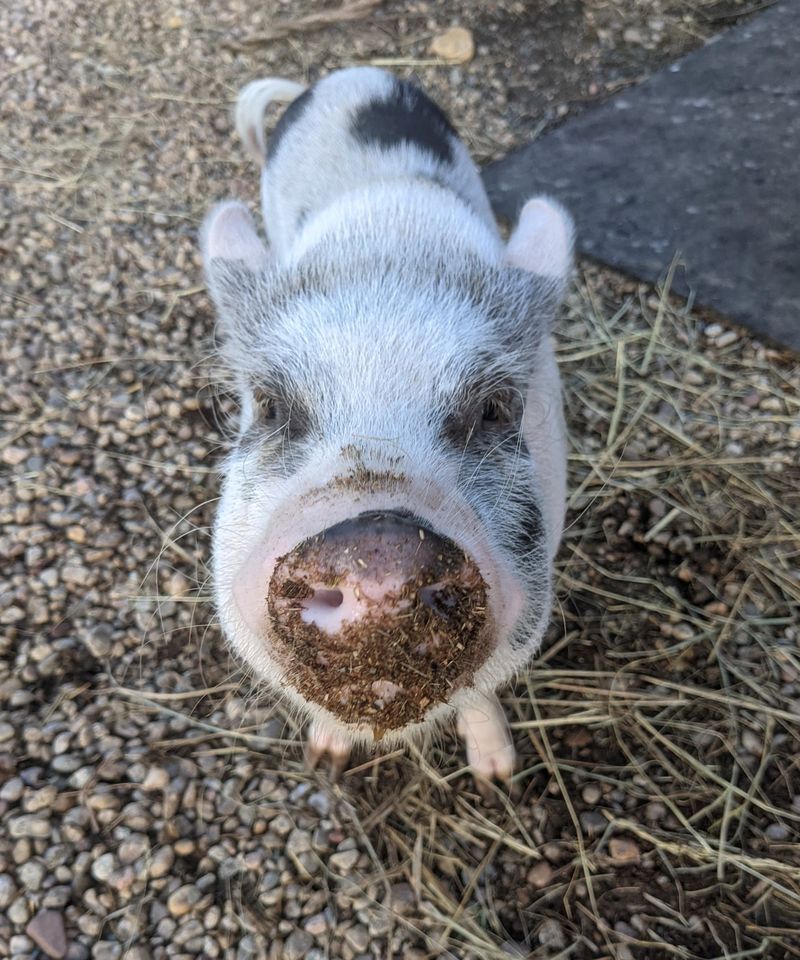
One pig has one clear priority in life. Belly rubs, followed closely by snacks.
He arrived through the MSPCA at Nevins Farm and quickly settled into sanctuary life. Pigs are highly intelligent animals and are known for strong problem-solving skills.
Several pigs now call the property home, each with a different build and personality. Some enjoy attention right away, while others prefer a quiet corner and a patch of sun.
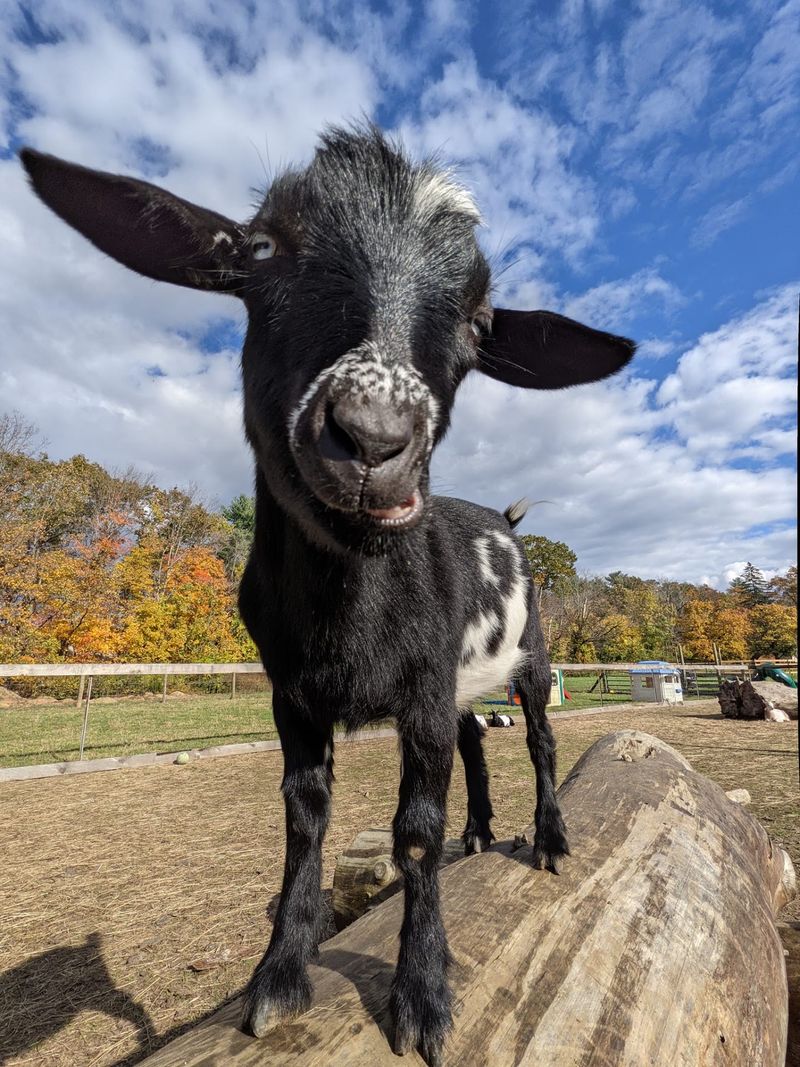
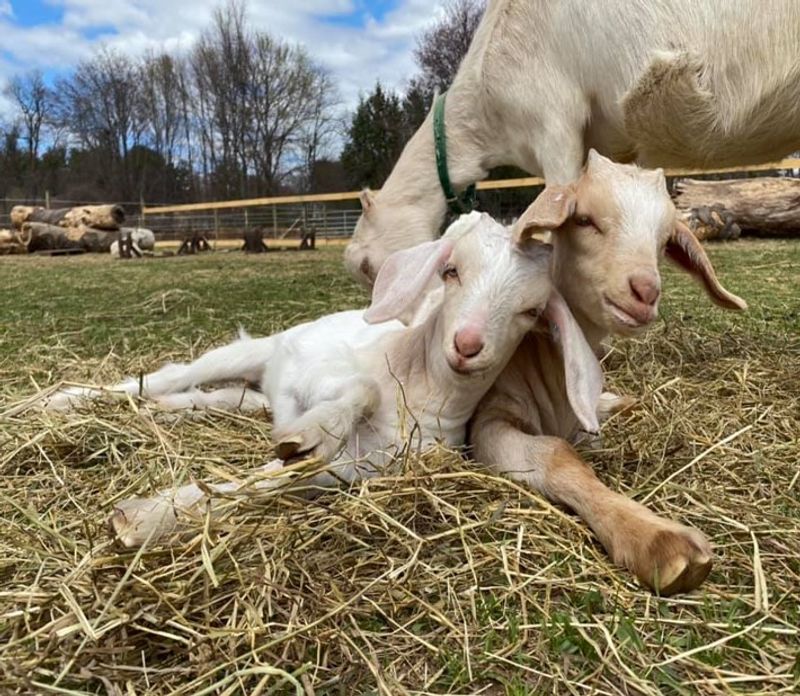
The goats bring a completely different energy. One arrived after being rescued from a slaughter auction and now spends her days climbing, exploring, and doing very ordinary goat things.
A lamb was saved from a similar situation. Both animals came with difficult histories, but their daily routines now look much different.
Goats are natural climbers and will test almost any surface for stability. Give them a stump or pallet and they will quickly turn it into a lookout point.
They are also curious around people and often wander over to investigate pockets, shoelaces, and anything else within reach. That makes interactions feel easy and relaxed.
Children often gravitate toward the goats first, while adults may end up spending more time near the pigs than expected. A few minutes of scratching a pig behind the ears can make the whole visit feel lighter.
These residents show that rescue work can also come with plenty of humor, personality, and genuinely joyful moments.
Feathers, Fuss, And The Poultry Crowd
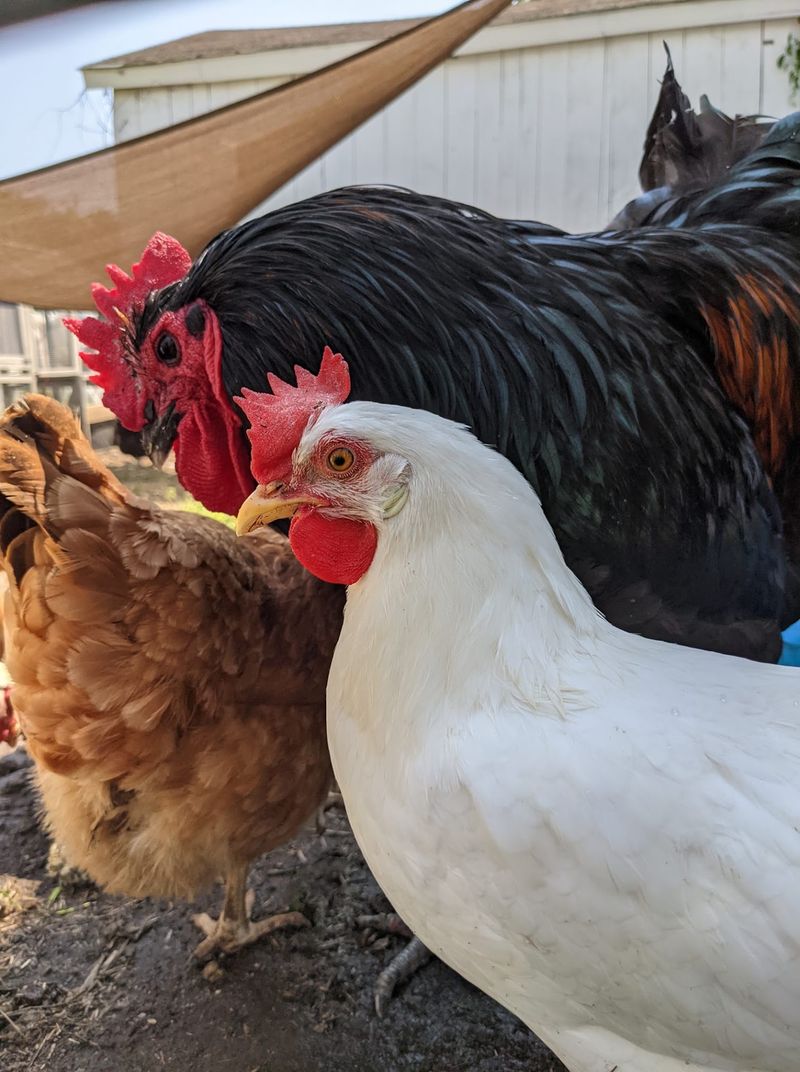
One rooster predates the sanctuary itself. So does one of the turkeys, making both birds part of the earliest group of residents taken in before the sanctuary officially opened.
Poultry does not always get much attention in rescue stories, but here the birds share the spotlight with the larger animals.
Chickens, roosters, turkeys, and ducks all move around the property, creating a steady soundtrack of clucks, calls, and splashing water.
Chickens have clear social structures, complete with hierarchies and preferred companions. Spend a few minutes watching and those little group dynamics become easy to notice.
Ducks bring a different rhythm. They waddle with purpose until water grabs their attention and changes the plan completely.
Turkeys can be surprisingly curious and may approach people directly, tilting their heads as they check out whoever is nearby.
Roosters take their alarm clock duties seriously, regardless of the hour. Their calls are simply part of daily life around the farm.
Birds like these are often surrendered when backyard flocks become difficult to manage. Roosters can be especially hard to place.
Here, they are allowed to live without production goals or expectations. They get food, shelter, care, and room to behave like themselves.
The poultry area also gives visitors plenty to watch. Bright feathers, constant movement, and big personalities make it one of the liveliest parts of the sanctuary.
An Eleven Acre Gift From A Neighbor
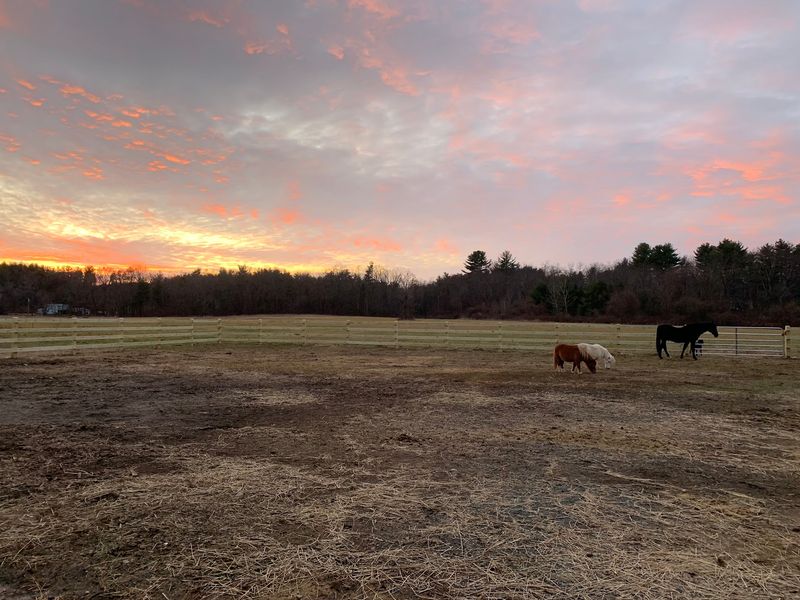
Sometimes generosity arrives in acres. William Reed, whose family had owned neighboring land as a dairy farm since 1898, donated 11 additional acres to the sanctuary.
That single gesture nearly doubled the property. What started as 12 acres became a much larger canvas.
Think about the history behind that land. A working dairy operation held by one family for well over a century.
Now it supports a different kind of agricultural purpose. Same soil, entirely new mission.
The extra space allowed for the construction of a new barn and paddock. Both were badly needed as the resident population grew.
Space matters enormously in animal care. Crowding creates stress, illness, and conflict between animals.
More acreage means better rotation for grazing areas. It also means room to separate animals who need quiet or medical recovery.
Land donations of this size are genuinely rare for small non-profits. Most sanctuaries spend years fundraising for a fraction of that.
The gift also secured the property’s future character. That stretch of Westfield stays open and green rather than getting developed.
Robin and Kerry have been deliberate about growth. Expansion happens when the infrastructure can actually support it.
It is a practical approach that keeps the animals first. Ambition tempered by responsibility, which is exactly what you want.
Saturday Mornings On Montgomery Road
Mark your calendar for Saturday between 10 a.m. and 12 p.m. That two hour window is when the gates open to the public.
The address is 232 Montgomery Rd, Westfield, MA 01085. It sits in the western part of the state, an easy drive from Springfield.
Admission is free, though donations are gratefully accepted. Most people arrive planning to stay twenty minutes and end up staying the full two hours.
Always check the website or Facebook page before heading out. Hours shift occasionally, especially when New England weather does something dramatic.
Footwear deserves actual thought here. This is a working farm with mud, straw, and uneven ground.
Closed-toe shoes or boots make the experience far more comfortable. Leave the sandals in the car.
Portable restrooms are available on site. There is also a small gift shop where purchases support the animals.
Bring a camera and patience. The animals set the pace, and they are not in a hurry.
Toddlers do well here, and so do grandparents. The layout is flat and approachable for most ability levels.
No appointment is needed during open hours. Just show up ready to meet some remarkable residents. Plan for a morning rather than a quick stop. You will want the extra time.
Volunteers Keep The Whole Thing Running
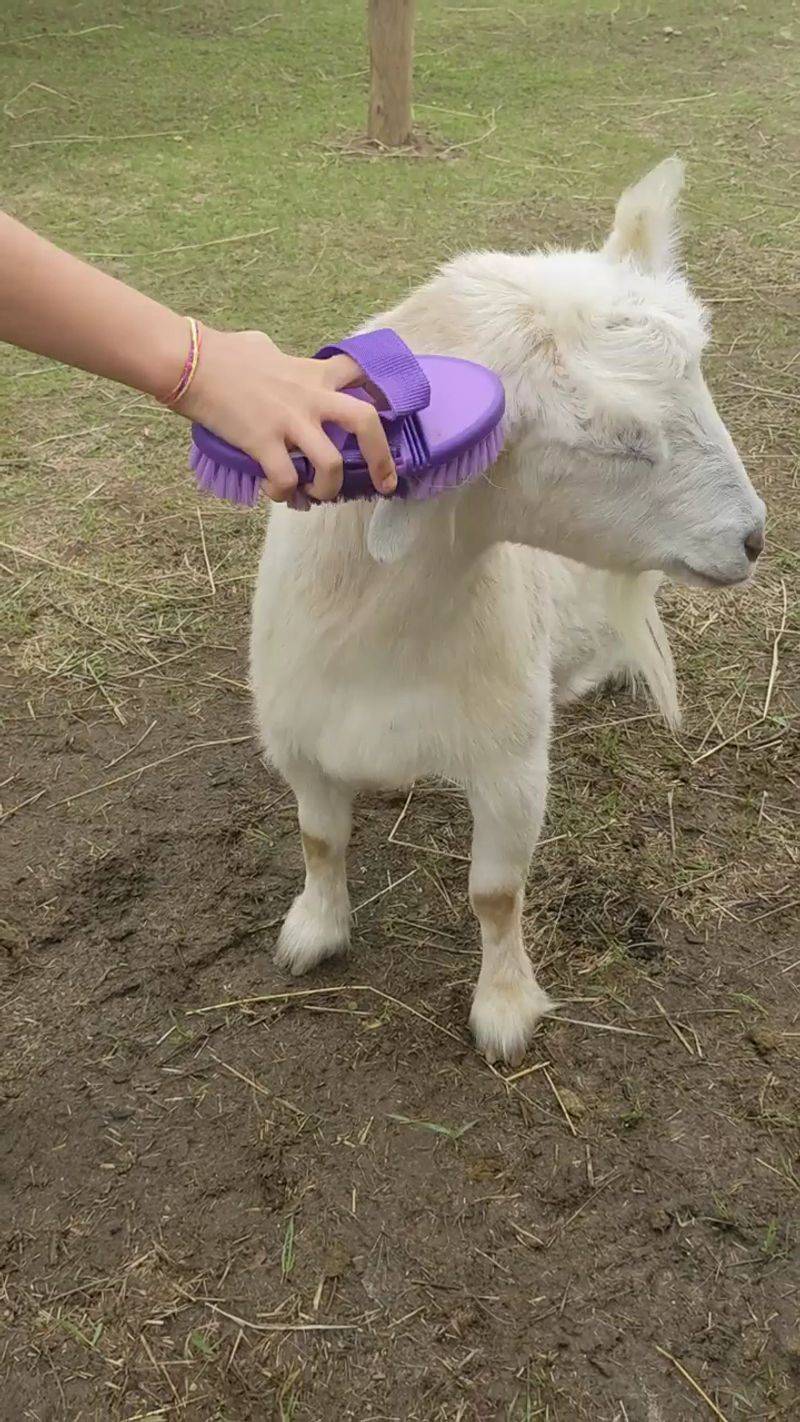
Here is the part that surprises people most. The entire operation runs on volunteer labor and donated funds.
There is no large corporate backer. Just people showing up, seven days a week, to handle feeding and cleaning and everything in between.
Volunteer roles vary widely. Direct animal care shifts are available daily for those who want hands-on work.
Not everyone wants to muck stalls, and that is completely fine. Building projects and habitat maintenance need skilled hands too.
Carpentry, fencing, and repair work are constant needs on any farm. Those skills translate directly into better living conditions for the animals.
Community and fundraising events also require help. Setting up tables and greeting people counts as meaningful contribution.
Younger volunteers often come with family members. It teaches responsibility in a way no classroom really can.
Regular volunteers tend to develop favorites among the residents. They learn which goat headbutts affectionately and which horse prefers a slow approach.
Consistency matters more than intensity. A few reliable hours each month helps more than an occasional marathon day.
Whip City Animal Sanctuary welcomes people with no farm background whatsoever. Training happens on the job, alongside experienced hands.
Anyone curious can reach out through the website. The need never really stops.
Ways To Help Beyond Showing Up
Every dollar donated goes straight to the animals. One hundred percent of monetary contributions support their care, with no cut taken for overhead salaries.
That is a meaningful detail for anyone who researches where their money lands. Transparency builds trust.
Gift cards are another practical option. Local feed stores and tractor supply retailers are exactly where the money gets spent anyway.
Hay, grain, bedding, and equipment add up fast across dozens of animals. Winter costs climb even higher.
Sponsorship programs let you support a specific resident. You pick an animal and help cover their ongoing needs.
It makes a thoughtful gift for animal lovers who already have enough stuff. Kids especially connect with sponsoring a particular goat or pig.
As of late 2024, the sanctuary had reached maximum capacity. Current residents come first, always.
That restraint says something important about priorities. Taking in more animals than you can properly care for helps nobody.
Future facilities are planned as resources allow. Growth will follow the infrastructure, not the other way around.
Spreading the word costs nothing at all. Telling a friend about Whip City Animal Sanctuary genuinely helps.
Western Massachusetts has plenty of worthy causes. This one lets you see exactly where your support goes, grazing contentedly in the pasture.