
This Tiny North Carolina Italian Restaurant Just Won A National Award And Its Pasta Explains Why
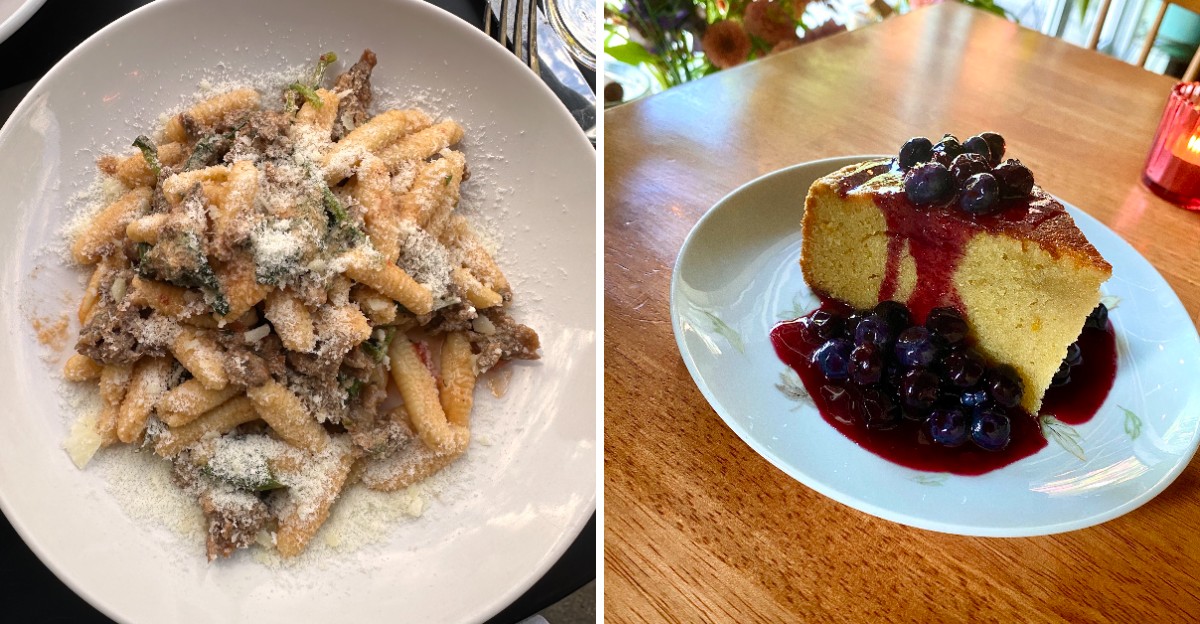
A former coffee shop with roughly two dozen seats just landed a Bib Gourmand in the 2026 MICHELIN Guide USA. That’s a big deal for a room you could cross in a few steps.
The pasta here is made in-house every day. Linguine, rigatoni, and mafalde all start as fresh dough before they ever meet a skillet.
The chef behind it started out washing dishes at a famous North Carolina restaurant. Now his menu mixes Italian cooking with French and Croatian touches, and it shifts with whatever local farmers bring in.
There’s something special about a restaurant that builds its menu around fresh, seasonal ingredients. Every dish reflects the chef’s creativity, from the warm focaccia to the carefully prepared pasta. And with national recognition now under its belt, this tiny dining spot has plenty to be proud of.
A Michelin Nod Landed On A Room With About 26 Seats
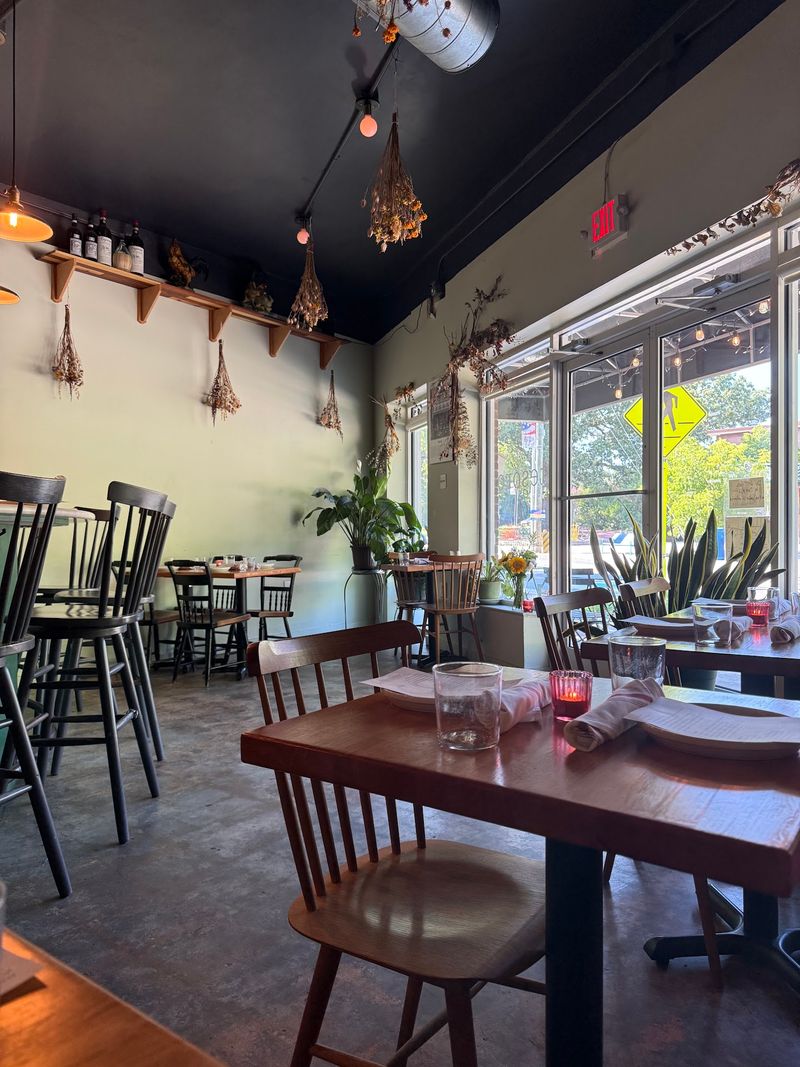
Big honors usually go to big dining rooms. Tesoro flipped that idea when it earned a Bib Gourmand in the 2026 MICHELIN Guide USA.
The Bib Gourmand celebrates restaurants serving good quality cooking at a good value. Think of it as Michelin pointing at a place and saying you’ll eat well without feeling robbed.
That matters for a neighborhood spot in Carrboro, North Carolina. The restaurant opened in 2021, so it reached this level in just a few years.
The focus is refreshingly simple. Tesoro centers its menu on house-made pasta, seasonal plates, and classic sweets.
No sprawling menu pulls attention in ten directions. Instead, a short list of dishes changes often, guided by what local farmers have ready.
That kind of focus is part of what makes the award feel earned. A small kitchen can only do so much, so every plate has to count.
Honestly, I love seeing a place this size get national credit. It proves you don’t need a giant room to make a giant impression.
The real question is what’s on the plate. And that’s where the pasta steps forward.
Fresh Noodles Get Made Here Every Single Day
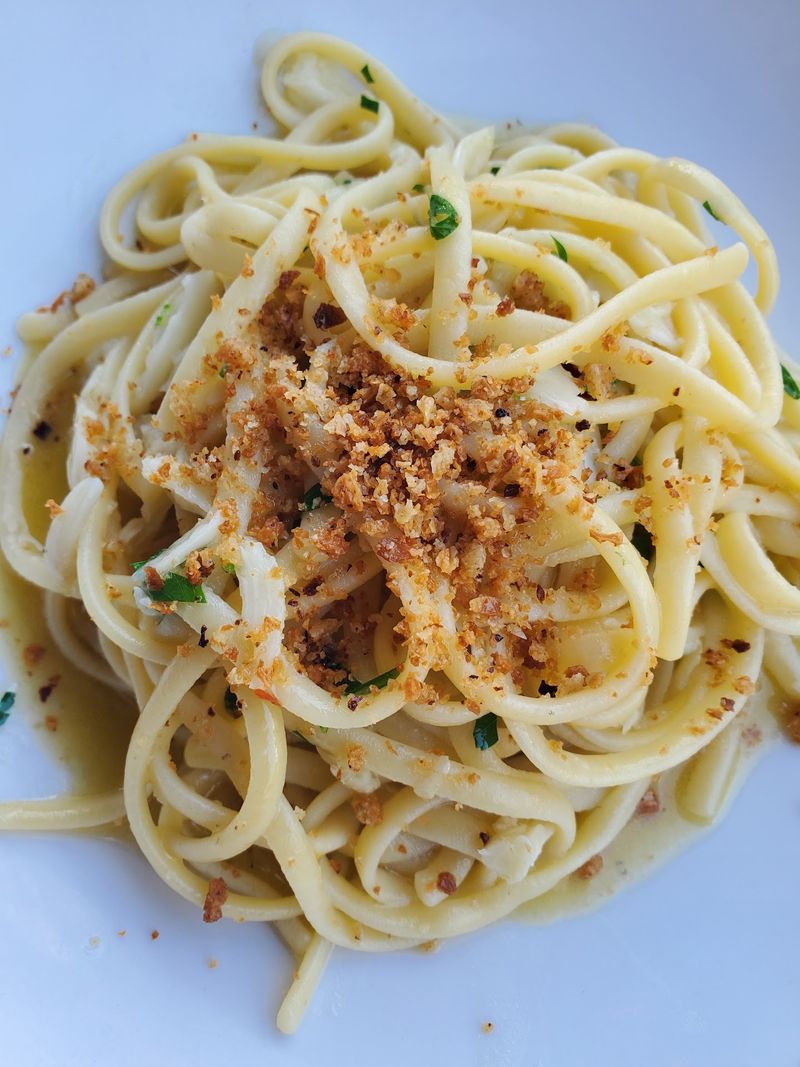
Bundles of fresh noodles sit right in view if you grab a seat at the bar. That’s a pretty good sign about priorities.
Pasta is the main event at Tesoro. Types like linguine, rigatoni, and mafalde are made in-house daily, then cooked to order.
Each portion gets finished with its sauce in a skillet. That final toss helps the sauce cling to every curve and ridge.
Mafalde deserves a quick shout-out. Those long, ribbon-like noodles have ruffled edges, which are basically little pockets for sauce.
Watching the process adds some fun to dinner. You can see the journey from raw bundle to finished bowl without leaving your stool.
Portions work well as a main dish when paired with an appetizer. So plan on a starter instead of treating pasta as a side act.
Here’s my practical tip: ask which shapes are on that night. Because the menu rotates, the lineup you saw online might already have changed.
Fresh pasta has a different bite than the boxed kind. Once you notice it, the grocery store aisle starts looking a little sad.
Cacio E Pepe And Ricotta Gnudi Lead The Pack
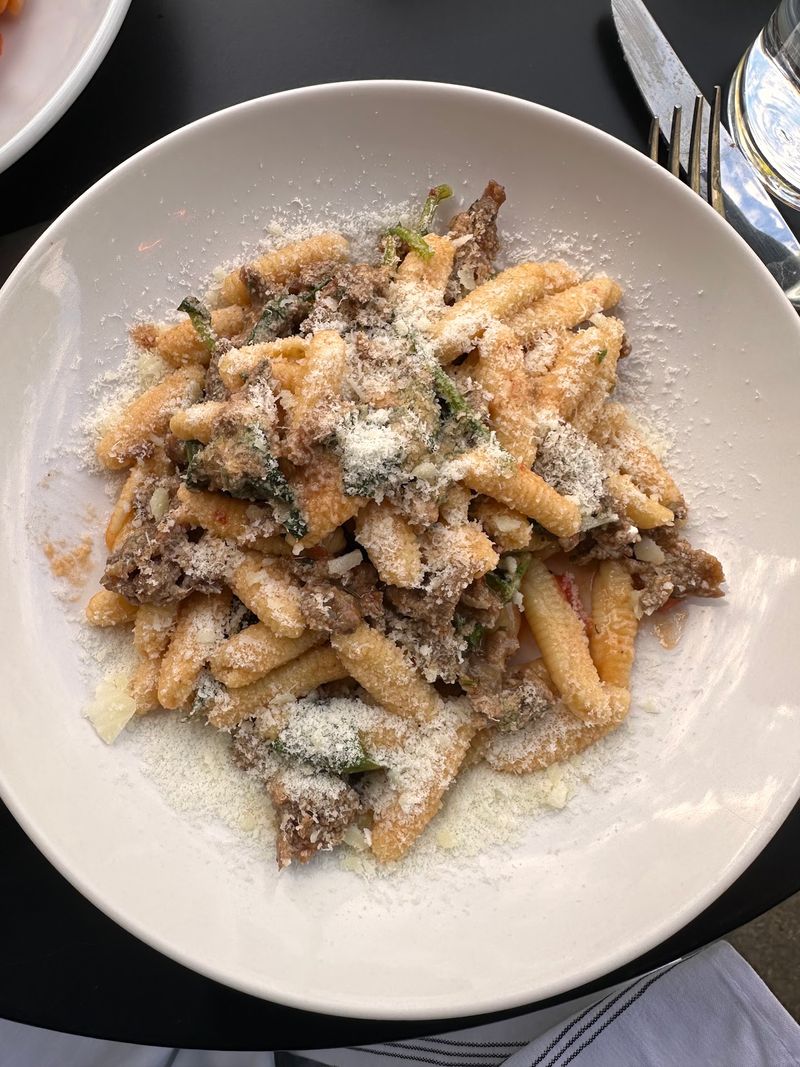
Cheese, pepper, and noodles. Bucatini cacio e pepe uses almost nothing, and that’s exactly why it’s so hard to get right.
At Tesoro, this dish is a fan favorite. Bucatini are thick, hollow strands, so they bring plenty of heft to a simple sauce.
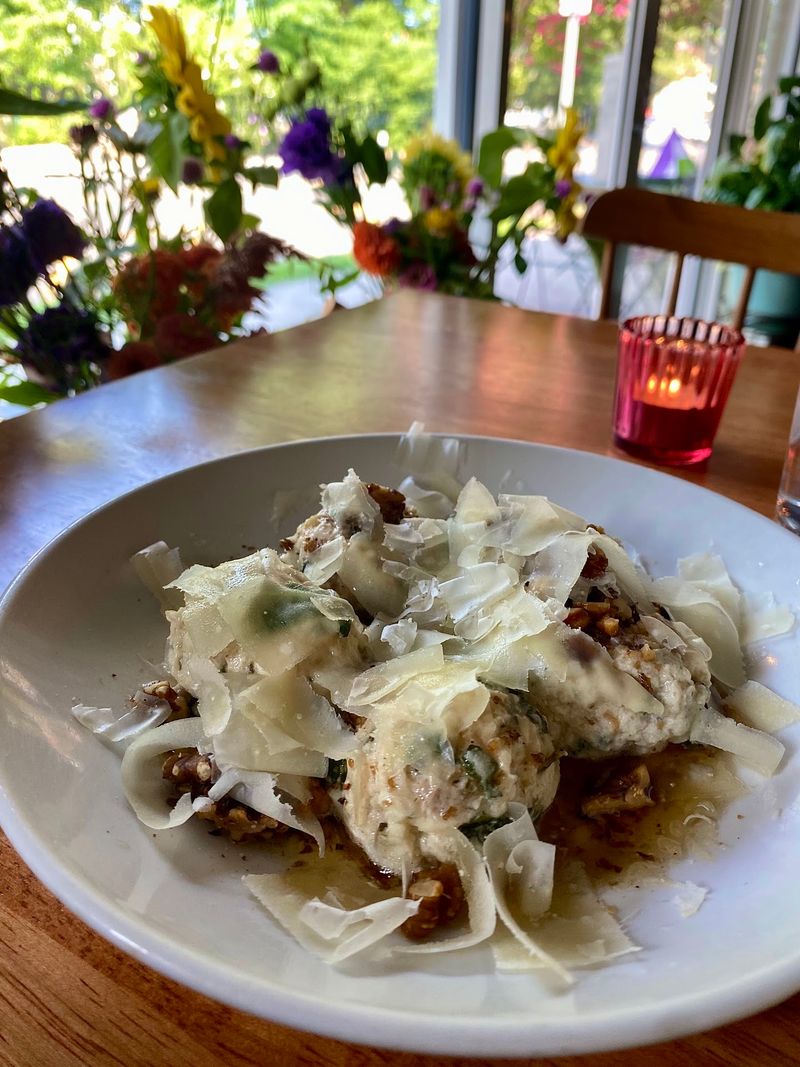
Then there’s the signature ricotta gnudi with spinach and brown butter. Gnudi are soft dumplings made mostly from ricotta, a bit like ravioli filling without the wrapper.
Brown butter gives them a nutty, toasty finish. Spinach adds some green to balance all that richness.
Other pastas have appeared too. Spaghetti aglio e olio leans on garlic and olive oil, while rigatoni has come with eggplant, tomatoes, and ricotta salata.
Heartier options have included casarecce with pork ragu. There’s also been cavatelli nero with octopus for anyone feeling a little adventurous.
Because the menu shifts, not every dish appears every night. Still, the gnudi carry the signature label for a reason.
I can’t imagine skipping them if they’re available. Pair them with the cacio e pepe, share both, and call it research.
Start With Focaccia And Let The Arancini Follow
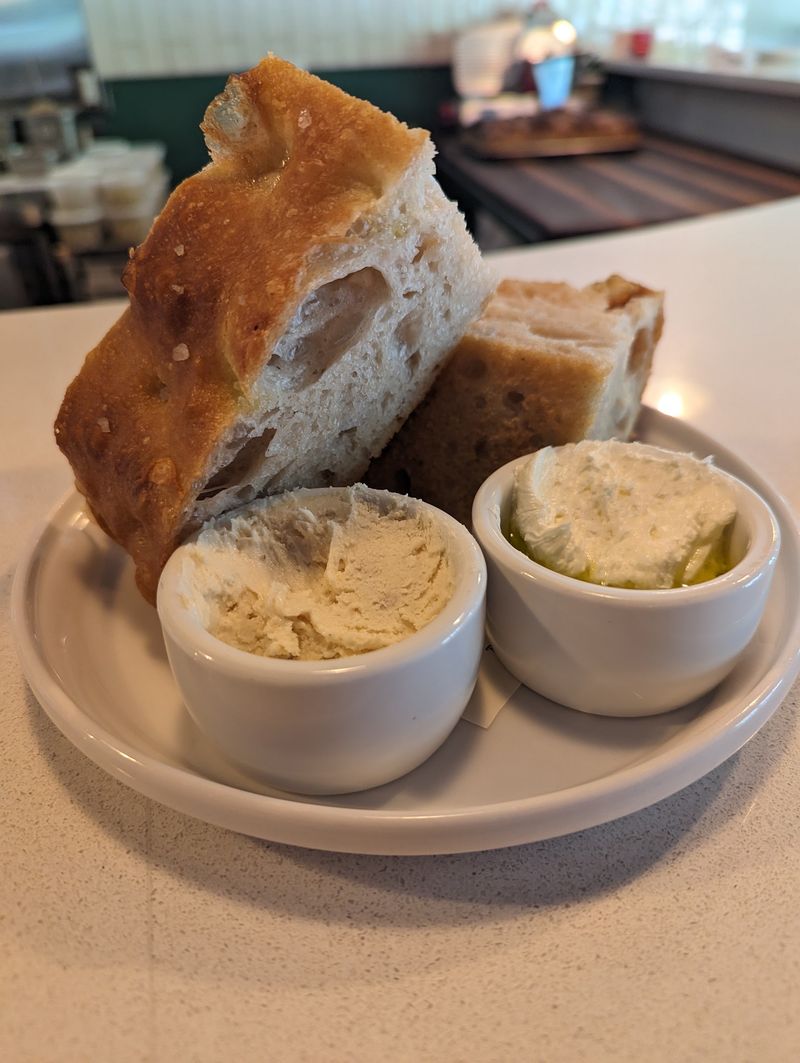
Bread with whipped butter and olive oil is a strong opening move. Tesoro’s focaccia comes with both, so you don’t have to pick sides.
Arancini also show up among the starters. These fried rice balls make an easy shareable bite before the pasta lands.
Olives get special treatment here too. They’ve been served with orange, fennel, and bay, which sounds fancy but really just means bright and fragrant.
Seasonal toasts have rotated through as well. One example paired squash with ricotta and basil, a cozy combo for cooler months.
Prosciutto di Parma has appeared for anyone who wants something salty and simple. Salads keep things fresh, like local lettuces with olive oil vinaigrette or a chicory salad.
Chicory has a slightly bitter edge. That makes it a smart partner before a rich, cheesy bowl of noodles.
My advice is to order one starter per two people. That way, you leave room for pasta and still sample the spread.
Fighting over the last piece of focaccia is optional. But don’t be shocked if it happens anyway.
Save Room Because Dessert Plays For Keeps
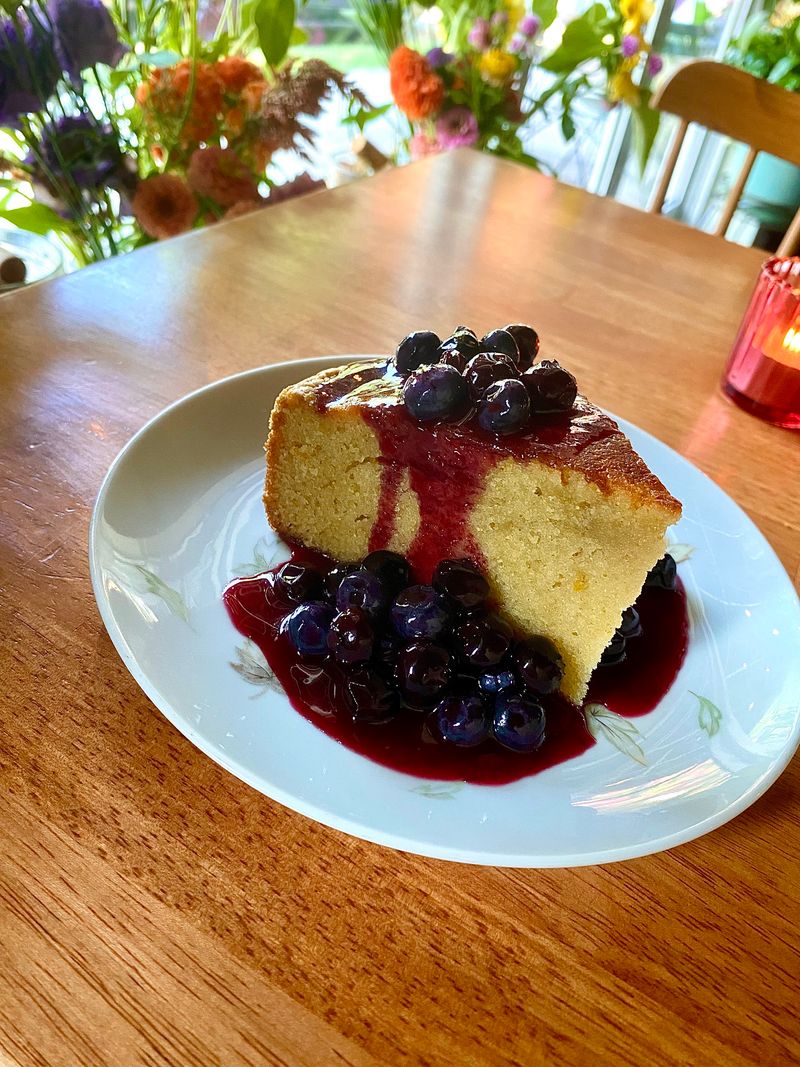
Olive oil cake might be the most quietly confident dessert in Italian cooking. It’s moist, simple, and doesn’t need frosting to make its point.
Tesoro has served it among a rotating lineup of classic sweets. Fior di latte gelato and honey ice cream have also made appearances.
Fior di latte means flower of milk. It’s a pure, creamy gelato flavor that lets the dairy do all the talking.
Bread pudding has turned up too. So has sweet potato krafna, which brings a Croatian twist to the table.
Krafna is a Croatian doughnut. Using sweet potato connects it to North Carolina, a state famous for growing them.
That mix sums up the chef’s background nicely. You get Italian classics beside a nod to Croatia, all shaped by local produce.
Since the menu changes, dessert depends on the night. Ask your server what’s available before you commit to a third pasta.
I’d lean toward splitting two sweets. It’s the polite thing to do, and it doubles your odds of finding a favorite.
From Dishwasher To Michelin-Recognized Chef
Every great career story needs a humble start. Chef-owner David Peretin’s began at the dish station of The Fearrington House Restaurant.
From there, he built experience across the Triangle area. His resume includes Pizzeria Mercato, Rose’s Noodles, Dumplings and Sweets, and Saint James Seafood.
He also learned from some heavy hitters. His mentors included James Beard Award winners Ben and Karen Barker, plus their son Gabe Barker.
That’s a serious education in local cooking. Each stop clearly shaped how he thinks about ingredients and technique.
His own background shows up on the menu too. Italian dishes sit beside French and Croatian influences, giving Tesoro a personality all its own.
The farm-driven approach feels like a natural result of his path. He builds the menu around what local growers bring in, so it keeps evolving.
I appreciate a story where hard work actually pays off. Going from scrubbing pans to earning Michelin attention is pretty inspiring.
It also means the person running the kitchen knows every job in the building. That kind of experience tends to show up on the plate.
A Century-Old Building Got A Clever Makeover
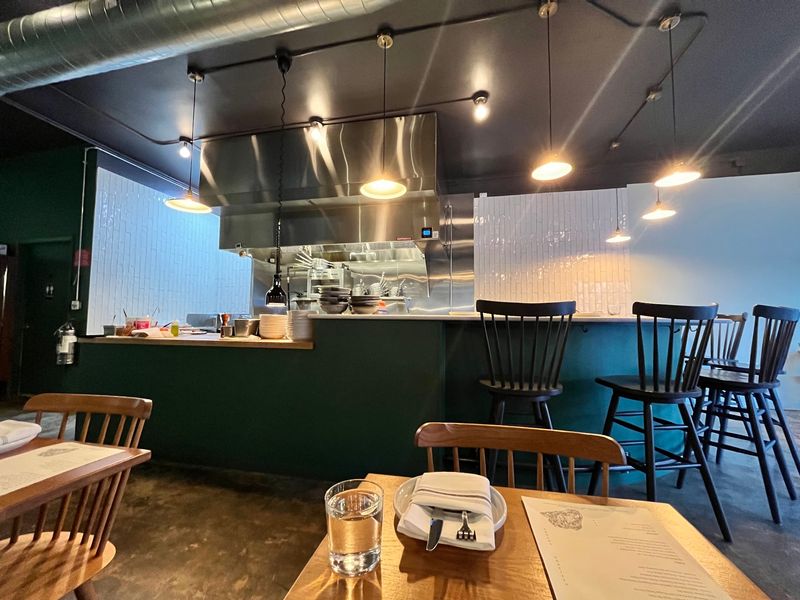
Twelve-foot ceilings can make a tiny room feel bigger. That’s a handy trick when you’re working with roughly 26 seats.
The space once held a coffee shop. Chef Peretin redesigned it himself, working within the century-old building to create something intimate and personal.
Polished concrete floors keep the look clean and simple. A marble-topped bar adds a classic touch without feeling stuffy.
The open kitchen is the real centerpiece. You can see the cooks at work, which makes dinner feel a bit like a show.
Seating is limited, with some reports counting 18 seats inside and six outdoors. That small size keeps the mood cozy and neighborly.
The goal is to make guests feel welcome, almost as if they’ve been invited into someone’s home. Staff hospitality is a big part of that plan.
Want a front-row seat to the pasta action? Ask about the bar when you book.
Small rooms can feel cramped when done poorly. Here, the tall ceiling and open layout help the space breathe instead.
Book Ahead Or Gamble On A Walk-In Spot
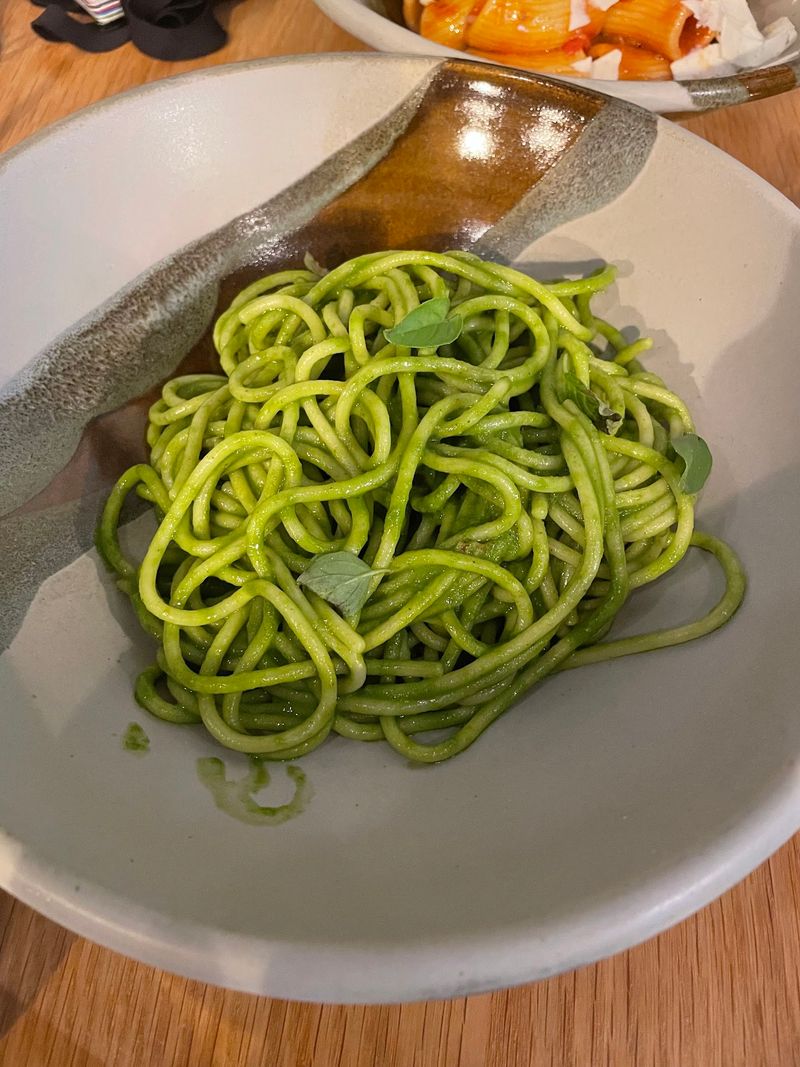
Dinner here runs Monday through Saturday, from 5 to 9 p.m. Sundays are closed, so plan your pasta cravings accordingly.
Reservations are strongly encouraged. With so few seats, tables can go quickly, especially after a Michelin mention.
Limited seating is held for walk-ins. That’s good news for spontaneous diners, though it’s still a bit of a gamble.
Outdoor seating on the patio adds a few extra spots. Pets are allowed out there, so your dog can tag along on nice evenings.
Planning a celebration? Tesoro is available for private parties and full restaurant buyouts.
A buyout in a room this size would feel like having your own dinner club. It’s a fun idea for a birthday or special milestone.
Take-and-bake pasta dishes and house-made sauces have also been offered for takeout. That’s a nice backup when every table is booked.
My tip is simple: reserve early for weekends. Then arrive a few minutes ahead, since parking can take some patience.
Downtown Carrboro Makes A Fine Pasta Neighbor
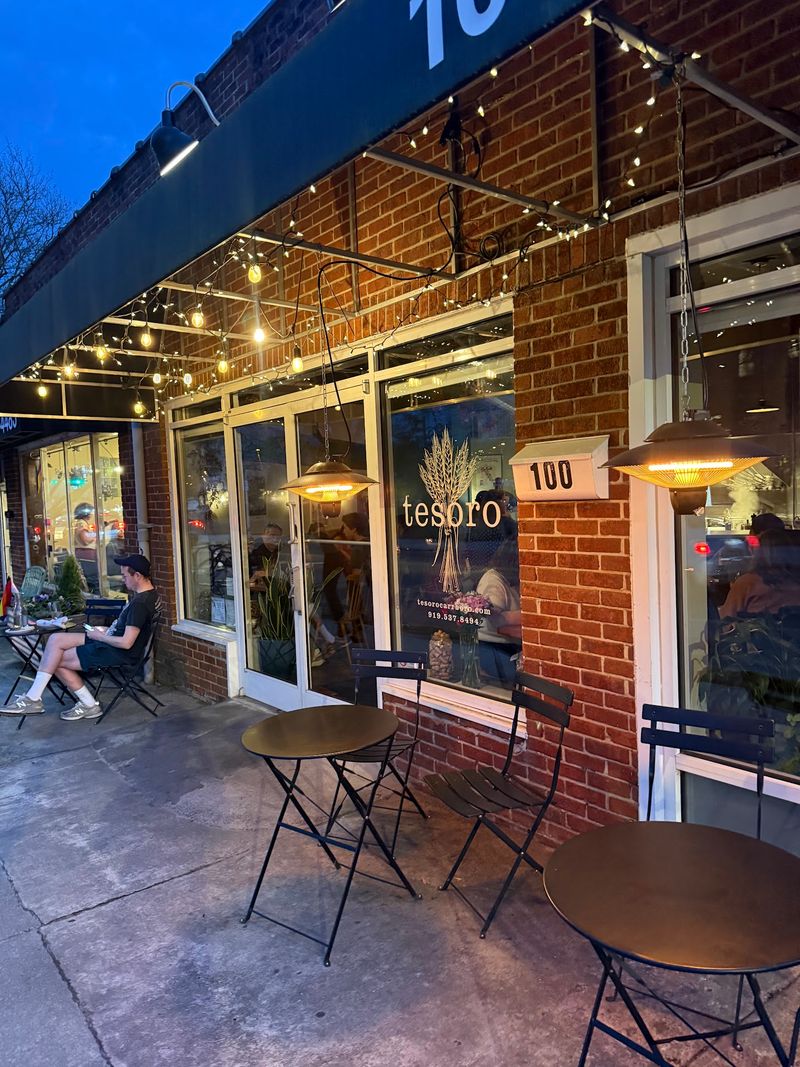
Location counts for a lot, and Tesoro sits right in the thick of downtown Carrboro. You’ll find it at 100 E Weaver St, Carrboro, NC 27510.
It sits across from Weaver Street Market. That makes it easy to spot, even on a first trip.
The area stays busy, which is great for atmosphere. It’s less great when you’re circling for a parking spot.
Street parking nearby can be tricky to grab. Public parking lots within a few blocks offer a calmer option.
A short walk before dinner isn’t the worst thing. It gives you time to decide between gnudi and cacio e pepe.
Carrboro sits right next to Chapel Hill, so it’s an easy add-on to a day around the area. Anyone exploring this corner of North Carolina can work Tesoro into their plans without much trouble.
I like that the restaurant feels rooted in its neighborhood. It’s a local spot first that just happens to have national credit now.
So grab a reservation, find a parking lot, and stroll over. Good pasta tends to reward people who show up prepared.